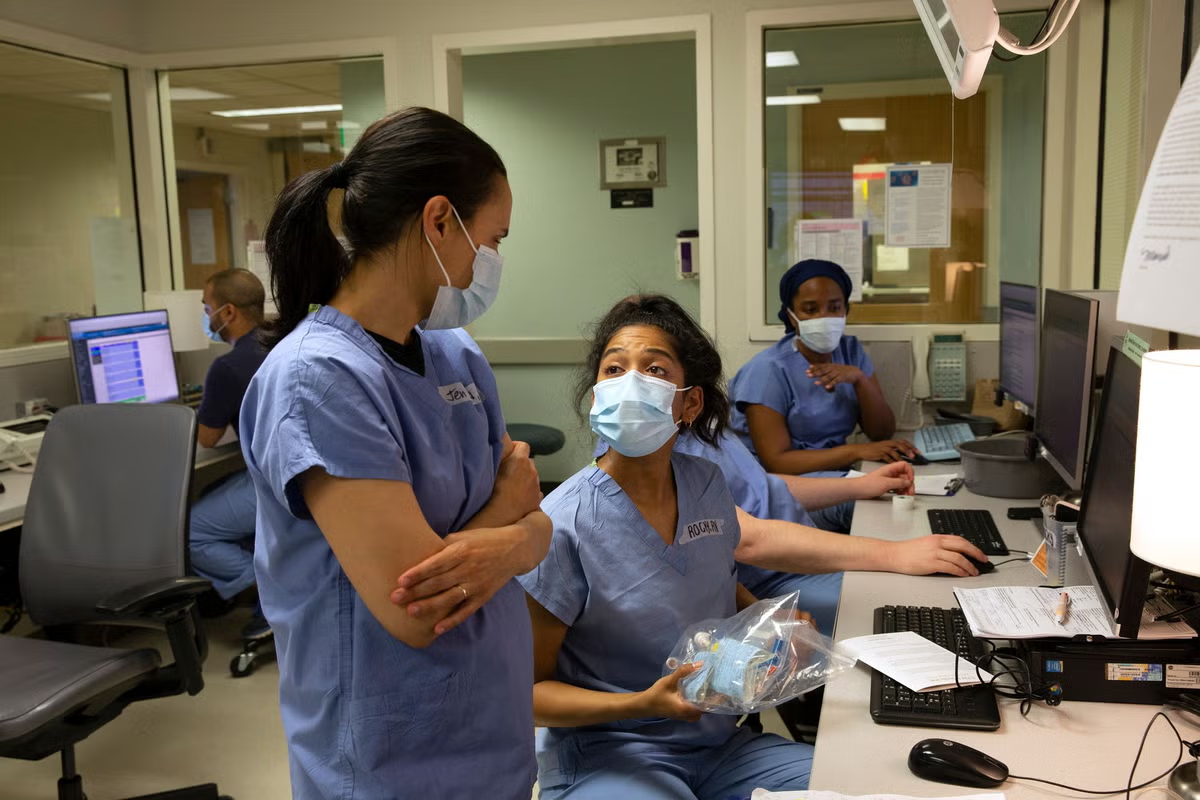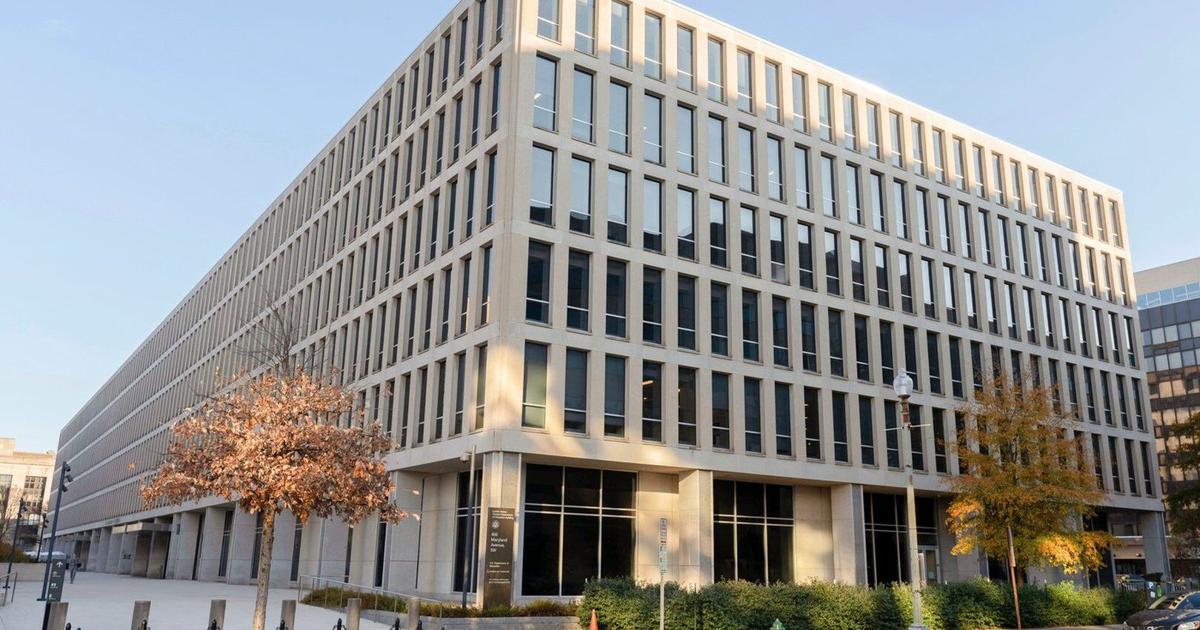
A federal judge has blocked the Trump administration's attempt to define professional and graduate programs in a way that limits how much graduate students in nursing and other healthcare programs can borrow.gettyIn a preliminary victory for graduate students in nursing and several other fields, a federal judge issued an order Wednesday temporarily blocking an attempt by the Trump administration to limit how much graduate students can borrow based on their field of study.With her order U.S. District Judge Beryl Howell stayed a U.S. Education Department’s rule, which was set to go into effect July 1, that would have excluded nursing and other healthcare-related graduate programs from a designation of “professional degrees."The rule was challenged in two lawsuits brought by several plaintiffs representing various categories of graduate students, including nurse practitioners and physician assistants. The Education Department promulgated the rule in April defining the terms “professional student” and “graduate student” after Congress enacted new, separate federal loan limits for those categories of students in the One Big Beautiful Bill Act, passed last year.The limits are based on the type of program in which students are enrolled. “Professional students” may borrow up to $50,000 in federal loans per year, with a $200,000 aggregate limit, while students in graduate programs are eligible for a maximum of only $20,500 in federal student loans per year, with a $100,000 aggregate limit. Previously, graduate students were allowed to borrow as much as it cost them to attend their educational programIn its rule, the Education Department identified “professional students” as individuals enrolled in one of these 11 degree programs: pharmacy, dentistry, veterinary medicine, chiropractic, law, medicine, optometry, osteopathic medicine, podiatry, theology and clinical psychology. It excluded post-baccalaureate nursing degrees along with several other allied health advance degrees and additional graduate programs.MORE FOR YOUPlaintiffs argued the department violated the Administrative Procedure Act by adding additional criteria to the definition of a “professional degree” beyond what Congress had included in the 2025 law. Judge Howell agreed, writing that ‘"Congress provided three, and only three, criteria for a program to qualify as a professional degree: (1) the degree signifies completion of the academic requirements for beginning practice in a given profession”; (2) the degree signifies “a level of professional skill beyond that normally required for a bachelor’s degree”; and (3) licensure is “generally required.”’ Nonetheless, the Department made “at least five material changes to the definition that Congress codified," Howell found, before adding, “Congress could not have been clearer as to the meaning of "professional degree.”’ She agreed with plaintiffs that the rule would irreparably harm the affected students. The ruling was an initial win, but not a final victory for the plaintiffs. While Howell temporarily stayed the rule’s definition, she did not suspend the new loan caps Congress had established. “Plaintiffs are mistaken in asserting that the statutory loan caps cannot be enforced until the Department promulgates a lawful ‘replacement rule,’”she wrote.In a joint statement, two of the plaintiffs — the American Academy of Physician Associates and the PA Education Association — said, “today’s decision is an important step forward for PA students, educational programs, patients, and the healthcare workforce. By granting preliminary relief, the Court recognized that the harm caused by this rule is too significant to ignore and that PA students should not be forced to suffer its consequences while the case is being decided. Allowing the rule to go into effect on July 1 while the legal challenges on the merits proceed would cause irreparable harm to PA students, programs, the profession and the public.”An Education Department spokesperson said it was "reviewing the order and will take appropriate action.”
Federal Judge Blocks Trump’s Graduate Student Loan Limit Rule
A federal judge has temporarily blocked an attempt by the Trump administration to limit how much certain graduate students can borrow based on their field of study.
603 words~3 min read