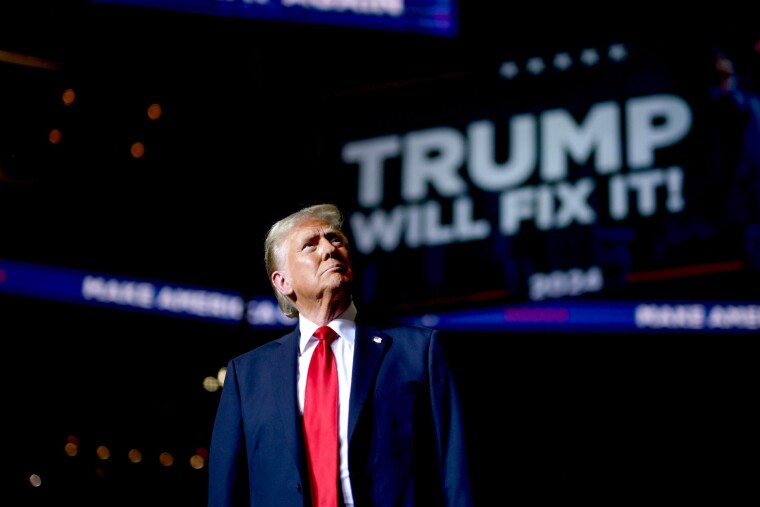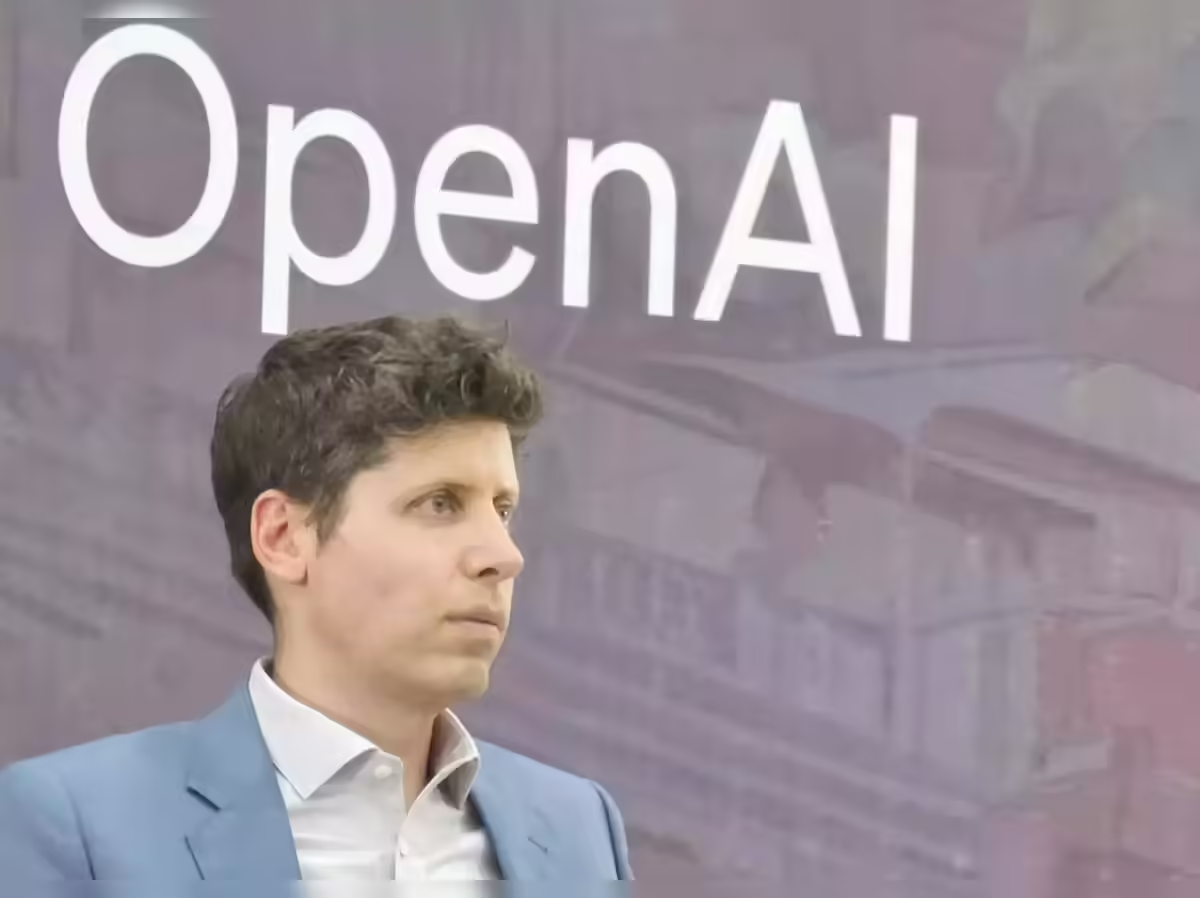
SynopsisPer the report, the White House's Office of the National Cyber Director and the Office of Science and Technology Policy requested that the model be released first to a small set of government-approved partners rather than the general public.AgenciesSam Altman, CEO, OpenAI The Trump administration has asked OpenAI to limit the release of its next large language model, GPT-5.6, citing security concerns, according to a report by Axios.Per the report, the White House's Office of the National Cyber Director and the Office of Science and Technology Policy requested that the model be released first to a small set of government-approved partners rather than the general public.This is part of the administration's broader effort to build a framework for testing and monitoring new AI models and their security.Also Read: OpenAI provided GPT-5.5 to US for national security testing, executive saidSources cited in the report said this is the first time the US government has asked an AI company to restrict a model’s launch before it has happened. This also comes close on the heels of the government asking Anthropic to suspend access to its powerful Mythos and Fable 5 models for non-US citizens. According to The Information, OpenAI CEO Sam Altman told employees in a memo that the company has clarified to the government that such intervention is not desirable for the long term, andit will work with relevant stakeholders for a more sustainable approach for future releases. Also Read: OpenAI offers $25,000 to anyone who can jailbreak its latest model GPT-5.5This move by the government came due to the model's Mythos-like abilities, Axios said. It also follows an executive order on AI security that President Donald Trump signed earlier in June, which directs agencies to set up a voluntary pre-release testing protocol.Anthropic's suspension of the models has thrown up a lot of questions around the high global dependence on a handful of AI companies. Experts in India have called for the development of sovereign models, ET reported on June 26, noting that such restrictions expose a vulnerability in India’s AI ambitions.As access to frontier AI increasingly becomes a geopolitical issue, experts argue India will need significantly greater investments in research, compute infrastructure, and domestic AI capabilities if it wants a meaningful role in shaping the next phase of the global AI race. ...moreElevate your knowledge and leadership skills at a cost cheaper than your daily tea.Subscribe Now
Trump administration asks OpenAI to limit release of GPT-5.6: Report - The Economic Times
Per the report, the White House's Office of the National Cyber Director and the Office of Science and Technology Policy requested that the model be released first to a small set of government-approved partners rather than the general public.
397 words~2 min read