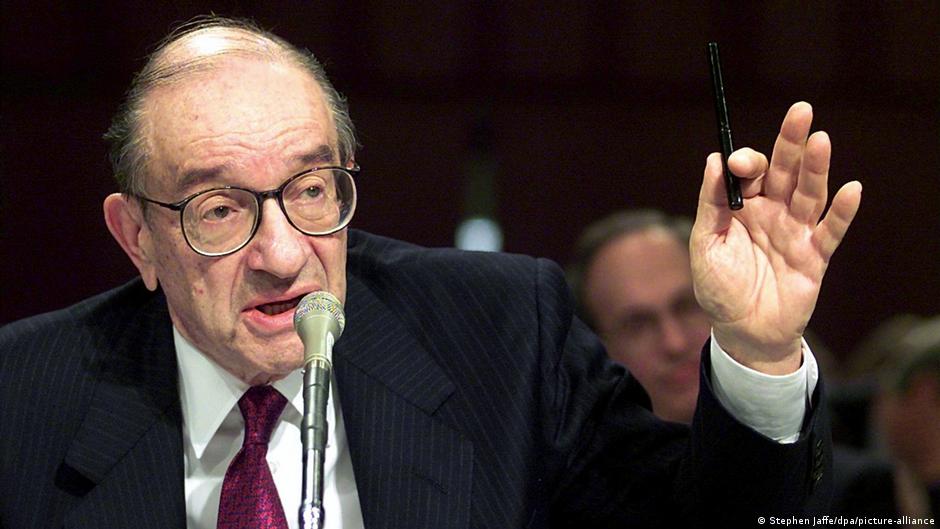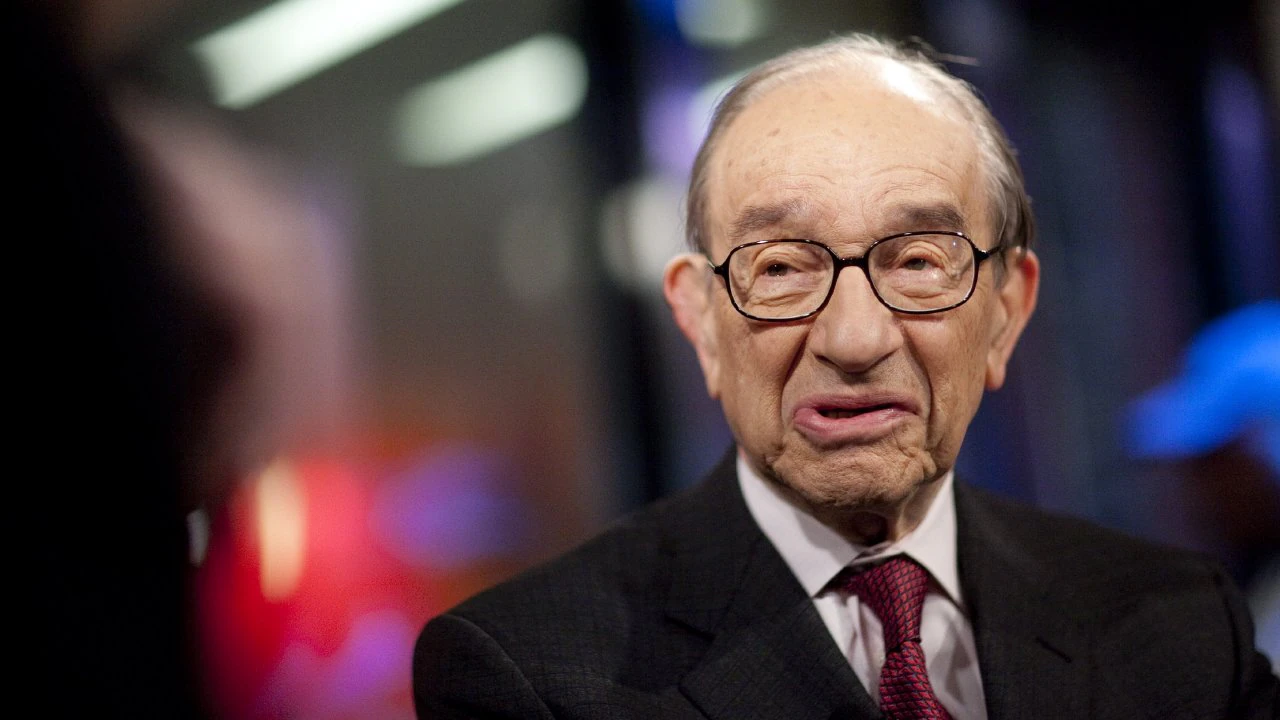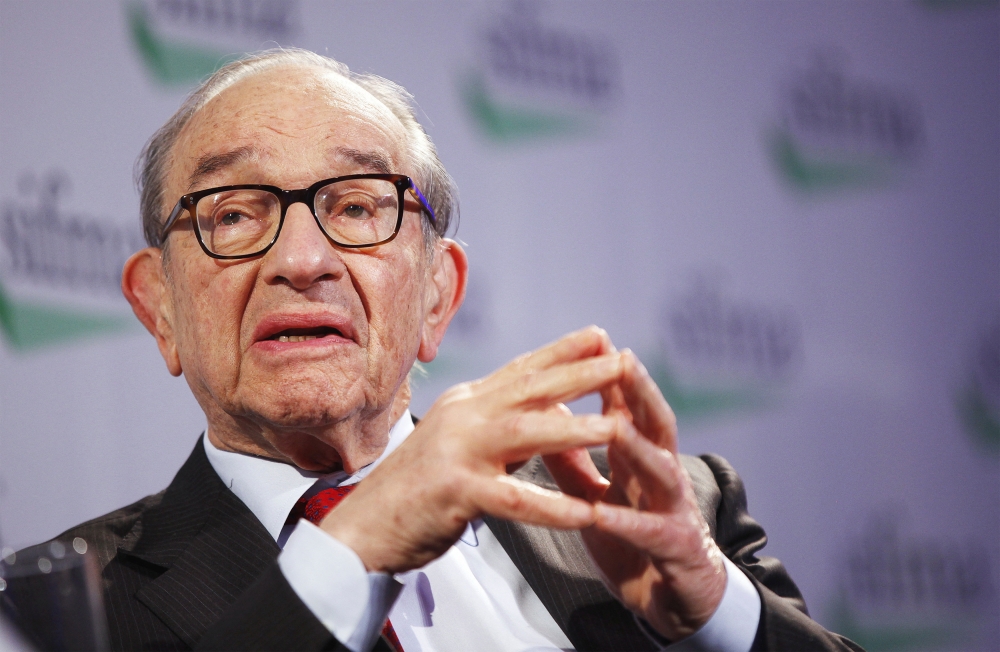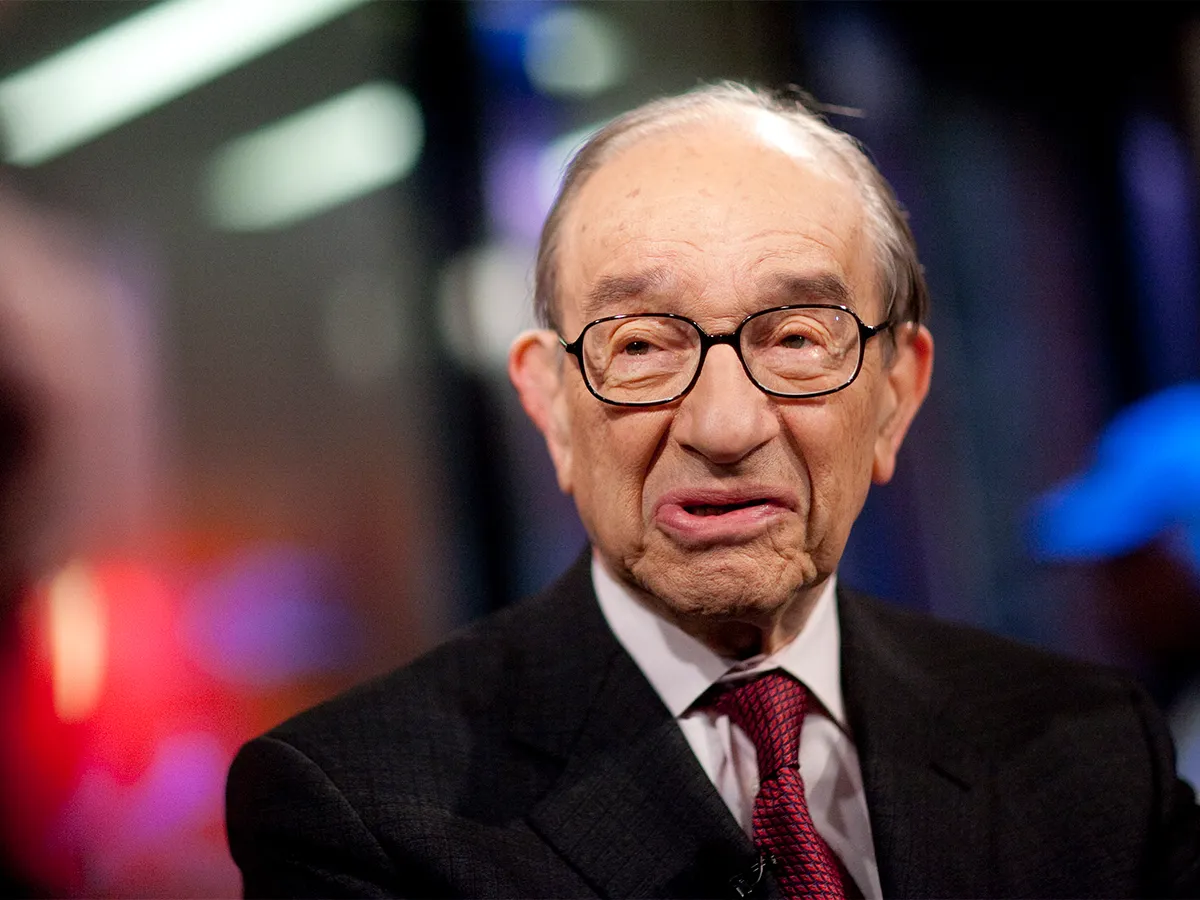
Skip to Content Subscribe Our Offers My Account Manage My Subscriptions FAQ Newsletters Canada Canadian True Crime Canadian Politics Health World Israel & Middle East Financial Post NP Comment Longreads Puzzmo Diversions Comics NP News Quiz New York Times Crossword Horoscopes Life Eating & Drinking Style Sponsored Play for Ontario Travel Travel Canada Travel USA Travel International Cruises Travel Essentials Culture Books Celebrity Movies Music Theatre Television Business Essentials Advice Lives Told Tails Told Shopping Buy Canadian Home Living Outdoor Living Kitchen & Dining Tech Style & Beauty Personal Care Entertainment & Hobbies Gift Guide Travel Guide Amazon Prime Day Deals Savings National Post Store More Sports Hockey Baseball Basketball Football Soccer Golf Tennis Driving Vehicle Research Reviews News Gear Guide Obituaries Place an Obituary Place an In Memoriam Classifieds Place an Ad Celebrations Working Business Ads Archives Healthing Epaper Manage Print Subscription Profile Settings My Subscriptions Saved Articles My Offers Newsletters Customer Service FAQ Newsletters Canada World Financial Post NP Comment Longreads Puzzmo Diversions Life Shopping Epaper Manage Print Subscription HomeNP CommentRaymond J. de Souza: Alan Greenspan was world's first celebrity bankerHe was all the presidents’ man, serving 19 years at the Fed, appointed five times by four presidentsLast updated Jun 26, 2026 You can save this article by registering for free here. Or sign-in if you have an account.Alan Greenspan, chairman of the U.S. Federal Reserve for almost 20 years, is seen in a file photo from March 26, 2010. Greenspan, once celebrated as the “maestro” of the American economy, died on June 22 at the age of 100. Photo by Andrew Harrer / BloombergBefore Mark Carney was called the George Clooney of global finance, the rock star of central banking, there was Alan Greenspan, chairman of the Federal Reserve for nearly 20 years (1987-2006), who died this week at age 100. No George Clooney was he, but he became the first celebrity central banker, improbably “making the gossip pages as something of an unlikely ladies’ man.” He dated Barbara Walters and married Andrea Mitchell.Enjoy the latest local, national and international news.Exclusive articles by Conrad Black, Barbara Kay and others. Plus, special edition NP Platformed and First Reading newsletters and virtual events.Unlimited online access to National Post.National Post ePaper, an electronic replica of the print edition to view on any device, share and comment on.Daily puzzles including the New York Times Crossword.Support local journalism.Enjoy the latest local, national and international news.Exclusive articles by Conrad Black, Barbara Kay and others. Plus, special edition NP Platformed and First Reading newsletters and virtual events.Unlimited online access to National Post.National Post ePaper, an electronic replica of the print edition to view on any device, share and comment on.Daily puzzles including the New York Times Crossword.Support local journalism.Create an account or sign in to continue with your reading experience.Access articles from across Canada with one account.Share your thoughts and join the conversation in the comments.Enjoy additional articles per month.Get email updates from your favourite authors.Create an account or sign in to continue with your reading experience.Access articles from across Canada with one accountShare your thoughts and join the conversation in the commentsEnjoy additional articles per monthGet email updates from your favourite authorsSign In or Create an AccountorLadies’ man or not, he was all the presidents’ man. He served 19 years at the Fed, appointed five times by four presidents — Ronald Reagan, George Bush Sr., Bill Clinton and George Bush Jr.This newsletter from NP Comment tackles the topics you care about. (Subscriber-exclusive edition on Fridays)By signing up you consent to receive the above newsletter from Postmedia Network Inc.We encountered an issue signing you up. Please try againGreenspan lived a long life, born in the same year (1926) as the epitome of celebrity, Marilyn Monroe. He outlived her by 64 years, entering the inner circle of American presidents later and remaining there longer.More to the point, he was born in the sesquicentennial year of Adam Smith’s Wealth of Nations (1776) and died in its semiquincentennial. Over that century, Smith’s ideas waxed for a very long period of time; Greenspan’s appointment and long tenure at the Fed were both a sign and a cause of how dominant Smith’s understanding of the economy was by the 1980s and beyond. Yet the global financial crisis of 2008 undermined confidence in Smith, and Greenspan’s great humbling came in his public confession that there were some important things that he had got wrong.Greenspan had been celebrated as the “maestro” of the American economy, navigating three major disruptions — the 1987 stock market crash, the aftermath of 9/11, and the bursting of the dot-com bubble — while otherwise presiding over a long period of strong growth, low inflation and low interest rates.Shortly after he retired in 2006, a crisis began to stir in the American housing-related financial markets, and before long the entire economy came crashing down — not only in America. It was a truly global financial crisis. It was Mark Carney’s first challenge as governor of the Bank of Canada; that Canada came through it with relatively less damage and no bank failures contributed to the growth of Carney’s reputation.In October 2008, Greenspan was summoned before Congress to answer for his failure to sufficiently regulate housing finance. He had believed that it was unnecessary to do so, as the self-interest of corporations would prevent them from reckless risk-taking in the subprime mortgage market.“Those of us who have looked to the self-interest of lending institutions to protect shareholders’ equity, myself included, are in a state of shocked disbelief,” he testified before a House committee.It was a signal moment. For decades his appearances before Congress were marquee events, with investors hanging off every syllable and subordinate clause for insight into where the American economy was headed. This time there was no mystery. Greenspan had got it wrong, and wrong because he trusted too much in the magic of self-interest to serve the common good.He was not wrong so much about the power of self-interest as he was in figuring how it worked in a financialized economy. It wasn’t that the Masters of the Universe — Tom Wolfe’s term from his 1980s novel about Wall Street culture, The Bonfire of the Vanities — didn’t know that there were risks, but that they thought they were clever enough to profit for a time and get out before others were left holding the bag. Greenspan’s successor got the empty bag.The more important lesson from the Greenspan years is not from his failure but from his success. From the early 1990s onwards, something of a miracle had been achieved in monetary policy. Inflation was killed, held to less than 2.0 per cent, after decades where inflation ran two to three times higher normally, and even higher in times of crisis. That inflation could be held in check at low interest rates was a world-changing achievement.The price of low inflation had long been considered higher interest rates — and vice versa. To have both inflation and rates low for years was both astonishing and magnificent. The Bank of Canada’s anti-inflation policy of the early 1990s was a key part of that story internationally.Inflation can be banished, but tradeoffs can’t. Low interest rates were excellent for consumers, for firms, for borrowers. They were not as good for savers, who faced meagre returns on their deposits.Money flowed elsewhere in search of higher returns. The stock market soared — and soared again and again. Other money, and lots of it, went into real estate, shifting housing from a consumption market for shelter to an asset supposed to appreciate in value. With money almost free to borrow, both those seeking shelter and speculators borrowed extravagantly to buy homes, presuming that perpetually rising prices would mean that defaults were not possible. Hence the NINJA loan — no income, no job, no assets. It didn’t matter. Prices would rise and rise again. The housing bubble enabled all sorts of foolish behaviour. Greenspan chose not to prick it.There are better and worse economic policies, but the economy does not have a maestro. Greenspan’s policies were more often better than worse, but the global financial crisis confirmed that even those thought to be maestros are subject to the laws of economics.National Post Join the Conversation This website uses cookies to personalize your content (including ads), and allows us to analyze our traffic. Read more about cookies here. By continuing to use our site, you agree to our Terms of Use and Privacy Policy.
Raymond J. de Souza: Alan Greenspan was world's first celebrity banker
He was all the presidents’ man, serving 19 years at the Fed, appointed five times by four presidents
1,410 words~6 min read