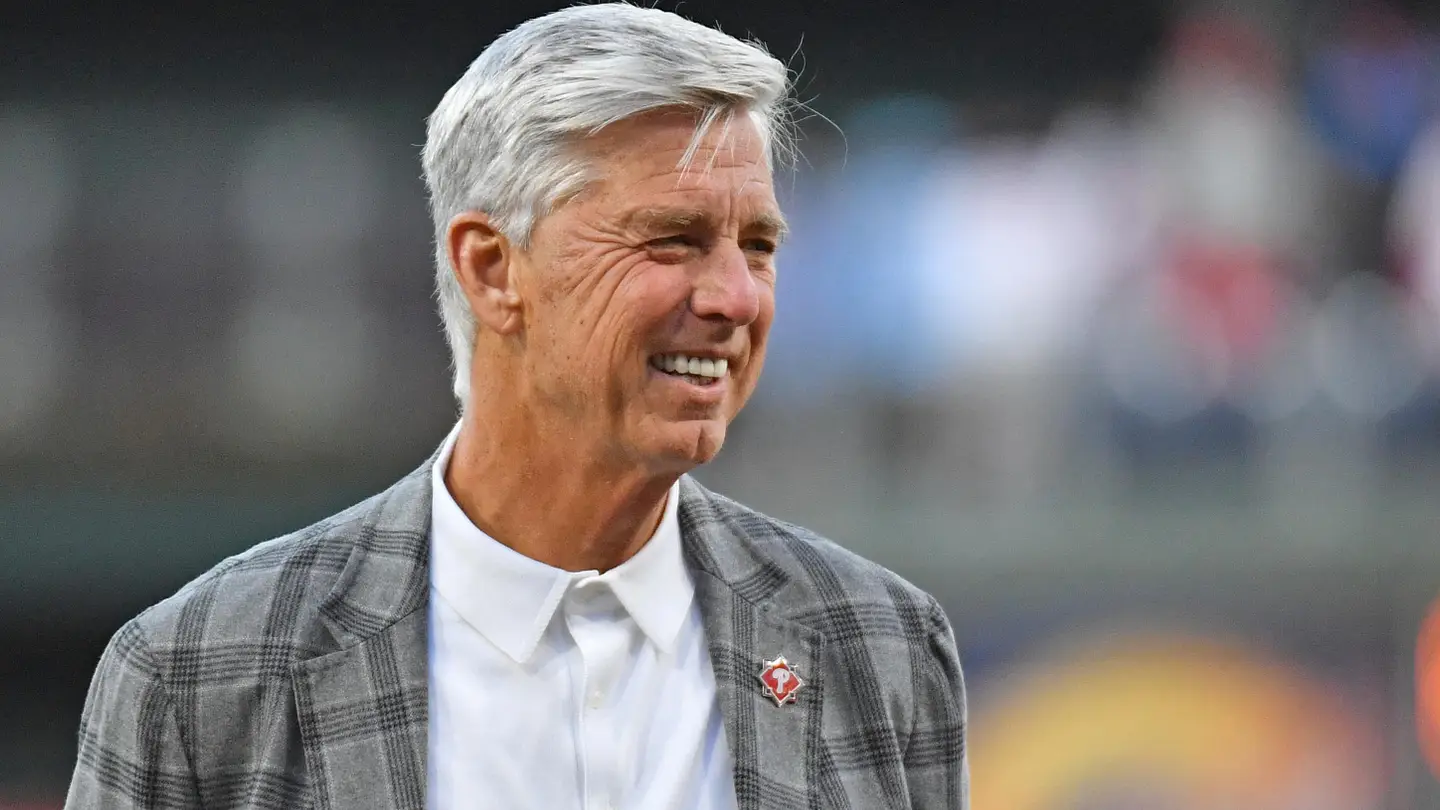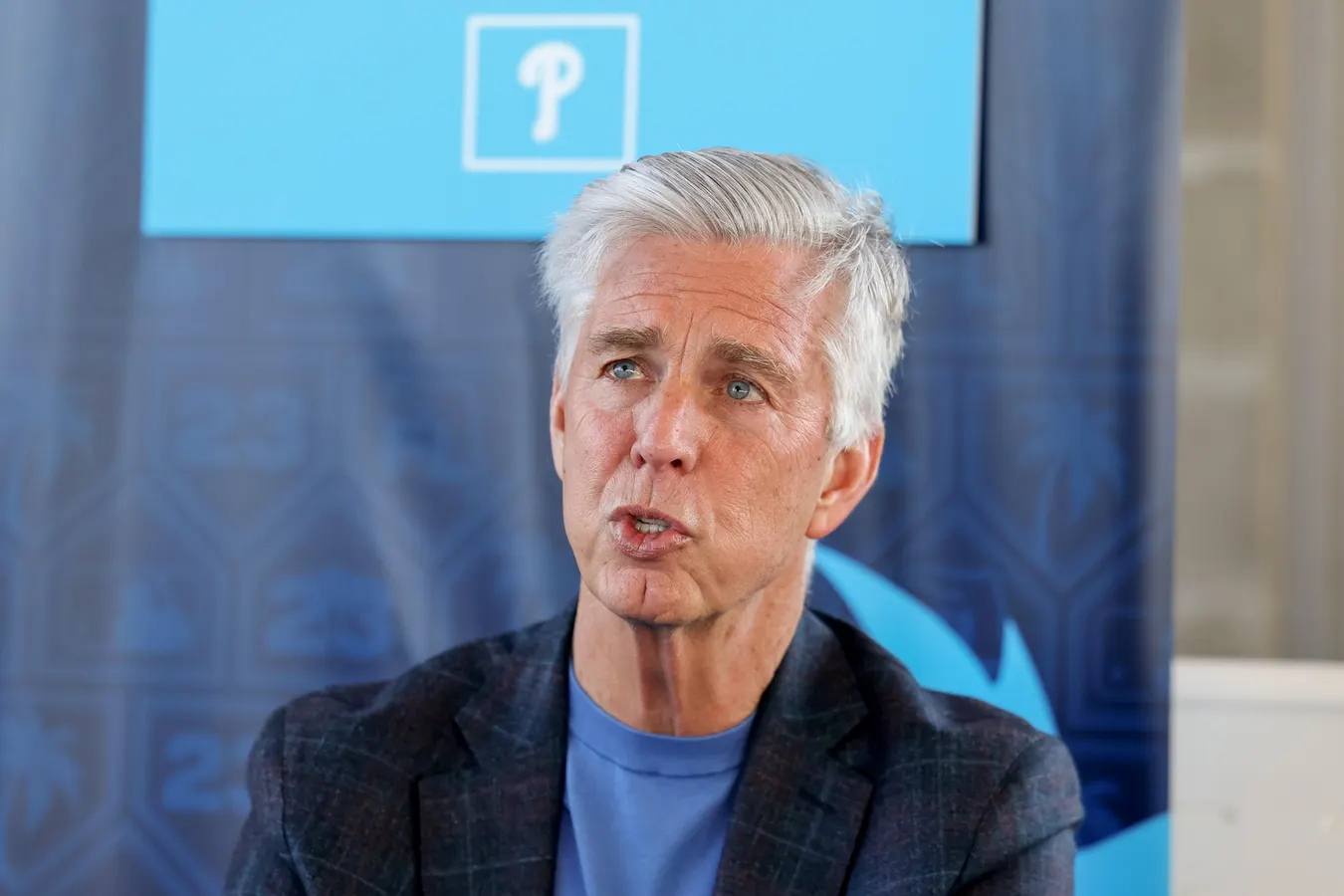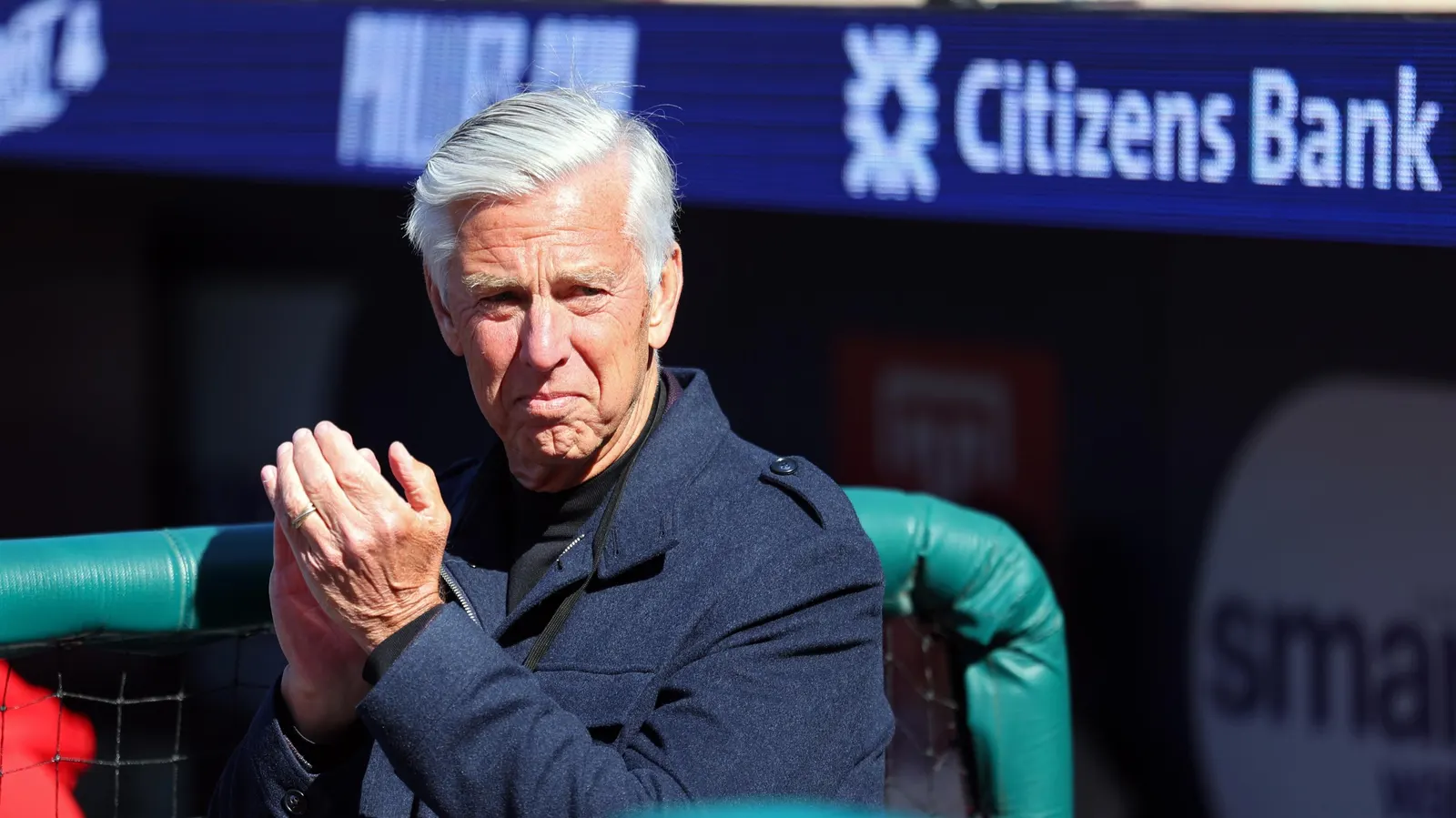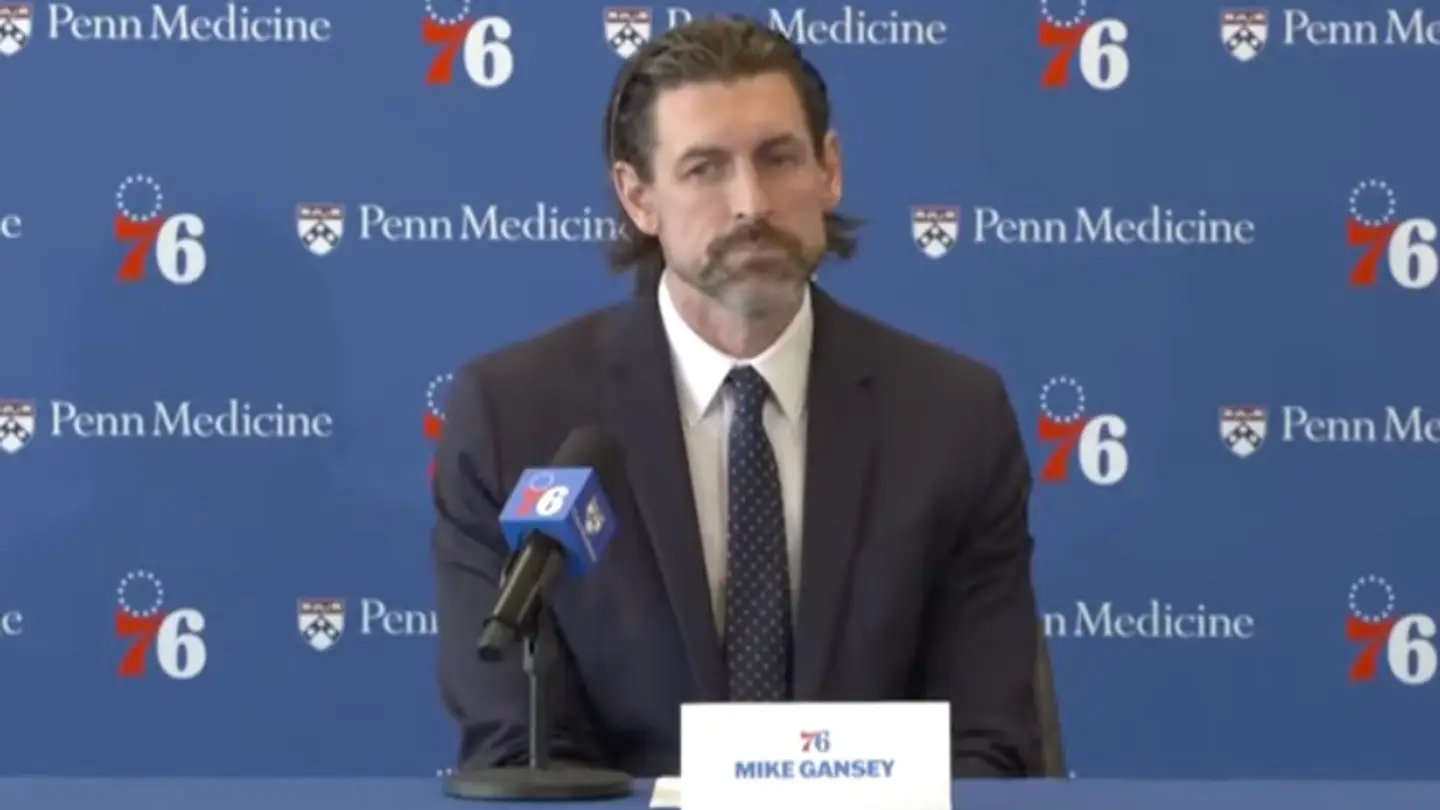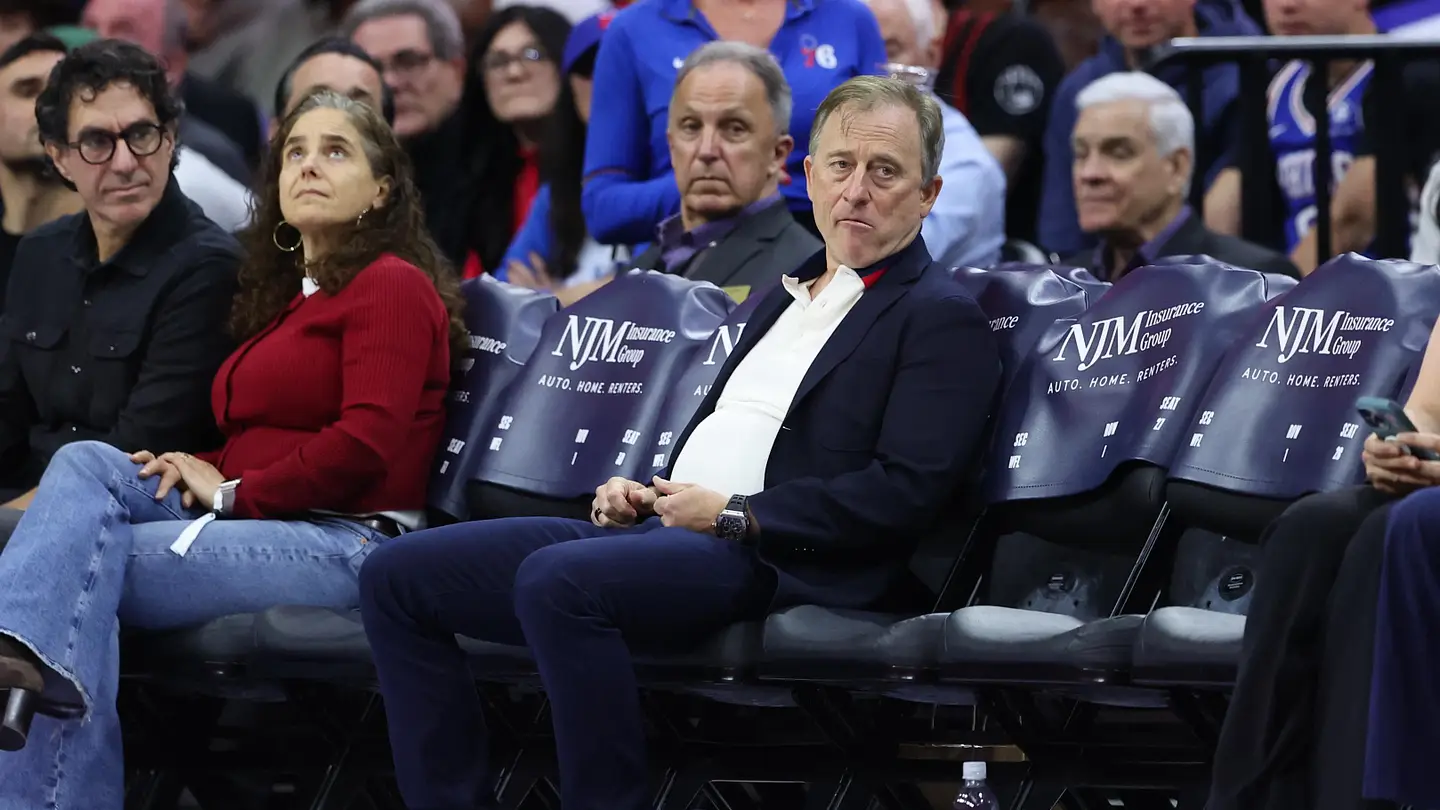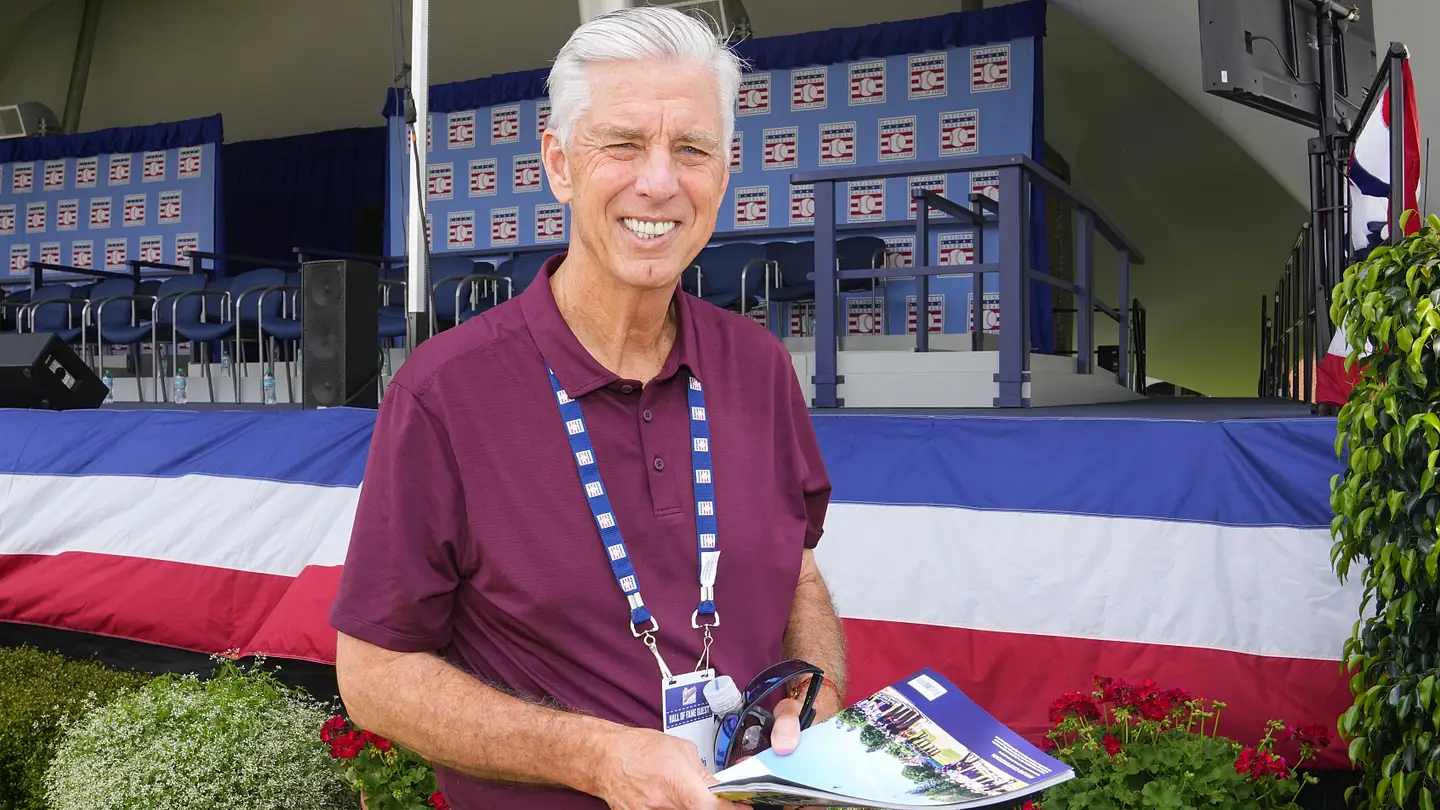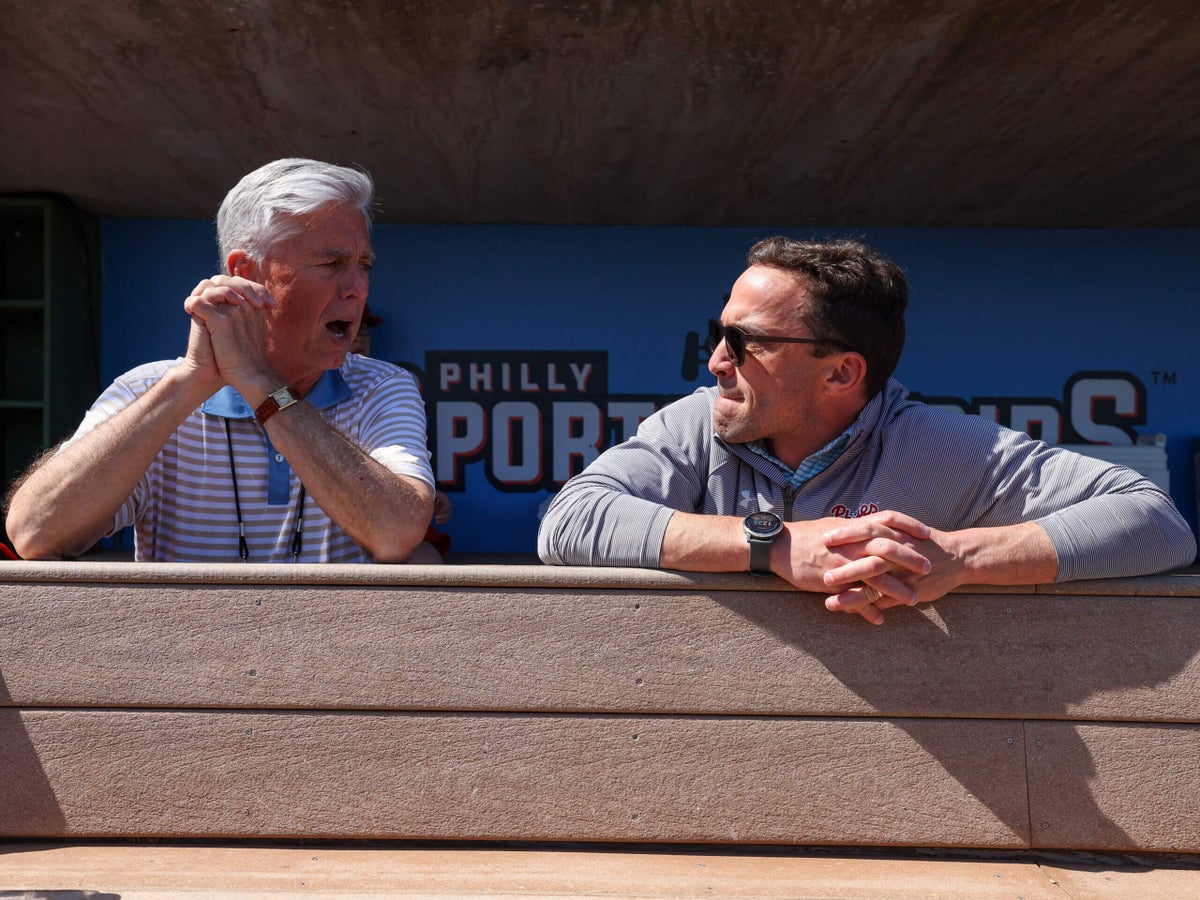
The general manager of the Philadelphia Phillies silenced his phone on a Friday afternoon in July 2024, a few days before Major League Baseball’s trade deadline, and ducked into Huntsman Hall for an accounting class. He was a student pursuing his executive MBA at the University of Pennsylvania, and he also knew the Phillies had progressed in various trade talks with rival clubs.“Well,” Sam Fuld said, “I took my studies very seriously.”So when the Phillies traded Seranthony Domínguez and Cristian Pache to the Baltimore Orioles for Austin Hays, Fuld did not see the many notifications on his phone. The deal was finalized without him.“I was not going to be in an environment to be a useful resource for the Phillies then,” Fuld said. “So I found out after the world already knew.”That is when Fuld, 44, realized his life had meaningfully changed. Last month, Fuld graduated from Penn’s Wharton School and formally assumed his new role as the Phillies’ president of business operations. It’s a rapid ascent; eight years ago, Fuld was in uniform as a Phillies coach, helping implement data-driven initiatives in the dugout. Now, the former big-league outfielder is running the business side of a multi-billion-dollar corporation.It is happening at a consequential moment, as the win-now Phillies contemplate what could lie ahead. There is so much invested in 2026, as they carry the highest payroll in franchise history, while the specter of a labor showdown looms in 2027. One of the team’s largest sources of revenue, a $2.5 billion television rights deal with NBC Sports Philadelphia that goes through 2041, is in peril because the network is lurching toward an uncertain financial future. The Phillies could explore forming their own network.Meanwhile, the Phillies are hosting the All-Star Game in July for the first time in 30 years. They are seeking a sweeping modernization of their training facilities in Florida and have considered more upgrades at Citizens Bank Park to freshen the 22-year-old building.Fuld is one of the main executives tasked with navigating these times. His transition has prompted interest across the league; Fuld was once seen as the successor to Dave Dombrowski, the team’s president of baseball operations. It’s possible Fuld could have already been running another team. Dombrowski, who turns 70 in July, is signed through 2027. Ownership, headed by John Middleton, has expressed unwavering faith in him.Much is on the horizon for the Philadelphia Phillies. (Hunter Martin / Getty Images)The Phillies do not make unilateral decisions with Dombrowski in charge, but the inner circle has shrunk; it is not unlike Dombrowski’s time in previous franchises. Following the 2024 season, months after Fuld had begun his Wharton classes, Dombrowski installed Preston Mattingly as a second general manager. It was akin to the original decision to promote Fuld to GM in December 2020 when Dombrowski joined the franchise. A younger, inexperienced executive could learn on the job while Dombrowski handles the big-league decisions.For decades, from Bill Giles to David Montgomery, the Phillies operated with a team president who oversaw baseball and business. Andy MacPhail last filled that role; Dombrowski was hired to replace him and think about baseball only.At some point, the Phillies may restore the team president role for Fuld. But that will not happen while Dombrowski is still running the baseball operation.Dombrowski is expected to retain control beyond 2027, although the two sides have no formal agreement yet. The broader, longer-term conversations are also a priority.“Assuming everything goes according to plan, how long do you want to be transitioning out from a full-time job into retirement and bringing people along?” Middleton said. “It’s the kind of organizational planning that really good companies do. … So Dave and I talk about this all the time, and have for years and years.”Fuld will have a prominent role in the club’s future. Eight years ago, he was encouraged to experiment with mid-inning switches between the left and right fielders during spring games. Now, he’s part of a group effort exploring technology to make ballpark concession lines more efficient.
Sam Fuld, player-turned-business exec, is a new Wharton grad. Up next: The Phillies’ future.
Last month, Fuld graduated from Penn's Wharton School and formally assumed his new role as the Phillies' president of business operations.
2,059 words~9 min read