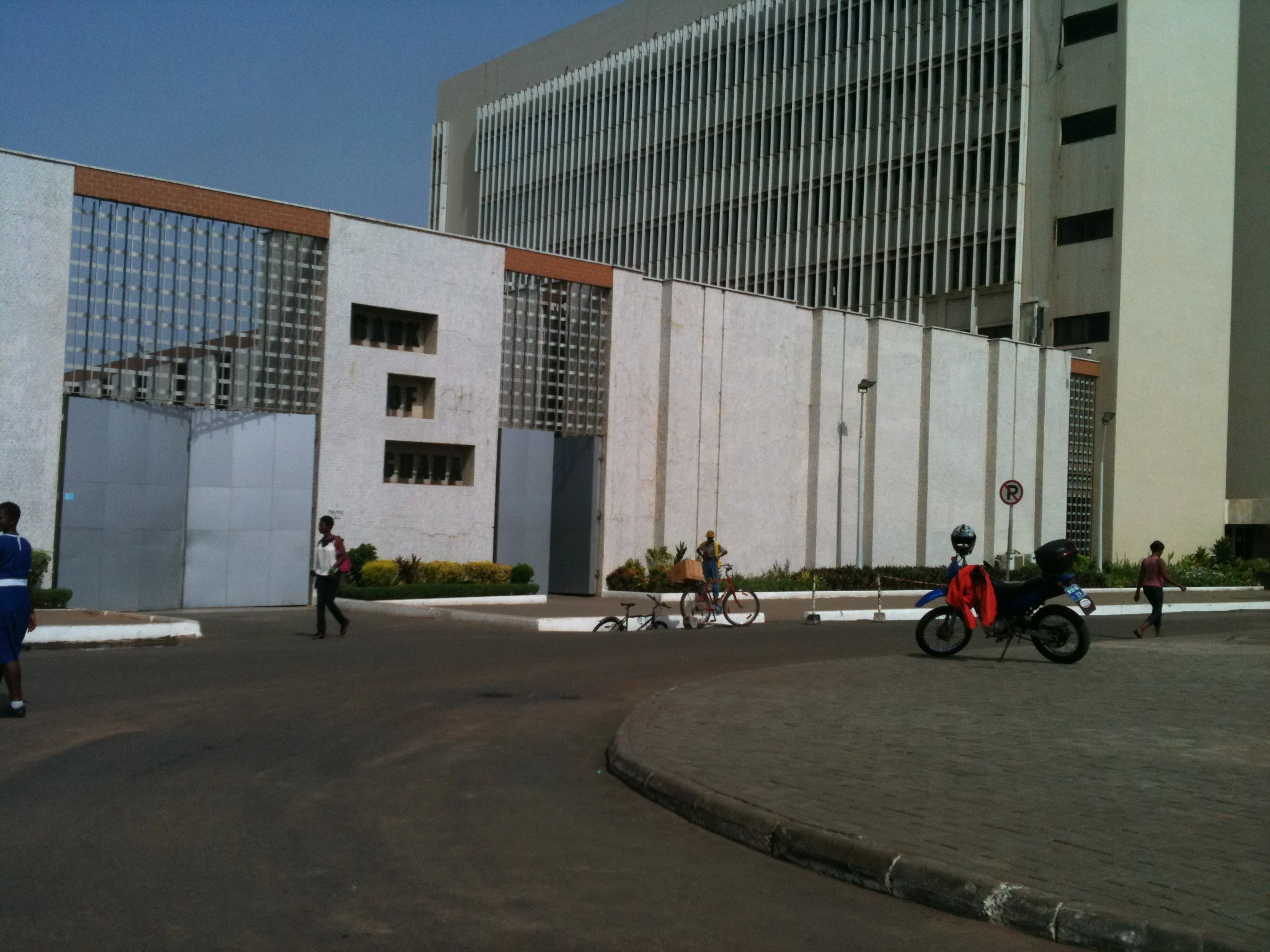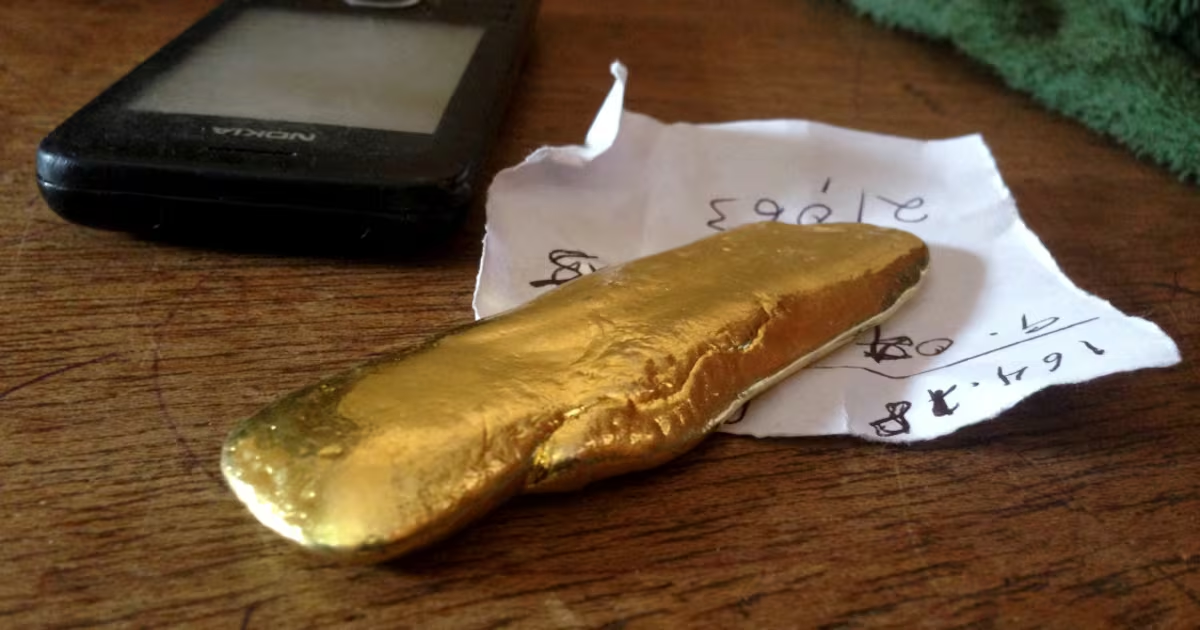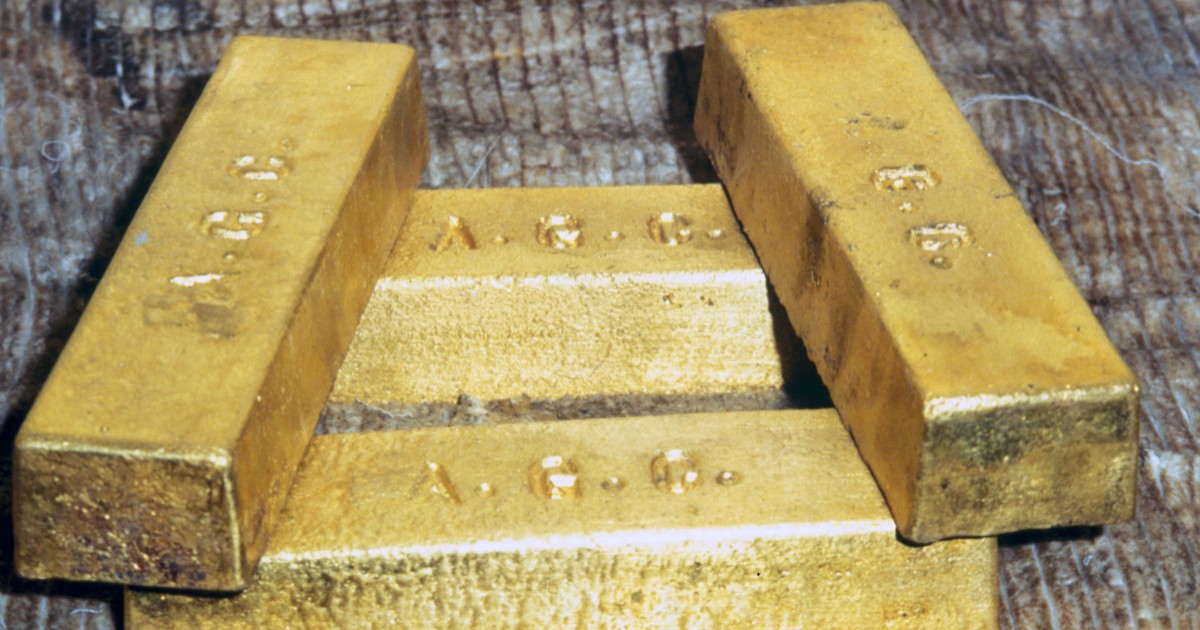
Africa’s biggest gold producer is moving to keep more of its bullion at home instead of allowing it to flow directly into international markets, as Ghana expands state purchases in a strategy aimed at rebuilding foreign reserves, strengthening its currency and capturing more value from one of its most important exports.
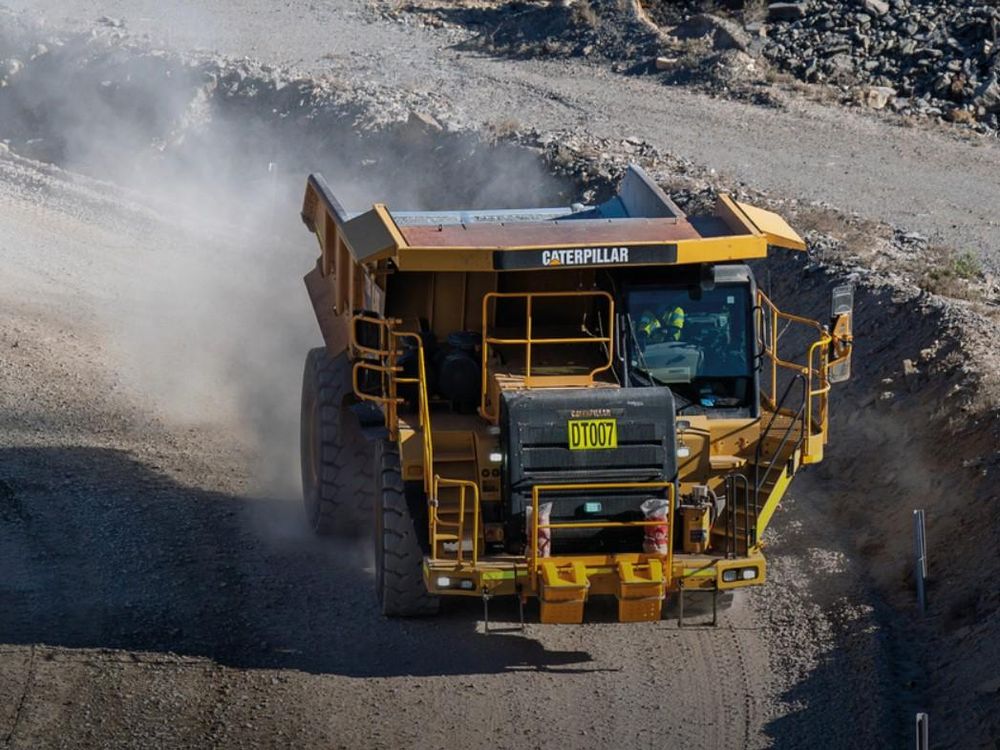
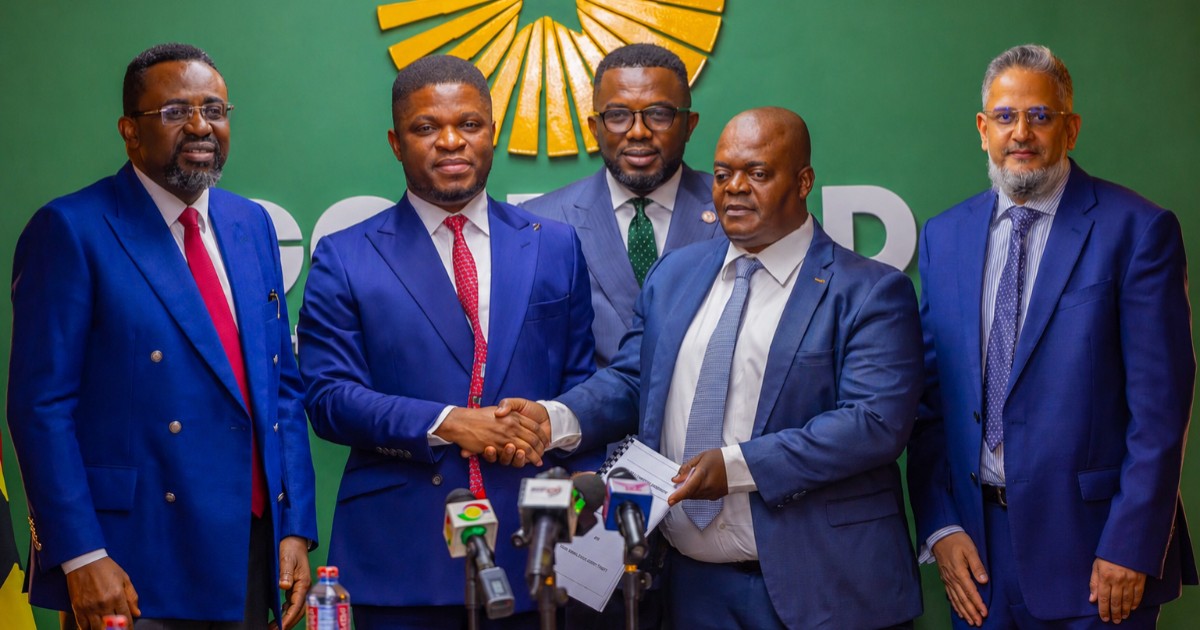
Beginning July 1, large-scale mining companies operating in Ghana will be required to sell 30% of their gold output to the state-owned Ghana Gold Board (GoldBod), up from the previous 20% requirement.
The agreement, reached through the Ghana Chamber of Mines, was announced on Thursday and covers gold supplied in doré form, semi-refined bars produced before final refining.
The revised arrangement forms part of Ghana’s broader effort to build a stronger financial buffer after years of economic turbulence, while positioning the country to play a bigger role in the global bullion value chain rather than remaining primarily an exporter of raw gold.
Gold has become an increasingly important reserve asset for central banks around the world. Record bullion prices, persistent geopolitical tensions and efforts by many countries to diversify reserve assets have driven central banks to accumulate gold at one of the fastest rates in decades.