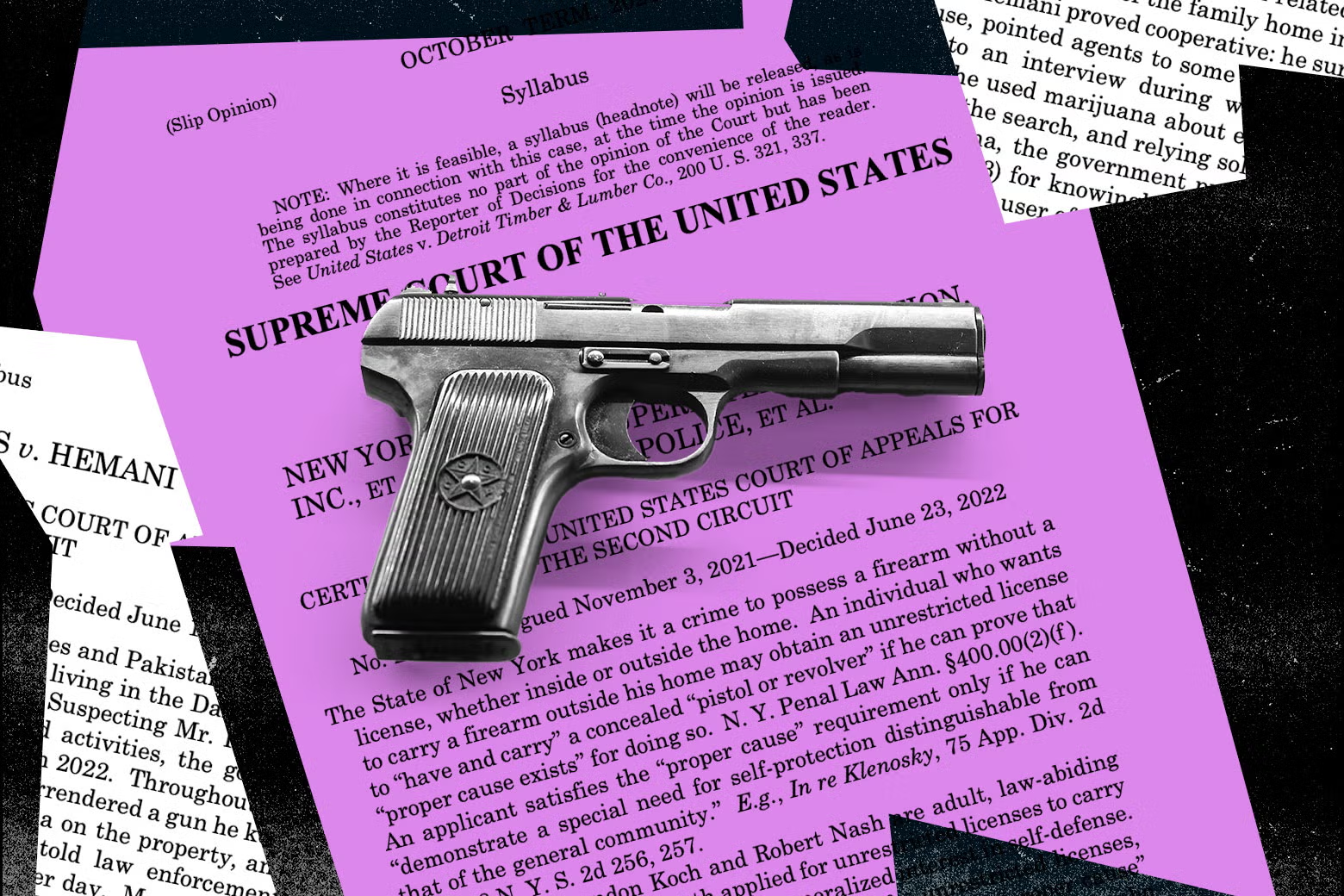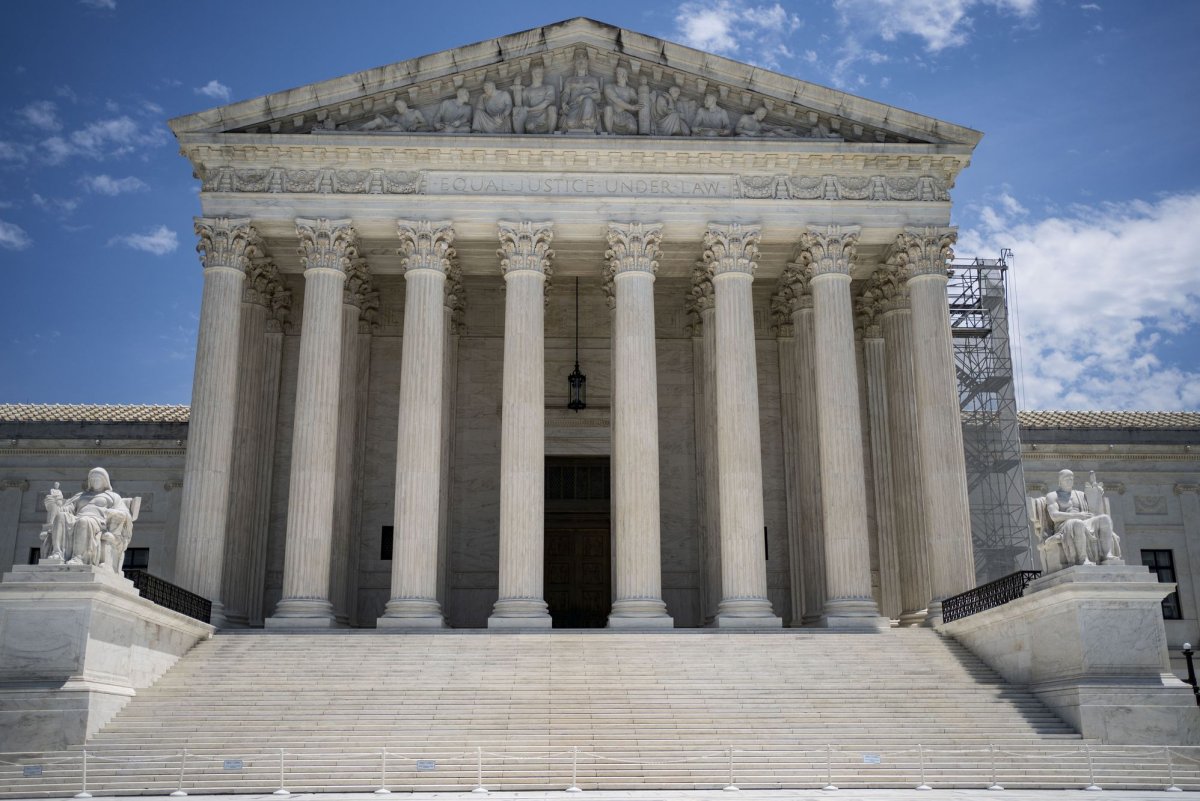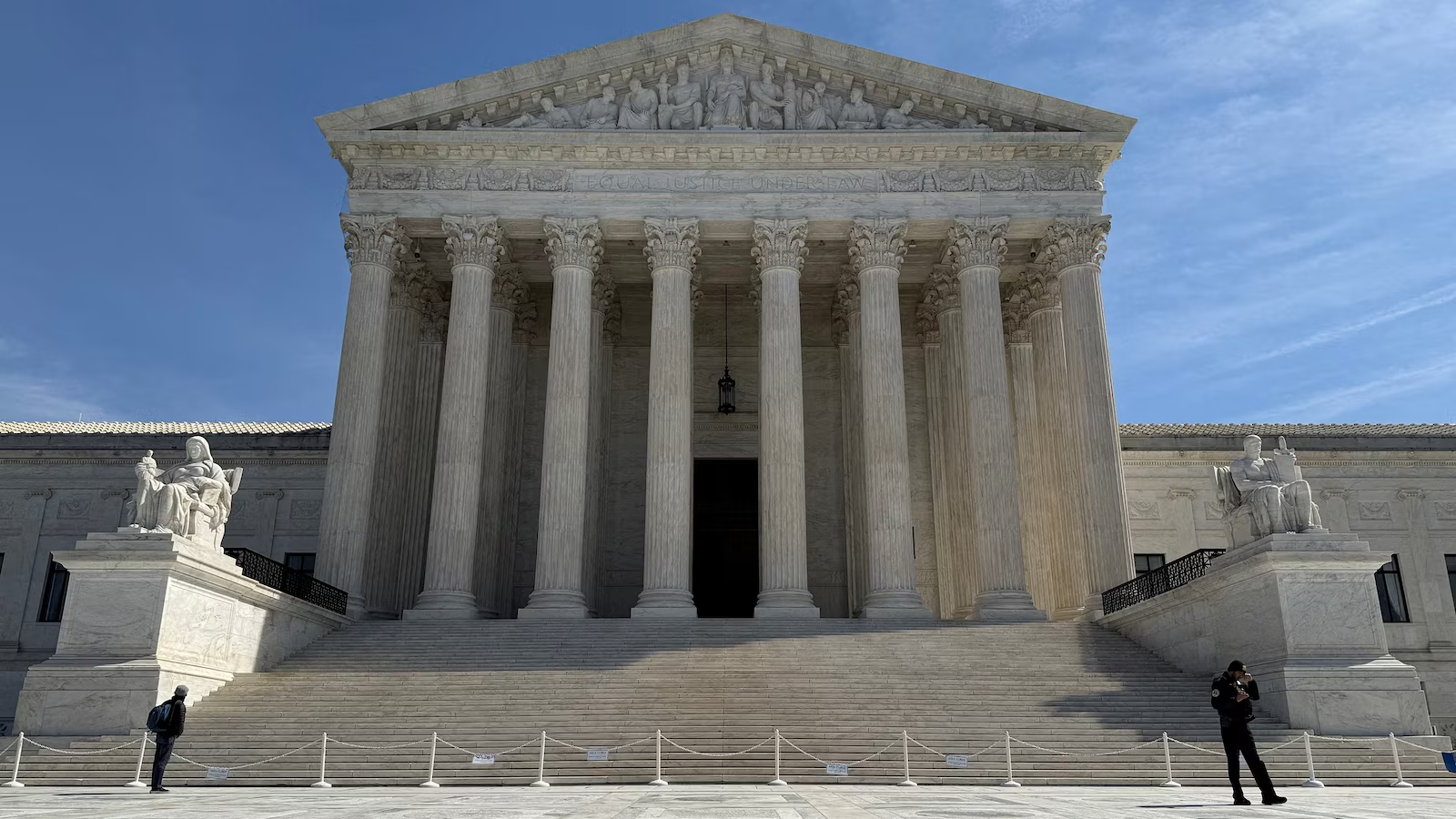
Few public policy issues divide Americans as deeply as laws regulating gun ownership or the recreational use of marijuana. Yet, last week, the Supreme Court issued a unanimous decision in United States v. Hemani, a case in which unlawful drug use collided with the right to keep and bear arms. This rare showing of unity on such contentious issues was perhaps more surprising for its unlikely victor — not the federal government, but the marijuana-smoking gun owner whose criminal prosecution the court deemed an affront to the Second Amendment.The court’s unanimous Hemani opinion was clearly correct and reinforced core tenets of its Second Amendment jurisprudence: the government may disarm dangerous people, but doing so requires it to carry a high burden of proof grounded in long-standing historical principles. While the government failed (quite miserably) to carry its burden for disarming one unlawful drug user, it still might prove capable of disarming other drug users under different circumstances. Astoundingly, many headlines and social media hot takes have twisted this straightforward, if narrow, vindication of a particular marijuana user into a broad judicial victory for all recreational drug users. Some commentators have all too eagerly framed Hemani as universally sanctioning gun rights for marijuana smokers or declaring that habitual marijuana use can never be a reason for the government to disarm a person. Others have insinuated that the ruling vindicates Hunter Biden, whose various criminal convictions included a charge under the same federal statute.
A pothead gun owner won in court. But don’t light the joint just yet
The Hemani ruling is a victory for gun rights activists, but not so much a victory for drug addicts as is being claimed.
920 words~4 min read