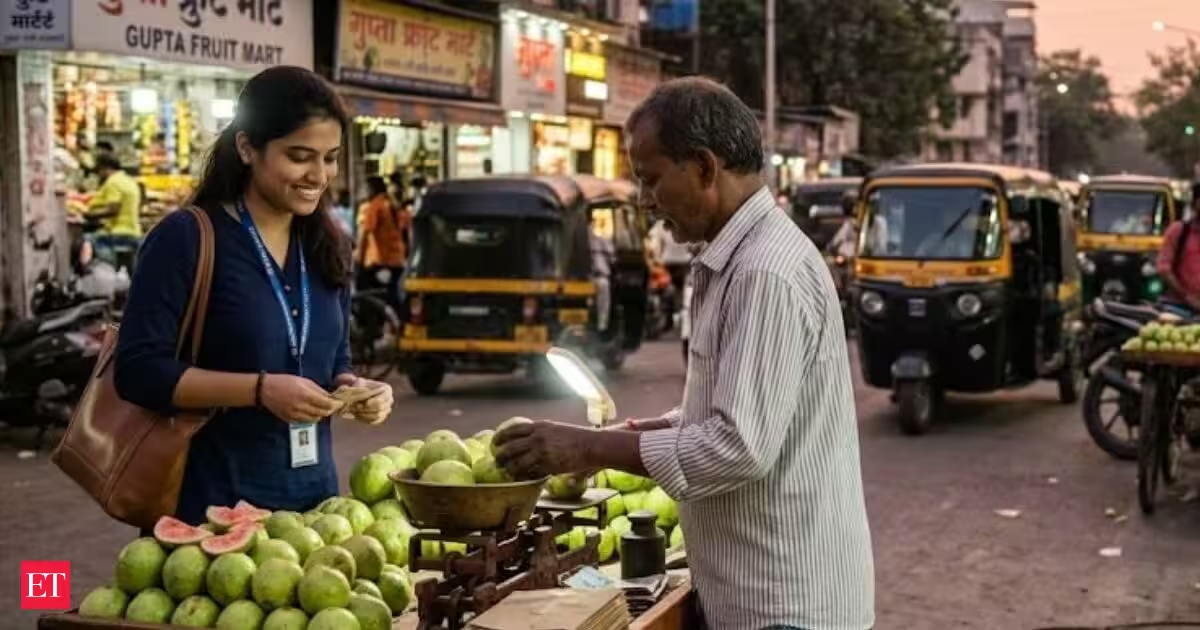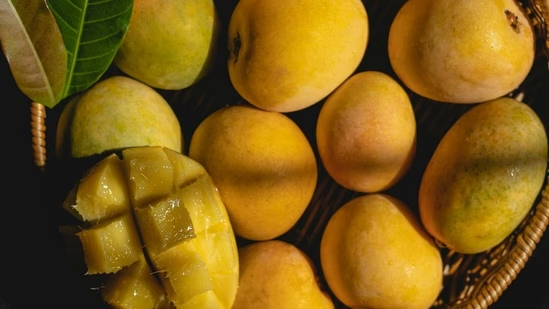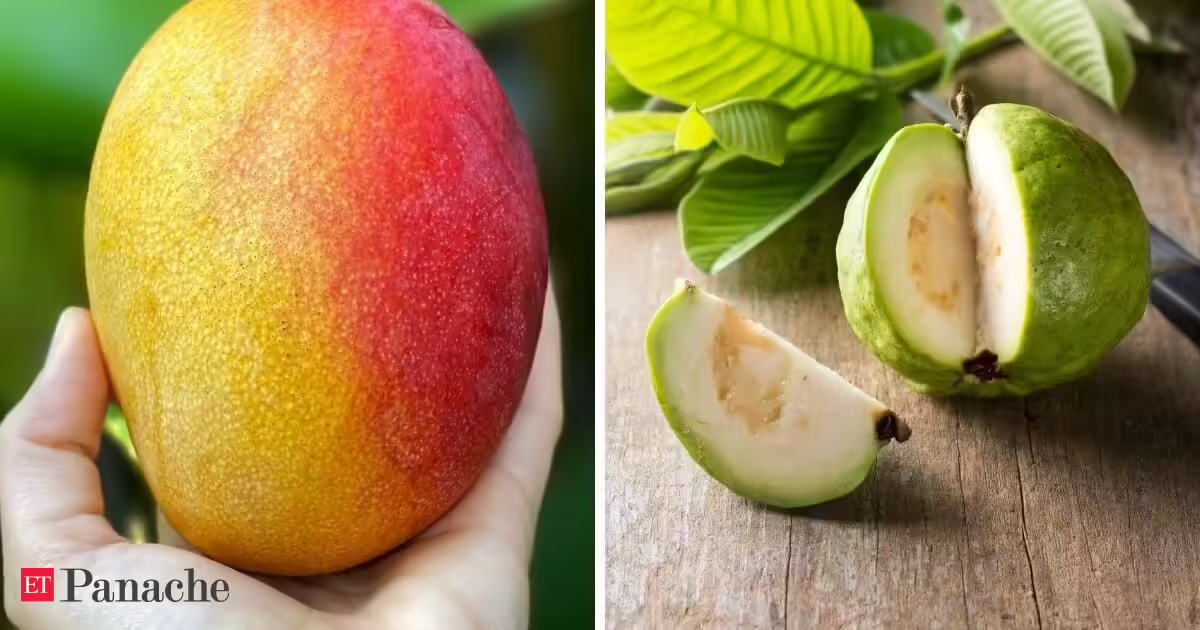
A simple fruit purchase during a day out has sparked an online conversation about whether tourists are often charged significantly more than locals. From holiday destinations to popular attractions, many travellers have experienced paying premium prices for everyday items. Now, a techie's post highlighting the cost of fruits inside one of Mumbai's most visited parks has reignited the debate, with social media users questioning whether these prices are justified or simply part of the "tourist tax."The discussion began after techie Rutu shared a post on X about the prices she encountered during a visit to Sanjay Gandhi National Park in Mumbai. Sharing a list of fruit prices, she wrote, "This is what we get while travelling," before detailing the rates inside the park.According to her post, a single guava was priced at Rs 30, one mango cost Rs 70, while a cucumber was selling for Rs 20 each. Comparing the rates to regular market prices, Rutu remarked that the "tourist prices" were "on another level," suggesting visitors were paying a significant premium simply because they were inside a popular tourist destination.— rutu609 (@rutu609) Internet reactsThe post quickly caught the attention of social media users, many of whom shared similar experiences from tourist spots across the country. While some agreed that prices at attractions are often inflated, others pointed out that vendors operating inside parks and tourist destinations usually face higher operating costs, including licensing fees, transportation, and limited selling opportunities, which may influence pricing.MORE STORIES FOR YOU✕« Back to recommendation storiesI don't want to see these stories becauseThey are not relevant to meThey disrupt the reading flowOthersSUBMITThe conversation also highlighted a familiar dilemma for travellers. Whether it's bottled water, snacks, souvenirs, or fresh produce, purchases made at airports, amusement parks, hill stations, or national parks often come with noticeably higher price tags than those found outside.For many users, the post served as another reminder to carry essentials before visiting tourist attractions if they want to avoid paying premium rates. Others argued that occasional higher prices are simply part of the convenience of buying items inside recreational destinations.
Rs 70 for one mango, Rs 30 for a guava? Techie's post from a Mumbai National park sparks debate
A recent social media post detailing inflated fruit prices at Mumbai's Sanjay Gandhi National Park has reignited the debate on whether tourists are consistently overcharged. While some users shared similar experiences, others defended higher prices due to increased operating costs for vendors in tourist zones. The discussion serves as a reminder for travelers to consider carrying essentials to avoid premium pricing at popular attractions.
347 words~2 min read