By
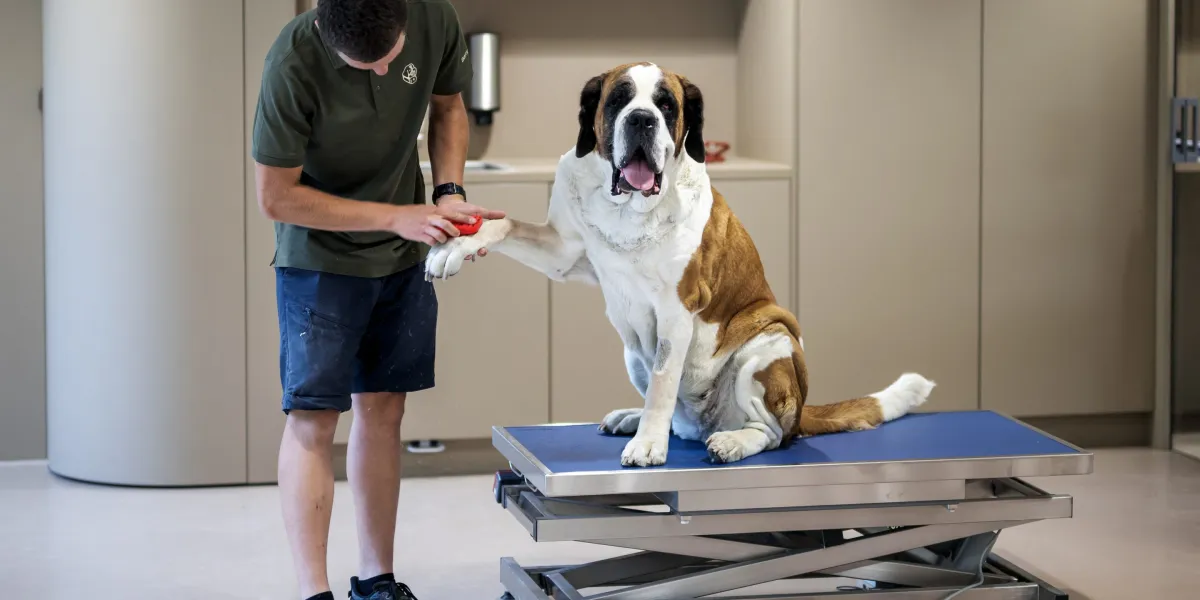
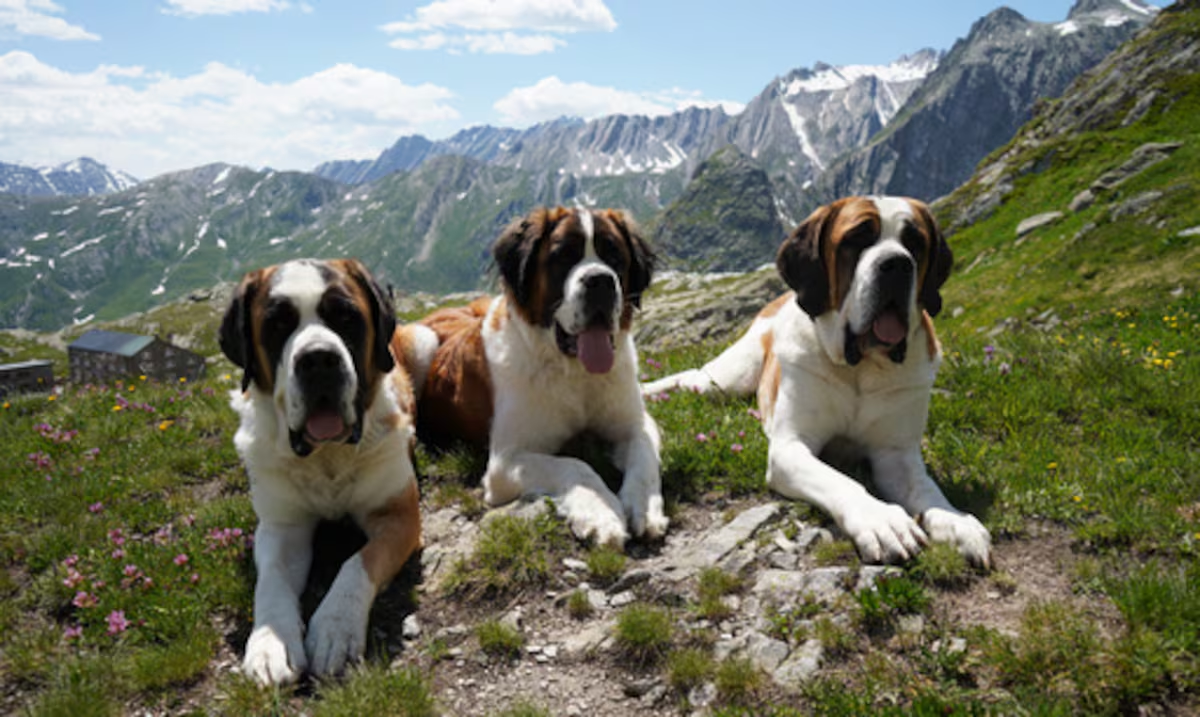
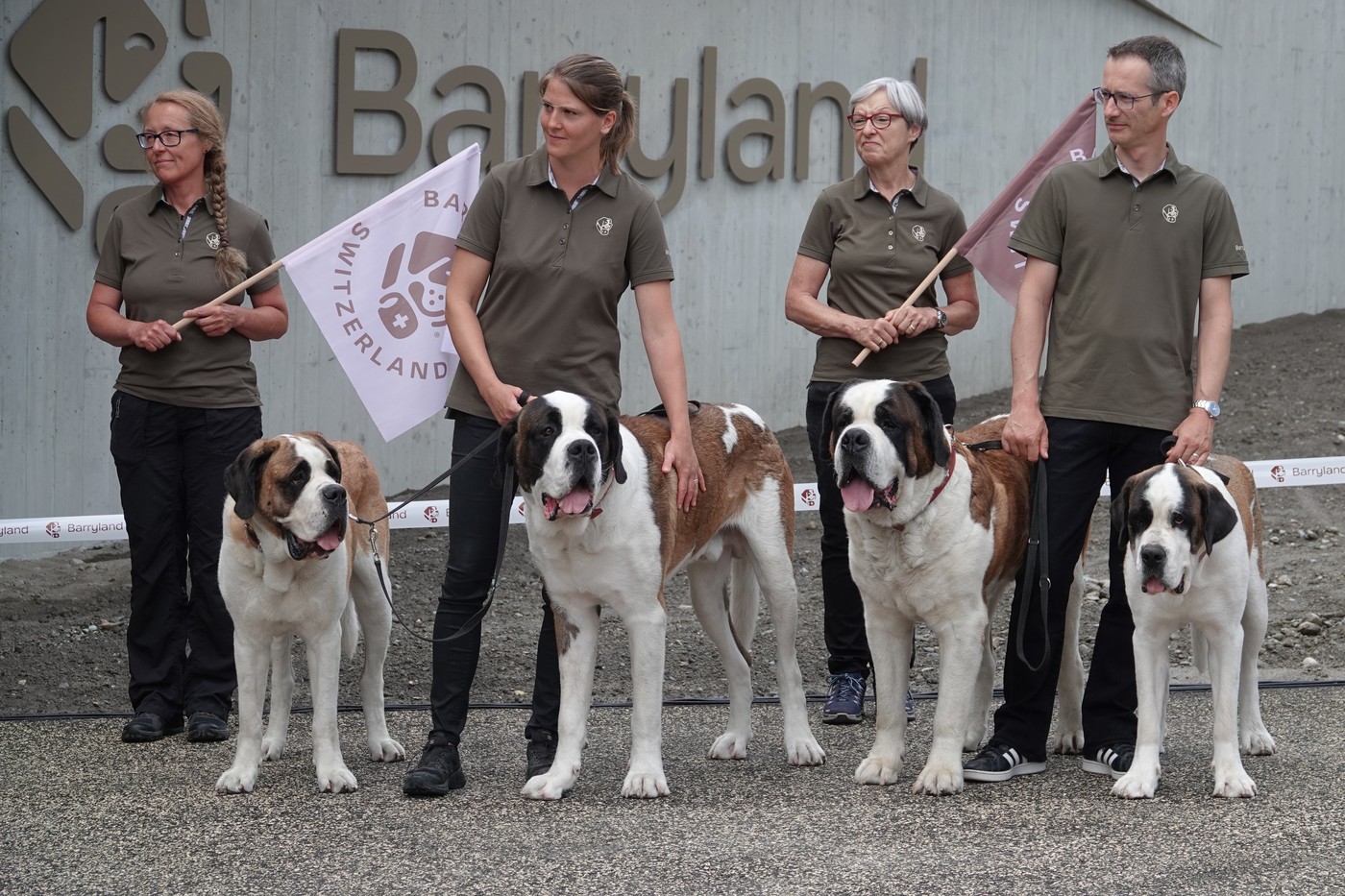
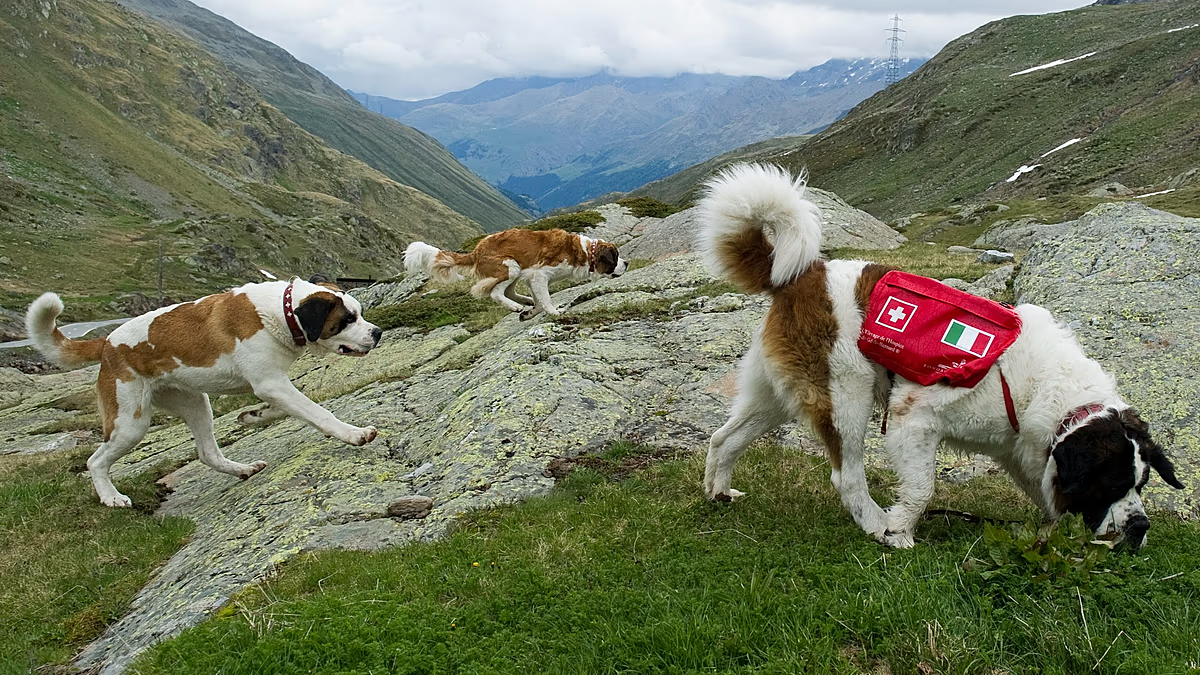
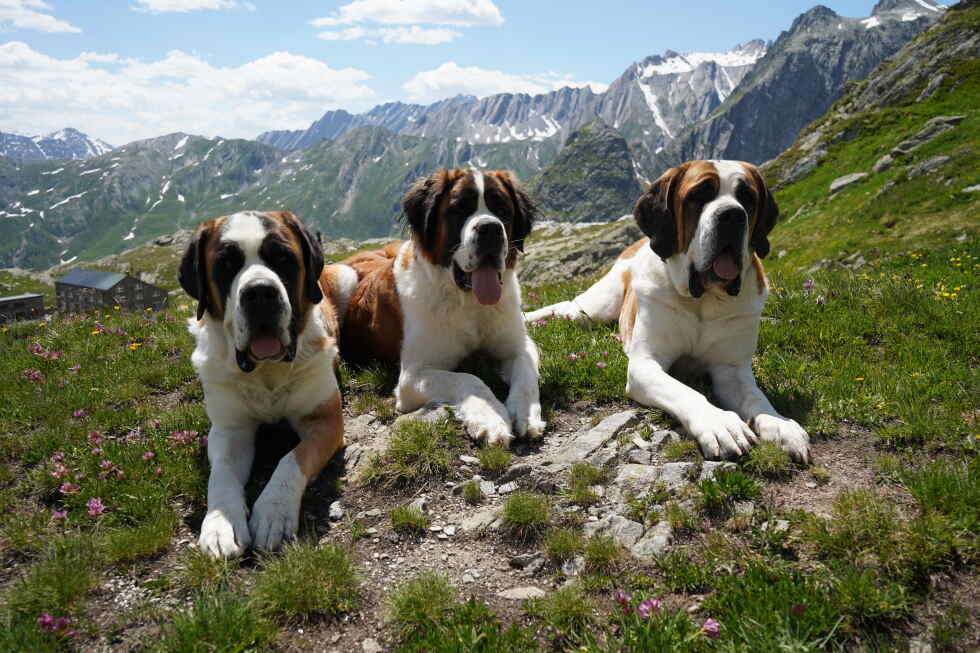
BOURG-SAINT-PIERRE, Switzerland (AP) — At the Great St. Bernard Pass high in the Swiss Alps, the eponymous dogs still walk the same mountain paths their ancestors patrolled for hundreds of years to find travelers buried beneath the snow. Down in the valley, a living museum honoring the Swiss national dog’s history — and its future — is marking its first year.More than 130,000 people have visited Barryland, the world’s only space dedicated to St. Bernards, since it opened last summer in Martigny, Switzerland, after outgrowing a much smaller space. Tourists can watch live grooming and physiotherapy sessions, explore the mountain pass with augmented reality technology and learn more about the dogs.“We have a lot of demand and interest for this breed and this whole history and patrimony,” said Barryland director Mélanie Glassey-Roth. “So we decided to create a new park, a big one.”
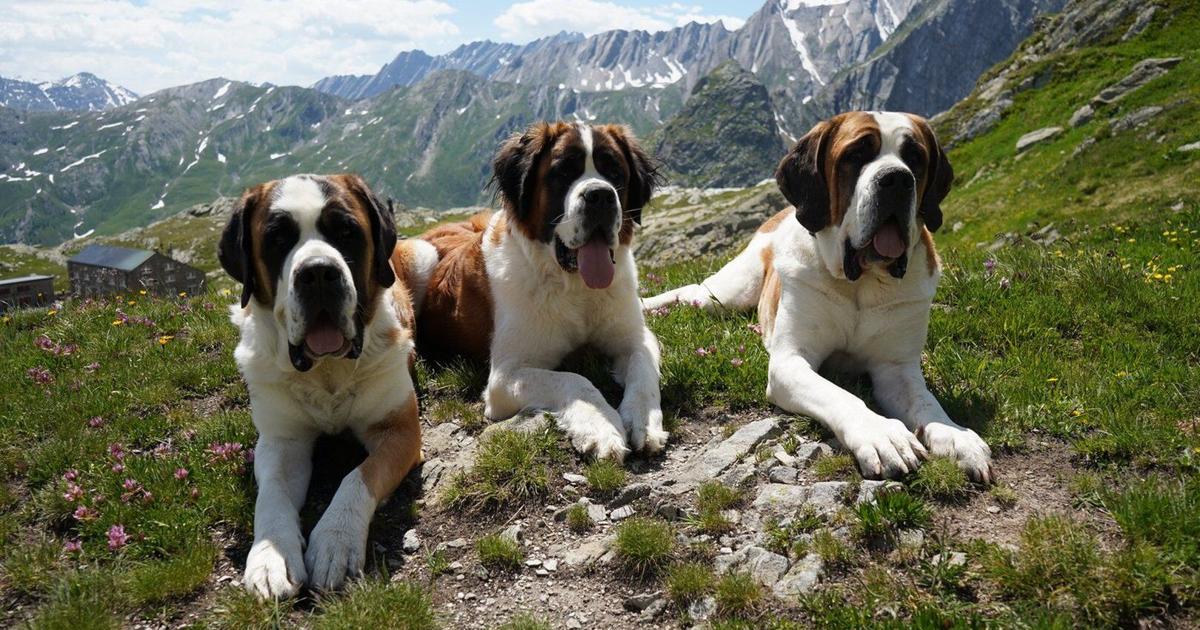
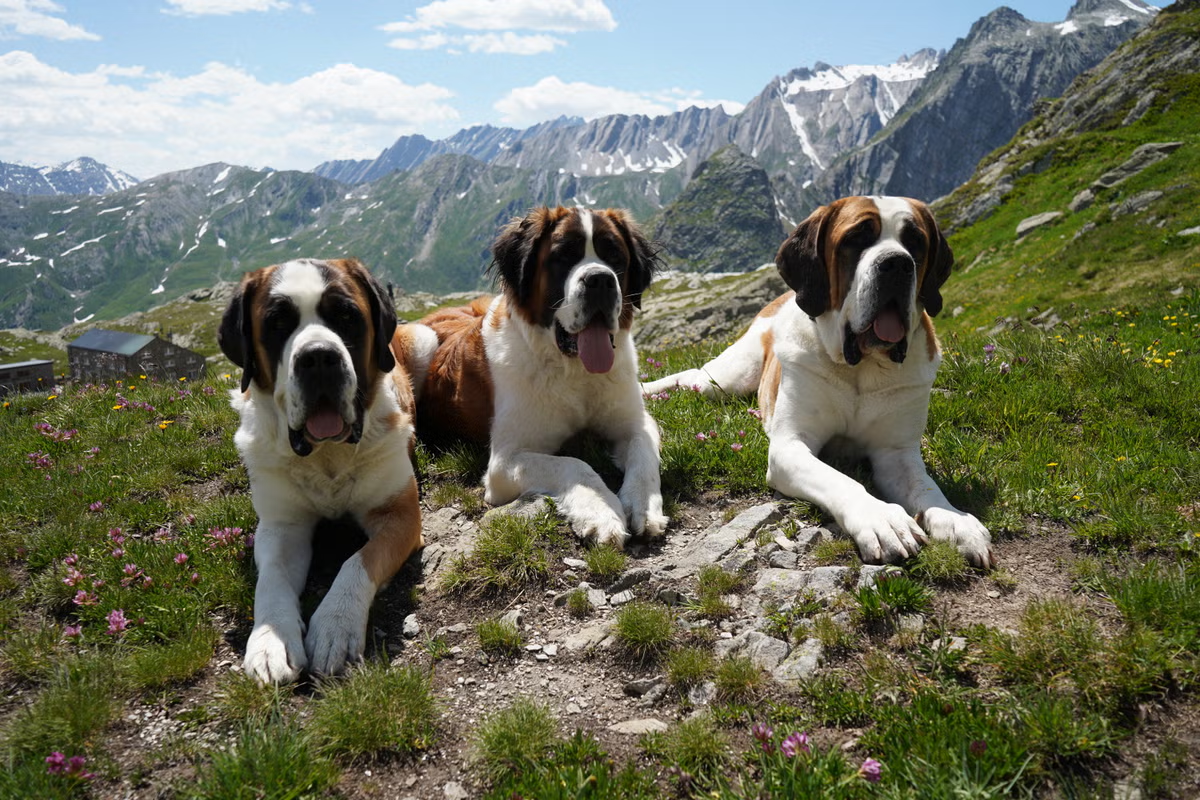
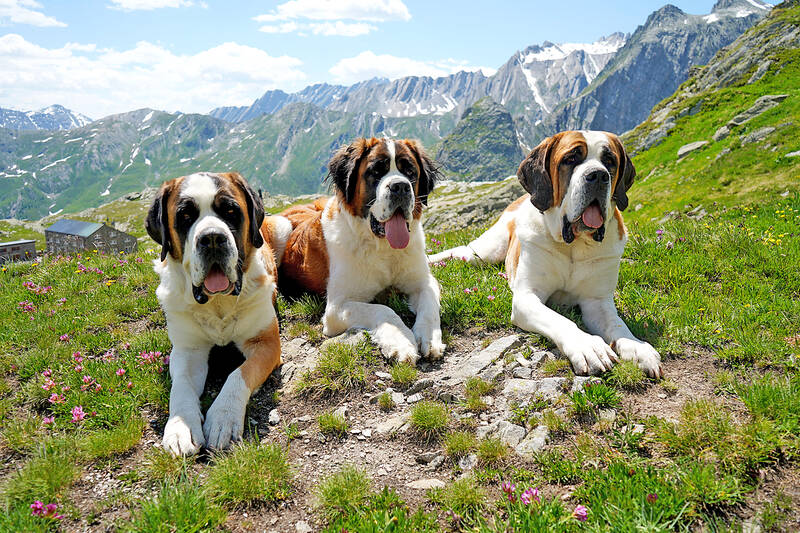
At 2,469 meters (8,100 feet) above sea level on the Swiss-Italian border, the Great St. Bernard Pass is one of the country’s highest and most treacherous. Since the mid-17th century, large mountain dogs have been kept on the pass. They arrived as guard dogs, became companions, and gradually evolved into something the Alpine world had never seen before: Animals with an extraordinary instinct for locating hikers lost in snow and fog.