On Tuesday STAT reported on a mystery patient with obesity, sleep apnea, and pulmonary hypertension who’d received an obesity drug not yet approved by federal drug regulators. The identity of the 79-year-old who won access in April to the Eli Lilly experimental drug retatrutide under a compassionate use program — typically reserved for people who are terminally ill — is still unknown.
But the report has raised interest in pulmonary hypertension. Given the unusual circumstances of the application, STAT had asked the White House if the patient was President Trump. After initially demurring, a spokesman said after publication that the drug was not for the president.
STAT asked medical experts to explain what pulmonary hypertension is and whether they think the newest class of obesity drugs might help. There’s no easy answer, they said, in part because “pulmonary hypertension” is an umbrella term covering vastly different disease states, with different causes and treatments.
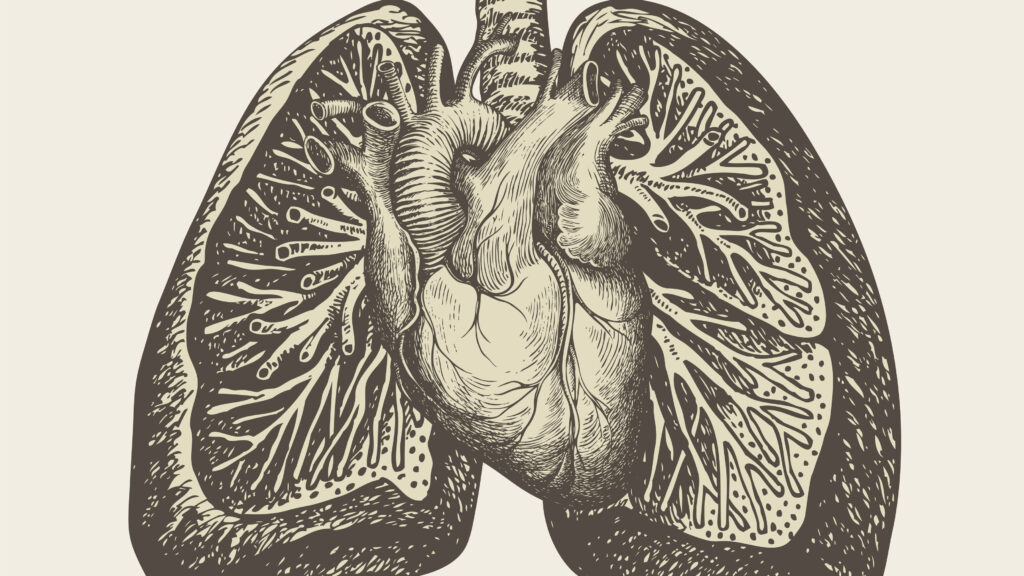
“Pulmonary hypertension is nothing more than elevated blood pressure in the blood vessels of the lungs,” Paul Forfia, who directs the Emory Healthcare Pulmonary Hypertension, Right Heart Failure and CTEPH Program, told STAT. “That can be something that is very serious and life-threatening and life-altering, or it can be a whole lot of nothing, depending on the type of pulmonary hypertension that someone has.”