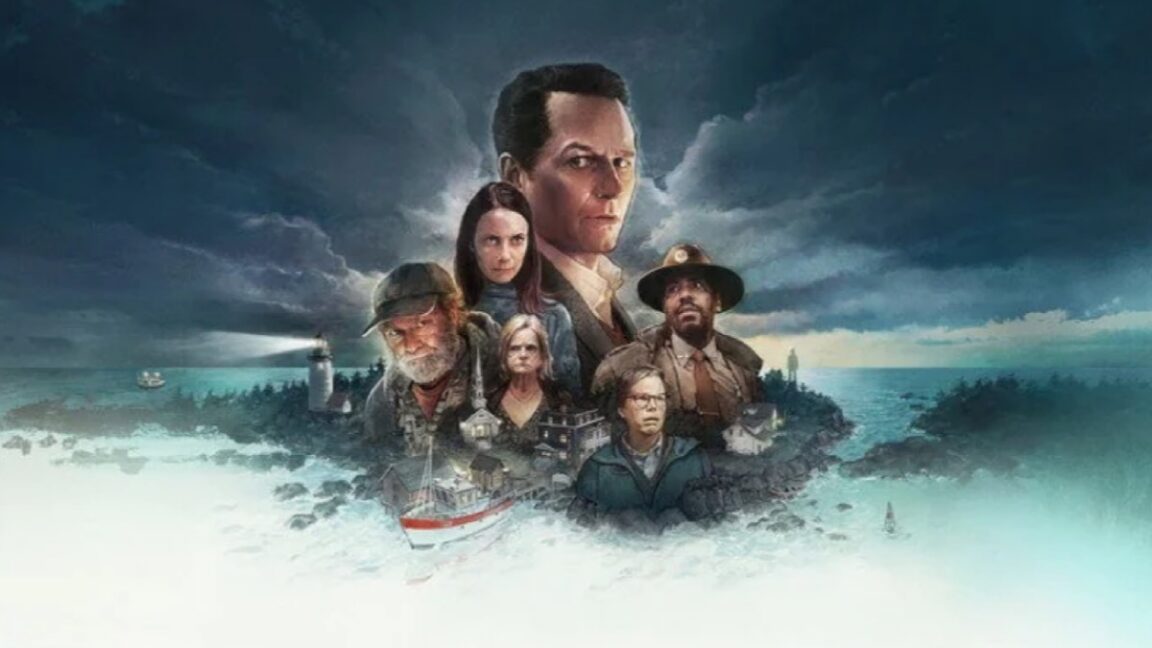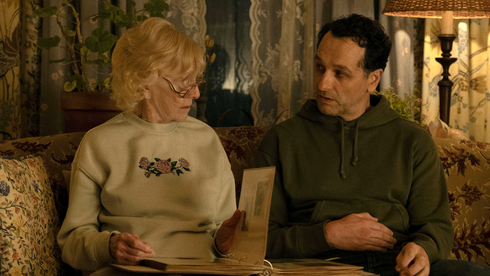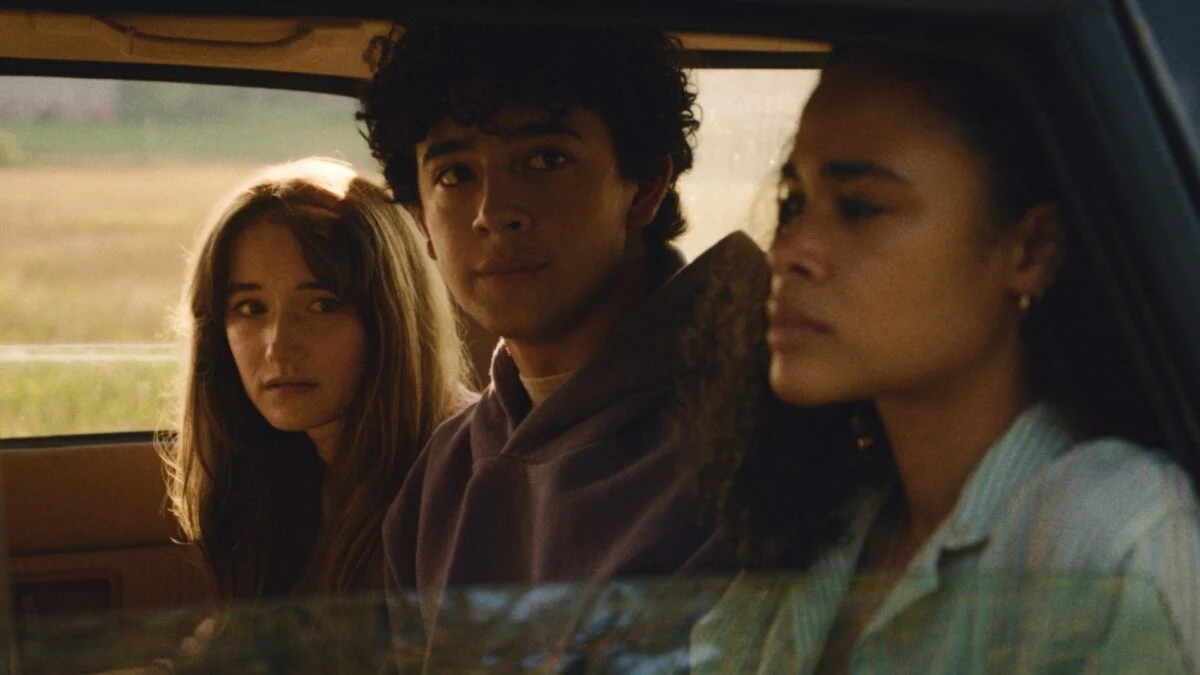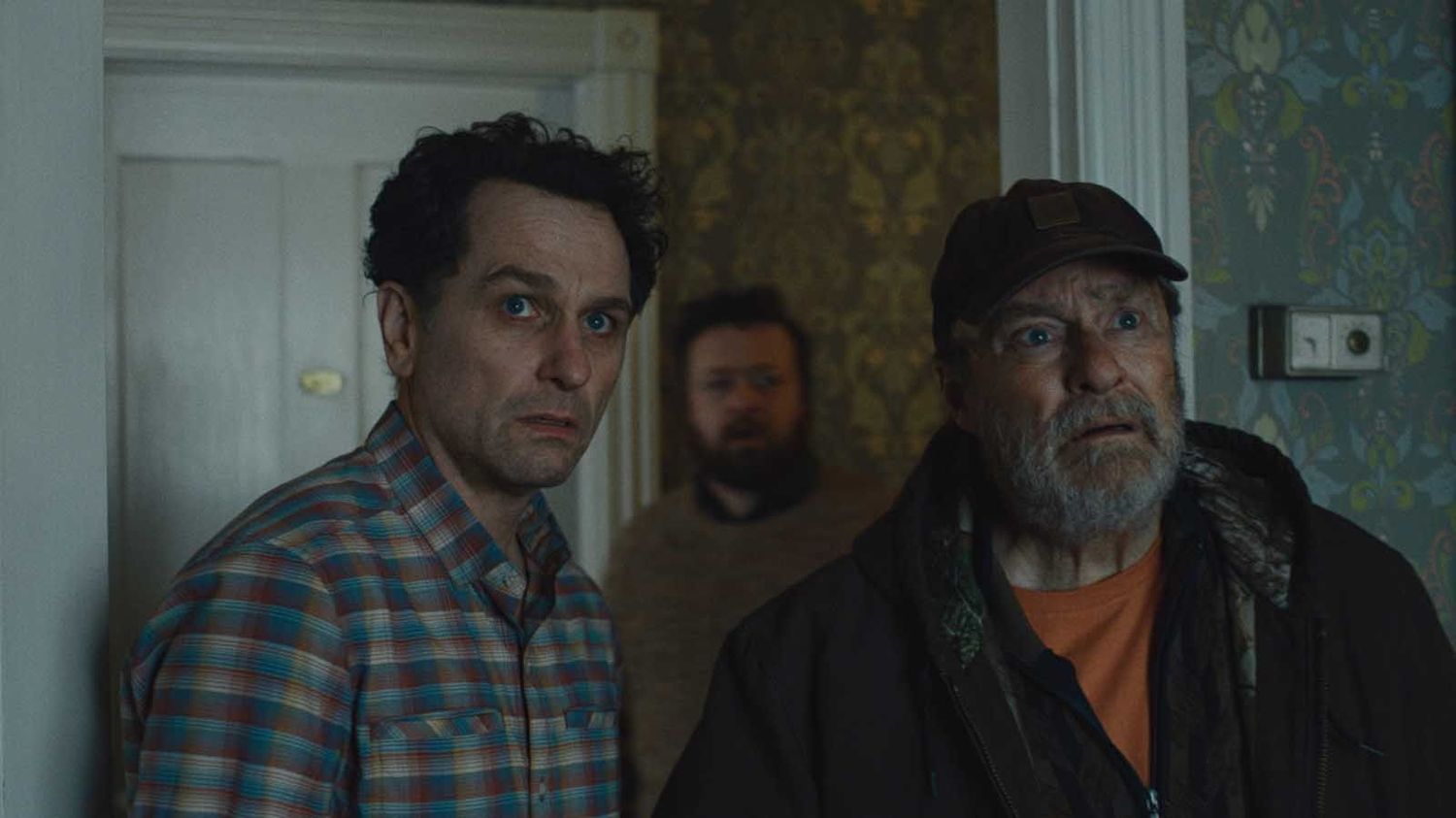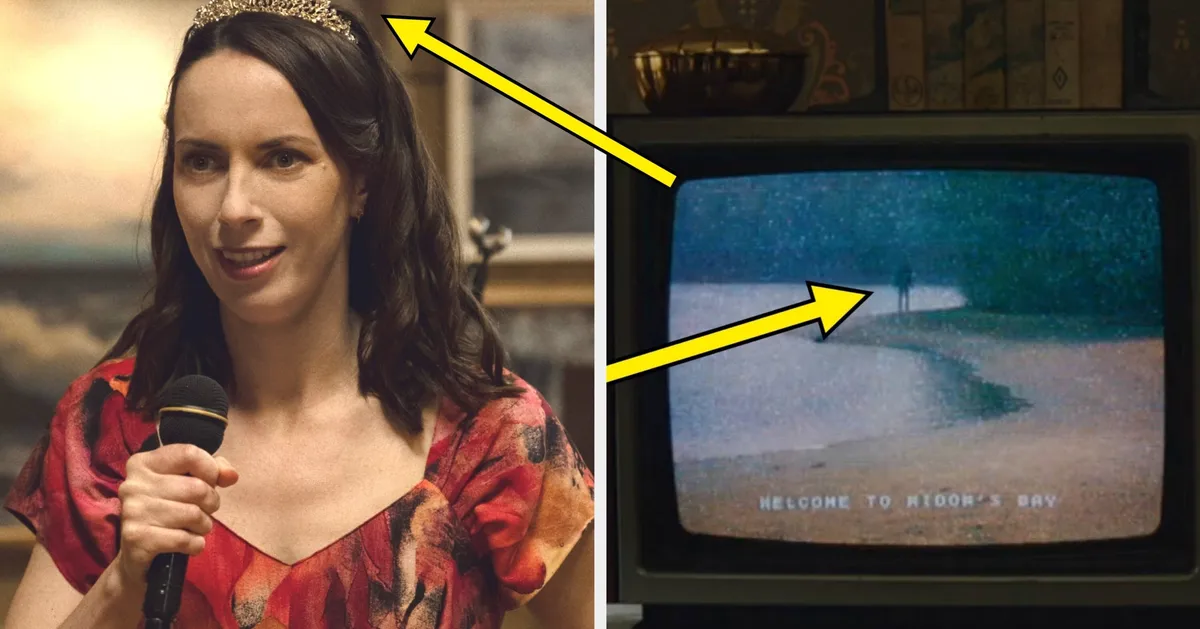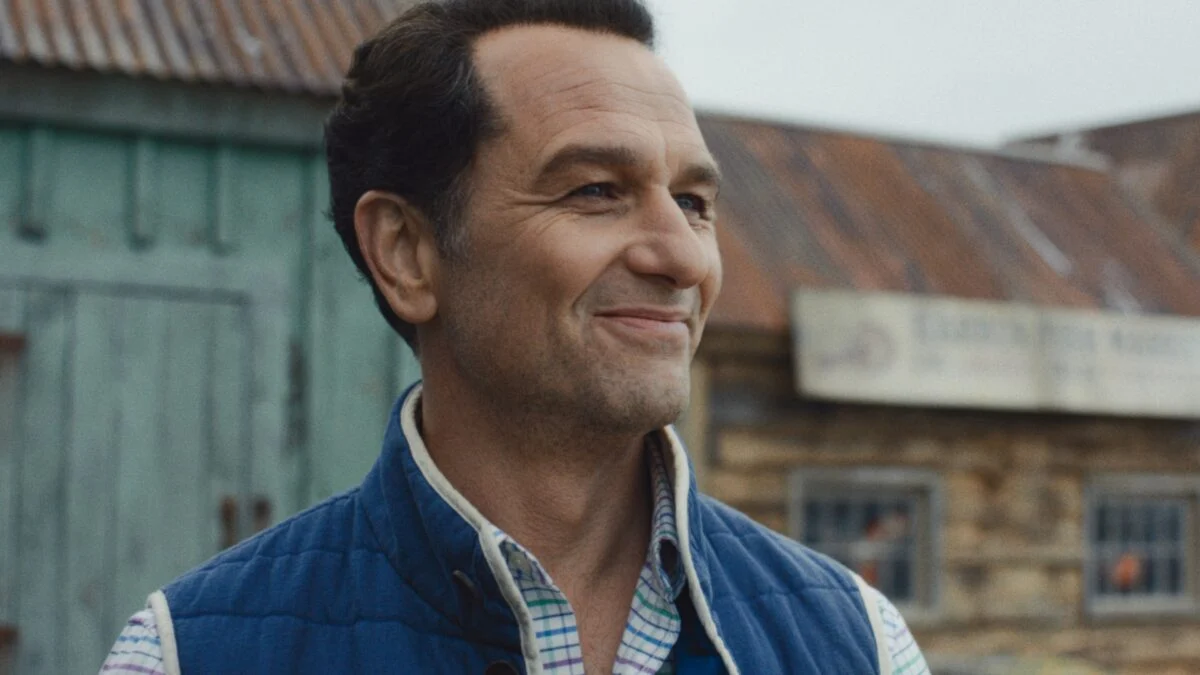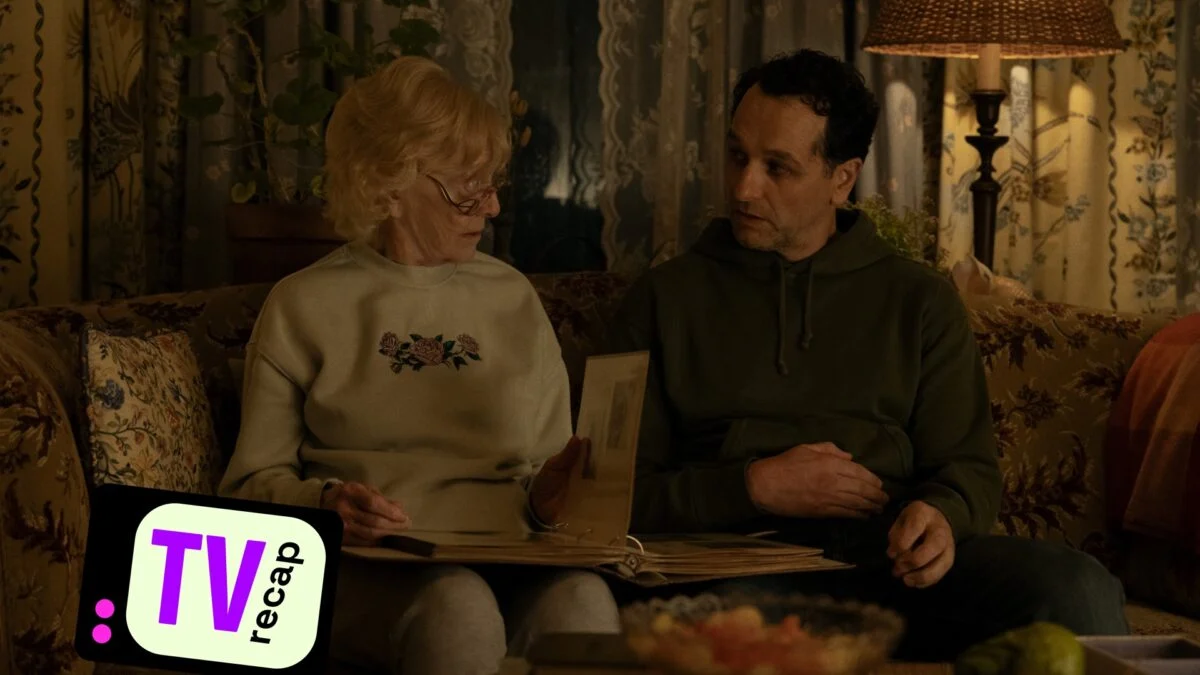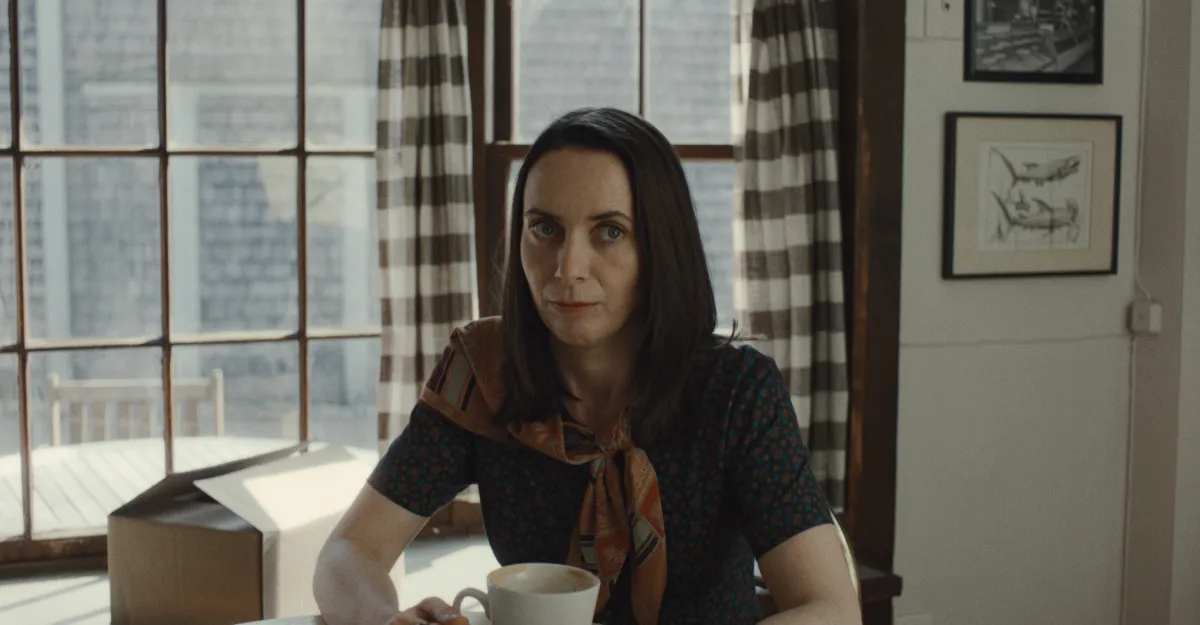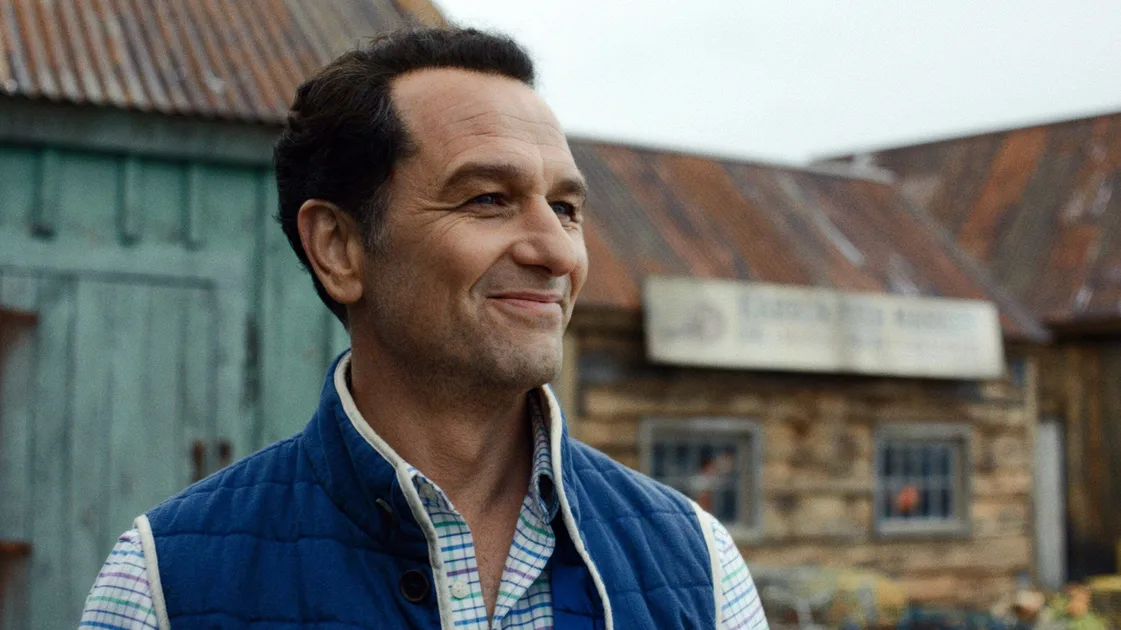
“Widow’s Bay,” a new Apple TV show, is a masterclass in blending horror and comedy that will make you laugh out loud one minute and pee your pants from fear the next.©Apple TV+ / Courtesy Everett CollectionCreated by Katie Dippold, who was also a writer on “Parks and Recreation,” the show depicts a fictional island off the coast of Massachusetts called Widow’s Bay, where Mayor Tom Loftis, played by Matthew Rhys, is faced with supernatural experiences that are exclusively located on the island.Robert Clark /©Apple TV+ / Courtesy Everett CollectionWhile secrets unfold in each episode, unveiling what’s truly causing the horrors on the island, Easter eggs and horror tropes can be seen throughout the season, paying homage to decades of thrillers and scary movies.Robert Clark /©Apple TV+ / Courtesy Everett CollectionIn a Rolling Stone interview with executive producer and director Hiro Murai (who also worked on “Atlanta” and “Barry”), he said, “We tried not to do too many things where it was a conscious homage or a pastiche. What’s so great about those original pieces, like Stephen King movies or some of these John Carpenter movies that we’re referencing, is they evoked a very visceral, raw feeling.”He added, “We tried to reverse engineer that feeling rather than doing the aesthetic hallmarks of it. And ultimately, the premise of the show is insane horror tropes are happening to boring, normal people.”Well, now that Season 1 has sadly just ended, here are some of the best Easter eggs and horror tropes that were found in all 10 episodes that will give you an excuse to either rewatch the season or finally jump on the “Widow’s Bay” mania until we get Season 2.©Apple TV+ / Courtesy Everett Collection🚢🌊 There are obviously MASSIVE spoilers ahead for “Widow’s Bay” and other famous horror films, such as “IT,” “Jaws,” “Halloween,” “The Blair Witch Project,” and more. 🚢🌊First up, we have the "Widow's Bay" title card that seems to pay homage to Stephen King novels and short stories. Dippold was asked about any references to the design in an interview with Comic Book Resources: "You know, the people that designed it, they had designed a couple of different things, and this is one they did, and it just was perfect," she began. "And what I love about it is that it just taps into a kind of Stephen King nostalgia — and that's what struck a chord for me."In fact, Stephen King is a huge influence on the show. Murai expanded on this in the same Rolling Stone interview: "We’re playing in a sandbox that he built. That Northeast setting, the extraordinary happening to ordinary people. This genre is his playhouse," he explained.Apple TVHowever, Stephen King isn't the only thriller and horror king that's been referenced in "Widow's Bay." For instance, in Episode 1, the opening scene has the same spooky vibes as Steven Spielberg's dark intro in "Jaws."Speaking of "Jaws," Widow's Bay is very similar to Amity Island. This also applies to the costumes, which included dated, secondhand items that were "bathed in a brown patina," which costume designer Alex Bovaird called “Jaws Tech." In an interview with Whatever, Nevermind Substack, she said, “[Writer-creator Dippold and director Murai] hired anybody who was into "Jaws" and "Twin Peaks"...I remember [Murai describing the show’s tone] like ‘American nostalgia trapped in amber.’”Apple TVOnce Tom is inside Widow's Bay Town Hall, this extra in a blue button-down walks into view. He looks eerily familiar, doesn't he? Maybe a mix of a young Spielberg and Matt Hooper sans glasses from "Jaws"?Apple TVI also like to believe that the characters who work in government are named after famous horror and thriller characters or actors. For instance, Rosemary and Ruth are from "Rosemary's Baby"; Dale is from "Twin Peaks"; Gerrie sounds like Stephen King's "Carrie"; Tom could pay homage to horror icon Tom Atkins; and Patricia could be a connection to Patricia Hitchcock, Alfred Hitchcock's daughter.Apple TVAlso, doesn't Patricia look like Wendy Torrance (Shelley Duvall) from "The Shining"? Not only does her hair — sans bangs — match, but also her clothes, especially in the first couple of episodes.However, for Wyck, he is 100 percent the Quint of "Widow's Bay." If you remember, Quint from "Jaws" is the fisherman who loathes sharks. Wyck? He is also a fisherman who hates a similar evil: the island's curse.Also, did you notice that each letter from every paragraph of the "Cannibalism in God's House" article spells out "S.O.S D.A.M.N U.S"?Apple TVProduction designer Steve Arnold said in an interview with The Set Set that the curtains and the large light fixture in the middle of the kitchen match the police chief’s house from "Jaws."Apple TVLater in the first episode, Wyck explains to Patricia and Tom that the Fog steals souls during stage one of the curse, turning people's eyes white. I like to believe this is a subtle nod to "The Exorcist," where Regan's eyes turn white when she becomes possessed by Pazuzu.When The New York Times travel writer and Tom meet for dinner, he tells Tom, "I honestly don't understand why this place isn't Martha's Vineyard." This is a nod to "Jaws," since that's where the movie was filmed.Apple TVWhen Tom yells at the restaurant customers, "There's something in the fog," this is a direct reference to — you guessed it — the movie, "The Fog." The iconic copy that was on the film's poster reads: "Lock your doors. Bolt your windows. There's something in the fog!"Apple TVIn Episode 2, the haunted Breakwater Inn on "Widow's Bay" pays homage to the Bates' home from Alfred Hitchcock’s "Psycho" and Edward Hopper’s painting, “House by the Railroad," which informed the 1960 film's house. Arnold also said in the same Set Set interview that the cupola — the little tower that sticks up that matches the front of the Bates' home — needed to be added in post-production.Apple TVHe added that the blue Victorian damask wallpaper was also created to pay tribute to "The Shining."Apple TVThis episode actually draws heavily from "The Shining," like when Tom hears the New Year's celebration through the bathroom grates — which is from the 1962 disaster they discuss in the show — it matches the haunting New Year's Eve party from the 1980s film.As well as when Tom meets William, aka Willy the Clown, the ghost in the hotel. This mimics when Jack meets Lloyd, the ghost bartender.Next, you see a random figure standing off in the distance during the Widow's Bay welcome video. This eerie stance is referred to as the Monumental Horror-Image, which is a visual that is used a lot in scary movies to depict that something "wrong" is going on.Apple TVAnd let's not forget when Tom faces the killer clown ghost in the crawlspace. This clearly connects with Pennywise from "IT."Also, a side thing: Did you notice that the skeleton is wearing the same shirt as Tom?Apple TVWhen Kurt, the hotel manager, stays in the captain's suite for 10 and 30 seconds, time seems to move differently, just like in the movie "1408," because once the sheriff opens the door, the room itself looks destroyed as if Kurt has been there for days.Apple TVAlso, once the sheriff enters the room, he finds black mold behind the unpeeled wallpaper. This speaks to how black mold is often used or referenced in horror films to gaslight characters into believing everything they experienced is in their heads, or to depict the literal decay of the environment, as in "Get Out" or "The Haunting of Hill House."Apple TVWhile the whole plot of Episode 3 feels like a giant influence from "Jaws," one of the clearest references is the shark drawing on the chalkboard, which is a dopey version of Quint's drawing.However, earlier in the episode, there seems to be a reference to the ending of "The Blair Witch Project" in the Widow's Bay welcome video, where a man can't open the door and decides to just stand in front of it.In this episode, we are introduced to the Sea Hag. Her overall design and walk feel eerily similar to a few horror characters, like the old lady from "It Follows" and Sadako/Samara from "The Ring."Apple TVThis episode also introduces Garrett, the lighthouse keeper. I believe the lighthouse and island are in reference to "Edgar Allan Poe's Lighthouse Keeper," which is about a person who washes up on a peninsula that comes across the horrors of the island.Apple TVThe inaugural swim scene is influenced by "Jaws." There's the part where Tom holds on to the ocean marker, just like Chrissie did in the opening sequence.Then, of course, there are the underwater shots of Tom with the "Jaws"-like music.A reverend named Bryce also has a large role in this episode. In one scene, he approaches a well, which resembles the well from "The Ring."Also, Reverend Bryce is a horror trope in his own right, drawing on religious characters from various horror films and TV shows, such as "The Exorcist," "Midnight Mass," and "The Walking Dead."Tom's wife is dead in the show; however, there is a disorienting sequence after the Sea Hag drains his energy in his home, where she hands him a cup of tea as if she were alive. This feels like a subtle reference to the tea-hypnotized scene in "Get Out," where Chris' (Daniel Kaluuya) girlfriend's mother puts him under a spell to control him.Also, the Sea Hag's long, claw-like nails in the bathtub seem to reference the famous bathtub scene from "A Nightmare on Elm Street."Episode 4 opens with Patricia sitting in her Pattiwagon, wearing a plaid dress. This clothing pattern is often used in horror films to depict either the everyday person or a certain trope. For instance, in the "Scream" franchise, the people who often wear blue plaid are usually the villains. Or before people turn into werewolves, they're seen wearing a plaid red shirt before they transform.Apple TVStephen King's "The Shining" is seen left in the book donation box, which is right next to the white, evil book that Patricia begins to read.Apple TVThe author of the book "Your Turn: Out With The Old And In With The You," is named Lucy Fours. Like Lucifer — get it?Apple TVAlso, that fly is not random. When flies — or similar insects — appear in scary films, they usually symbolize demons, decay, and even death.Apple TVOnce Patricia starts reading the book, we see her brainstorming all her ideas on top of her bed. This act may be referred to as "manic writing." This trope is often invoked when a person becomes possessed by an evil being and can't stop their hyper energy or "obsession." An example is when Jack from "The Shining" writes his book all night.Apple TVAlso, the visual depiction of a book with an evil spirit could be derived from "The Babadook," which Dippold famously wore as a costume to a "Halloween" party in 2016.Kate O'Flynn, who plays Patricia, told TV Insider that "Carrie" was a huge influence for Episode 4. One of the Easter eggs is when Patricia wears a tiara, similar to Carrie after winning prom queen.Talking about "Carrie," the mean girls in the episode also mimic the group of mean girls in the 1976 film.Apple TVIn the same interview, Dippold said "The Wicker Man" was also a huge influence on Episode 4, which makes sense why Patricia's crown looked like a real-life version of the film's animal masks.Episode 4 also paid homage to the 1973 film's fire sacrifice scene with its own pyre. However, instead of a person being burned alive, a group of people is put in a trance while they walk into the ocean.The stick man on the "bonfire" and the tables inside the bar also look very similar to the stick figures in "The Blair Witch Project."Episode 5 brings back the manic drawing that Patricia did in the previous episode, when Todd, the shaman, discussed how his friend couldn't stop drawing "vaguely religious iconography" that you "don't just rift." This resembles the looping sketches the kid did in "The Ring," which he was trying to decipher in his head.Of course, we have to mention the group of teens that are often in scary movies, especially slasher films, such as "Scream," "The Texas Chain Saw Massacre," and "I Know What You Did Last Summer."Apple TVLater in the episode, Wyck gives Gerrie, the local historian and folklore expert, and an old friend, a written piece of paper from Sarah Westcott Warren's journal that he found. It's mentioned that there's some sort of curse that has fallen onto the island. A "cursed" island is nothing new to the horror or thriller genres; it can just take different forms, like in M. Night Shyamalan's "Old," where the curse is supernatural, or Martin Scorsese's "Shutter Island," where the curse is "within" the people or community.Apple TVEpisode 6 is a full flashback bottleneck chapter set in 1702, when Sarah Westcott first arrived in Widow's Bay to marry Richard Warren, who is the first mayor. This entire episode gives Robert Eggers' "The Witch" vibes, which took place around 1630, and also has spiritual connections with the devil.Apple TVWe see Richard with a cut hand as he makes a pact with the island. A clear signal that a "sacrifice" or confirmation with the devil occurs is when a character slices down the middle of their hand to easily gather blood for a ritual or a handshake of sorts. So many horror and spiritual movies and TV shows have done this, including "IT," "Practical Magic," and "Supernatural."Apple TVAfter the failed attempted murder of Richard Warren, Sarah runs to the house of the priest she met earlier in the episode to notify him that her husband is still alive. When she says, "He is not consorting with the devil; he IS the devil," it sounds very similar to when Jesse told Hank, "Mr. White, he's the devil," toward the end of "Breaking Bad."Apple TVWhen the priests instruct Sarah to poison her husband, she tries to "seduce" him so he can finally take a swig of his "brandy." This sequence matches the energy of a scene in "Misery" where Paul tries to pretend he deeply cares for Annie so he can poison her to escape her house, but it also fails horribly after she "accidentally" spills the wine all over the table.In Episode 7, Wyck and Patricia dig up Richard Warren's grave to see if the cursed item he wore around his neck was buried with him. Cursed items are often used in scary movies to conjure spirits or control the living in demonic ways. Think: the ceramic hand in "Talk to Me," the VHS tape in "The Ring," and "The Evil Dead's Book of the Dead."Once Wyck and Tom are on the boat to kill Richard by sailing past the border, Wyck tells a traumatic story about his past with Gerrie and her brother, who died while they were fishing. This feels reminiscent of when Quint told his story of nearly being eaten by sharks after the USS Indianapolis sank in 1945 in "Jaws."Another "Jaws" similarity on the boat: Tom telling Wyck, "We're gonna need a different plan," just as Brody told Quint, "You're gonna need a bigger boat," after finally seeing how big Jaws was.Episode 8 feels like a love letter to Michael Myers and "Halloween," as the Boogeyman returns to finish the failed job of killing Patricia when she was 14 years old.Apple TVIn Episode 8, negative space — empty space around a subject — is prominent in certain scenes when Patricia is at home. This technique is often used in horror films to convey that something feels off or is wrong.Apple TVAnd of course, let's not forget the trope: When a door is open after it has been closed, you know a scary villain is not very far.Apple TVWhen Patricia arrives at her nemesis's house for safety from the Boogeyman, it shows that the "mean girls" are reading "The Lovely Bones" for their book club, a supernatural, coming-of-age story that follows a 14-year-old girl who is unfortunately raped and murdered by her neighbor, which is similar in a way to Patricia's story in "Widow's Bay."Apple TVOne weird production design to note is the group of fake seagulls that are used as decor in the gas station. Maybe this is a reference to the film "Night of the Seagulls," where "a doctor and his wife move to a small inhospitable coastal village where he plans to start a practice only to discover that undead demon-worshiping Templar Knights haunt the place."Apple TVThe original "Halloween" isn't the only movie that was referenced in this episode; "Halloween II," where Michael Myers is set on fire, seems to be used as a reference for Widow's Bay's own Boogeyman after Patricia set him on fire.As for Episodes 9 and 10, horror references and tropes are kept to a minimum. According to Murai in a Polygon interview, "Through the course of the season, we had so many set pieces and horror benchmarks we were playing with. We were doing the Halloween episode, or we're doing the 'Jaws' episode," he explained. "So there was something kind of daring but fun about making the last two episodes about the horrors of what these characters are willing to do."Robert Clark / ©Apple TV+ / Courtesy Everett CollectionHowever, there are some subtle nods that we simply cannot ignore, like the headless statue in Widow's Bay that looks similar to the Headless Horseman from "The Legend of Sleepy Hollow."Apple TVThe sacrifice instruction videos that Dale finds in the shelter's basement have a similar vibe to the Dharma Initiative orientation videos from "Lost."Plus, Murai personally called out in a Rolling Stone interview that the electric chair scene was inspired by "A Clockwork Orange." "Things that make you feel like someone is going to be put here against their will," he added. "And hanging off the top is the eye contraption from 'A Clockwork Orange' so whatever there is coming out of that steel door they have to look at it."Apple TVAre there any other “Widow’s Bay” Easter eggs or horror tropes that I missed? Have any thoughts about the show? Tell us everything in the comments below!
Horror Fans Can’t Get Enough Of The Hidden References In This Hit New Show — And There Are A LOT
From “The Shining” to "The Wicker Man," so many scary films were seemingly referenced in this horror-comedy TV show.
3,034 words~14 min read