“Watch out for allies and creditors losing confidence, the loss of its reserve currency status, the selling of its debt assets, and the weakening of its currency, especially relative to gold.”
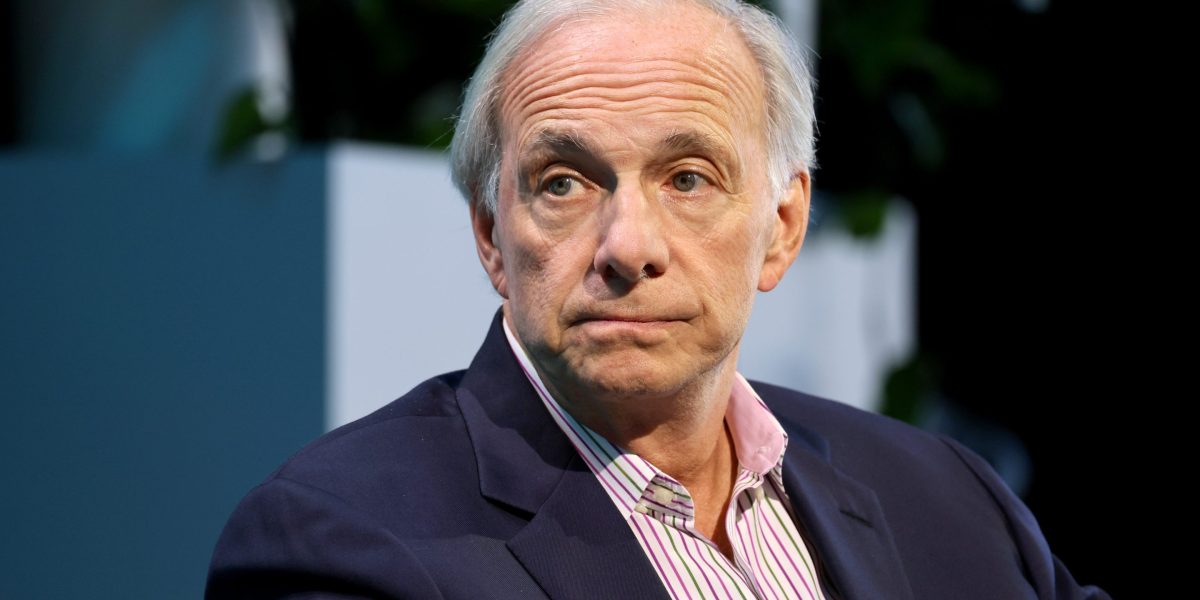
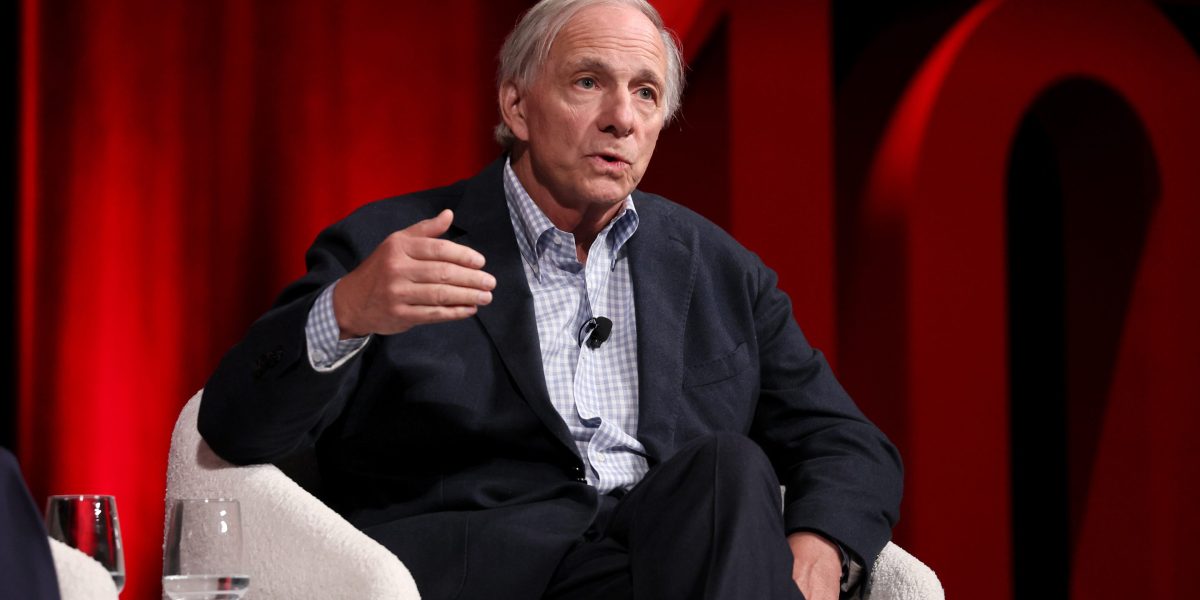
Ray Dalio didn’t write that sentence about Britain in 1956. He wrote it about the United States in March 2026. But the parallel he was drawing was unmistakable — and deliberate. The Bridgewater Associates founder and Fortune contributor, who has spent decades mapping the rise and fall of reserve-currency empires over 500 years of history, traced back to a single afternoon in November 1956 to explain what he believed was happening in real time to the most powerful country on earth.
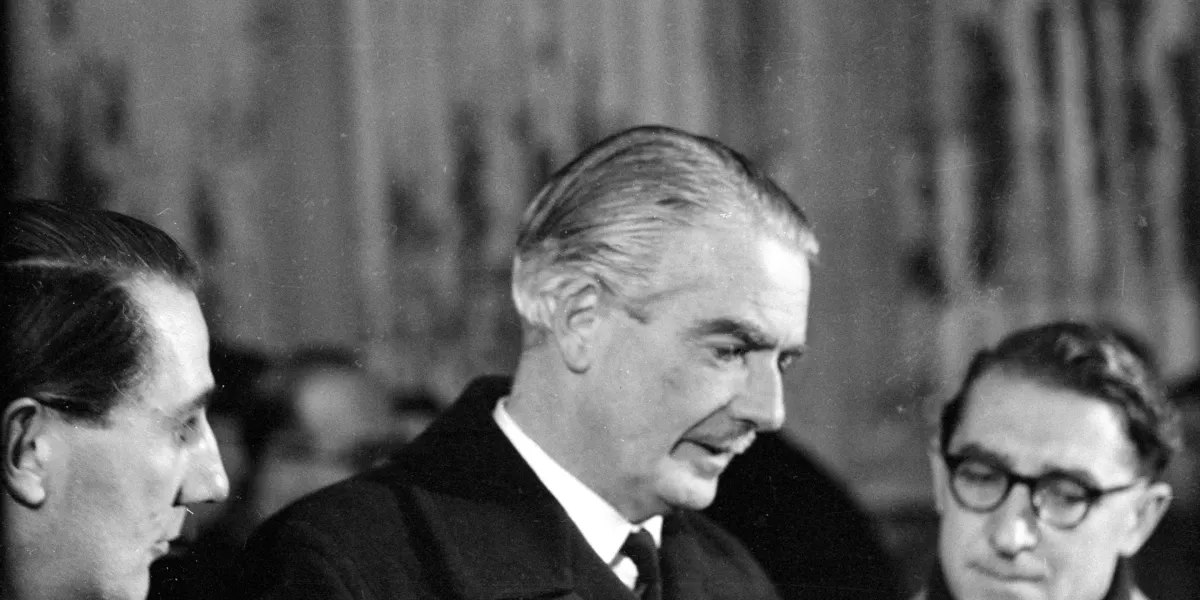
That afternoon, British Prime Minister Anthony Eden received a phone call that ended an empire.
The original Suez moment
In late October 1956, Britain and France — alongside Israel — invaded Egypt after President Gamal Abdel Nasser nationalized the Suez Canal, the vital trade artery connecting Europe to Asia. Militarily, the operation was a success. Within days, Anglo-French forces controlled the northern portion of the canal, but it unraveled off the battlefield.