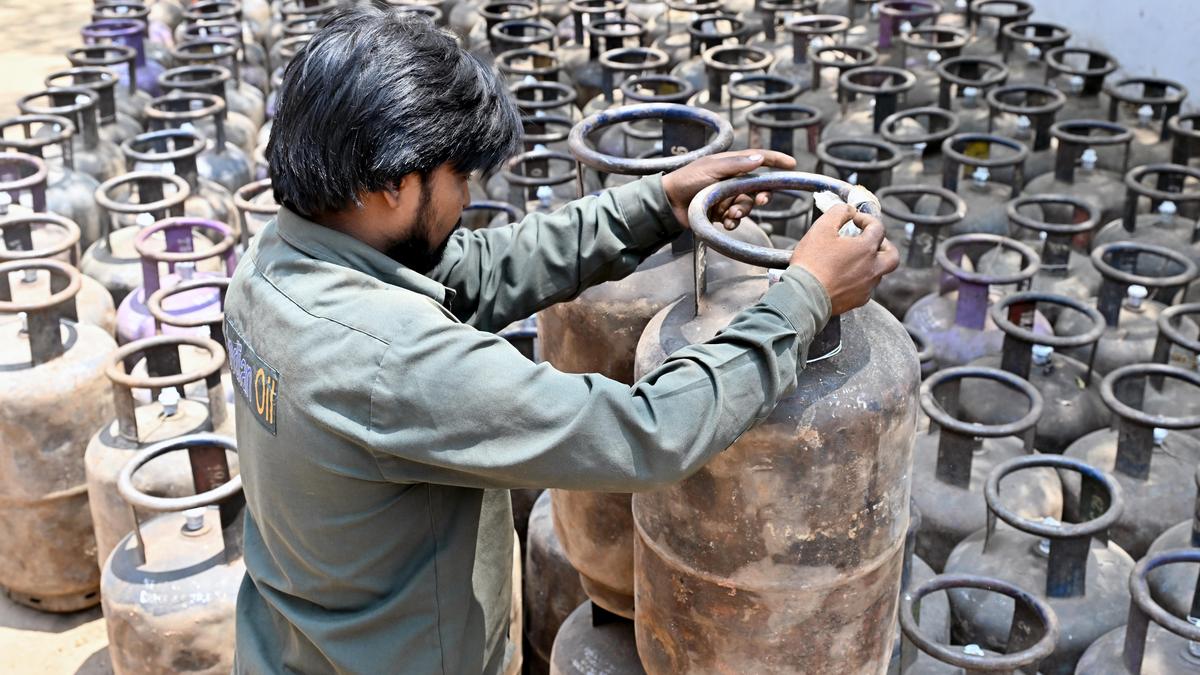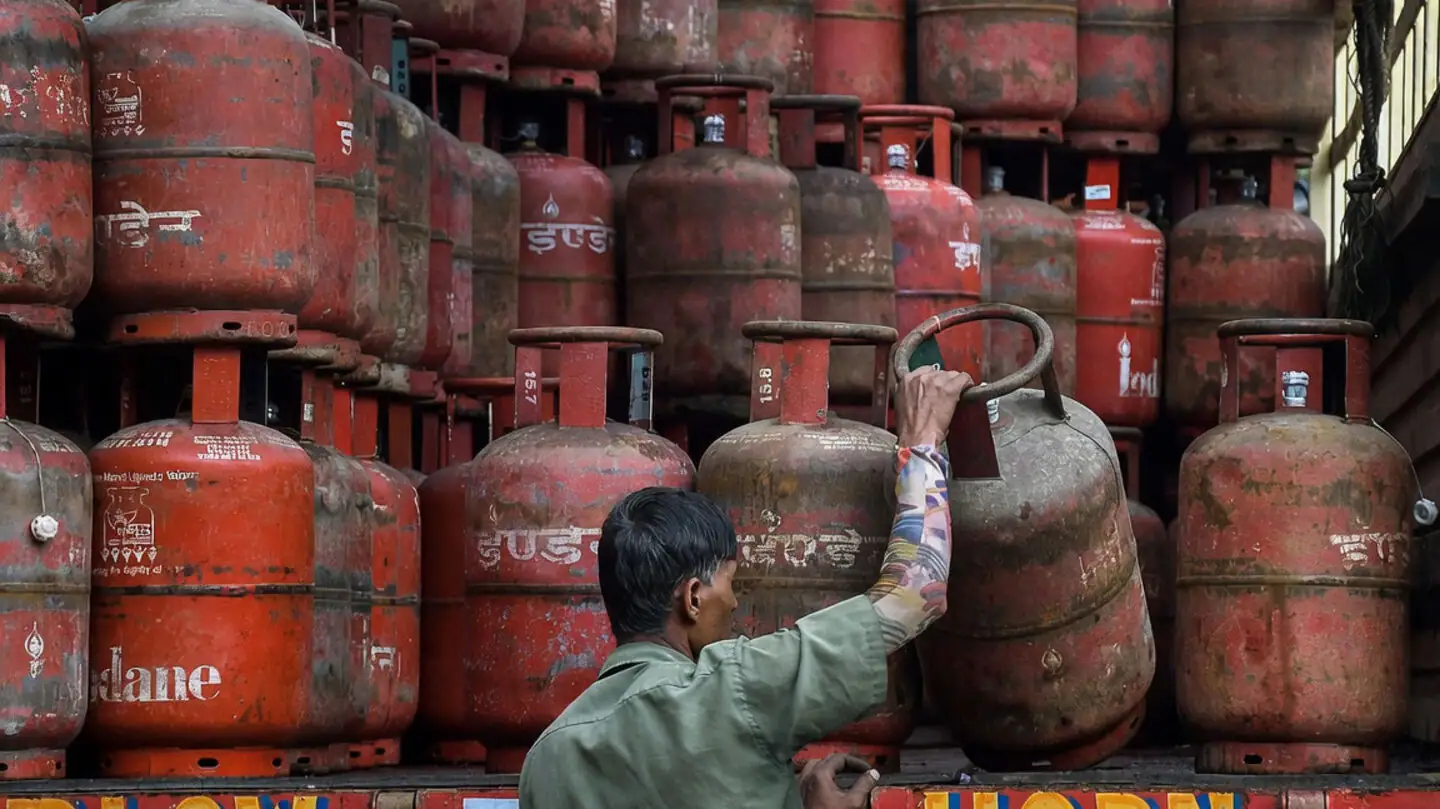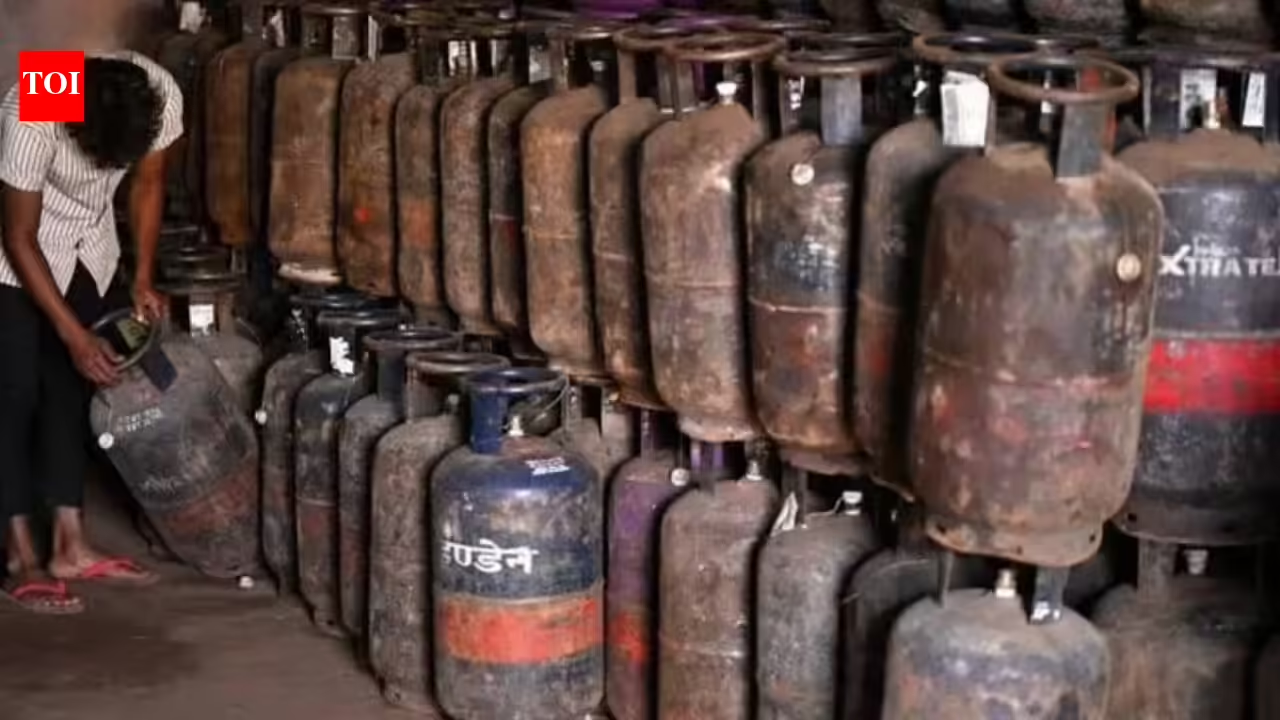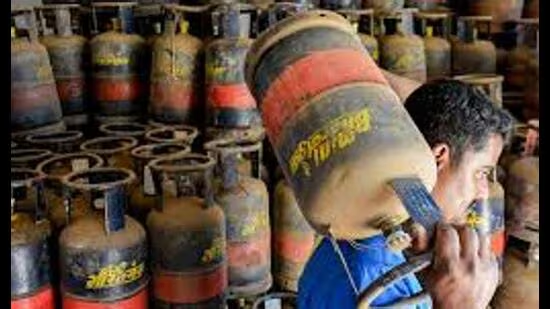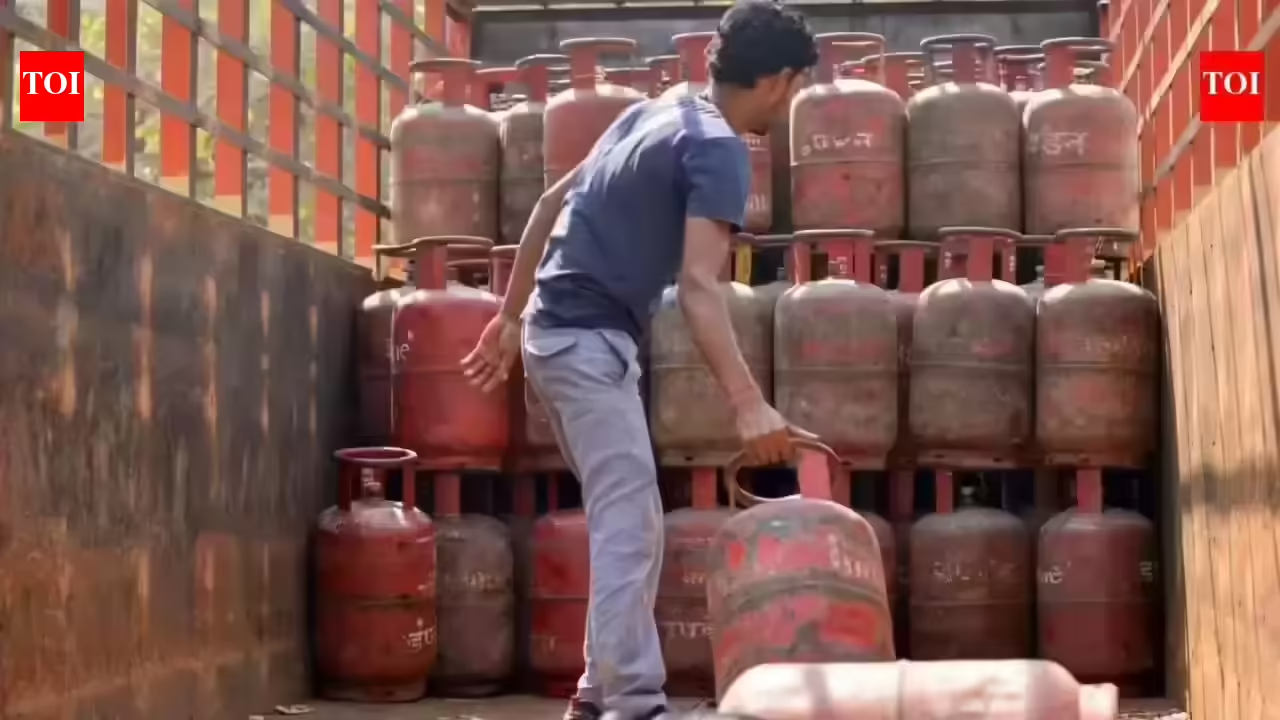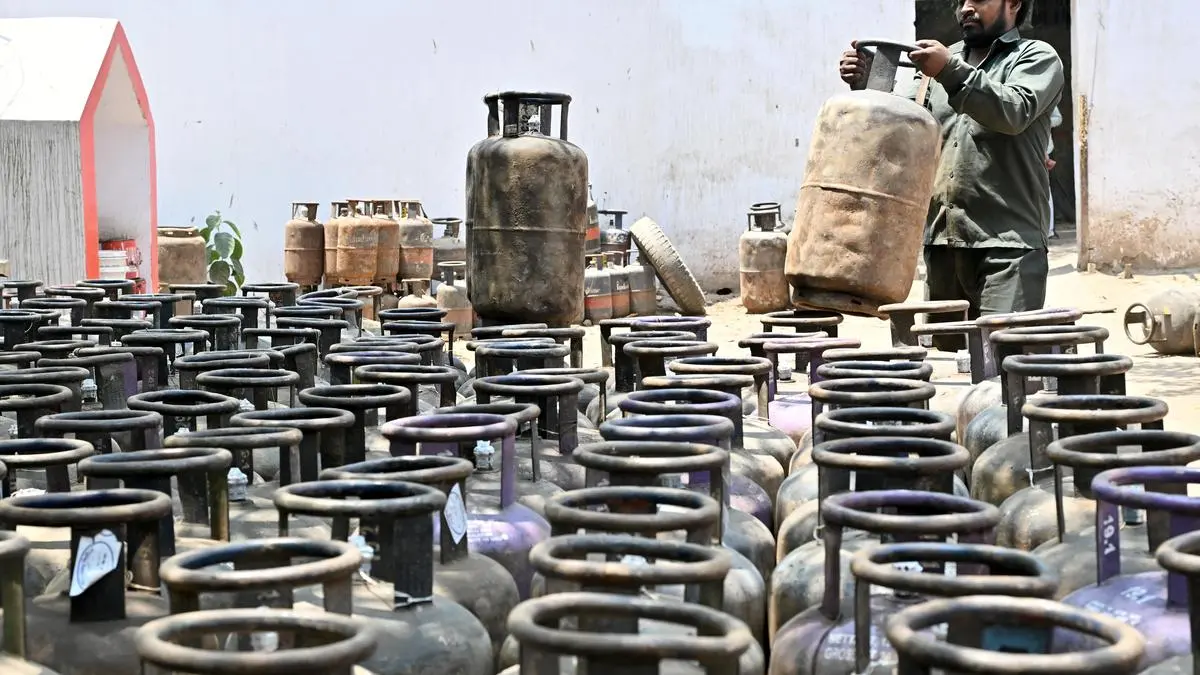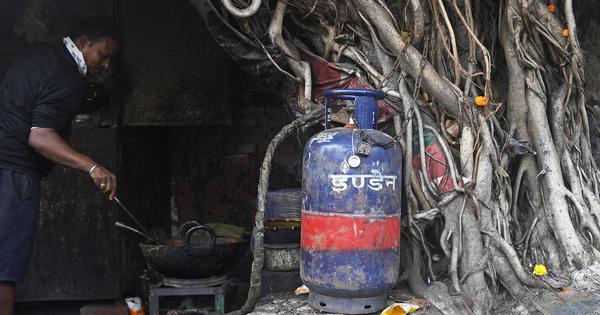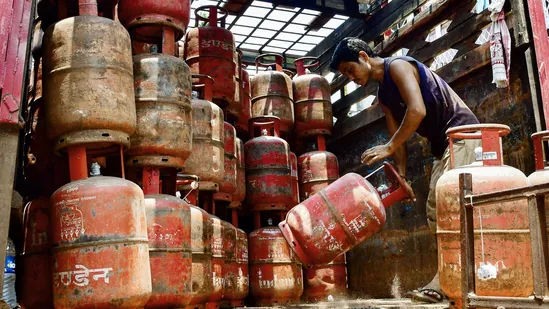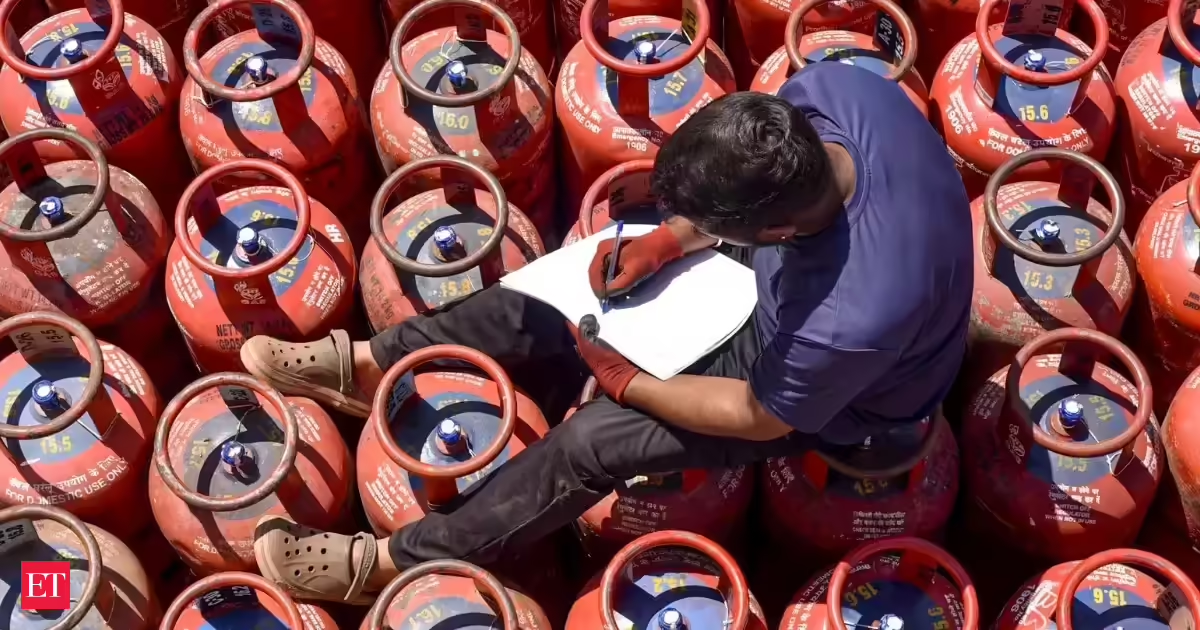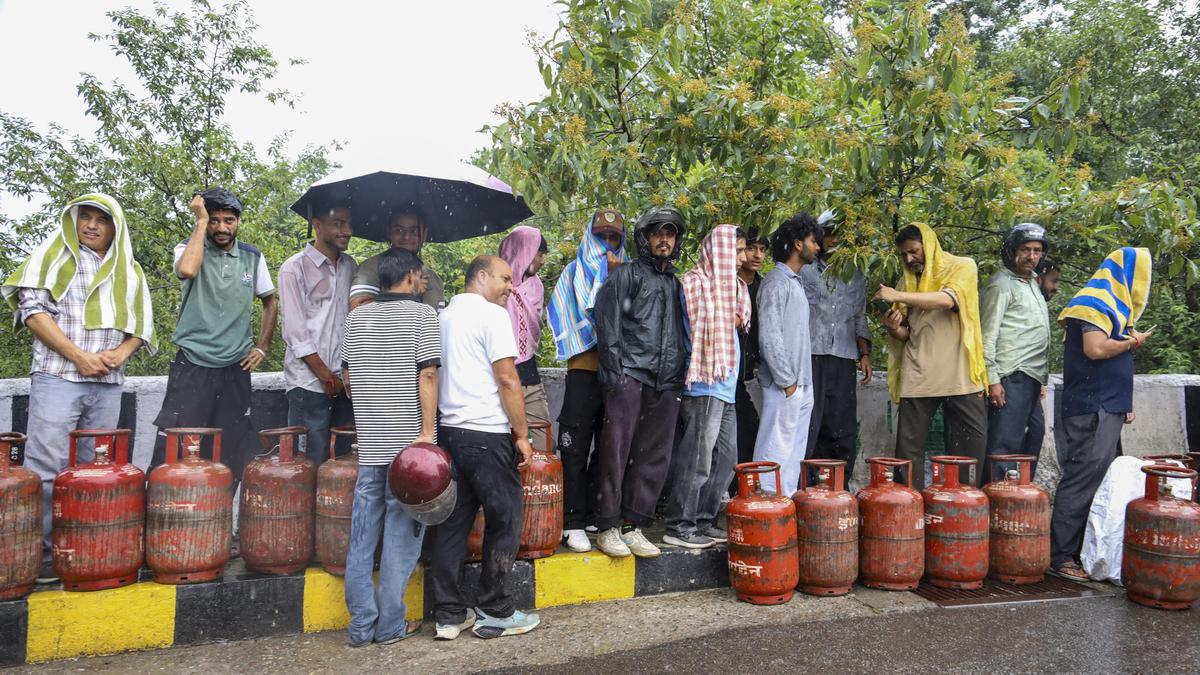
The story so far: In the first signs of easing pressure on liquified petroleum gas (LPG) with the probable culmination of the West Asia conflict, the Union Petroleum Ministry Thursday (June 25, 2026) restored commercial LPG supply to the pre-crisis level and removed all sector-specific restrictions on its supply. The government said the directives would offer relief to commercial and industrial users of the bottled hydrocarbon gas.What are the major changes effected on June 25?At the peak of the West Asia crisis in early March, the government had restricted the supply of commercial LPG in a bid to maintain supplies for domestic use. These restrictions were gradually eased over time across multiple tranches. Until Thursday (June 25, 2026), industrial and commercial LPG allocation was allowed up to 70% of the pre-crisis levels.Additionally, the government had also sought that all propane and butane molecules – which are byproducts of the crude oil refining process - be diverted exclusively to help augment domestic production.LPG is essentially a mix of propane and butane. The directive – which has now been relaxed – essentially diverted it from its other uses in petrochemical and allied sectors.What was the impact of the curtailed LPG supply?The impact of the restricted supplies of the 19.2-kg cylinder reverberated across industries – particularly impacting the hospitality, restaurants and heavy industries.Canteens and restaurants had to either limit their menus, move to electric induction-based cooking wherever feasible, or raise prices, with unregulated cylinders sold at exorbitant rates on the black market.The impact was not just restricted to smaller establishments.Jubilant Foodworks, which operates fast-food chains such as Domino’s Pizza and Dunkin’ Doughnuts, had also been apprised of an operational impact.The Lawyers’ Canteen at Delhi High Court too had briefly removed main course meals from their menu, citing unavailability of commercial LPG cylinders.The overall situation was partially managed with the government’s expedited push for piped natural gas (PNG). In fact, on March 24, the Petroleum Ministry instituted structural reforms — relating to approvals, faster development of necessary infrastructure, among other things — to expedite the adoption of PNG. Furthermore, of the 50% pre-crisis allocation of commercial LPG provisioned back then, 10% was conditioned on facilitating a transition to piped natural gas (PNG).Other than the hospitality industry, heavy industries, especially steel, had flagged concerns about shortages of LPG.When the commercial LPG allocation was increased to 70% on March 27, the Petroleum Ministry had prioritised supplies to steel, automobile, textile, dye, chemicals, and plastics sectors where piped gas substitution would not be a feasible option.Finally, the diversion of propane and butane streams exclusively for domestic production of LPG had also raised concerns in the pharmaceutical and allied chemicals’ industries where they serve as an essential feedstock.Adopting a coordinated approach, from June 1 to June 18, more than 7,630 MT of propane and butane, and more than 6,230 MT of butyl acrylate had been sold by Mumbai, Kochi, Vizag, Chennai, Mathura and Gujarat refineries to chemical, pharma and paint industries.The latest directive eases this mandatory diversion of these vital chemicals solely for LPG production.“The enhanced allocation of C3-C4 streams for non-LPG uses will be implemented while ensuring that the domestic LPG availability remains unaffected and aggregate indigenous LPG production is maintained at not less than 40 TMT per day,” read the petroleum ministry’s statement Thursday (June 26, 2026).How would the latest directive ease the situation?According to Sagar Daryani, president of the National Restaurant Association of India (NRAI) & CEO & co-founder of the fast-food chain WOW! Momo, the restoration of commercial LPG induces certainty for restaurateurs.“The restoration of commercial LPG supplies to pre-crisis levels brings much-needed certainty for restaurant operators across the country, particularly SMEs and standalone establishments that depend heavily on LPG for their daily operations,” he told The Hindu.Mr. Daryani added separately, “With supply fully restored and the West Asia crisis seeming to have ended, we are also hopeful that there would be a reduction in the LPG prices, which had more than doubled in the last few months, causing massive strain.”Overall, the latest move is also expected to help increase LPG consumption, with the mandate coming about eight days after the U.S.-Iran peace deal.LPG consumption had declined more than 19% in May and 16% in April from the comparable period of last year.
Latest LPG supply directives and what changes now | Explained
Discover the latest LPG supply directives, their implications for businesses, and the restoration of pre-crisis levels.
709 words~3 min read