June 26, 2026
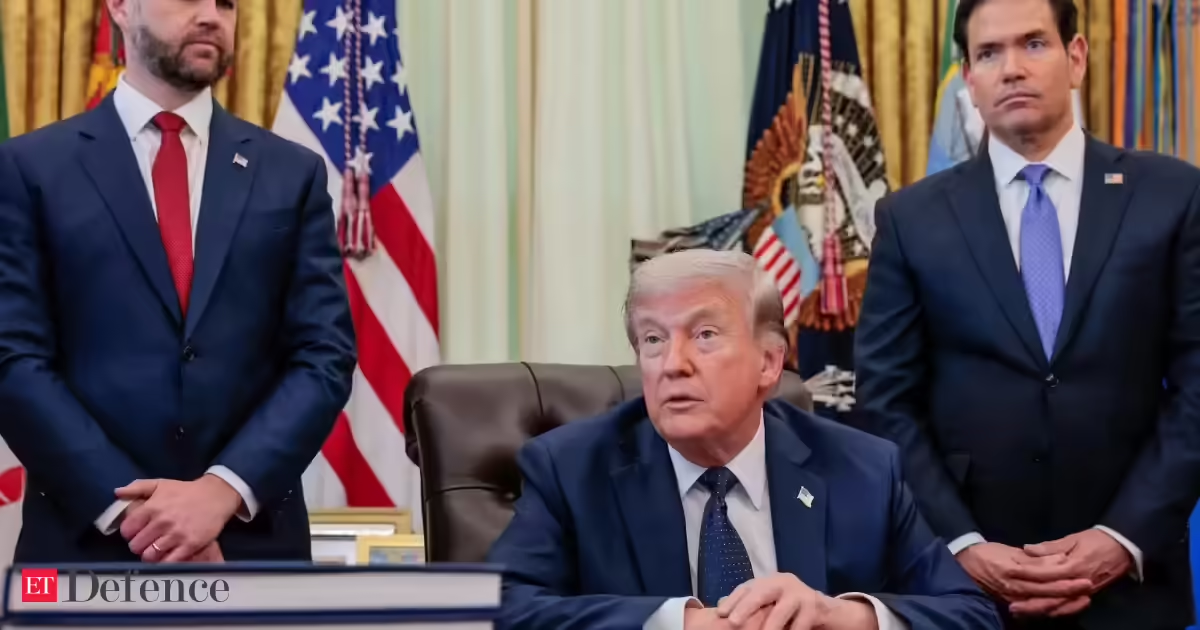
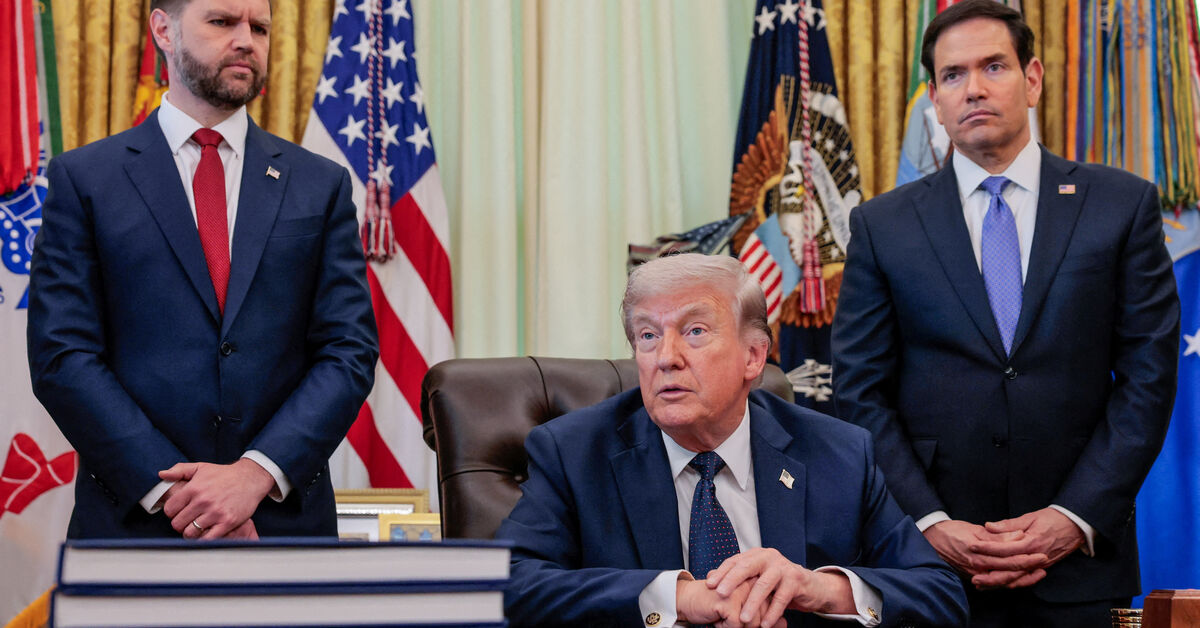
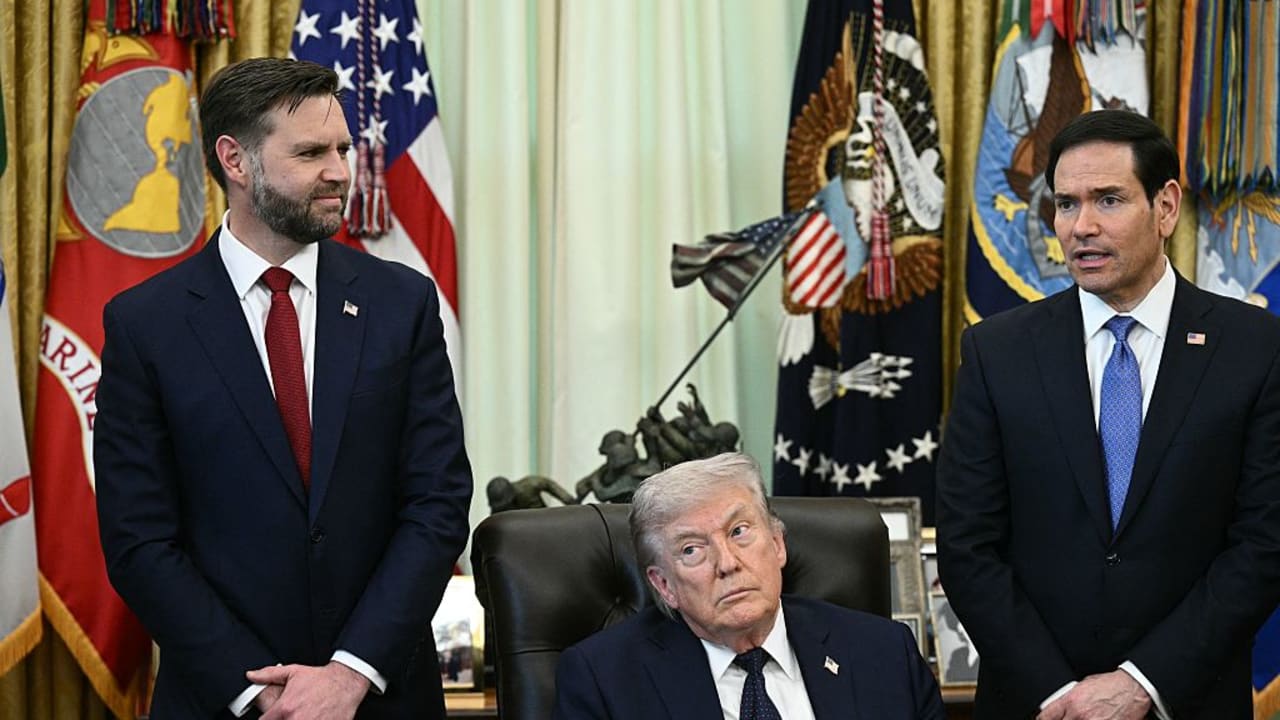
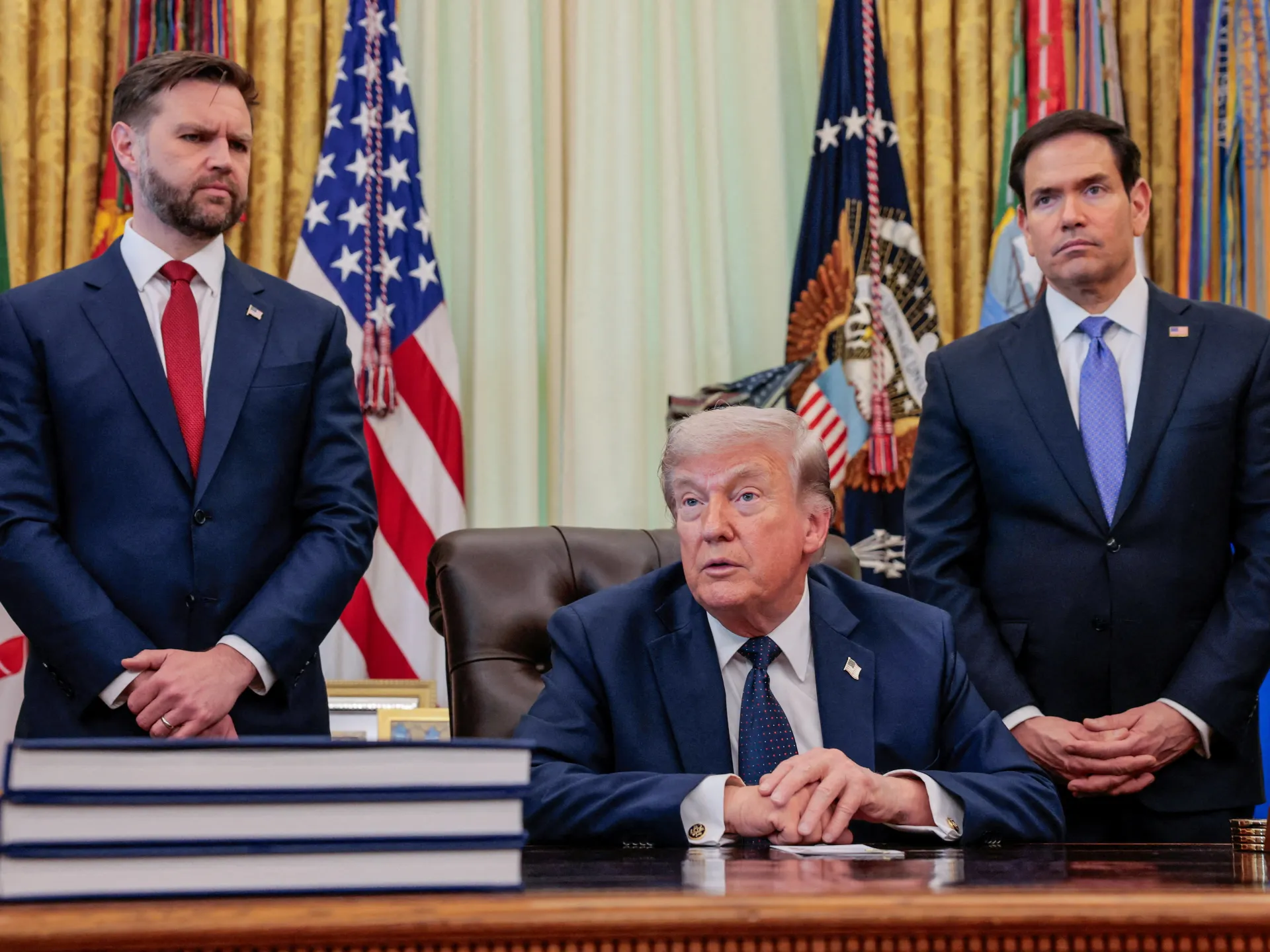
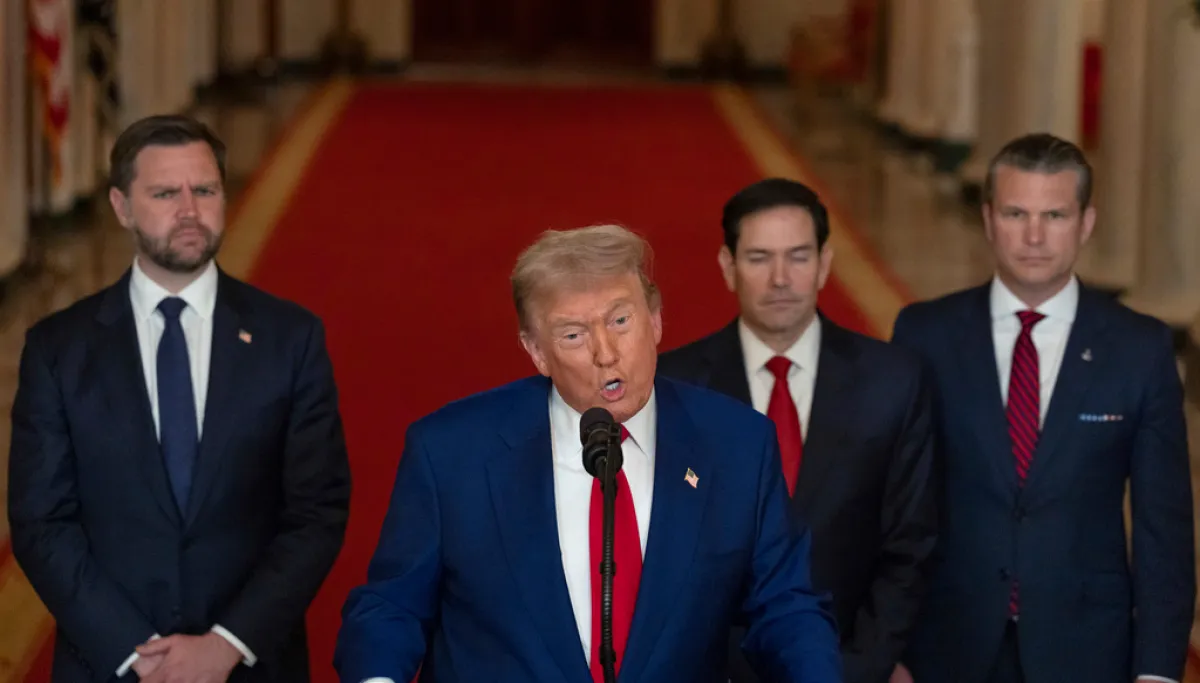
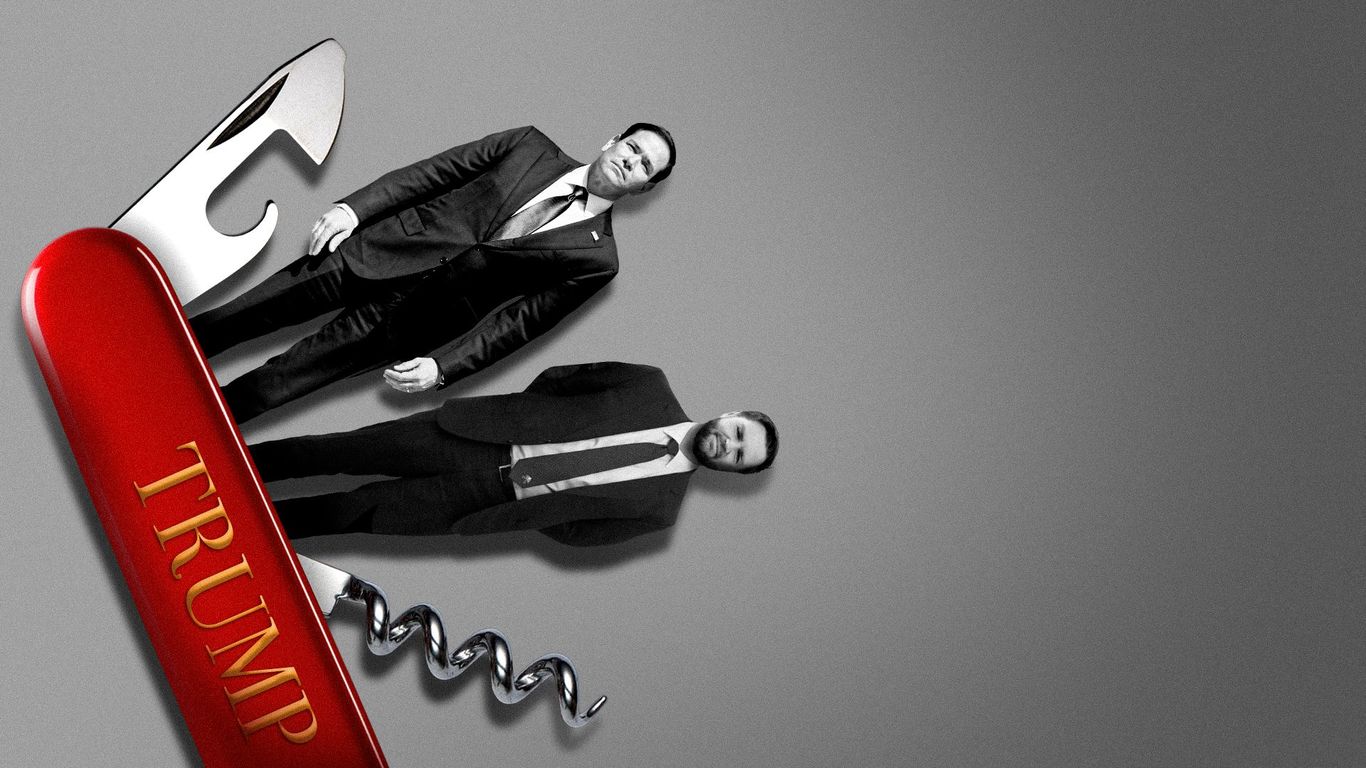
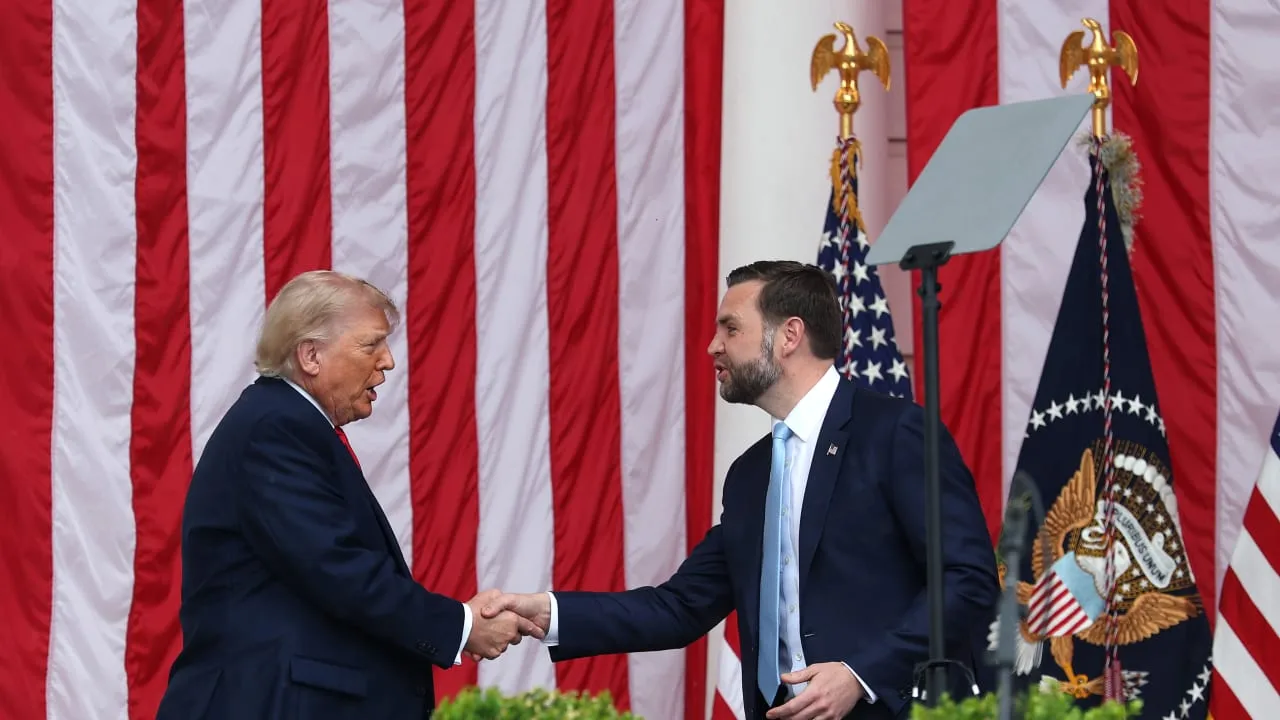
President Donald Trump's administration has pushed hard to present a united front on the Iran war, but statements by his vice president and secretary of state have at times diverged over the past week, especially on the subject of Israel.
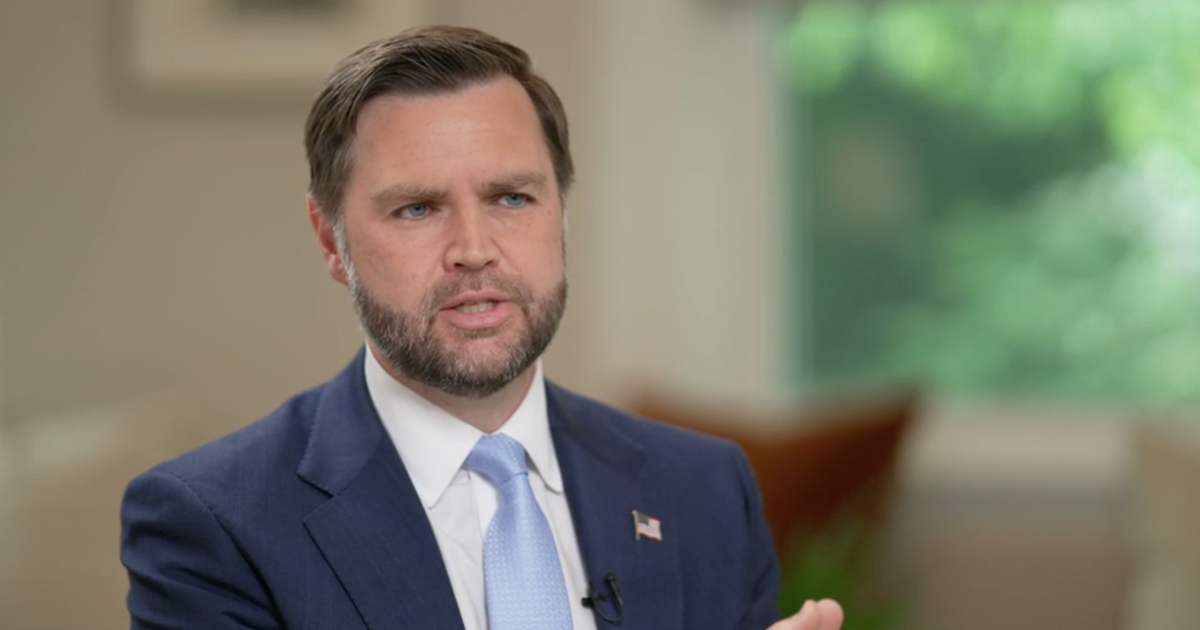
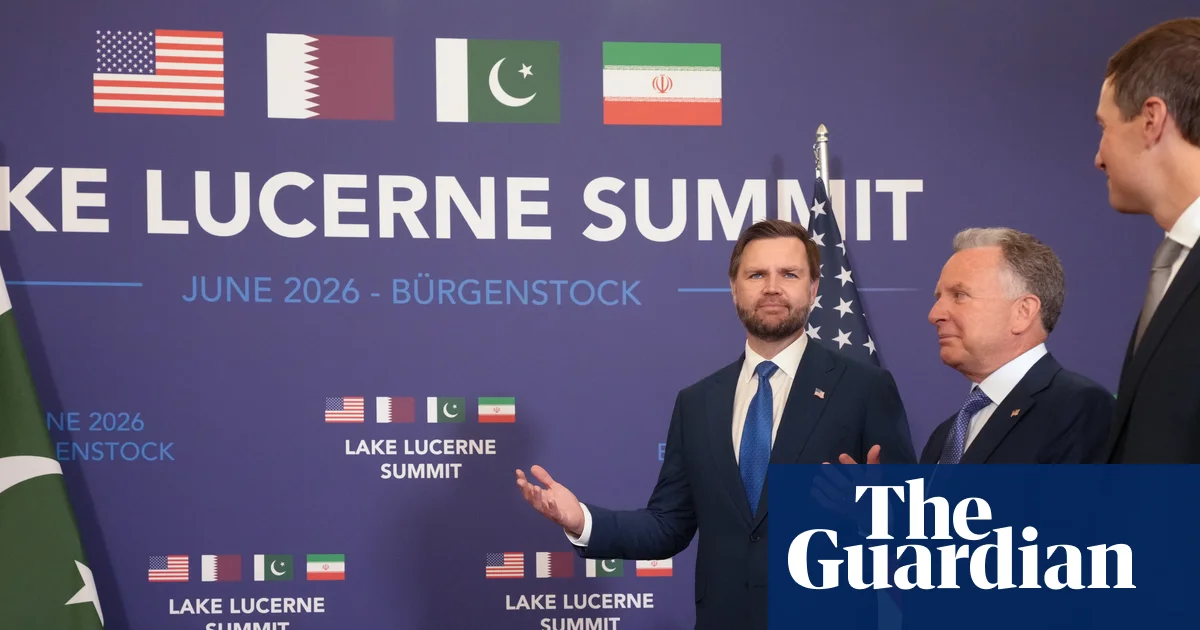
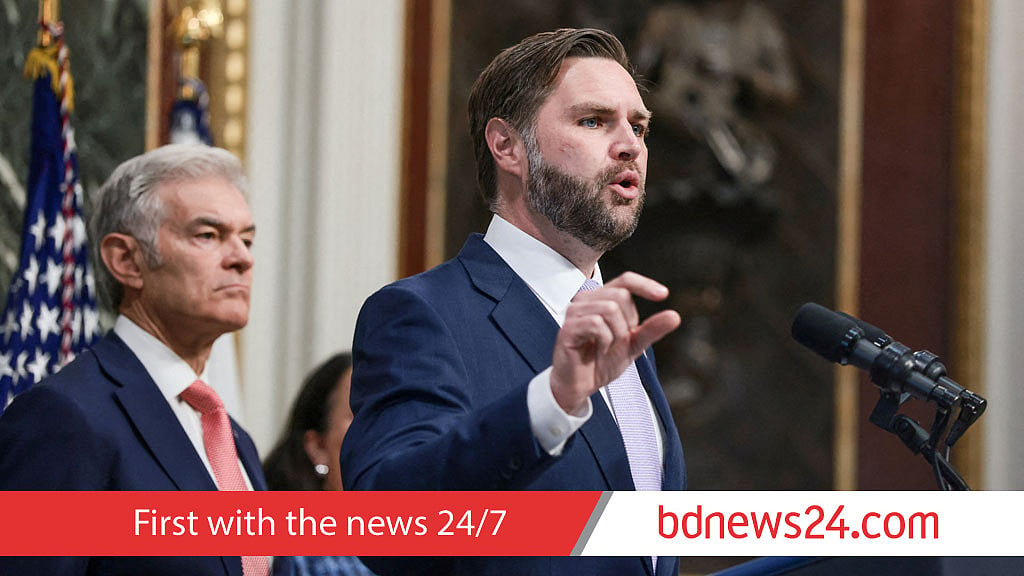
Vice-President JD Vance, speaking at the White House last week, lashed out against Israeli critics of the preliminary US-Iran deal. He suggested that Israeli bombings of civilian infrastructure in Beirut — intended to weaken Hezbollah, which has been attacking Israel — were undermining US-led peace efforts.
Secretary of State Marco Rubio, who travelled through the Gulf this week, defended Israel's military campaign in Lebanon, repeatedly describing its actions as a justified response to Hezbollah attacks. Pressed on Vance's criticism, Rubio deflected before recounting an assault by the Lebanon-based militia on an Israeli checkpoint earlier in the week.
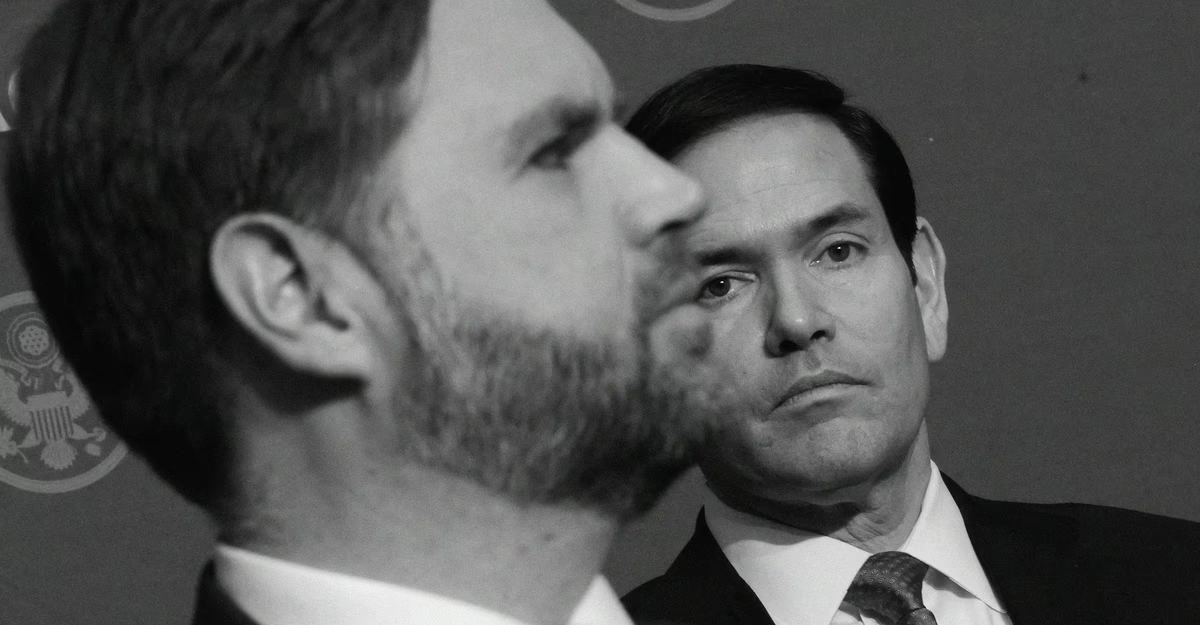
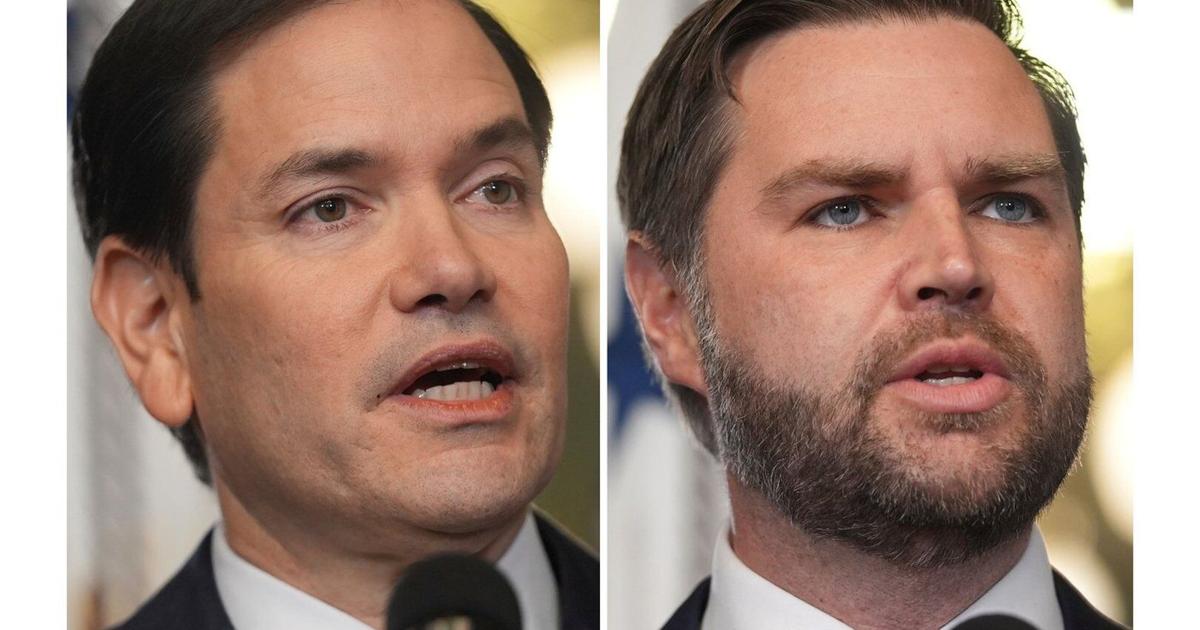
The contrast suggests that, even as the administration has emphasised unity, differing worldviews are at times rising to the surface — a challenge for a White House whose political coalition is deeply divided on foreign policy matters. It also offers an early glimpse of the Republican Party’s future, with Rubio and Vance both seen as potential 2028 presidential contenders.