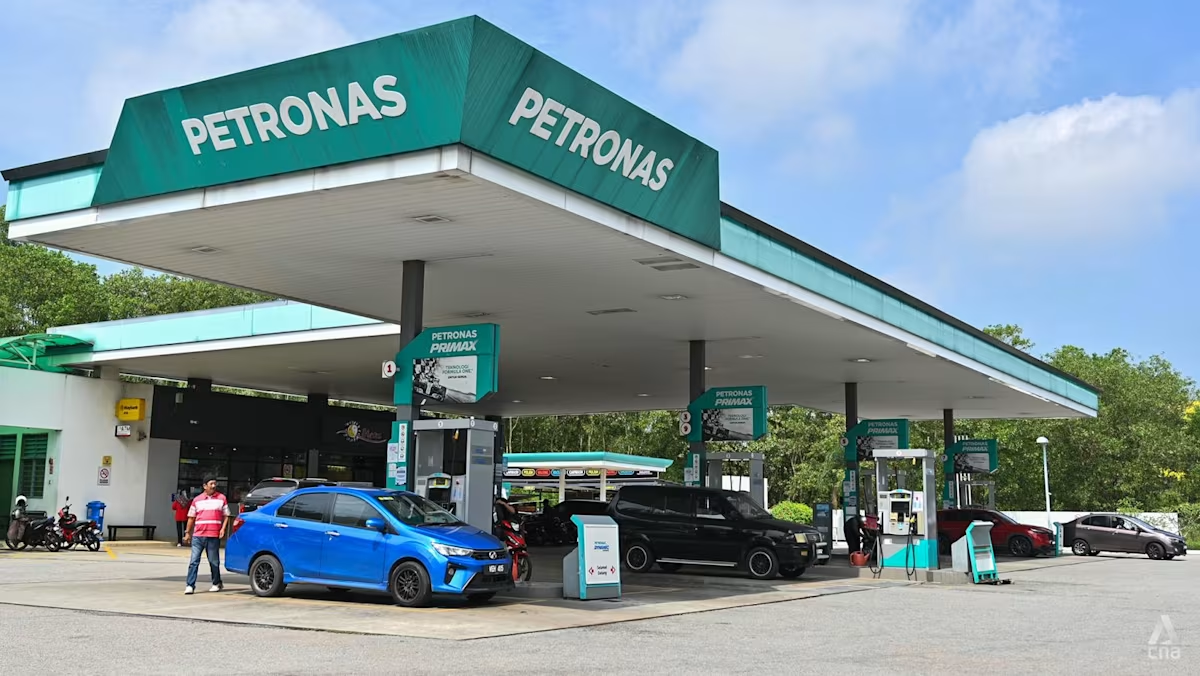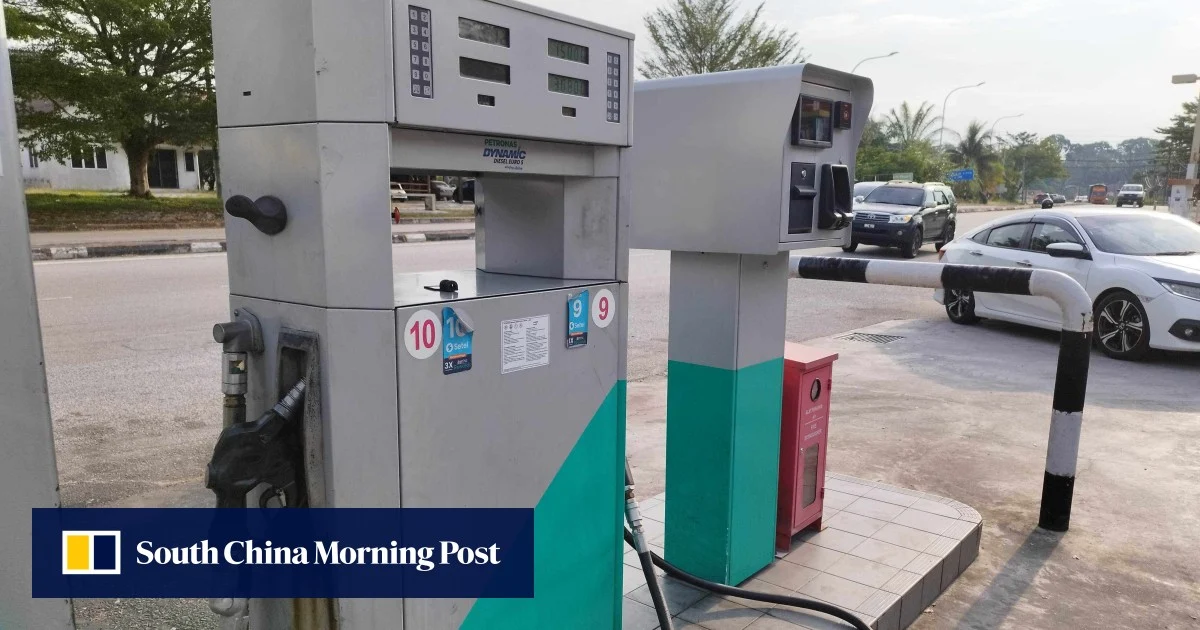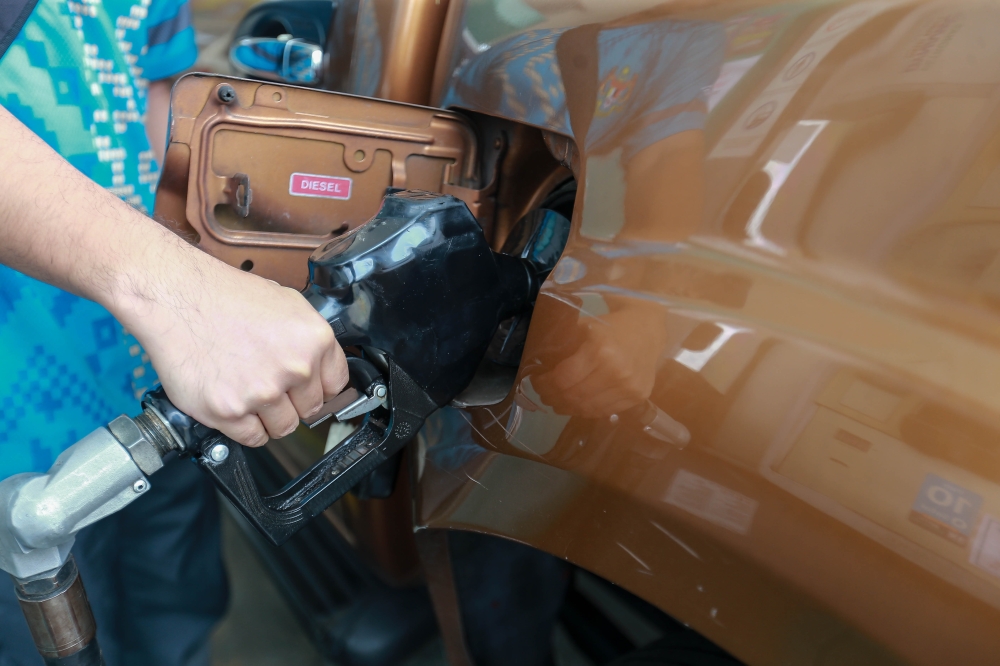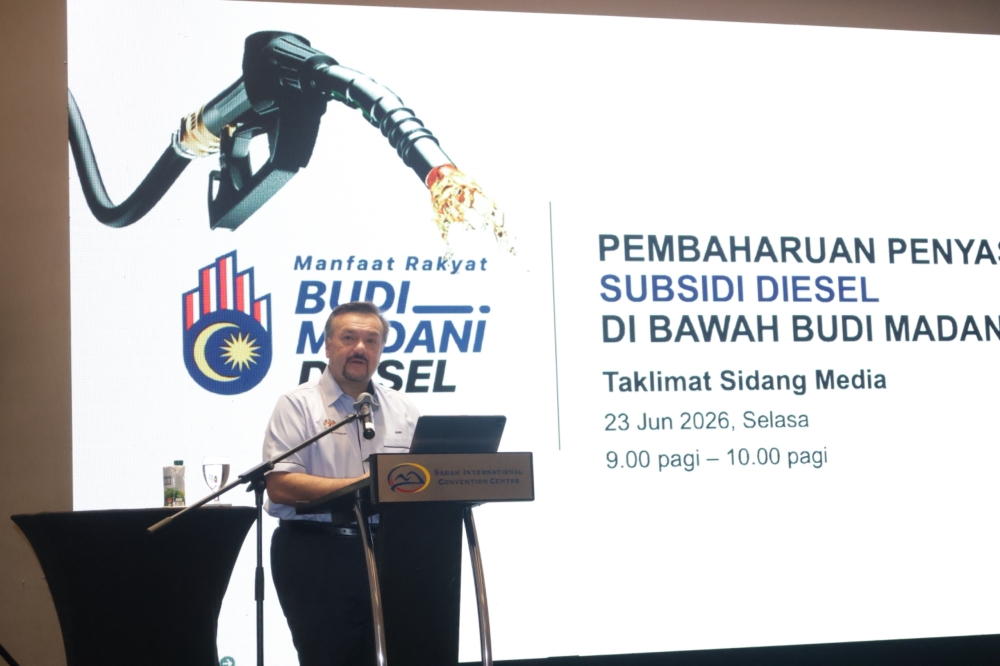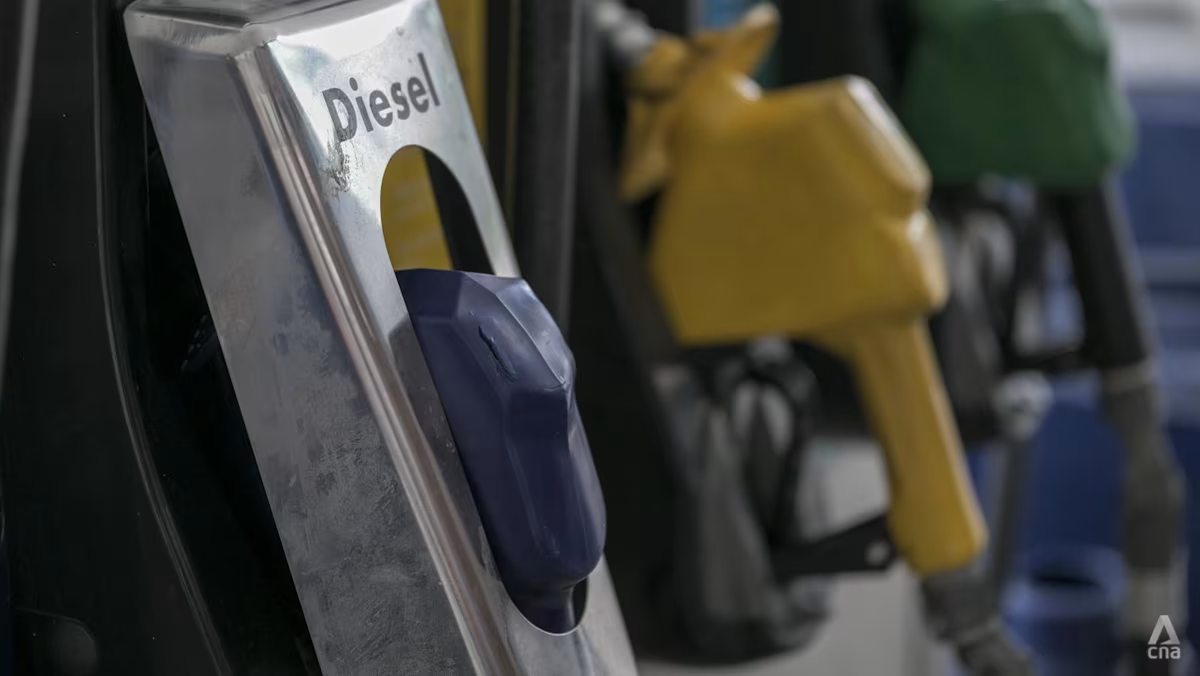
KUALA LUMPUR: Malaysia’s decision to revive blanket diesel subsidies under a more controlled scheme shows the “urgent need” to plug massive leakages and abuse through smuggling and consumption by foreigners in a way that is politically palatable, say analysts.However, they caution that by more than halving the price of diesel in peninsular Malaysia, the government’s finances could come under strain if oil prices rise again.From Jul 1, the price of diesel will drop to RM2.10 per litre (US$0.50), down from its current subsidised price of RM2.15 per litre in the East Malaysian states of Sabah and Sarawak, and RM4.07 in the Malaysian peninsular where it has been unsubsidised.But this time there is a catch: Only Malaysian citizens qualify for the subsidised rate, subject to national identity card verification and a 200-L monthly cap, the same control mechanisms found in the RON95 petrol subsidy policy for citizens.
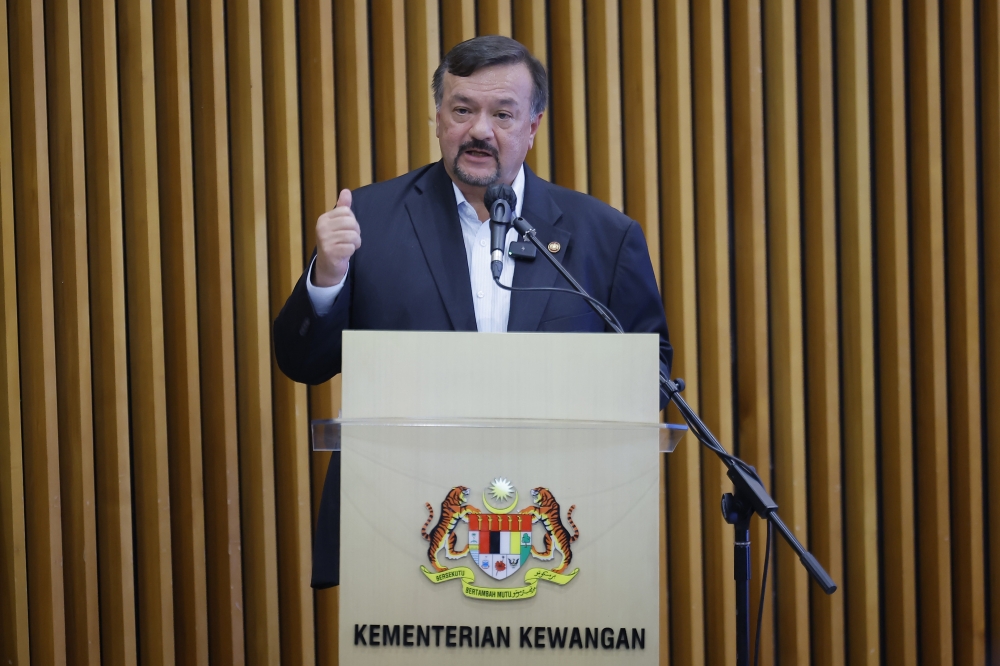
The introduction of the RON95 fuel subsidy controls has given the government more information on subsidised fuel misuse and smuggling patterns, said political analyst Adib Zalkapli of consulting firm Viewfinder Global Affairs.“So, potentially, the government or enforcement agencies could use the information to curb leakages and smuggling of subsidised diesel,” he told CNA.Finance Minister II Amir Hamzah Azizan said in a statement on Monday (Jun 22) that non-citizens “should not be able to enjoy” subsidies, in line with the government’s principles of subsidy rationalisation.This recent move, he said, is expected to save up to RM2 billion a year, which will be returned to citizens in the form of lower diesel prices.