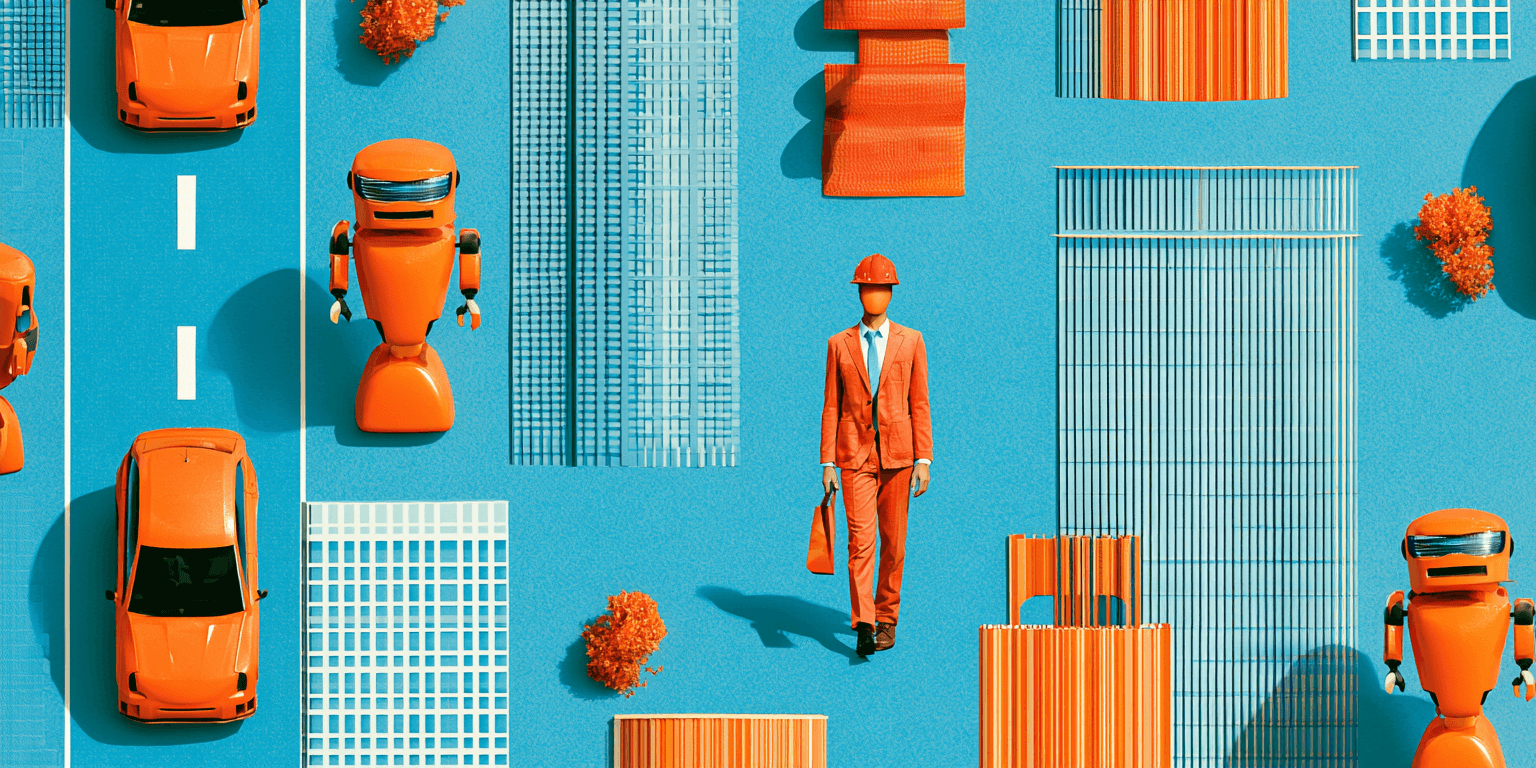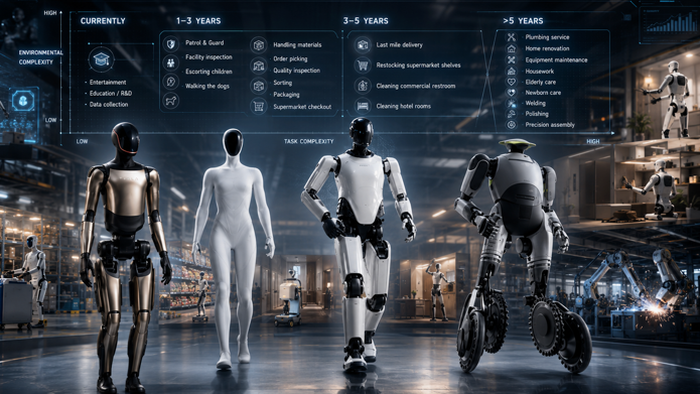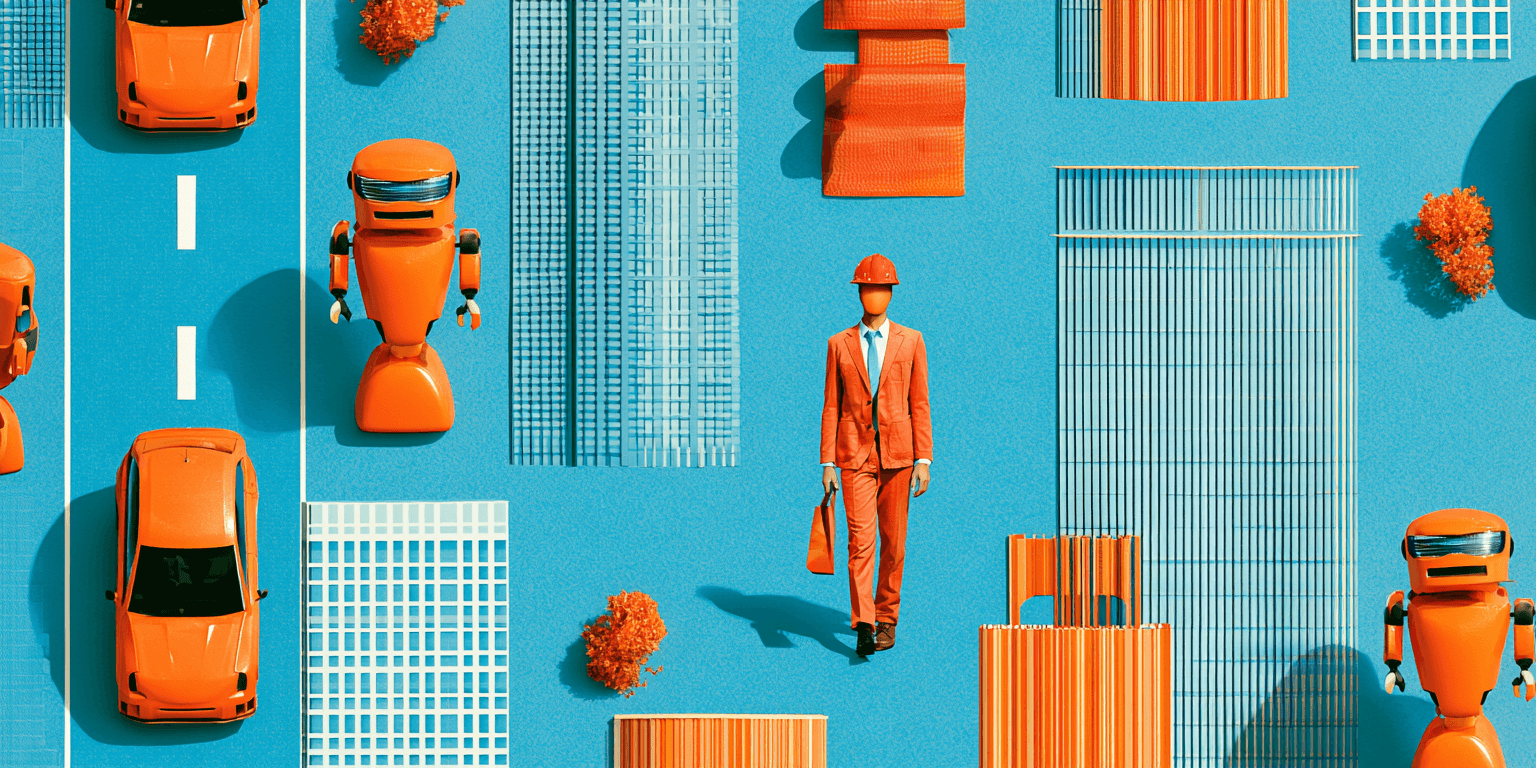
Three USC faculty members will lead four research projects funded by the Toyota Research Institute (TRI), spanning humanoid robotics, autonomous driving and social barriers to artificial intelligence (AI) adoption in office environments.
The studies are part of TRI’s latest University Research Program (URP 3.0), a five-year initiative supporting 69 research projects from 31 universities across the nation.
Launched in 2026, TRI’s University Research Program aims to foster industry-academia partnerships to address some of the most pressing challenges in automated driving, robotics, human-centered AI and related fields. The initiative reflects TRI’s commitment to advancing research and collaborating with leading research institutions like USC Viterbi School of Engineering.
Bringing together 88 TRI researchers and 104 faculty members, the projects are structured for deep collaboration, with each project co-led by a university researcher and a TRI co-investigator working as peers to ensure that fundamental research and real-world applications evolve together.
The selected USC principal investigators are Yue Wang, Stephen Tu and Mayank Kejriwal, with Wang leading two projects. All three researchers hold appointments at USC Viterbi and the USC Mark and Mary Stevens School of Computing and Artificial Intelligence. Wang is an assistant professor of computer science, Tu is an assistant professor of electrical and computer engineering and computer science, and Kejriwal is a research associate professor at the Daniel J. Epstein Department of Industrial & Systems Engineering and a principal scientist at the USC Information Sciences Institute. Tu holds joint appointments in the Ming Hsieh Department of Electrical and Computer Engineering and the Thomas Lord Department of Computer Science.