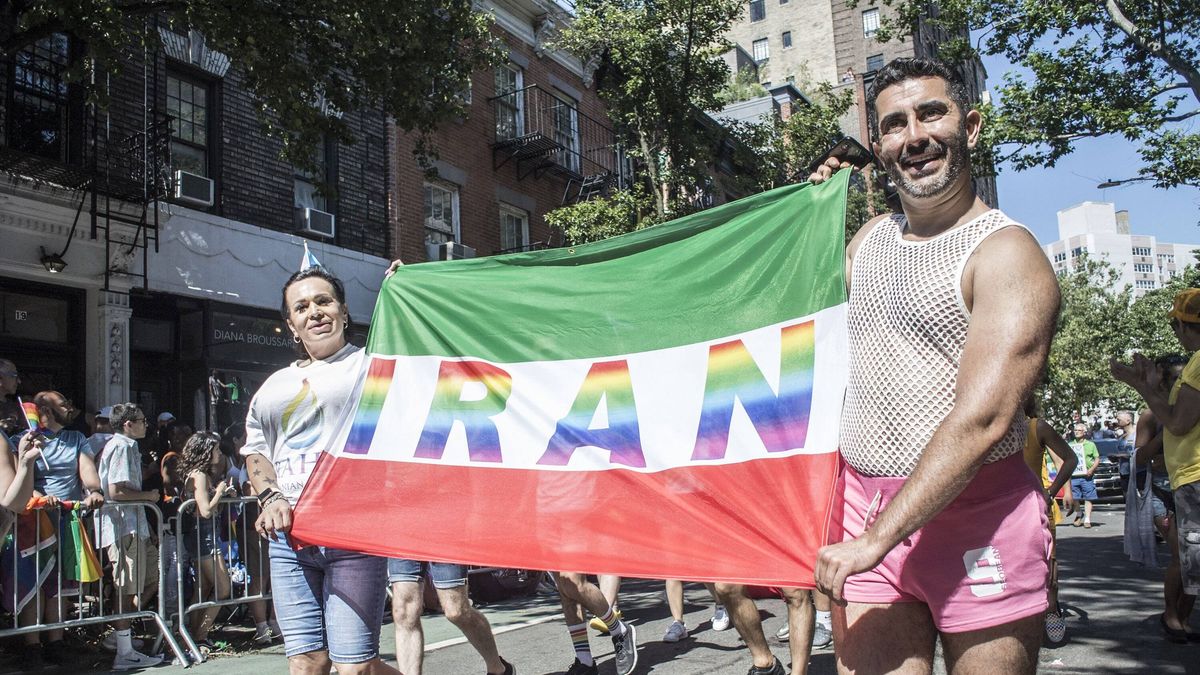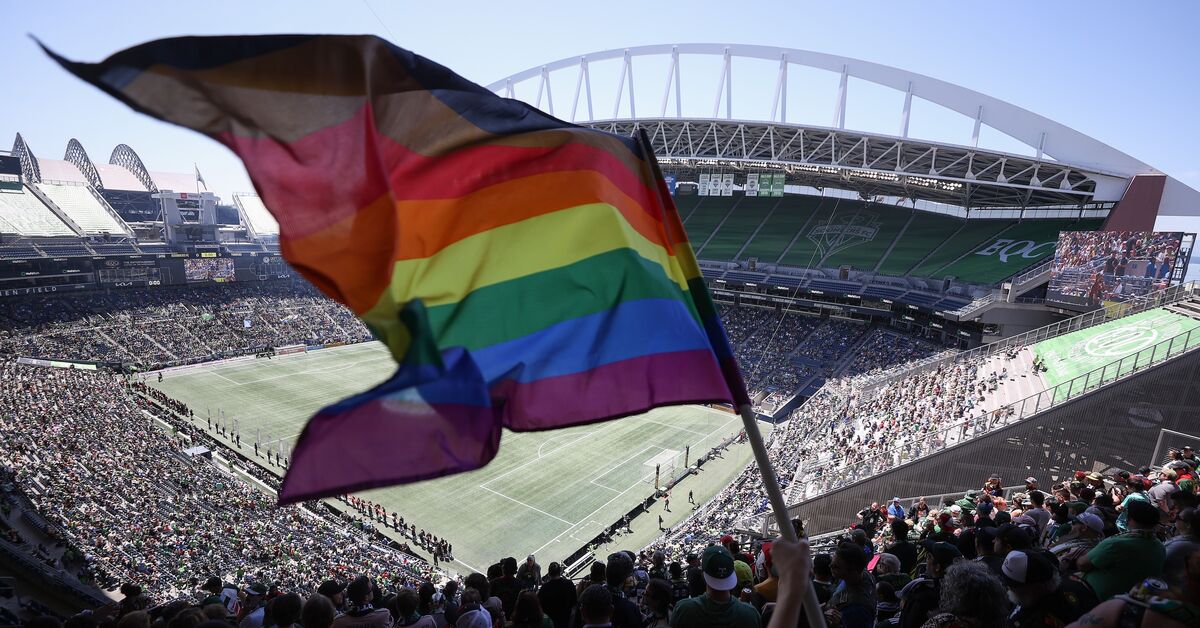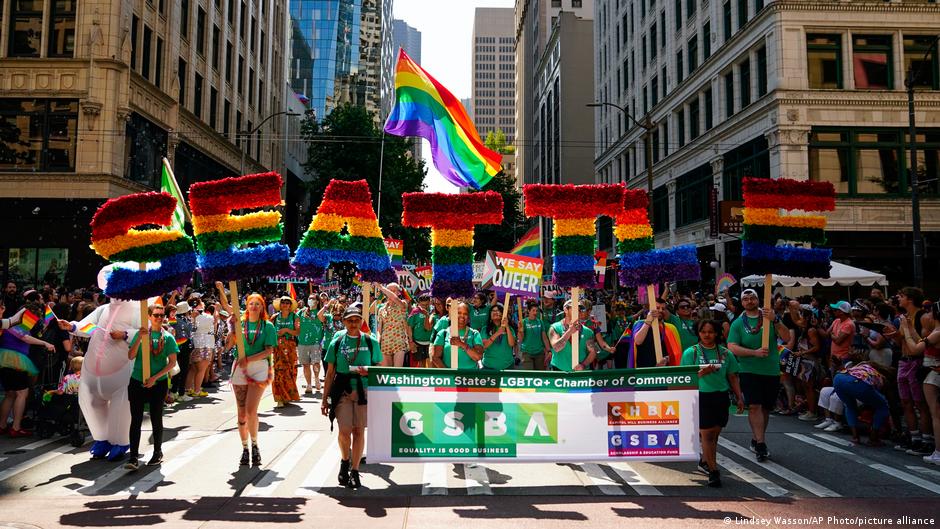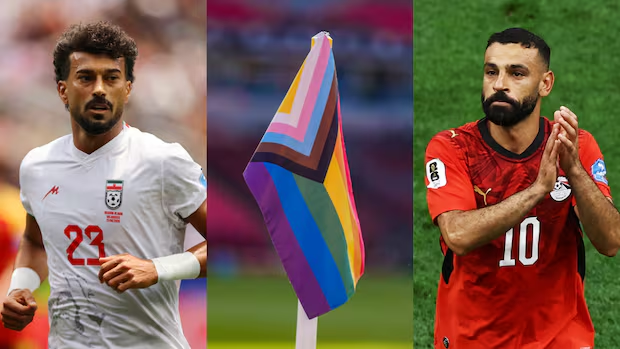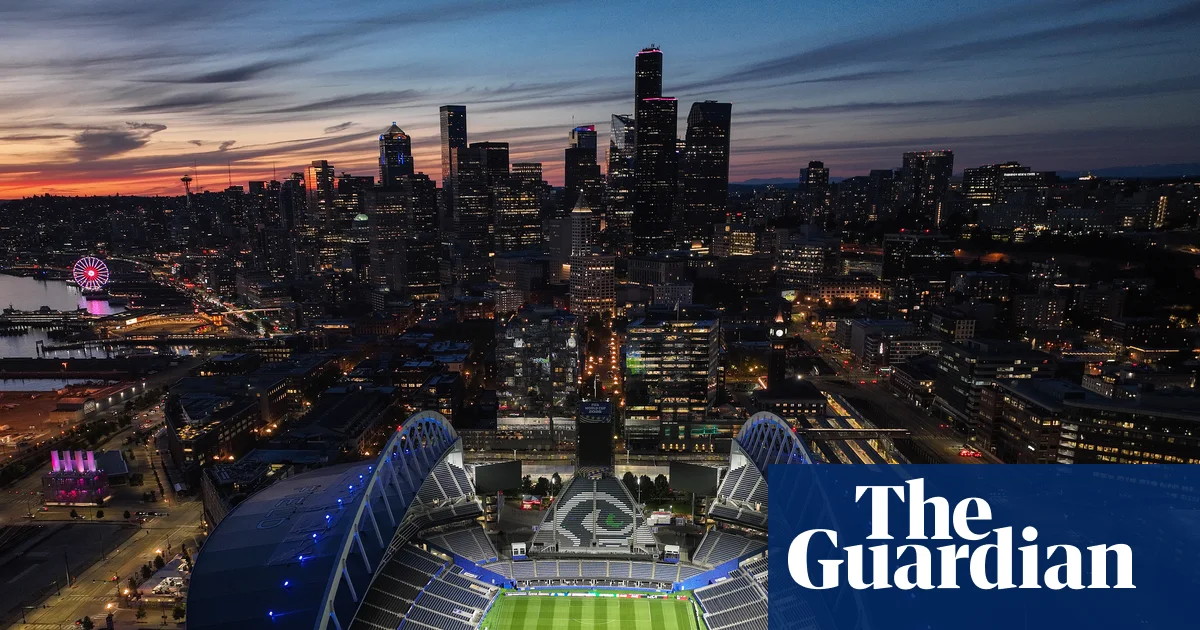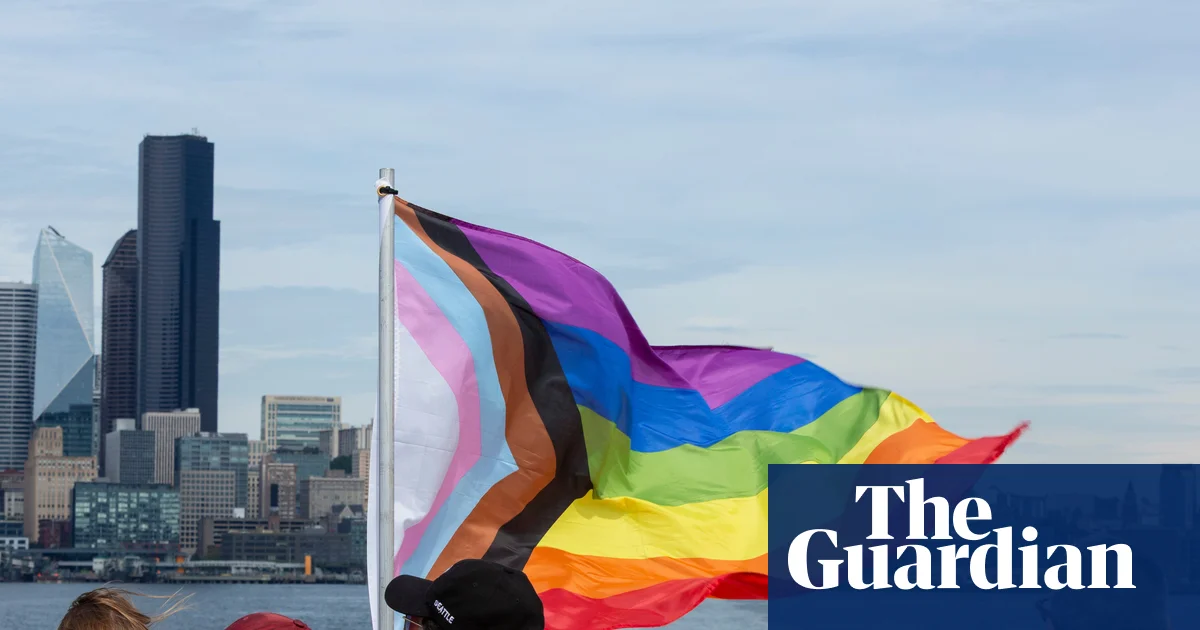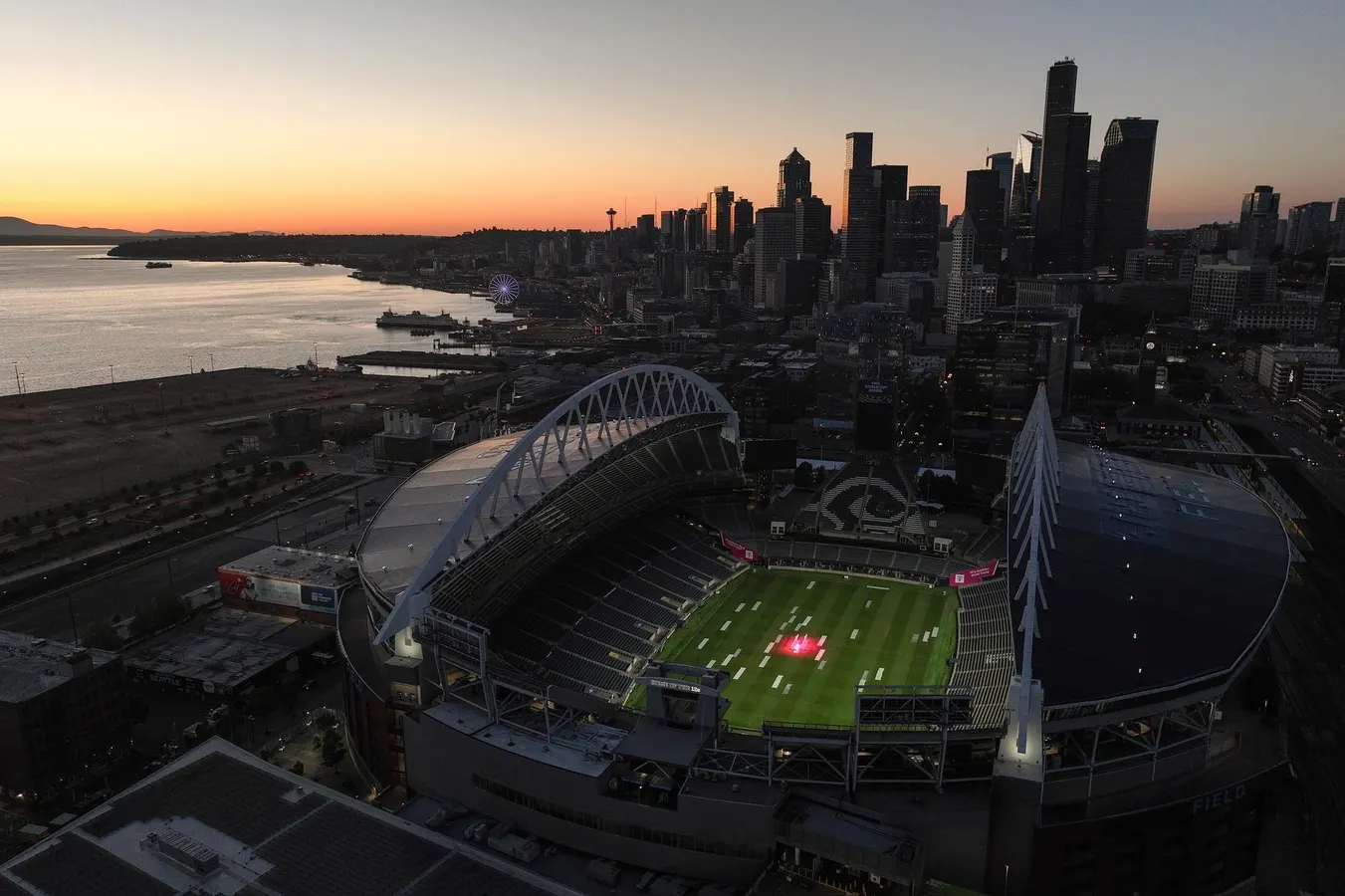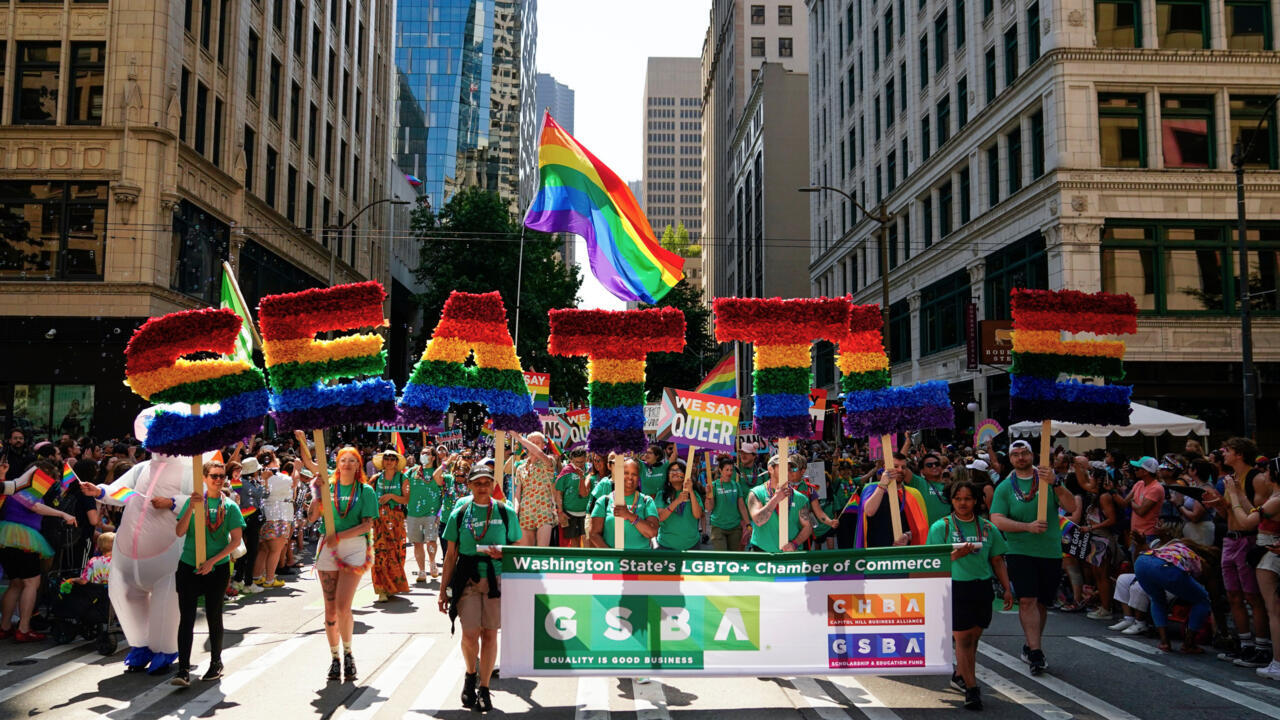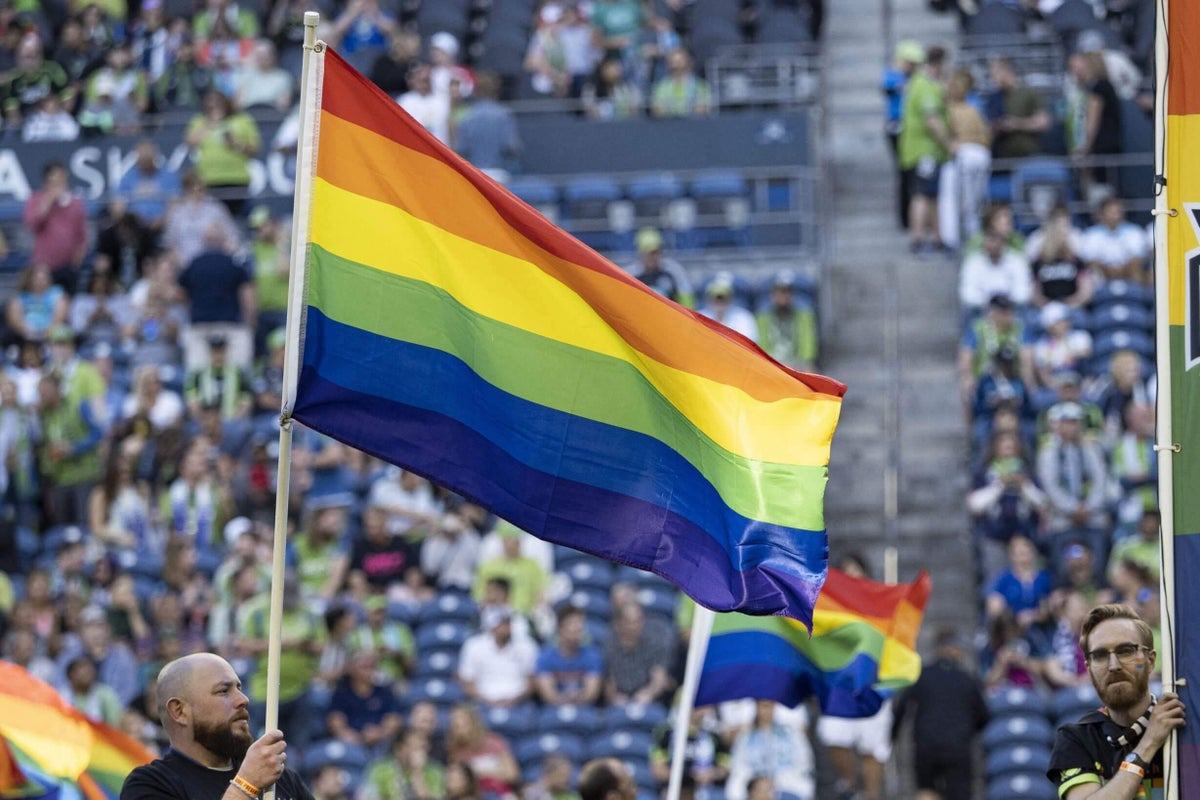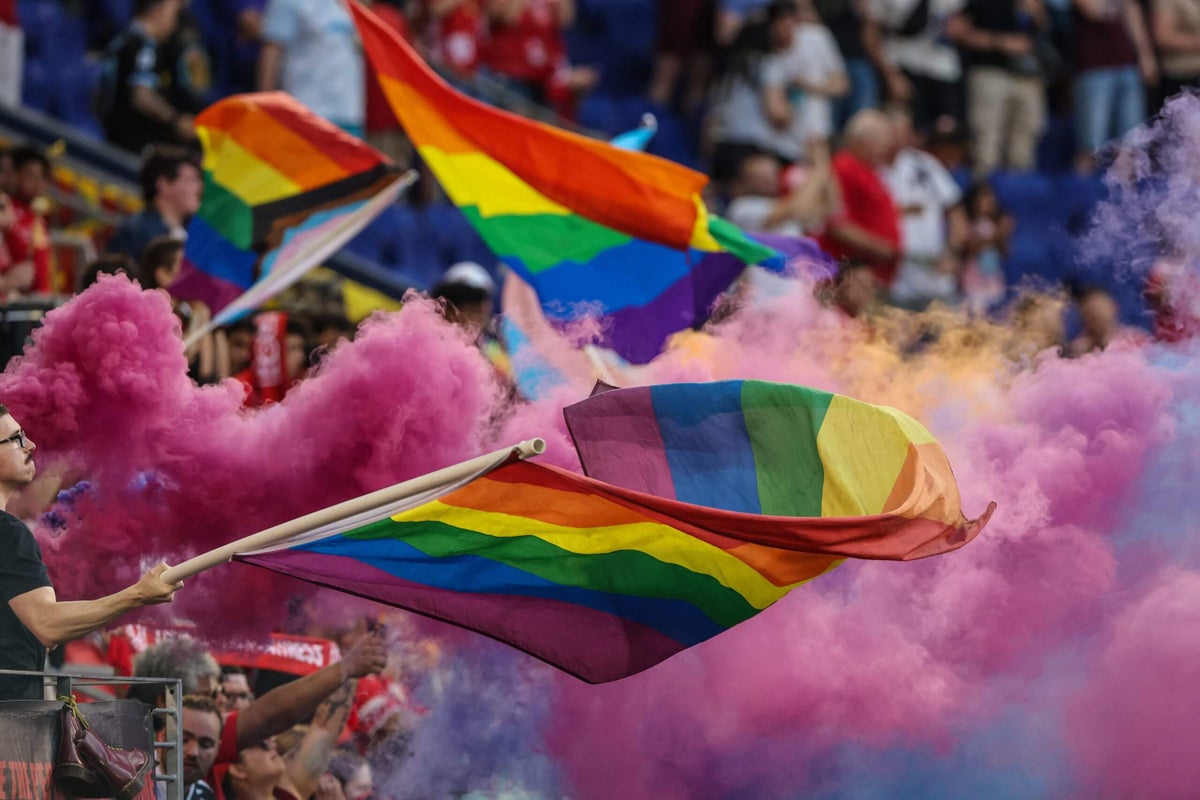
A version of this article was originally published on December 10, 2025Friday’s World Cup Group G meeting between Egypt vs. Iran at Lumen Field coincides with Seattle Pride, the city’s celebrations to promote the rights and freedoms of the LGBTQ+ community, which usually takes place during the final weekend of June.Determined to mark the occasion, Seattle’s host organizing committee has therefore designated the fixture a specific ‘Pride Match’. Its website has a page dedicated to the Pride Matchday and it held a Pride Match Day press briefing on Thursday.The decision is not without controversy, however, and has sparked a backlash from the teams involved, with the Iran Football Federation calling on FIFA to prevent any “ceremonies or promotional activities” at the Pride Match — and insisting that it is supported by opponents Egypt.Here, The Athletic explains the situation.What is the Pride Match? As part of the Seattle committee’s inclusive aims, its website says it established a committee that will plan and execute initiatives relating to the Pride Match. This was scheduled to take place during Pride Weekend in June and had been in the works long before the draw. The weekend of June 27-28 coincides with the anniversary of the Stonewall protests in New York City, which began on June 28, 1969, and is commonly considered to be a seminal moment in the struggle to secure gay rights in the United States.Pride celebrations take place across Seattle annually, typically during the last weekend in June. (Juan Mabromata / AFP)The sub-committee of the Seattle host committee is called the Pride+ Match Impact Council and appears to have two members. They are Jen Barnes, the founder of Rough & Tumble (a pub which emphasizes screenings of women’s sport), and Louise Chernin, who was CEO of the Greater Seattle Business Association between 2002 and 2020.The Seattle FWC26 website says of the Pride Match: “With hundreds of thousands of visitors and billions of viewers worldwide, this is a once-in-a-lifetime moment to showcase and celebrate LGBTQIA+ communities in Washington, while ensuring meaningful, lasting impacts for local businesses, arts, and organizations.”It adds that the committee will provide “strategic advice and validate community-informed priorities”, “curate Pride stories and economic opportunities for LGBTQIA+-owned enterprises”, as well as “shape communications, community activations, and cultural programming”.In a report published this week, Hedda McLendon of Seattle’s World Cup organizing committee told Kiro7 news channel that “one of the things that makes us unique is our culture of inclusion.” She said that Egypt and Iran are “just two of 65 countries around the world that criminalizes homosexuality and there is an opportunity for everybody to do better when it comes to LGBTQ inclusion.”The Seattle FWC26 host committee has held design contests to mark the Pride Match. Three finalists for the Pride design contest were announced in November, with the committee saying the artists were “selected for their original designs capturing the themes of unity, pride, and the power of sport to bring people together”.The artwork will be incorporated into a citywide celebration and, it adds, will be a “lasting symbol of Seattle’s commitment to inclusion and pride”.Why has the Pride Match become controversial?A spanner was thrown into the works when the group-stage draw and subsequent match schedule emerged in December, with Egypt’s Group G finale against Iran to be played in Seattle on Friday, June 26 (in the early hours of June 27, European time).The Human Dignity Trust says the Iranian state criminalizes gay people, as well as same-sex sexual activity, and ultimately imposes a maximum penalty of death under its penal code. It also says Egypt prohibits same-sex sexual activity, with provisions for prison sentences and fines.There was a significant risk before the draw took place that Seattle could host nations that criminalize same-sex relations. In addition to Egypt and Iran, other World Cup-qualified nations with the same stance include Qatar, Saudi Arabia, Uzbekistan, Algeria, Morocco, Tunisia, Ghana, and Senegal.What have the teams involved said?In response to an enquiry by The Athletic, a spokesperson for the Iran national team said on Wednesday night: “The Football Federation of the Islamic Republic of Iran takes this matter seriously and has clearly communicated its position to FIFA.“Iran and Egypt are two Muslim countries with deep cultural and religious commonalities, and the views expressed by both federations reflects the values and beliefs shared by the people of both countries.“Our position is that no ceremonies, or promotional activities associated with this movement should be present inside the stadium or as part of the match environment. This position has been communicated to FIFA through the appropriate channels.“We believe FIFA should take into account the views and concerns of the participating teams when considering matters related to the match environment and stadium presentation.“FIFA has been informed of this shared position by both countries and is expected to take the necessary steps to ensure that no related ceremonies or promotional activities take place within the stadium or as part of the official match environment.”Seattle’s Lumen Field will host the Egypt vs. Iran match. (Emilee Chinn / Getty Images)The spokesperson added that the Iranian federation has relayed to FIFA that it does not wish to see symbols or representations of the “movement” within the stadium.Back in December, the Egyptian FA said in a statement that the federation refuses “the holding of any activities related to supporting homosexuality” during the game.The association added it has sent an official letter to FIFA secretary general Mattias Grafstrom expressing similar sentiments, saying “these activities … directly contradicts with the cultural, religious and social values in the region, especially in the Arabic and Islamic communities.”The Egyptians warned that such activities “could cause cultural and religious sensitivity between the attending fans of both countries” and must be avoided in order to maintain “the spirit of unity and peace”. They also noted that FIFA’s statutes say it ought to remain neutral in political matters and that it should not promote issues the Egyptian FA deems to be “sensitive or divisive”.The statement concluded: “Therefore, to guarantee the game is played in an environment that prevails respect and focuses solely on the sporting side, the Egyptian FA refuses those invitations and requests FIFA to not hold any activities or shows related to homosexuality-support events inside the stadium on matchday.”The Egyptian FA has been approached for fresh comment by The Athletic but did not respond at the time of publication.So what have FIFA and Seattle said?FIFA told The Athletic on Wednesday it is permitting rainbow flags at all of its World Cup matches this summer.However, the FIFA President Gianni Infantino attempted to play down the “Pride Match” branding in an interview with the Swiss newspaper Weltwoche in January. He said: “I must clarify that there will be no ‘Pride Match’ at the (FIFA) World Cup. There will be a FIFA World Cup match in Seattle, and on the same day, events organised by external organizations will be taking place in the city. But that has nothing to do with the match itself.”According to sources familiar with FIFA’s thinking, Infantino has attempted to tread a line between being receptive to Seattle’s desire to be inclusive, while also seeking to manage his ongoing relations with the Iranian and Egyptian federations. However, FIFA also dropped their Unite For Inclusion campaign for this World Cup, which had been seen at previous tournaments while the body also threatened European nations with yellow cards if their players wore a rainbow-themed armband during the World Cup in Qatar in 2022, another country which criminalizes same-sex relations.Back in December, multiple people familiar with the situation, all of whom wished to remain anonymous as they were not authorized to speak publicly on it, indicated that the body’s central headquarters has no role in the Pride initiative. They also said at that time that nothing has been planned within the stadium itself for matchday. The local host committees do not have the power or scope to impose initiatives inside tournament venues, as all World Cup programming is led by FIFA’s central HQ.FIFA added in a statement this week: “The FIFA World Cup 2026 is an inclusive event that welcomes people from all backgrounds. Fans of all sexual orientations and gender identities are welcome at matches and events.“General statements of human rights, including rainbow flags and other flags representing sexual orientation and gender identity, are permitted under the FIFA World Cup 2026 Stadium Code of Conduct and may be displayed inside stadiums provided they are used in a manner consistent with the code.”The programming planned by the Seattle host committee is instead intended to be outside of the stadium perimeter, which is not under FIFA’s jurisdiction.The broad-brush description of a Pride Match, branded as such by the Seattle committee and widely reported by global media, appears to have given the impression there would be an organized Pride feature in Lumen Field, but it is not clear this was ever the case. FIFA allows individual supporters to wear Pride colours or demonstrate representation for the cause within their venues, and it is possible locals who attend the game may wish to do so on a Pride weekend.The activities planned by the local host committee may instead relate to Seattle’s broader Pride programming ahead of the weekend, while activities are also on the drawing board for fan festivals, which are under host-city control but overseen by FIFA.The Athletic was told by sources familiar with the talks, who asked to remain anonymous to protect relationships, that there were some even some attempts in the lead-up to the World Cup by the two federations (Egypt and Iran) to ensure that all Pride-related branding around the game and across FIFA-related touch points across the city be removed altogether — an ask which FIFA did not agree to, such was the desire of the host committee and local Seattle politicians and organizers to press ahead.In spite of the backlash, the Seattle committee showed no signs of backing down.In a statement to The Athletic in December, Hana Tadesse, its vice-president of communications, said: “SeattleFWC26 is moving forward as planned with our community programming outside the stadium during Pride weekend and throughout the tournament, partnering with LGBTQ+ leaders, artists, and business owners to elevate existing Pride celebrations across (the state of) Washington.“Football has a unique power to unite people across borders, cultures, and beliefs. The Pacific Northwest is home to one of the nation’s largest Iranian-American communities, a thriving Egyptian diaspora, and rich communities representing all the nations we’re hosting in Seattle. We’re committed to ensuring all residents and visitors experience the warmth, respect, and dignity that define our region.”What is a local FIFA host committee? At previous men’s World Cups, world football/soccer governing body FIFA used a more traditional model of a single local/national organizing committee for the host nations concerned, such as Qatar’s Supreme Committee for Delivery and Legacy for the previous edition in 2022.However, for the 2026 men’s World Cup, FIFA has instead taken the vast majority of its operations and logistics in-house. This allows FIFA, which has set up offices in Miami, Florida, and New York City, to maximise the commercial benefits of the tournament. There is very little revenue sharing, with FIFA taking all the income from ticketing, broadcast deals, in-stadium sponsorship, and even parking fees.Yet within that model, FIFA has still allowed for each city staging matches to have its own host committee. These are subsidiaries of the “FWC (FIFA World Cup) 2026 U.S.” entity, which FIFA has established in the United States. It means each of the 16 cities can drum up local sponsorship and arrange programming around the games to produce economic impact for its region. The Seattle FWC26 committee has representation on its board from executives from Seattle Reign FC of the NWSL, MLS team Seattle Sounders FC, the Seattle Sports Commission, and the NFL’s Seattle Seahawks, as well as Sounders owner Adrian Hanauer. It also has a day-to-day leadership team.The Seattle FWC26 committee defined its mission as going beyond the passion for soccer in the Pacific Northwest. On its website, it identifies key pillars. Firstly, it says that as a not-for-profit organization, SeattleFWC26 is “working to deliver a safe, sustainable, and accessible FWC that meets our region’s values”. As part of this objective, it says Seattle and the wider Washington State area “value diversity and celebrate the many cultures and communities that make this a special place to live”. It adds that it will “present the (World Cup) games with an inclusive, celebratory energy.”
Explaining Egypt vs. Iran at Lumen Field, a controversial World Cup ‘Pride Match’
FIFA president Gianni Infantino previously pushed back against the idea of a World Cup 'Pride Match.'
2,075 words~9 min read