Friday 26 June 2026 5:00 am
| Updated:
Thursday 25 June 2026 7:33 pm
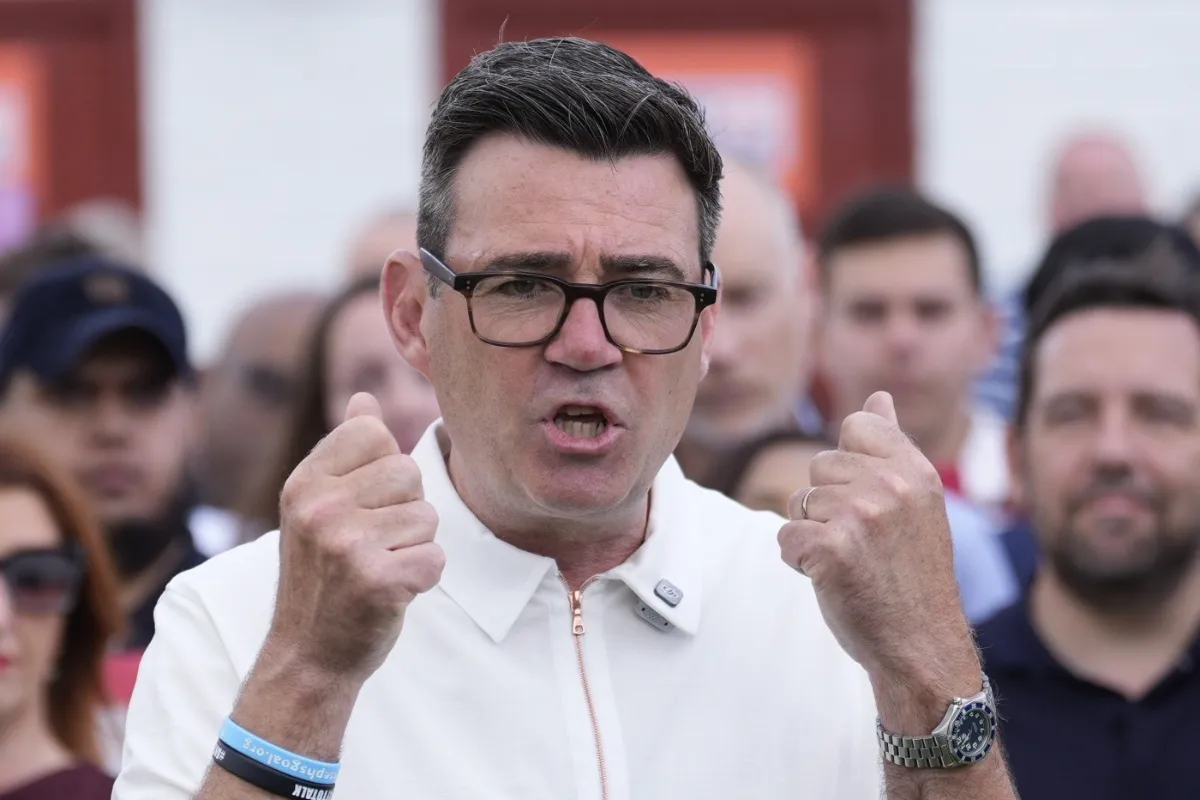
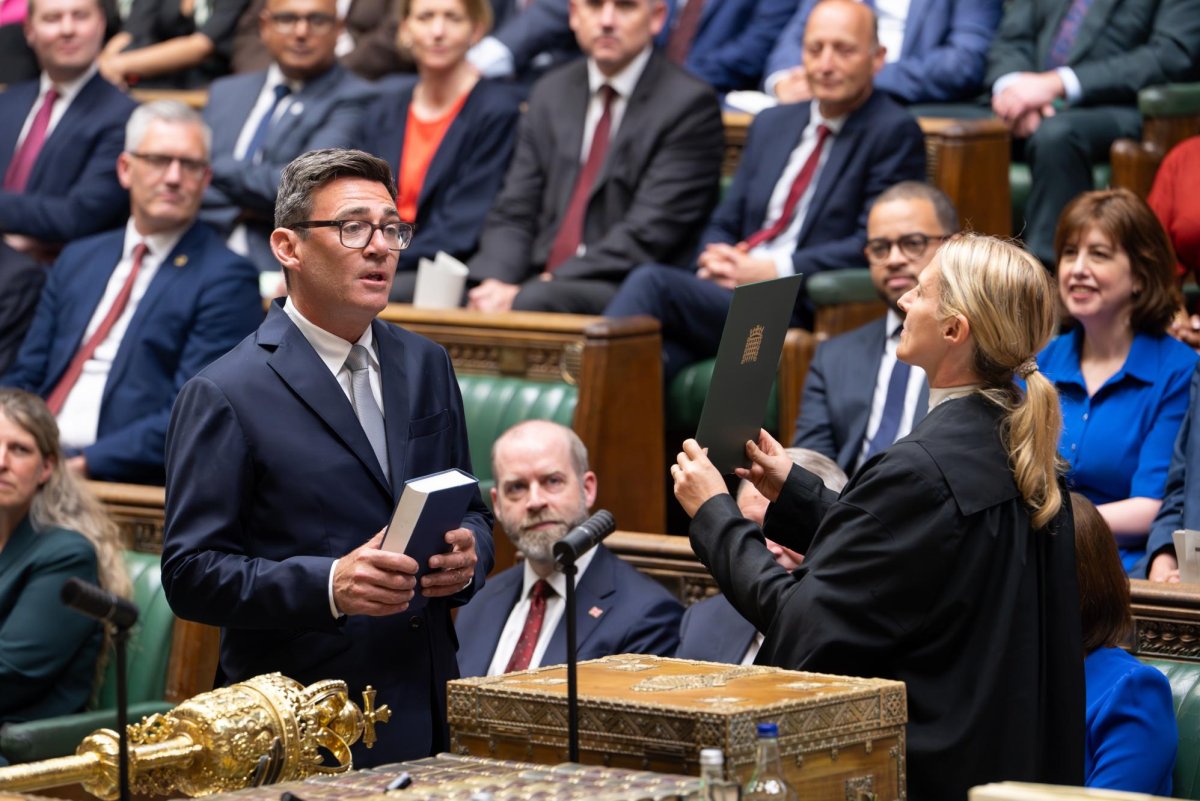
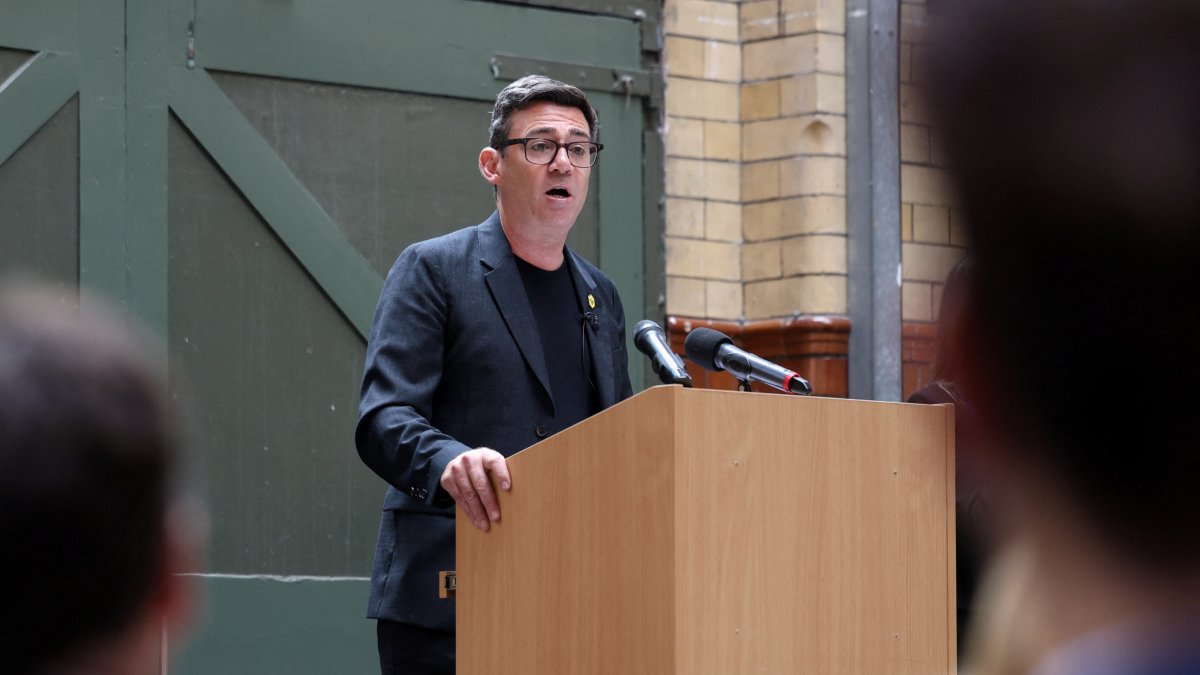
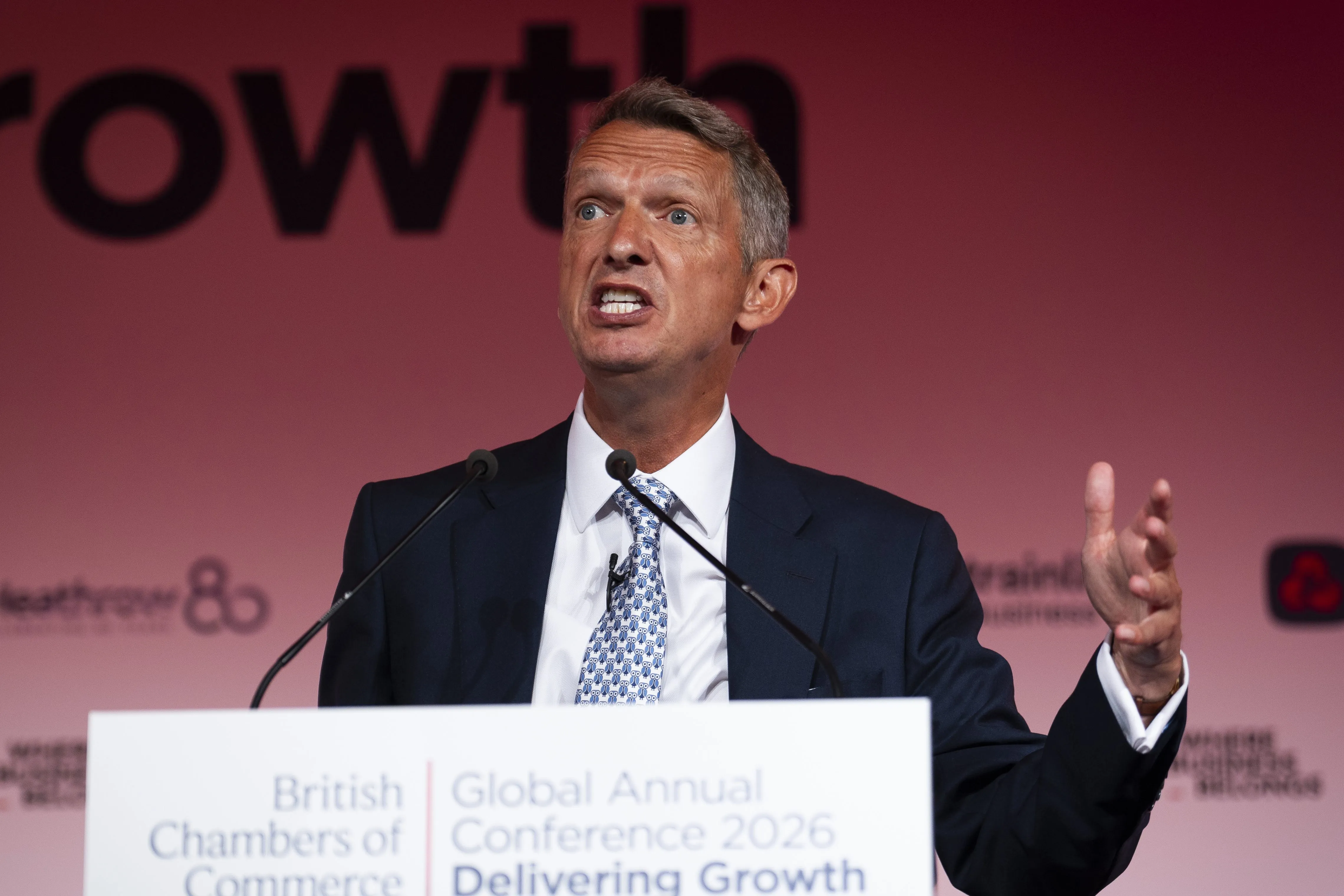
Andy Haldane heaped praise on Prime Minister-to-be Andy Burnham. PA Wire
Andy Haldane is pressing for a radical shake-up of the UK’s tax and wider economic systems as he heaped praise on the Prime Minister-to-be Andy Burnham for having the potential to bring a “change in vibe” across Britain. Haldane, who is advising Burnham on economic policies and growth, urged the country’s next leader to be “bolder and brassier” in order to boost dynamism across the UK economy. He emphasised that “stability is not stasis” and Burnham had the potential to “generate a sense of momentum” though the Prime Minister would have to confront the “psychological significance of taking the first step” on a radical reset.In an interview with City AM, the former Bank of England chief economist, who is currently the president of the British Chambers of Commerce, an industry group, suggested Burnham could introduce sweeping changes around the tax code, the triple lock pension and moving teams in Whitehall around the country. Haldane also opened the door to a change in the fiscal rules. He said that the Office for Budget Responsibility should at least take assessments on government policy effects lasting over a 10-year period, even if the three-year fiscal forecast window for borrowing was left unchanged. Overhauling the OBR’s framework to allow for longer forecast windows is a view passionately shared by Burnham’s chief campaigner, Louise Haigh. Haldane’s high praise for Burnham After an impassioned speech decrying “foreign raiders” taking over Britain’s start-ups and claiming greater tax reliefs should be given to investors pumping cash into domestic assets, Haldane praised Burnham’s mayoralty of Greater Manchester as growth in the city averaged at around three per cent.Haldane told City AM that Burnham was capable of changing the “vibe” around British businesses over the next three years after having overseen Manchester’s economic transformation. He said: “Andy was mayor of Manchester for 10 years. Even over 10 years, GDP in Manchester didn’t catch up with London, but did we see an acceleration? Yes. Was that accompanied by a change in vibe about Greater Manchester? Yes.“Can those elements be brought to bear at the national level, most likely with Andy as leader? Absolutely, they can. That will require a boldness of leadership that we’ve not had in the recent past, and we can wish for in the future.”He praised the Treasury’s campus in Darlington as a “success story” and suggested that the Office for National Statistics “would have had its challenges” even if its offices weren’t moved to Newport in Wales. He also backed Burnham’s drive to offer powers to local authorities in a “devolution revolution” as there was an “overwhelmingly strong case for decentralising the power-broking and the resourcing” of the central government. Case for tax reform ‘could not be clearer’Haldane doubled down on his staunch criticism of transaction taxes such as stamp duty and an outdated council tax system. He endorsed a cross-party report, organised by the Centre for the Analysis of Taxation and backed by the likes of Labour’s Yuan Yang as well as the Conservatives’ Andrew Griffith, on sweeping tax reforms that could bolster growth prospects. Among a number of “revenue neutrality” adjustments recommended in the paper was a call for property taxes to be replaced with a combination of changes to business rates and council taxes, with property valuation bands not being revised since 1991. Haldane said the case for a land value tax to replace “terrible” stamp duty “could not be clearer” as he said HMRC’s code should be revised to a degree not seen since Nigel Lawson was Chancellor during Margaret Thatcher’s premiership. Responding to Haldane’s comments, Centax director Arun Advani said their report was designed to foster a cross-party debate about tax reform. “People differ about exactly which implementation they prefer, but what was really striking was the consensus that any of the plausible alternatives were better than the status quo.”Centax researchers warned that proposals in the report were “realistic” though required “serious structural reform” and needed longer than the 10 weeks of planning, roughly the period of time taken for Budgets to be drafted. However, Haldane took a more cautious view on a plan backed by some Labour backbenchers and Wes Streeting to equalise capital gains taxes with income tax levels, while allowing for an investment allowance for entrepreneurs. The leading economist said a new capital gains tax system should not be used as a “cash cow” to raise funds given the uncertainty and volatility of receipts. The OBR has previously raised the alarm on the difficulty of predicting the behavioural effects caused by changes to the wealth tax. Triple lock pension ‘unsustainable’The economic heavyweight has been a staunch critic of the triple lock pension, along with a growing number of economists and City analysts. The Office for Budget Responsibility said the welfare mechanism – which determines the state pension must rise by whichever is highest out of inflation, wage growth or 2.5 per cent – had cost taxpayers three times more than originally expected and presented a threat to the sustainability of public finances. Haldane doubled down on his criticism of the triple lock, arguing it was “fiscally unsustainable” and adding that “the fiscal arithmetic doesn’t lie”. He suggested that there was scope for reform of the policy under a Burnham premiership as the debate had “shifted” rapidly over two months. Former Prime Minister Sir Tony Blair and ex-Chancellor Jeremy Hunt are some of the major figures to call for the triple lock to be scrapped in recent months. “I don’t know when the moment will come politically, I don’t know when the political will can be summoned, to tackle this, but I think the vast majority of people would say it does need tackling, and given our strained fiscal times,” Haldane said. “Why not now?”