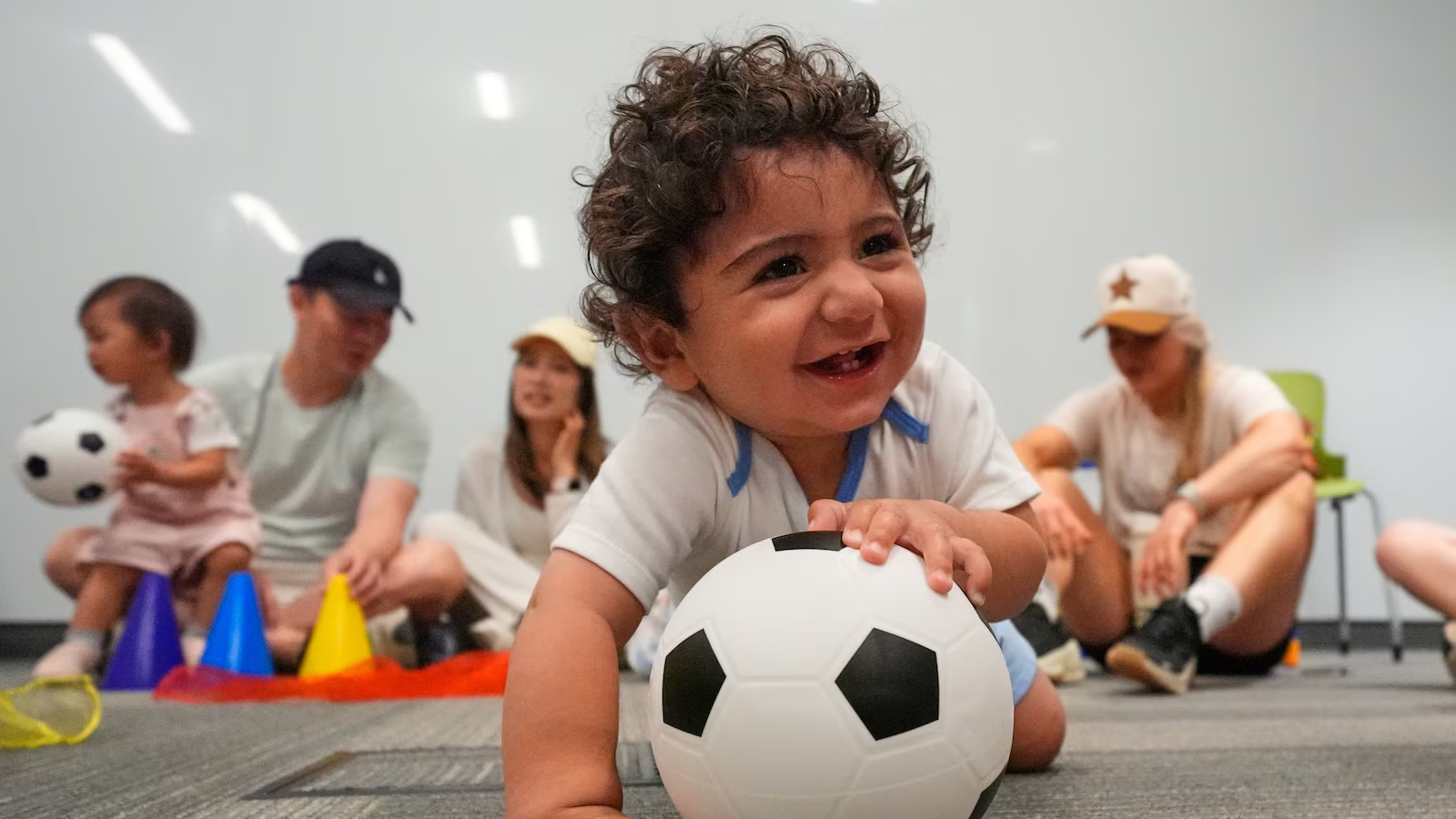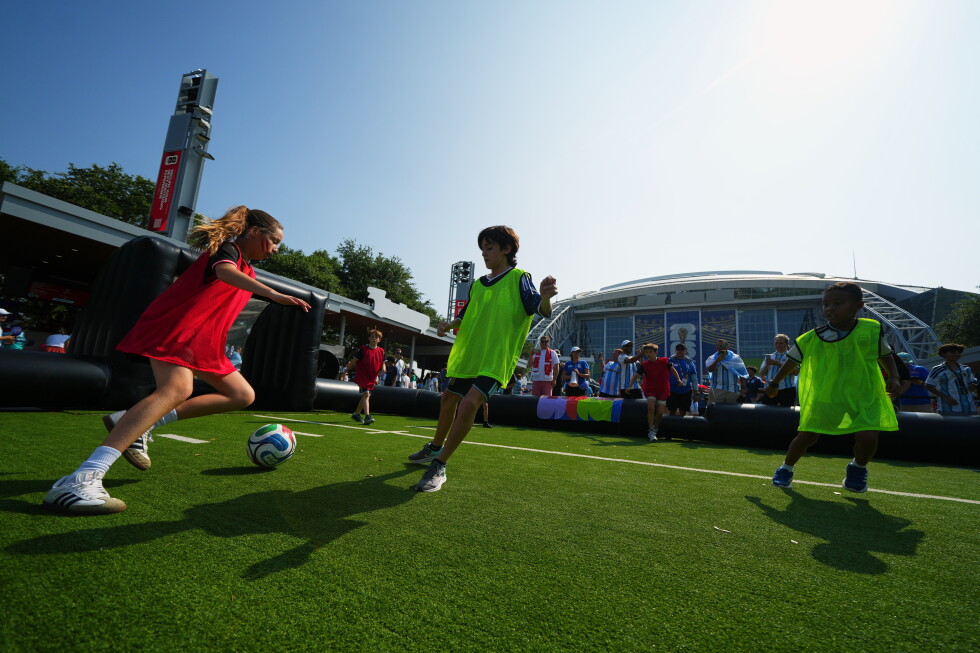
FLAGSTAFF, Ariz. (AP) — Like the Winter Olympics, Masters Tournament and Formula 1 races before it, the World Cup is inspiring some young people to try a new sport and others to imagine themselves on an international stage someday. Researchers even have a name for the motivating influence of major sporting events: the “demonstration effect.”For many parents, though, such excitement can present daily challenges and weighty decisions. How much time and money should families put into a sport a child could outgrow after one season? How can parents tell whether an interest will last? And how can they distinguish between encouragement and too much pressure?Here’s what parents and academic experts say about supporting children in healthy ways and giving them some agency over their participation.
This article is part of AP’s Be Well coverage, focusing on wellness, fitness, diet and mental health. Read more Be Well.
Give children the lead in their sports experienceWhen children discover a new sport, adults are tempted to invest in equipment, lessons and competition early on. But experts say a slower approach gives families time to determine if a newfound interest is likely to stick, especially since children often cycle through hobbies as they grow.Instead of committing to full seasons or ongoing lessons right away, consider more affordable, less time-intensive ways for children to explore sports, such as playing with friends or attending camps or clinics.Learning about nearby coaches, programs and leagues from other families can help parents make the best decisions for their children, said Travis Dorsch, the founding director of the Families in Sport Lab at Utah State University. Just as important, he said, is learning about the sport and finding ways to participate that allow the child to lead.