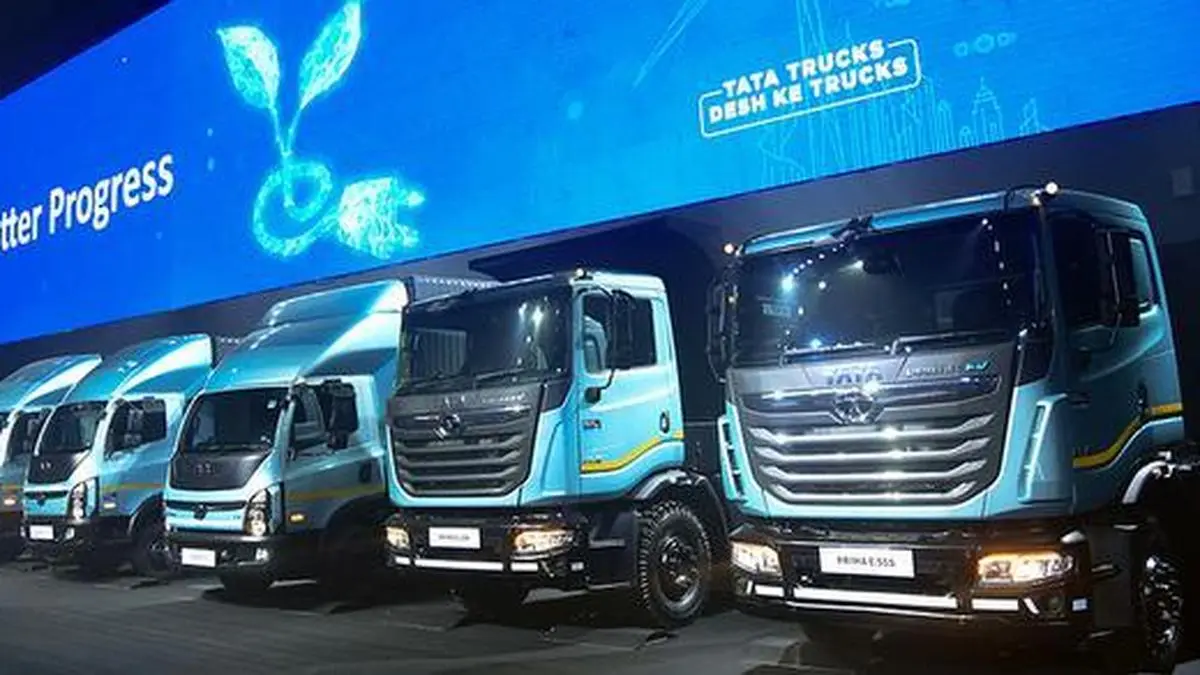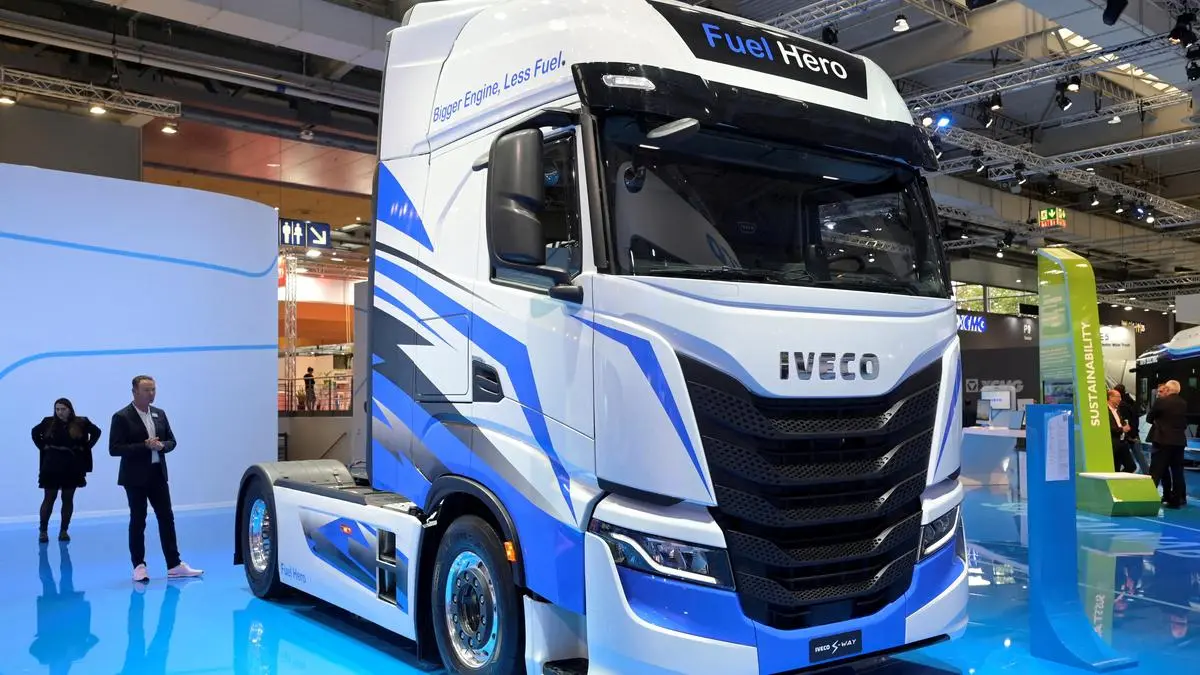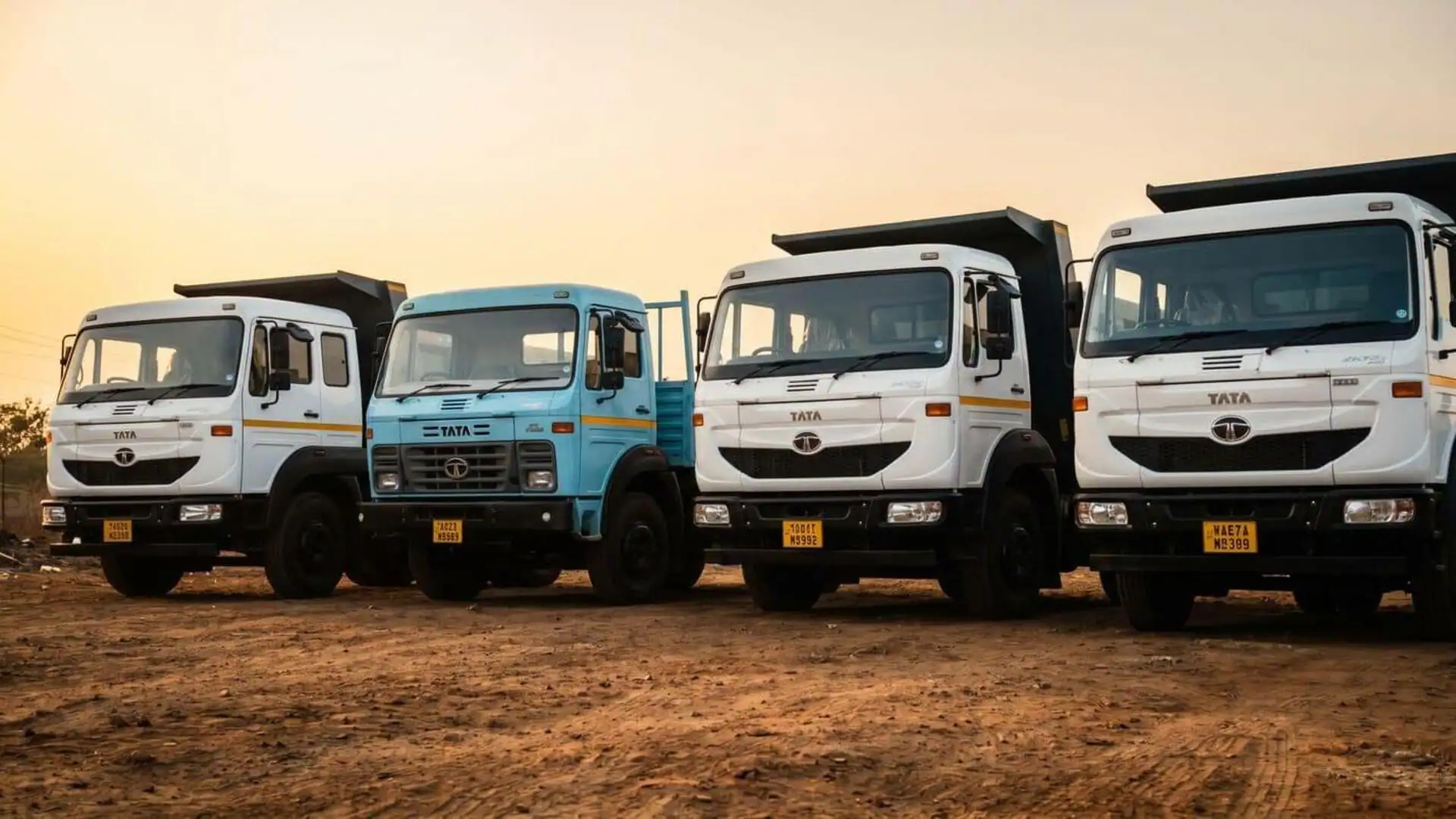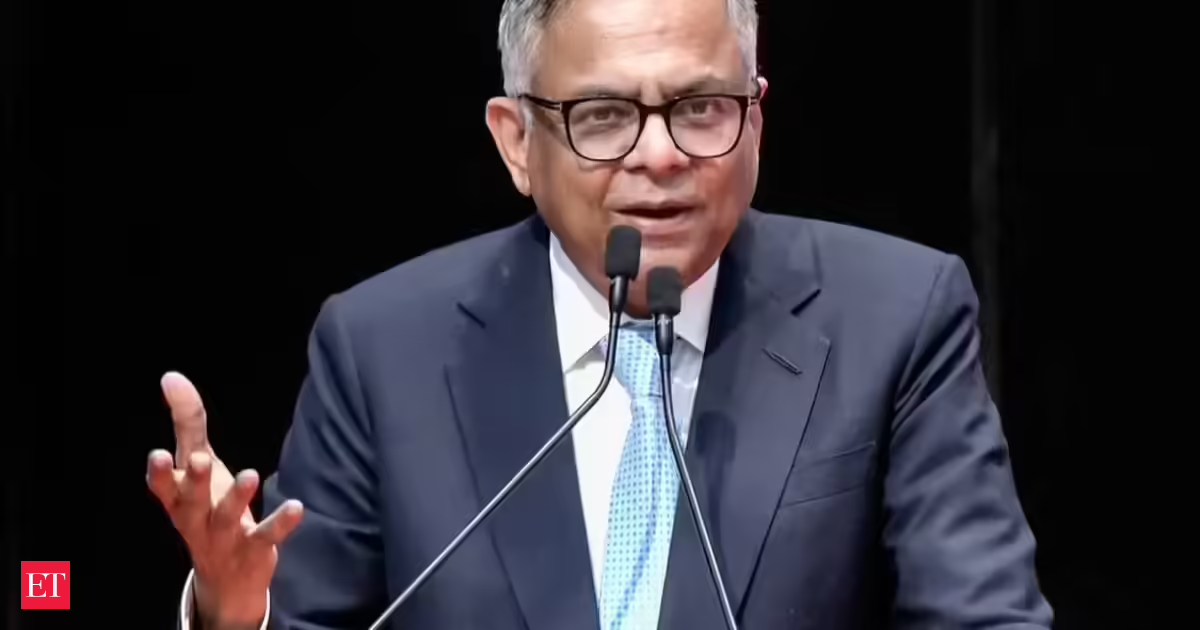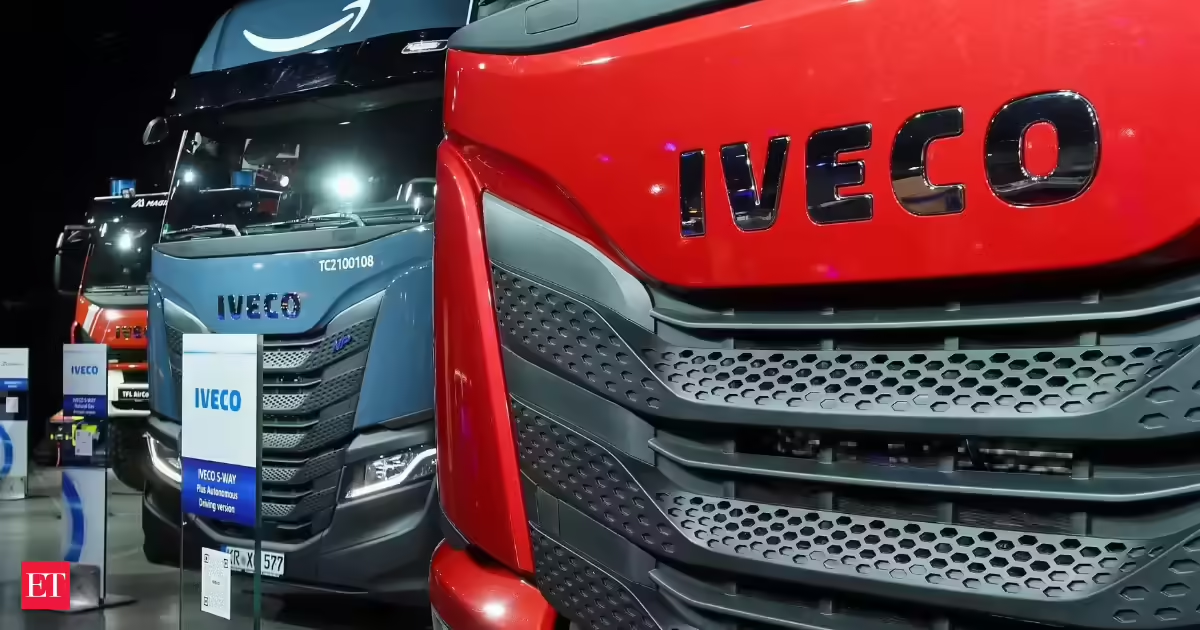
SynopsisTata Motors is targeting a 40% domestic commercial vehicle market share by FY28, bolstered by the proposed $4.5 billion acquisition of Italian firm Iveco. This strategic move aims to unlock new markets, products, and technologies, complementing Tata's existing presence. The company also sees strong domestic recovery, achieving its highest heavy commercial vehicle market share in a decade and maintaining double-digit Ebitda margins despite cost pressures.Co to complete acquisition of Italian truck & bus maker by the end of Q2, says MD Girish WaghMumbai: Tata Motors is betting on a mix of global expansion through its proposed acquisition of Italian truck and bus maker Iveco and recovery in domestic market share to drive the next phase of growth for its commercial vehicle business, said Girish Wagh, managing director and CEO.Wagh reiterated Tata Motors' aim to regain a 40% domestic CV market share by FY28, while underscoring that Iveco would spawn a new growth engine by opening access to markets, products, and technologies where the Mumbai-based automaker has a limited presence. He was speaking to reporters in Mumbai on Thursday.Also read: Tata Motors bullish on CV demand as India growth can outweigh Iran war impact in long termTata Motors announced acquiring 100% of Turin-based Iveco for $4.5 billion in July last year.Wagh said the Iveco deal remains on track for completion by the end of the second quarter of FY27, subject to regulatory clearances. He described the strategic fit as "highly complementary", with Tata Motors' strong presence in India, South Asia, parts of Africa, the Middle East and Asean countries, supplemented by Iveco's market footprint in Europe and Latin America."The smallest product that Iveco has is the Daily (commercial van)," said Wagh.ET Bureau"We have an entire portfolio below that. Similarly, there are premium products in buses, mining tippers, and heavy trucks that could be relevant for India." Beyond product sharing, Tata Motors expects synergies with Iveco across revenues, operating costs, and capital expenditure. Wagh said future opportunities could include taking Tata products to Latin America through Iveco's network and leveraging common investments in areas such as electrification, autonomous technologies, connected vehicles and software-defined platforms.He clarified that Tata Motors isn't currently looking to shift manufacturing from Europe to India but sees significant potential in redesigning supply chains and sourcing more components from cost-competitive locations, including Eastern Europe.Also read: Tata Motors PV eyes over Rs 6 lakh crore revenue by FY31Domestically, Wagh struck an optimistic note on market share recovery. After losing share last year, Tata Motors began this fiscal year on a stronger footing, with gains visible across several segments. In heavy commercial vehicles-its most profitable category-the company achieved its highest market share in nearly a decade.The automaker remains committed to its financial targets despite cost pressures. Wagh said Tata Motors Commercial Vehicles has already achieved its stated objective of delivering double-digit Ebitda margins and double-digit EBIT margins.Chief financial officer GV Ramanan confirmed that the company is continuing to target double-digit Ebitda margins through the cycle and Ebitda margins in the teens during upcycles.While commodity inflation and geopolitical disruptions remain near-term risks, Wagh maintained that India's infrastructure push, industrial growth and rising freight demand would continue to provide structural support to the commercial vehicle industry.Shares of Tata Motors closed 5.1% higher at ₹432.15 apiece on the BSE, outperforming a 0.14% rise in the benchmark Sensex.Read More News on...moreless
Tata Motors CV bets on Iveco deal to prop up local, global play
Tata Motors is targeting a 40% domestic commercial vehicle market share by FY28, bolstered by the proposed $4.5 billion acquisition of Italian firm Iveco. This strategic move aims to unlock new markets, products, and technologies, complementing Tata's existing presence. The company also sees strong domestic recovery, achieving its highest heavy commercial vehicle market share in a decade and maintaining double-digit Ebitda margins despite cost pressures.
555 words~3 min read