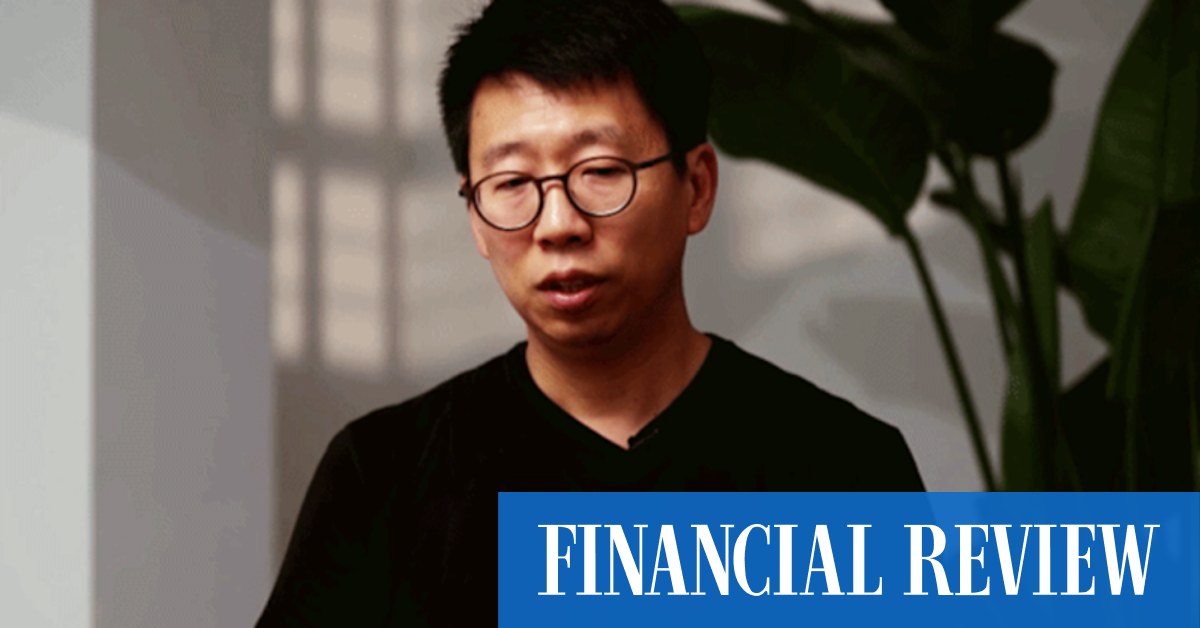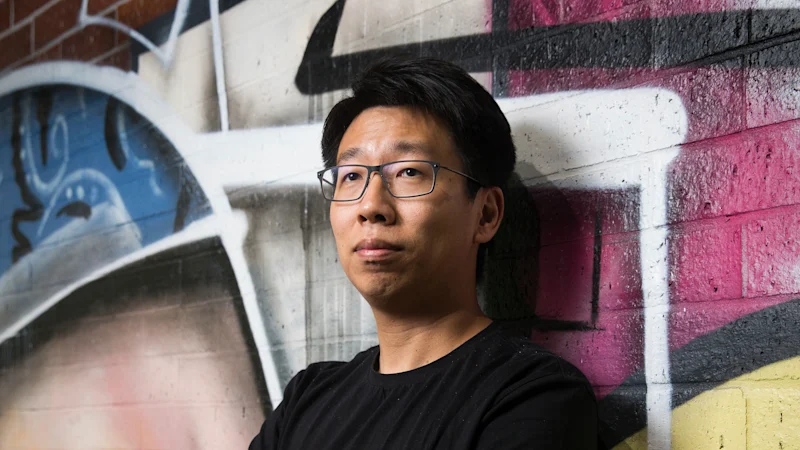
June 26, 2026 — 11:57amThe value of Melbourne-founded payments company Airwallex has soared to $US11 billion ($16 billion) after it raised hundreds of millions of dollars from investors in new funding, even as it fights a financial-crimes audit at home and mounting pressure in the United States over its links to China.The $US320 million funding round means Airwallex’s valuation has increased by about $US3 billion in roughly six months, a vote of confidence in one of Australia’s most valuable private companies even as scrutiny of it intensifies on two fronts.Airwallex co-founder and chief executive Jack Zhang.Elke MeitzelStarted in 2015 by chief executive Jack Zhang, president Lucy Liu and three university friends frustrated by the cost of paying overseas suppliers for a Melbourne coffee shop, Airwallex has built a global payments network that sidesteps the ageing bank-to-bank system. It moves more than $1 billion a day and counts Qantas, Canva and Culture Amp among its customers, and is now domiciled in the Cayman Islands, with head offices in Singapore and San Francisco.The money lands at a fraught moment. In January, the financial crimes regulator AUSTRAC ordered an external audit of Airwallex’s anti-money-laundering and counter-terrorism-financing program, at the company’s expense, saying it had “reasonable grounds to suspect” breaches of several sections of the act. The watchdog raised concern that the platform was being used by money mules to move illicit funds; this masthead has reported that authorities feared it was also being used to facilitate payments linked to child exploitation. The auditor’s report will not be made public.Airwallex has said it is co-operating fully and welcomed the audit as a chance to validate its program. But the scrutiny has clouded a long-expected sharemarket float. Zhang told CNBC in 2024 that the company would be “IPO ready” within two years, then wrote on LinkedIn after the AUSTRAC order that it “never planned to do an IPO this year, or even next year”. Airwallex has since hired crisis public-relations advisers and, through law firm Mark O’Brien Legal, demanded that The Sydney Morning Herald, The Age and The Australian Financial Review remove five articles based on leaked internal documents. The articles remain online.Airwallex moves more than $1 billion a day and counts Qantas, Canva and Culture Amp among its customers.Oscar ColmanIn the United States, the company has become a target for China hawks. On June 17, Republican senator Tom Cotton wrote to Treasury secretary Scott Bessent urging the committee on foreign investment in the United States to review Chinese investment in Airwallex, arguing that its Chinese shareholders could expose sensitive American data to Beijing. Cotton wrote that Tencent and HongShan together held a stake of more than 20 per cent, and had earlier asked the Justice Department to investigate.Zhang has rejected the claims. In a June 9 blog post responding to “patently false allegations” from a competitor, he said American customer data was stored in the US and that staff in China and Hong Kong could not reach it. The allegations were first aired in December by Keith Rabois, a venture capitalist on the board of rival Ramp.For all the noise, the business is growing fast. Airwallex reported $US1.3 billion in annualised revenue as of March, up 74 per cent on a year earlier, and an annualised $US287 billion in transaction volume, up more than 120 per cent. The latest round was led by returning backer Addition, the New York firm run by Lee Fixel, with Baillie Gifford, QED Investors, T. Rowe Price, Hedosophia, Haun Ventures and Amex Ventures among those taking part. Australian funds Square Peg Capital, Blackbird Ventures and AirTree Ventures are earlier backers, alongside Tencent.Alongside the raise, Airwallex unveiled two artificial intelligence products it says will push it from moving money to running finance outright: T:0, a finance “department” in private beta that handles bookkeeping, tax and reporting, and Airi, a consumer wallet built for so-called agentic commerce, in which software makes purchases on a person’s behalf.The Business Briefing newsletter delivers major stories, exclusive coverage and expert opinion. Sign up to get it every weekday morning.David Swan is the technology editor for The Age and The Sydney Morning Herald. He was previously technology editor for The Australian newspaper.Connect via X or email.From our partners
Aussie start-up’s value soars to $16b as scrutiny intensifies
The value of the fintech that moves more than $1 billion a day is soaring. Regulators on two continents are asking hard questions about it.
702 words~3 min read