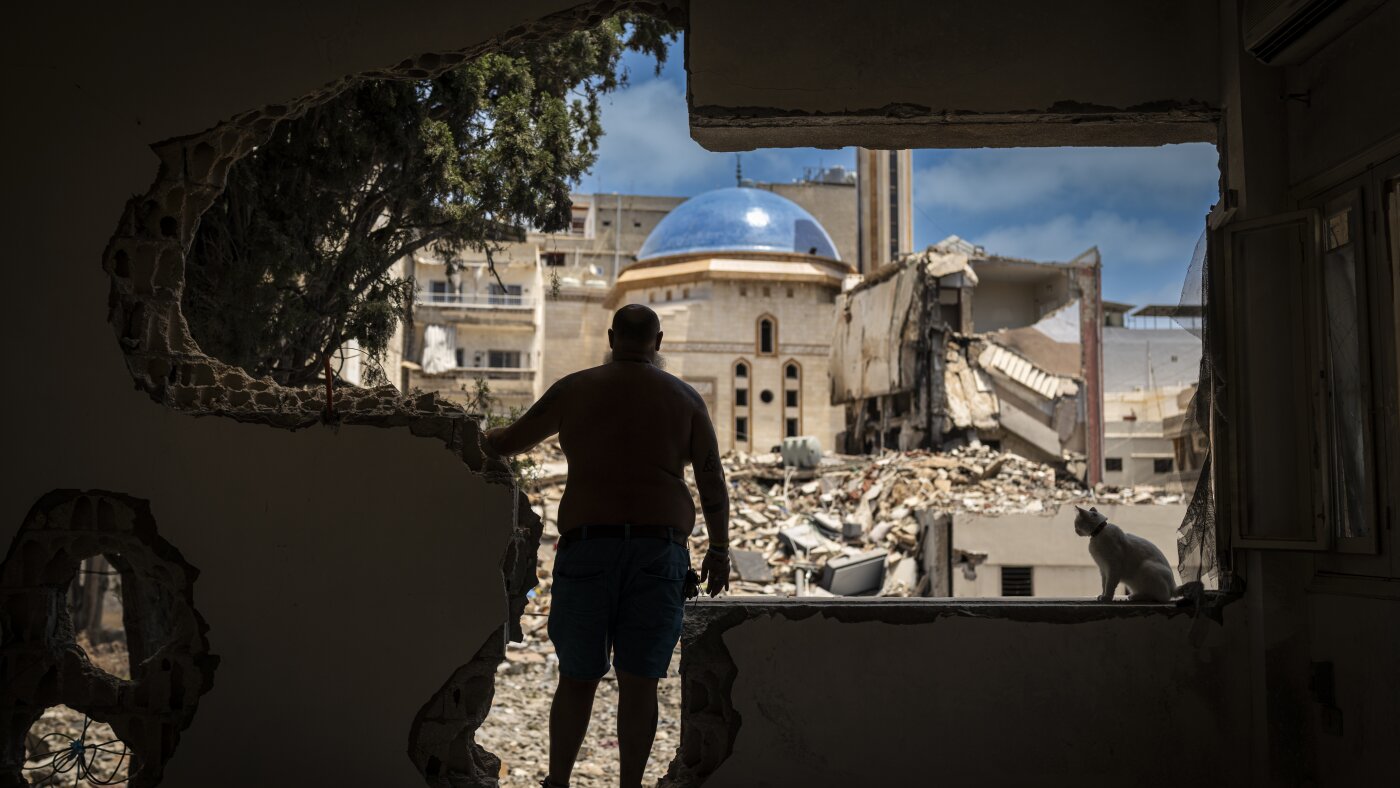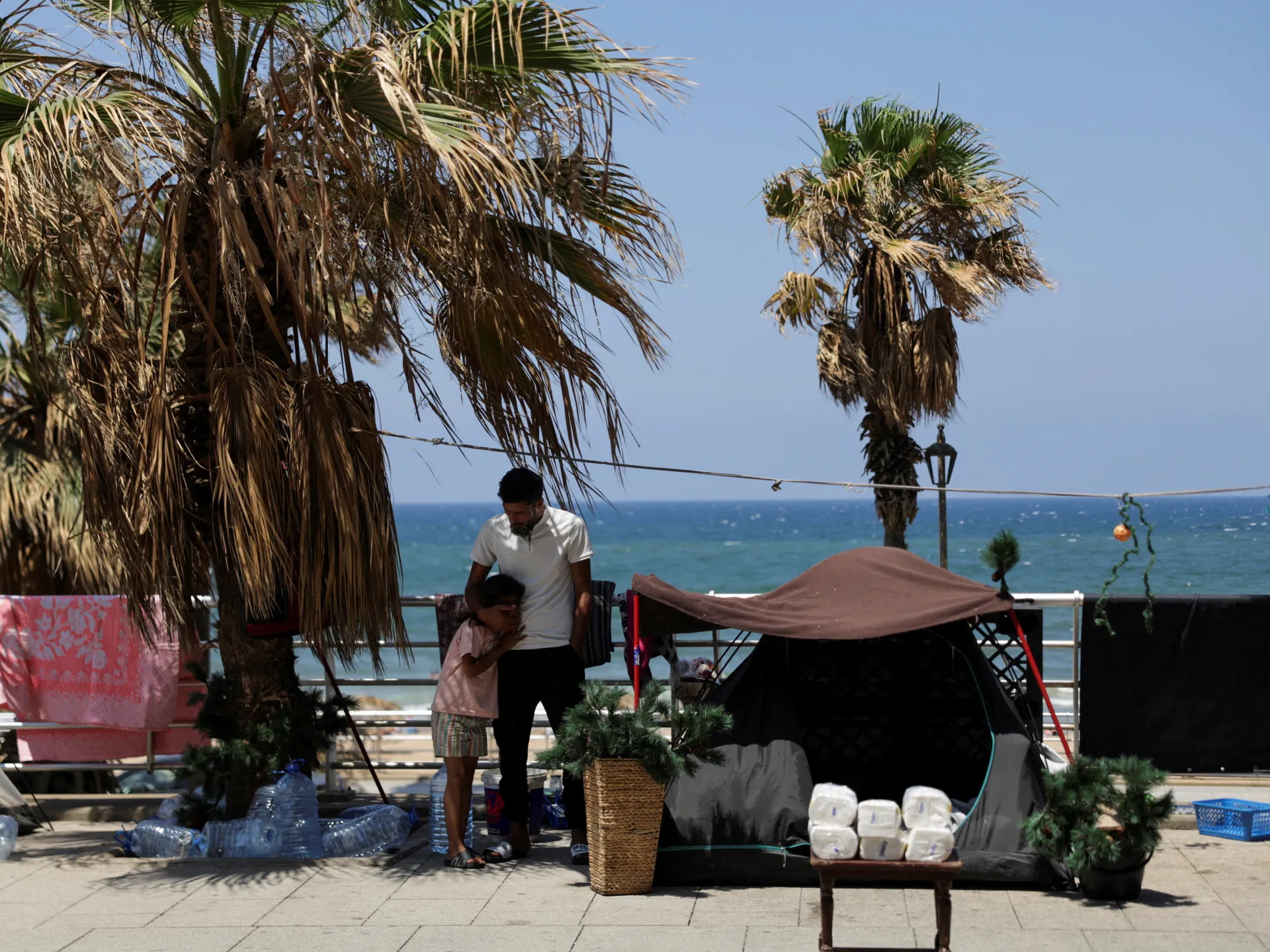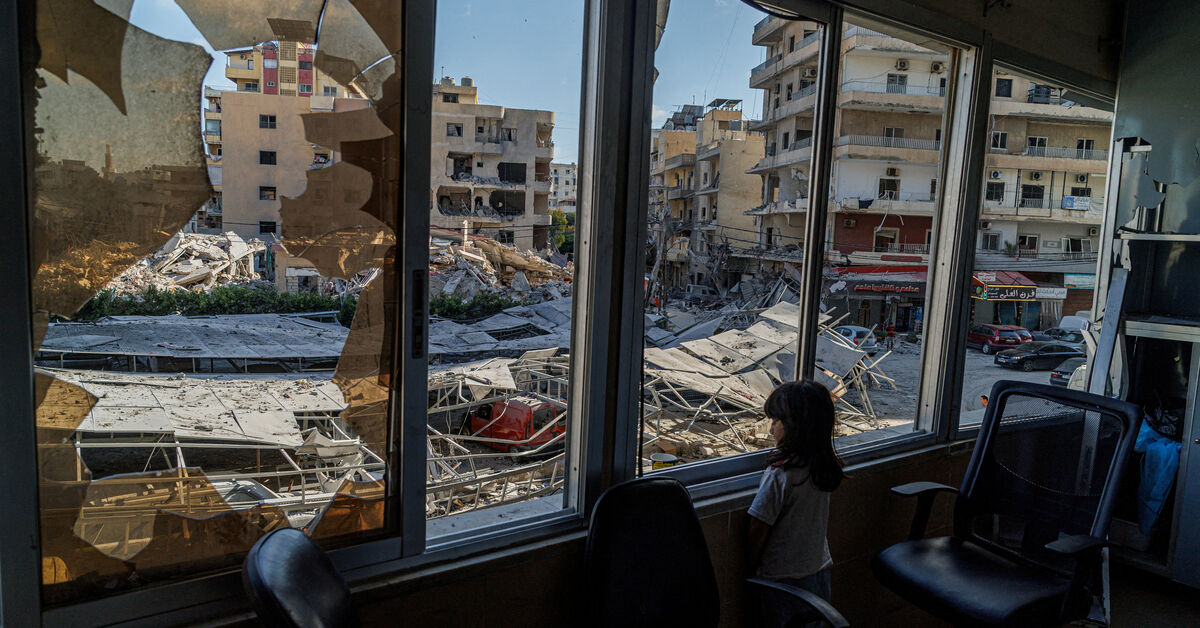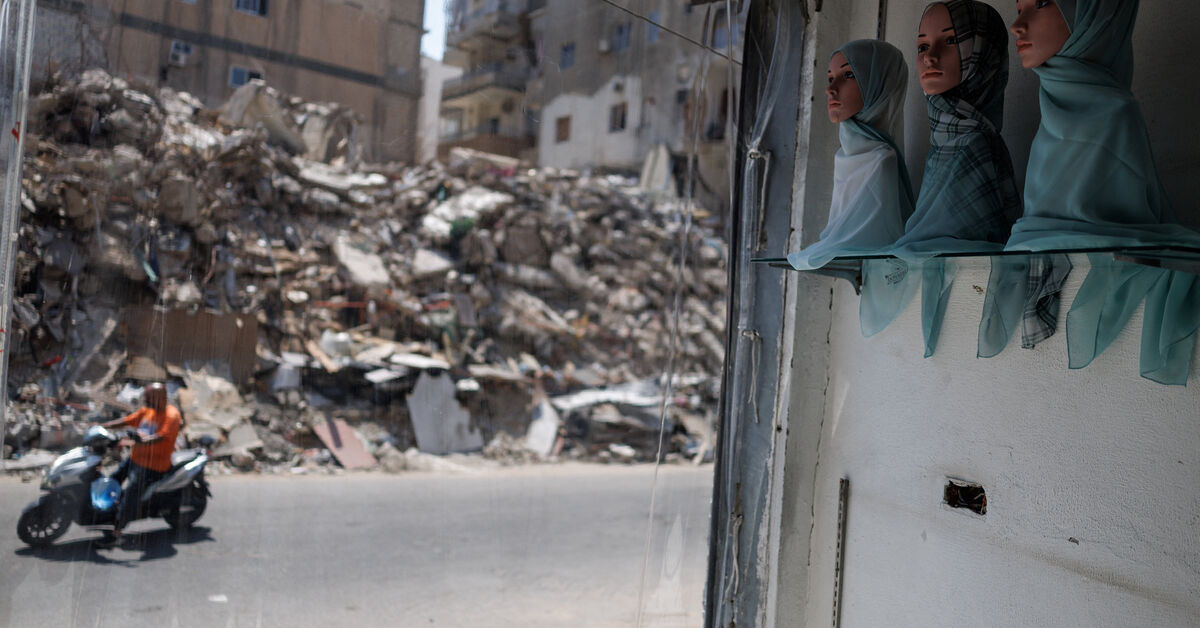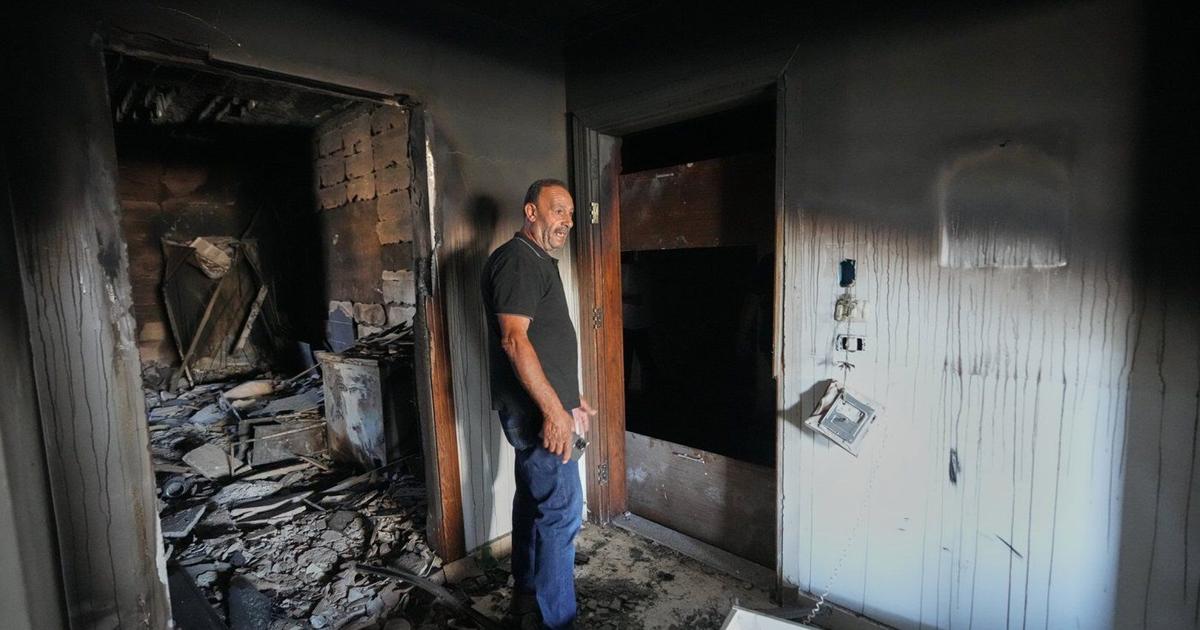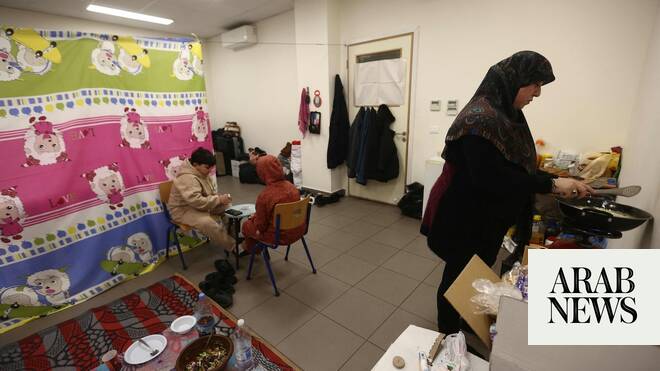
TYRE, Lebanon (AP) — Hassan Ammar is based in Beirut, Lebanon, and has worked for The Associated Press since 2008. Since 2016, he has been based in Beirut covering conflicts, politics, breaking news and daily life across Lebanon and the wider Middle East.Here’s what he had to say about this extraordinary photo.Why this photo?I made this photograph while documenting the impact of the war between Israel and Hezbollah on civilians in southern Lebanon. I was working on a story about families who had been displaced by the conflict and were beginning to return to their homes. While much of the damage was visible outside, I was interested in documenting the quieter moments inside people’s homes and how they were adapting to life after the fighting. When I entered this apartment, the unusual atmosphere immediately caught my attention and felt like a powerful way to tell that story.
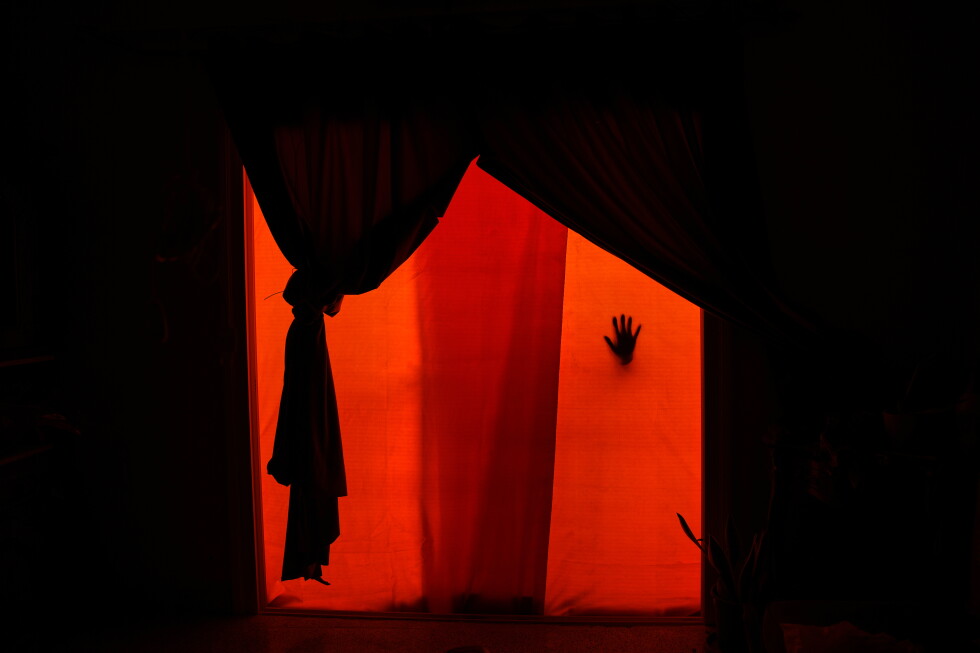
How I made this photoThe image was made in the southern Lebanese city of Tyre while I was covering the aftermath of the conflict. I had knocked on the door of an apartment to ask permission to photograph damaged buildings from the balcony. As soon as I entered, the intense red light filling the room caught my attention. The apartment’s balcony glass had been shattered by nearby strikes, and the residents had hung a red sheet over the opening to provide privacy and block the strong sunlight. With no electricity in the area, the room was almost completely dark, creating a dramatic contrast between the glowing red fabric and the deep shadows.As the apartment owners were working to secure and cover the damaged balcony doors, I noticed the silhouette created by the afternoon sun shining through the red sheet. The dark curtains framing the opening added another layer to the scene, almost like a theater stage, helping draw the viewer’s eye toward the bright red light. I began looking for a composition that would emphasize the unusual light and mood. I was not specifically expecting a person to appear in the frame, but after a short moment someone moved behind the fabric and pressed a hand against it. That simple gesture immediately transformed the scene, giving the image a human presence and emotional weight.