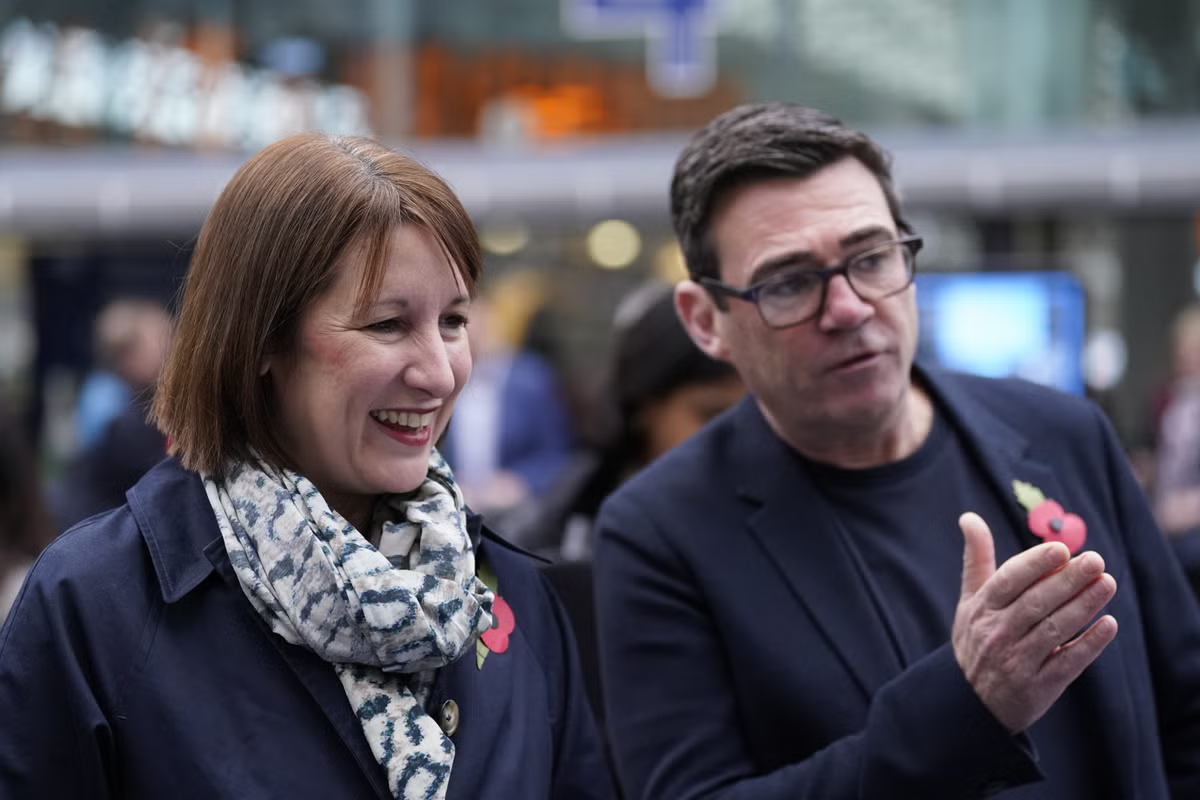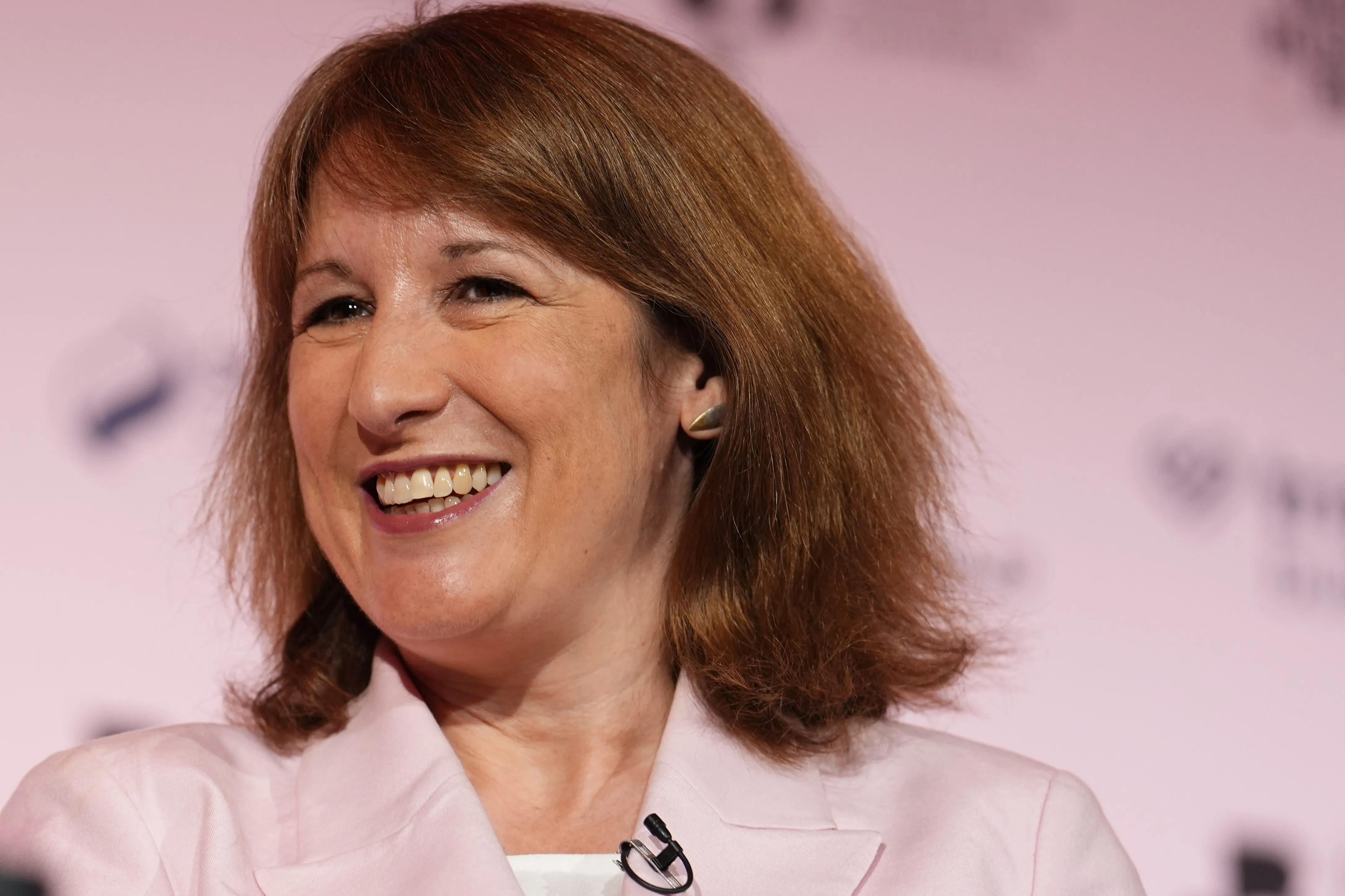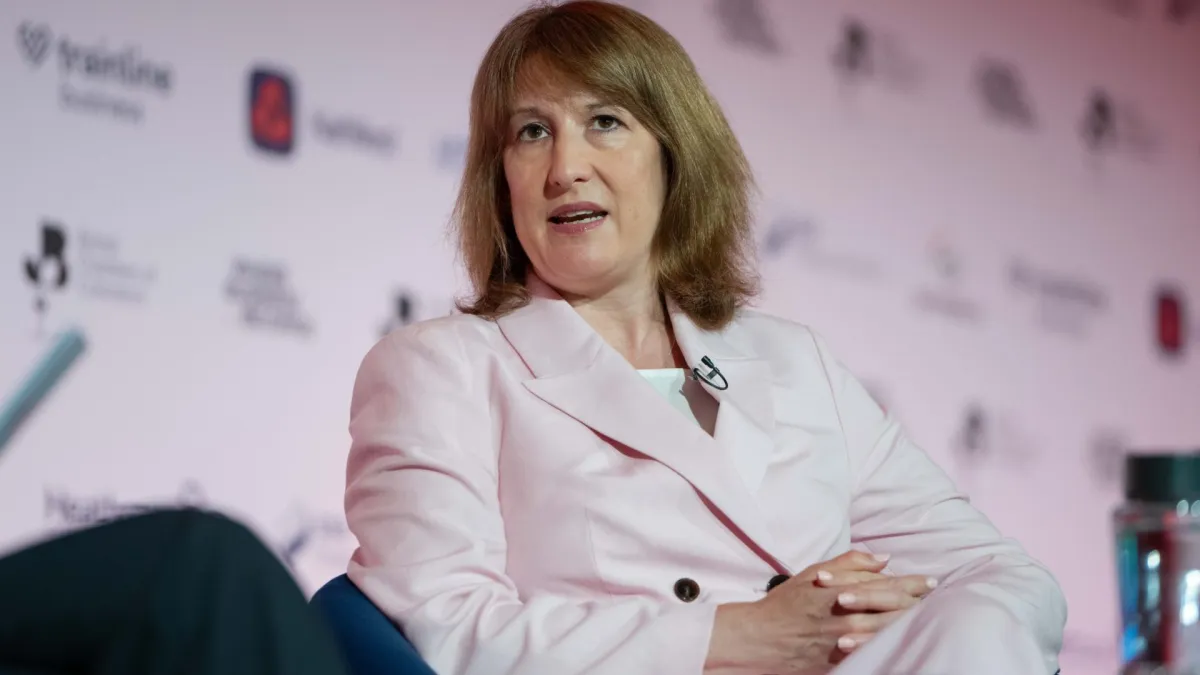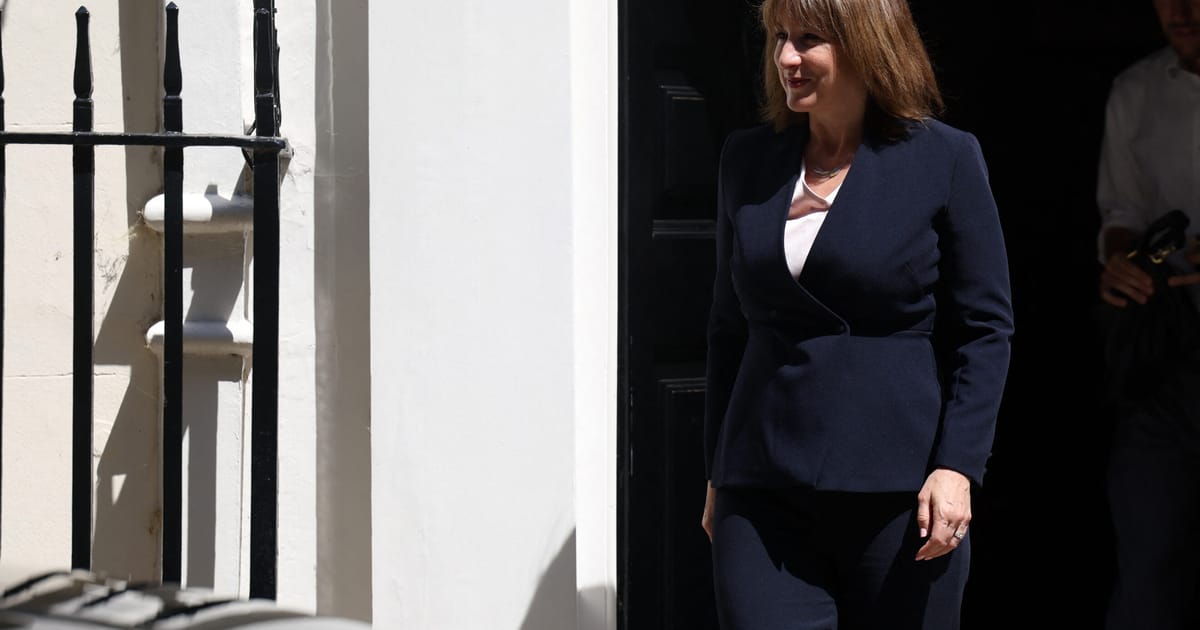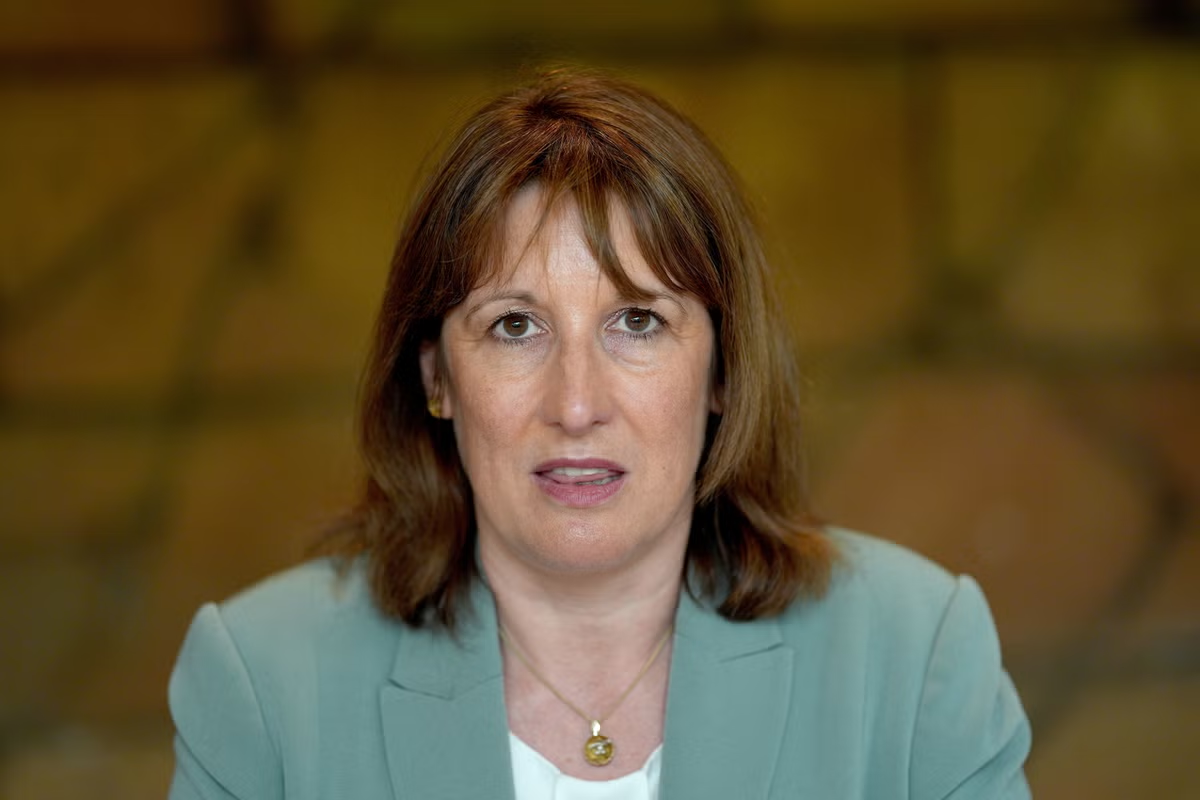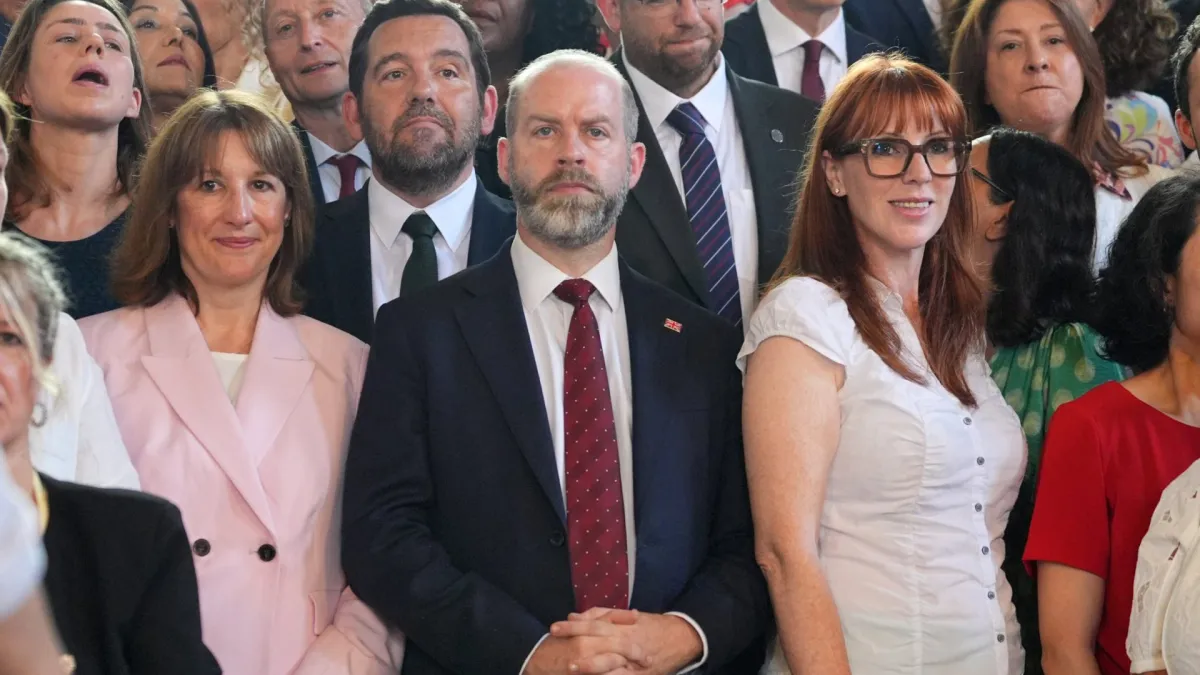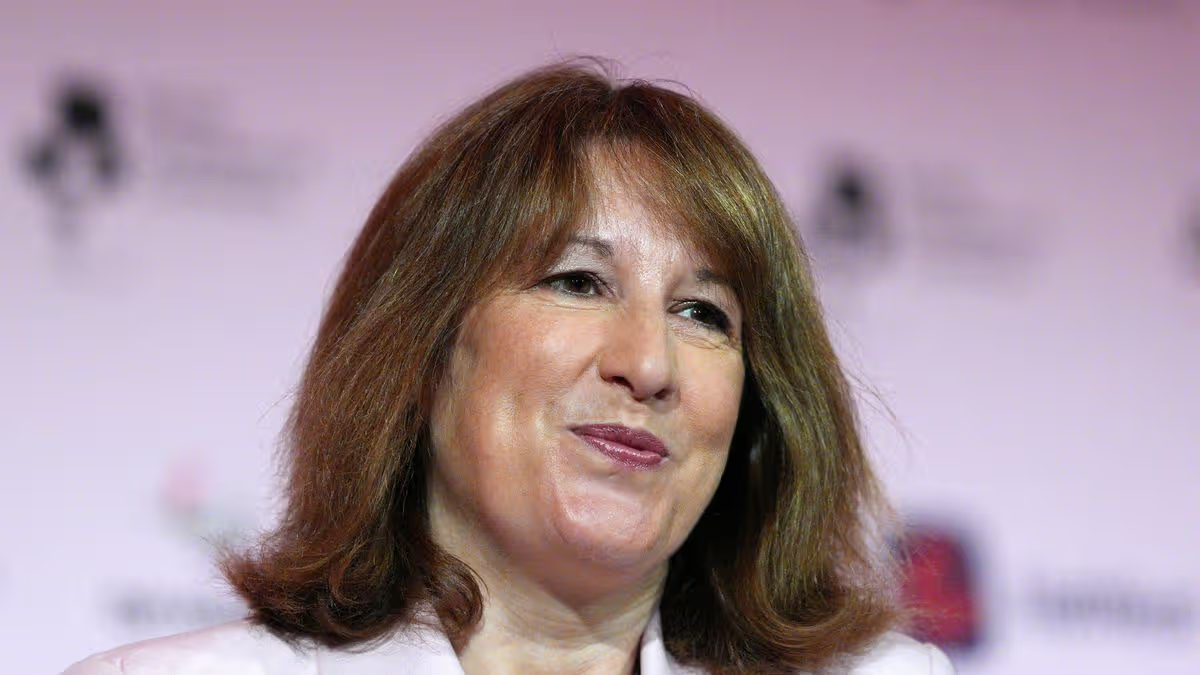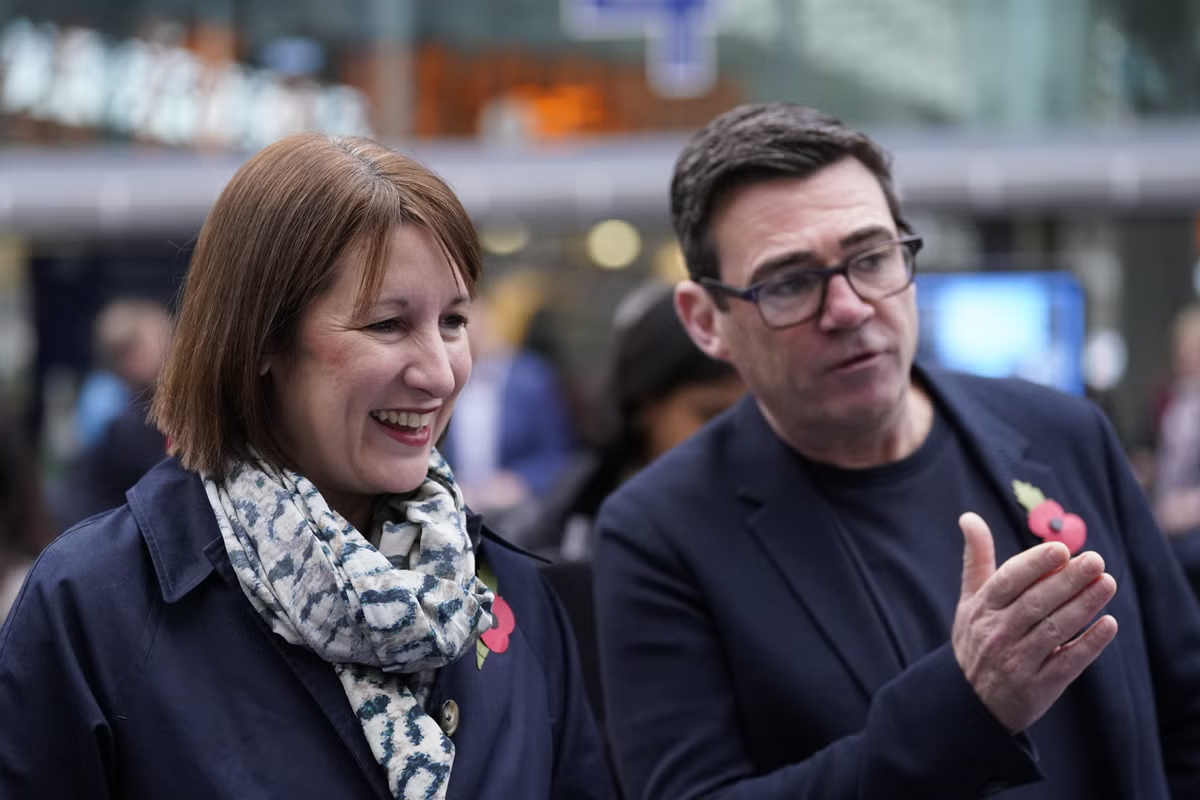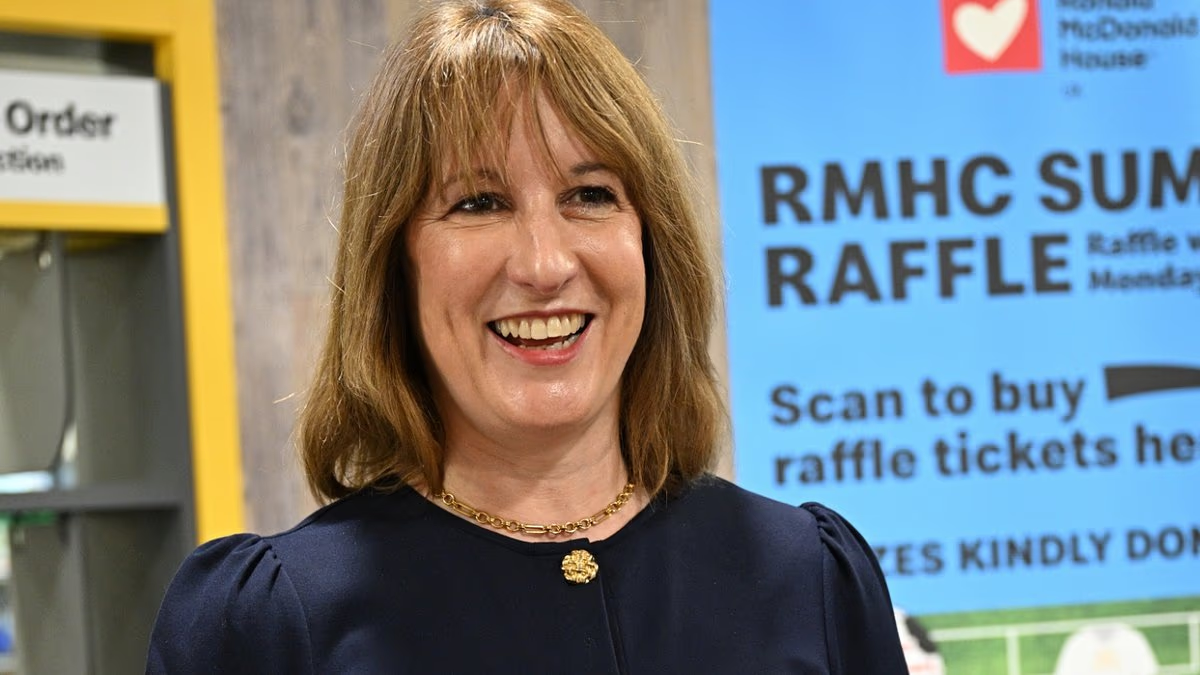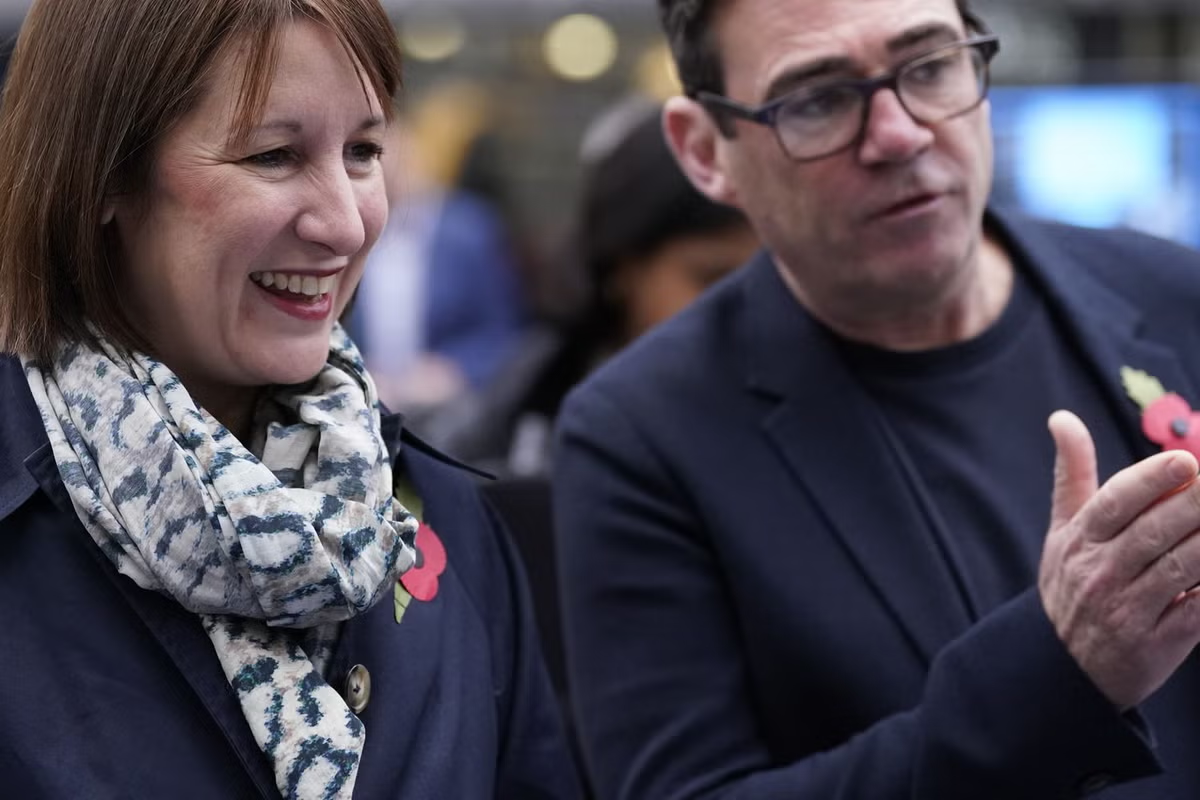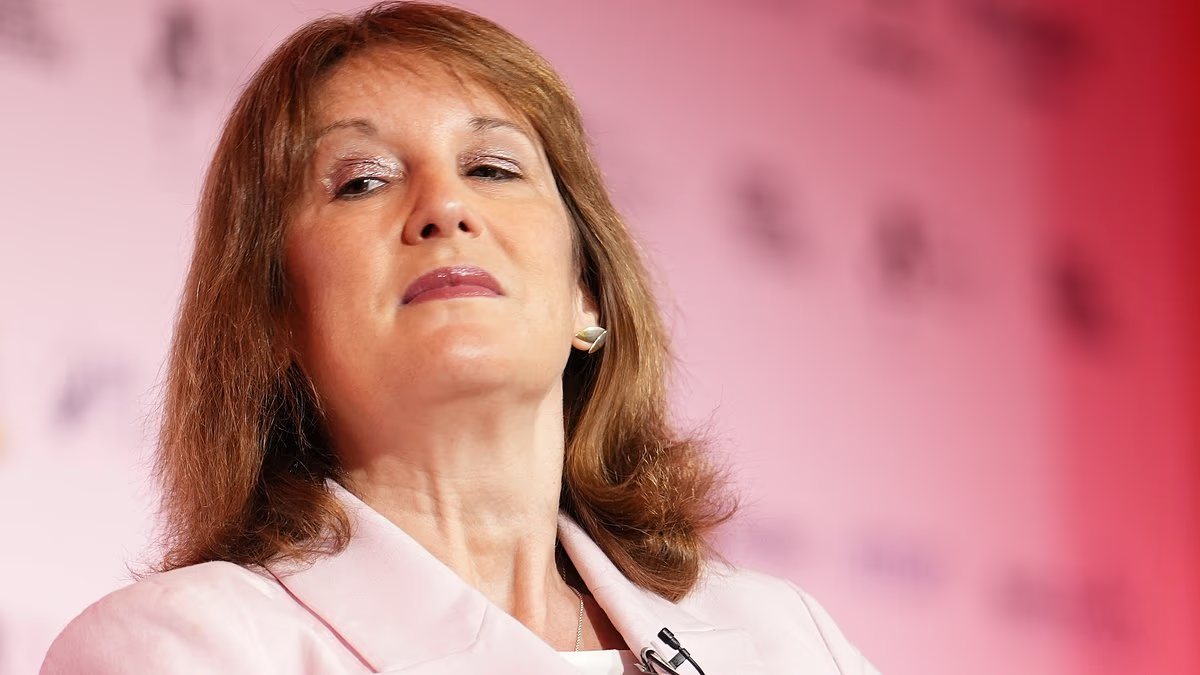
Rachel Reeves has launched a last-ditch appeal to save her job, as Andy Burnham dithers over who to appoint as Chancellor.Ms Reeves, who is widely tipped for the sack next month, said she had 'unfinished business' at the Treasury, including planned work on Mr Burnham's devolution agenda.Behind the scenes, her aides have also been lobbying business leaders to speak up for her in the hope of seeing off a challenge from Ed Miliband, who is favourite to take her job.Ms Reeves has operated in lockstep with Keir Starmer for years and is the second most unpopular politician in the country after the PM. She has also been the source of many of Labour's most disastrous decisions, including the cut to winter fuel payments and botched welfare cuts which triggered a Labour mutiny.However, supporters insist that none of her rivals has the authority to reassure the financial markets that Labour is serious about sticking to its fiscal rules.Her former political director Matt Pound said he was 'not clear what the rationale would be' for removing his former boss.Mr Pound acknowledged that her commitment to the government's borrowing rules had 'caused problems' with Labour MPs who want to push spending even higher.But he added: 'I don't think our problem is that we have not borrowed enough money.' Proud: Rachel Reeves told business leaders she has done a good jobMr Miliband has been working closely with Mr Burnham on economic policy for weeks and is favourite to become chancellor next month when the former Greater Manchester mayor is expected to become PM. But he face a ferocious backlash from business leaders because of fears he will drag Labour even further to the Left.Even some allies of Mr Burnham believe he could end up trying to direct the whole government, fuelling the kind of damaging rows seen between Tony Blair and Gordon Brown.Other potential candidates include Shabana Mahmood, Wes Streeting, Yvette Cooper, Pat McFadden and Jonathan Reynolds.Ms Reeves confirmed on Thursday she is backing Mr Burnham and signalled she believes she is still best placed to reassure the financial markets.The Chancellor told the British Chambers of Commerce annual conference in London that she was already pressing ahead on some of Mr Burnham's priorities, such as holiday taxes and devolution.'The area where there's certainly unfinished business is on fiscal devolution,' she said. 'And I set out in last year's Budget a consultation, for example, on the visitor levy, which is something that mayoral combined authorities will have responsibility for, moving us more in line with the US and Europe that have single visitor levies on hotel bookings, for example, and then that money being invested in the local area.'Meanwhile, allies of Ms Reeves have been lobbying senior business figures to make the case for her keeping the job.Katie Martin, the Chancellor's business adviser, contacted a series of leading firms and business groups asking for their support.One source told Sky News: 'The message was clear: keep Rachel as chancellor, because stability, consistency and continuity are vital at a time like this.'Ms Reeves said she was 'proud' of her record in government, which has seen the UK's tax burden driven to a post-war record.She said Labour had restored 'some semblance of stability to the economy' thanks to 'fiscal discipline that I have brought back to policy making'.Asked what she would advise any chancellor replacing her she shifted uncomfortably and, to laughter, said: 'I'm not sure if anyone wants my advice.'Ms Reeves warned against tweaking her fiscal rules, saying: 'If you lose control of the public finances, it is ordinary working people and businesses who pay the price with higher inflation, higher taxes and indeed higher interest rates.'But former Goldman Sachs economist Jim O'Neill, who is tipped to serve as Mr Burnham's chief economic adviser, argued this week that Labour could borrow billions more for investment.'There is a lot more room under the existing fiscal rules to borrow for investment, and the next chancellor should take advantage of that,' he said. 'We can do way more to boost infrastructure projects, and that is what we should be doing.'
Deluded Rachel Reeves STILL won't accept time is up
Ms Reeves, who is widely tipped for the sack next month, said she had 'unfinished business' at the Treasury, including planned work on Mr Burnham's devolution agenda.
680 words~3 min read