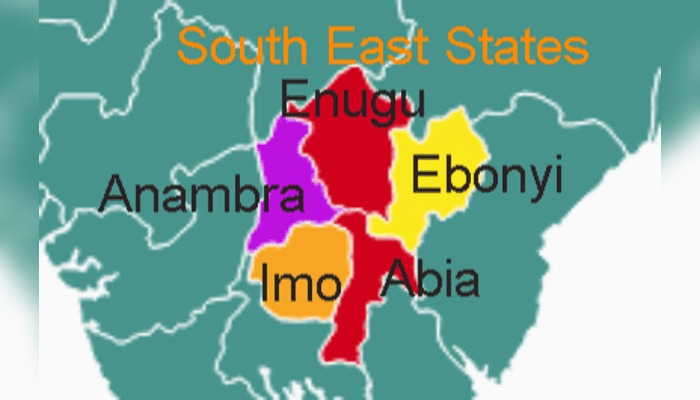
The establishment of the SEDC was widely welcomed in the South East region as a necessary critical intervention to drive sustainable economic growth and position the region as a premier investment destination by 2035. The South East region comprises the five major Igbo speaking states, namely, Abia, Anambra Ebonyi, Enugu and Imo.
As a well-meaning South Easterner, I have been following the activities of SEDC religiously. In July 2025, precisely six months after the President inaugurated the pioneer board, the commission unveiled a 10-year roadmap to transform the South East region through investments, public-private sector partnerships and innovative financing. The commission achieved this with the support of the United Nations Development Programme (UNDP).
Armed with the strategic roadmap, the SEDC swung into action. According to the roadmap, the vision of the commission is “to position the South East as the preferred investment destination in Africa by 2025,” while its mission is “to drive sustainable development, economic growth and unity in South East, through strategic investments and empowerment initiatives.”
A perusal of the roadmap reveals that it has five strategic objectives. The objectives include, to collaborate with state governments, private sector, development partners, Development Finance Institutions (DFIs), among others, to achieve a $200 Billion Economy by 2035, leveraging key growth sectors, such as agriculture, industrialisation, creative economy and tourism. To pursue transformative high-impact projects that catalyze regional economic development, including infrastructure, energy and technology hubs. To enhance the ease of doing business by improving infrastructure, providing regulatory support and access to finance, to make the region a preferred destination for investment.