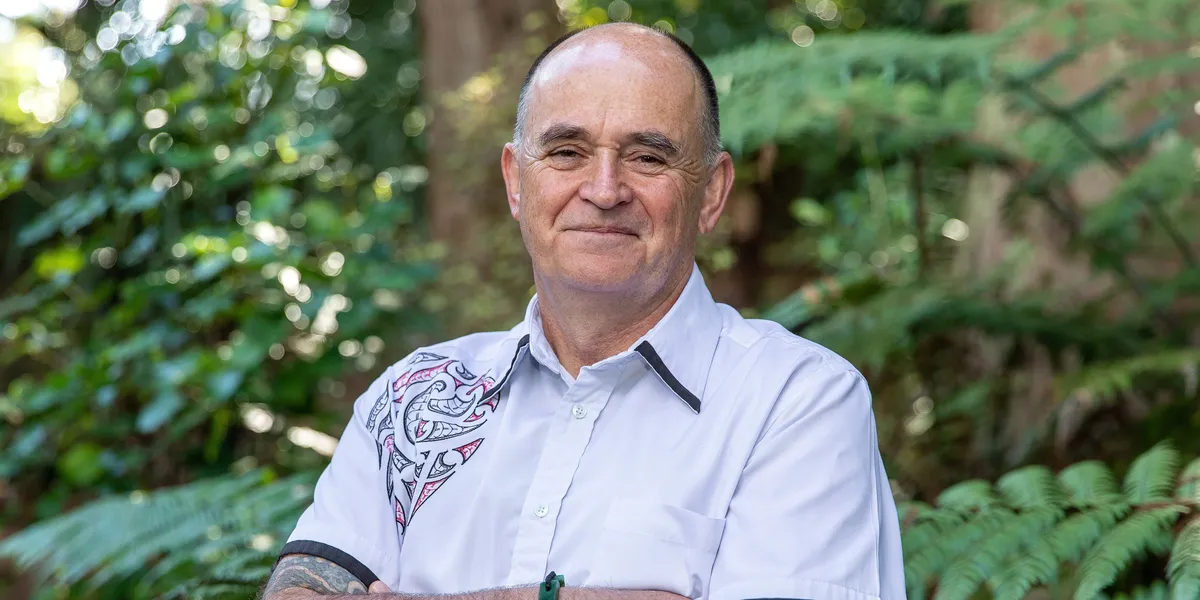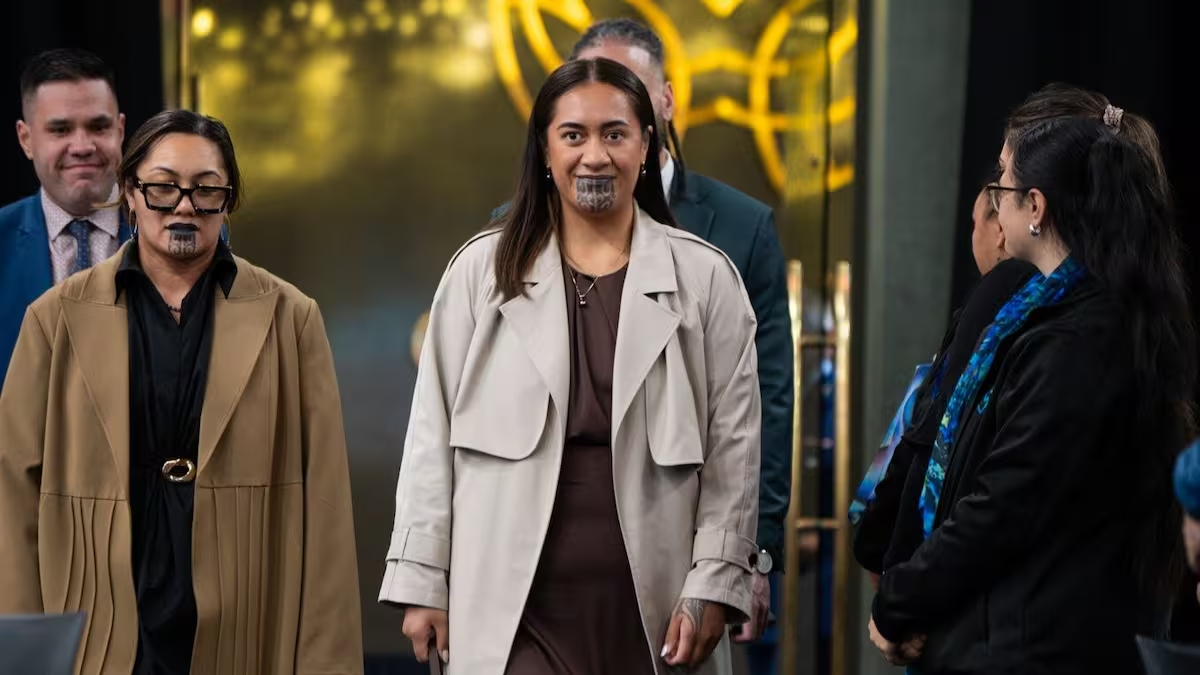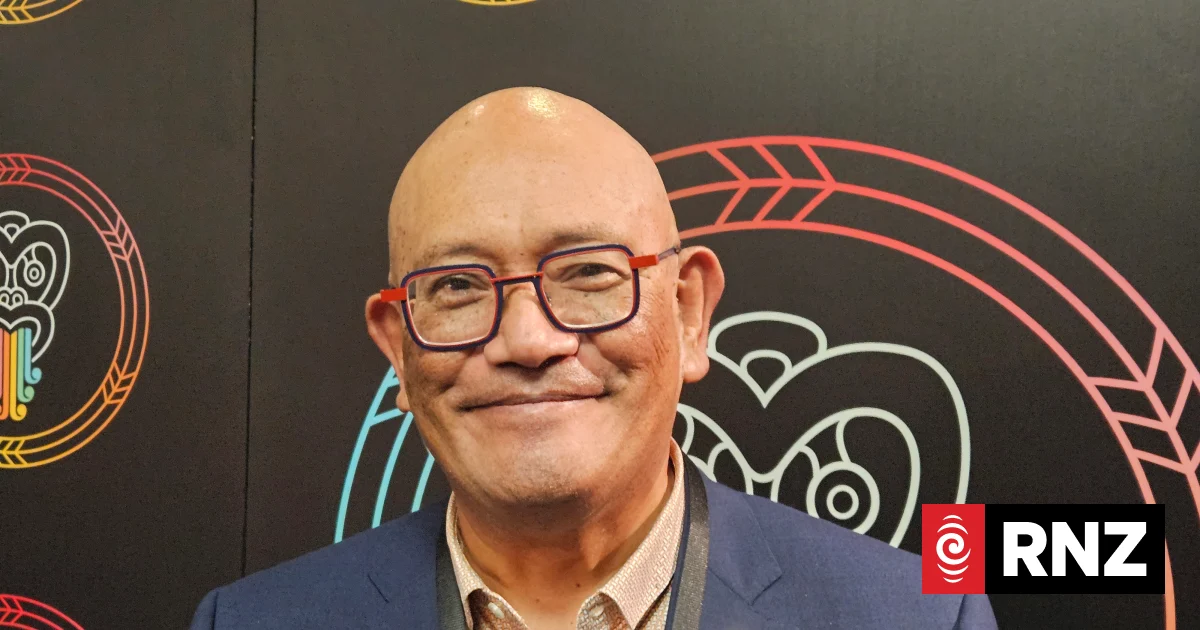
The role that private sector organisations can play in revitalising te reo Māori was a key focus of a symposium at Te Papa in Wellington this week, as the language faces pushback from the government.Hosted by Te Taura Whiri i te Reo Māori - Uhi Tai: Te Reo Māori in Business featured speakers from Google, The Warehouse Group, Auckland Transport and Sky among others.Owner and founder of Pic's Peanut Butter, Pic Picot was one of the speakers, he told RNZ they began a journey with te reo with their Pata Pīnati te reo labels."I did it largely just to cause a bit of trouble really, but it's been really delightful. I think it's given us a kickstart within the company to actually adopt a lot more of our native language within the business and to really attempt to enfold that in and make it just part of everyday life."Picot said the labels did generate a bit of kickback "here and there.""I think the more we do it and the more we just press on with it, I think it's lovely to see the way te reo has been pronounced correctly now, you know, place names and people know what you're talking about when you say Motueka or Mārahau."I did get the odd person who wrote and said they're never going to buy our peanut butter again after I did the label. I wrote, great, I'm very happy that you won't be buying our peanut butter. I'd rather have people I like and get on with than people like you eating the stuff."A label was a form of communication with customers and having the labels in te reo is just a different way of telling a story, he said."The peanut butter labels, the labels on jars are not just to say what's in it... For Pic's anyway they're our form of communication with our customers and so it's been lovely to be able to talk to our customers in te reo Māori."Pic PicotSuppliedTe Taura Whiri Chief Executive Ngahiwi Apanui said he was pleased with the quality of the speakers and that their examples show everybody that te reo Māori is loved by most people in Aotearoa New Zealand."The government has a pivotal role to play in laying the legislative foundations, but also committing to the role in the Māori Language Act to proactively promote and protect the language."But I think what's happening here shows that the impact is far wider than government, that actually the private sector have taken it on in a big way, and we've been supporting them to do that too, because we've had to pivot in the last three years, given that there has been a diminished focus on te reo, and that's the polite way to put it."Te Taura Whiri has to be very careful about how it uses its limited budget, he said."The funding to the language entities, particularly to ourselves and Te Mātāwai, hasn't increased... we haven't had extra money since 2019, but we're able to supplement what we have by getting contributions... from the government and private sector."Working with the private sector will widen the reach of the language and widen the te reo Māori footprint in general, he said.."Government support is pivotal to this, you know, putting in place the legal foundation for the language is really, really important because that legal foundation was taken away after the Treaty was signed."So it's really, really important that the government take the role to promote and protect the language seriously, because when we've got a government that is positive about te reo, then the public service is positive about te reo. In saying that too, we know that in the most recent public service census, that 78% of public servants say they value te reo Māori and want to improve what they know."Apanui said one of the important functions of Te Taura Whiri is to "Māori up" the country, so that when any child learns te reo Māori, they can see it being valued, they can hear it being pronounced properly, they can see billingual signs and they can see themselves on social media."It's an important thing to do because our children and any child who learns te reo Māori needs to see that culture reflected back to them. That's why when I was a kid, everybody wanted to be a rasta. That's why in the 90s everybody wanted to be a rapper, right? Now, you know, hopefully everybody just wants to be a Māori, right?"He said that won't happen without the help of private sector companies or without the support of ordinary New Zealanders.
What role can the private sector play to support te reo Māori?
The role that private sector organisations can play in revitalising te reo Māori was a key focus of a symposium at Te Papa in Wellington this week, as the language faces pushback from the government.
771 words~4 min read