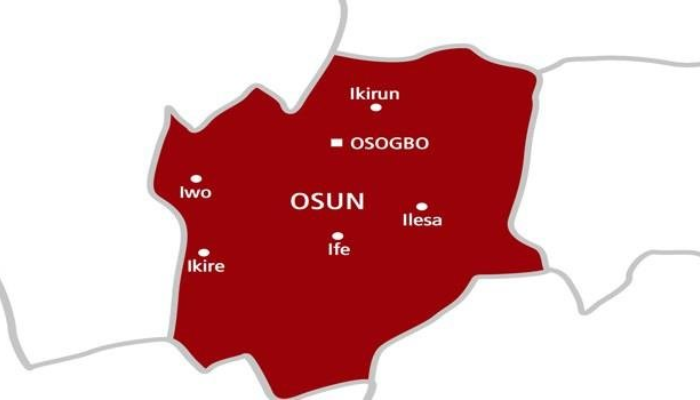
There are states where politics is fierce. There are states where it is noisy. And then there are places where politics begins to resemble a permanent battlefield. Increasingly, Osun State appears to have drifted into that troubling category.
For anyone who regularly follows political conversations in Southwestern Nigeria, the Osun media space can be an unsettling experience. Open social media on any given day, and chances are that one of the most acrimonious political exchanges you encounter will originate from there. Personal attacks have become routine. Political disagreements are often delivered in language so venomous that one wonders whether opponents still see one another as fellow citizens. The bitterness is palpable. The hostility is exhausting. More importantly, it is unhealthy for both society and democracy.
This reality sits uneasily with Osun’s cherished identity as Ìpínlè Omolúàbí, the Land of Virtue. The Omoluabi ethos, entrenched in Yoruba moral philosophy, celebrates character, dignity, restraint, civility and communal responsibility. Sadly, whenever politics takes centre stage in the state, those values appear to recede into the background. What should be a contest of ideas often degenerates into a contest of insults. What should be political engagement increasingly risks becoming political warfare. The danger is not confined to rhetoric. Words often serve as the advance guard of violence.