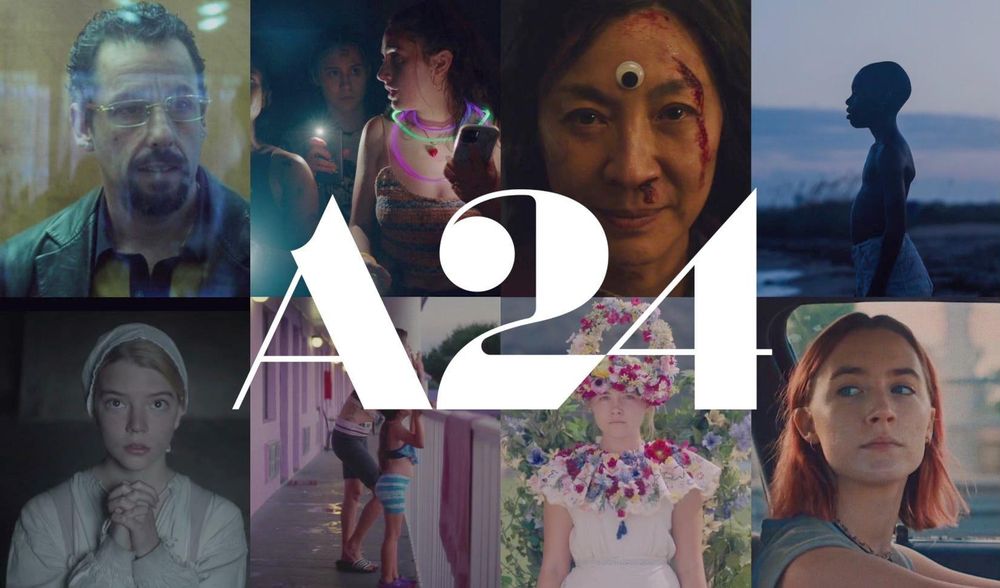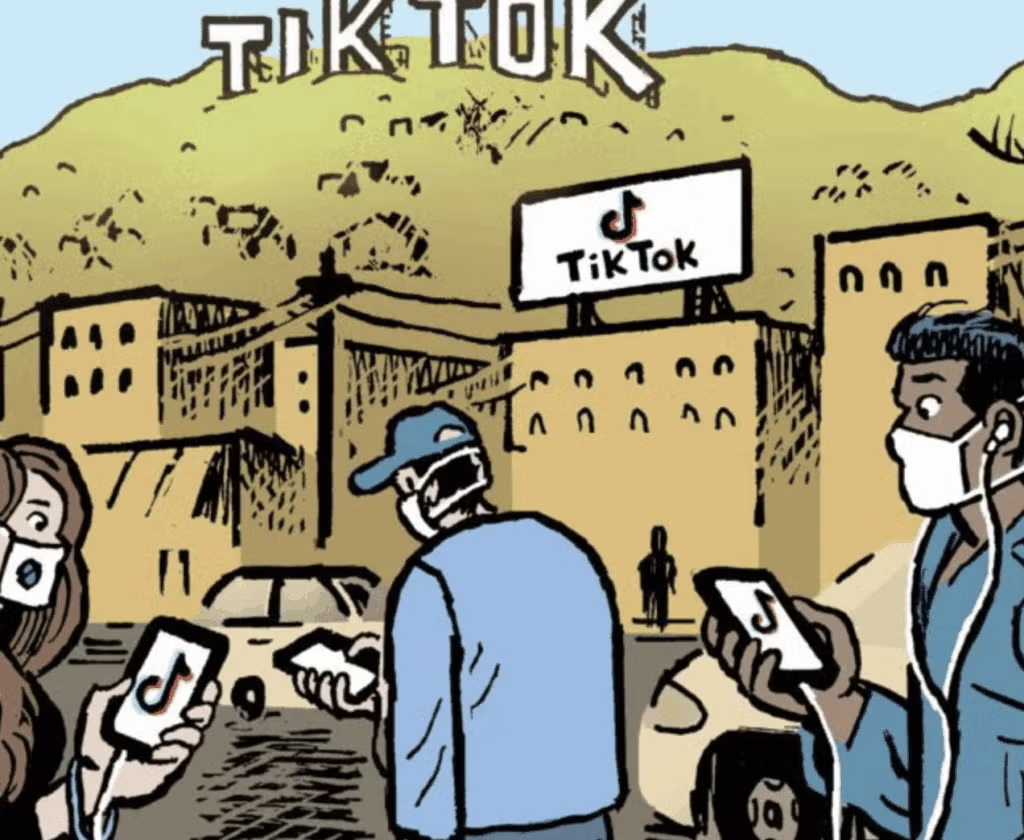
Cool is a slippery thing. One minute you have it, the next minute it’s out your hands like a water balloon.For an older generation, Marty Scorsese epitomized cool. That hasn’t been the case for a while — I’d say sometime after The Wolf of Wall Street and before his third consecutive manicured period drama. When he made a deal a few weeks ago with an AI startup and enthused how he’d use it to storyboard, it only reminded of the cool he no longer had, even as he tried to use his well-earned legend credibility to boost the firm.For a younger generation A24 has been cool for a while. It’s probably still the case, but the slightly head-scratching Google DeepMind partnership it announced Monday doubtless cost it some cool — you don’t take $75 million from the world’s largest tech company in the name of slop tools and keep your counterculture cred for long. That became evident just a day later, when the company’s trailer for a totally unrelated (non-AI) movie from Jesse Eisenberg about community theater brought a pile-on of roasts about the tech. (“Why would I pay and support a company that doesn’t support or believe in the power of human creativity?” and “a24 was so cool until you chuds sold out to AI monoliths for some monopoly bucks” were among the nicer ones.) I suspect A24 will, eventually, regain some of that cool, but let’s hold off on that for one second.What can be easy to forget in all this is that tech itself used to be cool, perhaps the quintessence of the form — back when the first Tron came out, back when Steve Jobs would make cinematic entrances at Apple WWDC to talk up the iPod and iPhone, back when the second Tron came out, back in all the stories of early founders in their garages and the pop-cultural works that glazed them. The era of tech across these decades converged two of the things Americans love most — a feelgood bootstrapping story with playable toys, and who couldn’t get down with that?Tech was even still cool in late 2022 when OpenAI released ChatGPT and everyone started giddily re-doing Taylor Swift lyrics as Shakespearean sonnets.But since that moment the whole vibe ebbed away. We live in a post-hardware age in which tech is defined not by the machines we use but by the ghost who lives in them, and we increasingly look at him and realize he’s not Casper. The unseeable threat has come to take our jobs and our souls, and while in some cases I think we’re actually underestimating the dangers even as in other ways we’re overplaying them, this essential tech vibe shift — from something fun we hold in our hands to something intangible that billionaires will use to control us — has been at the heart of this ebb. (A new book this summer from the Financial Times journalist Sarah O’Connor examines these angles shrewdly.)OpenAI, which had that last moment of tech cool, has now been a primary driver in tech losing it. Converting your nonprofit to a moneymaker will do that; so will your leader’s series of smarmy pronouncements about the future. To the cognoscenti, this plunge became clear a year later almost to the day of the ChatGPT release when said leader Sam Altman rebuffed a coup from staffers and board members concerned about safety by using some borderline backstabbery, casting a whole bunch of well-intentioned safety-minded players out the door (including the wife of Joseph Gordon-Levitt, who incidentally has retained his cool). To more casual followers, the cool fled a year after that, when Altman, Jeff Bezos, Tim Cook, Mark Zuckerberg and Sundar Pichai attended and donated to the Donald Trump inauguration. At that moment the water-balloon didn’t just slip out — it burst and landed in the front row. (Elon Musk, who it can be hard to remember actually was cool back in the early Tesla days, lost it a lot earlier when he ruined Twitter, but made doubly sure it would stay away with his whole DOGE adventure.)
Is A24 Still Cool?
We are entering an era when anything Big Tech-associated smells bad, and even the most beloved brands around are getting smoke-bombed.
1,709 words~8 min read