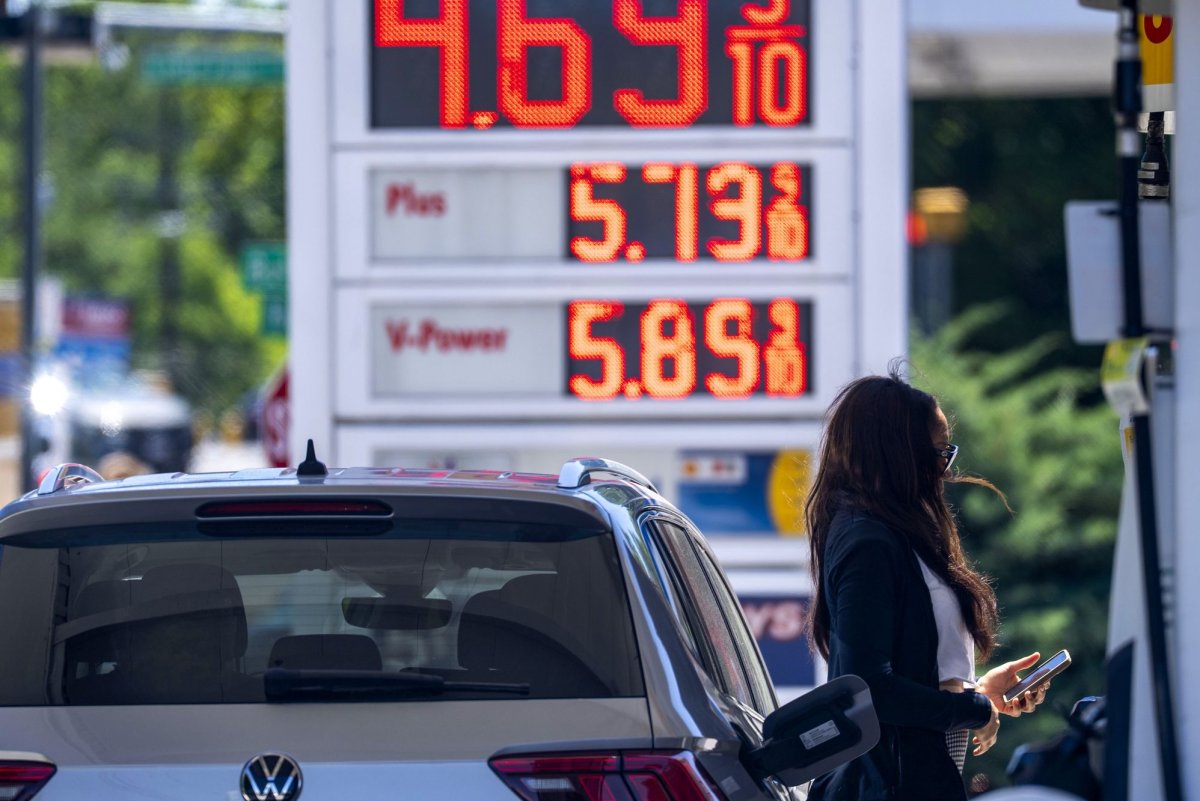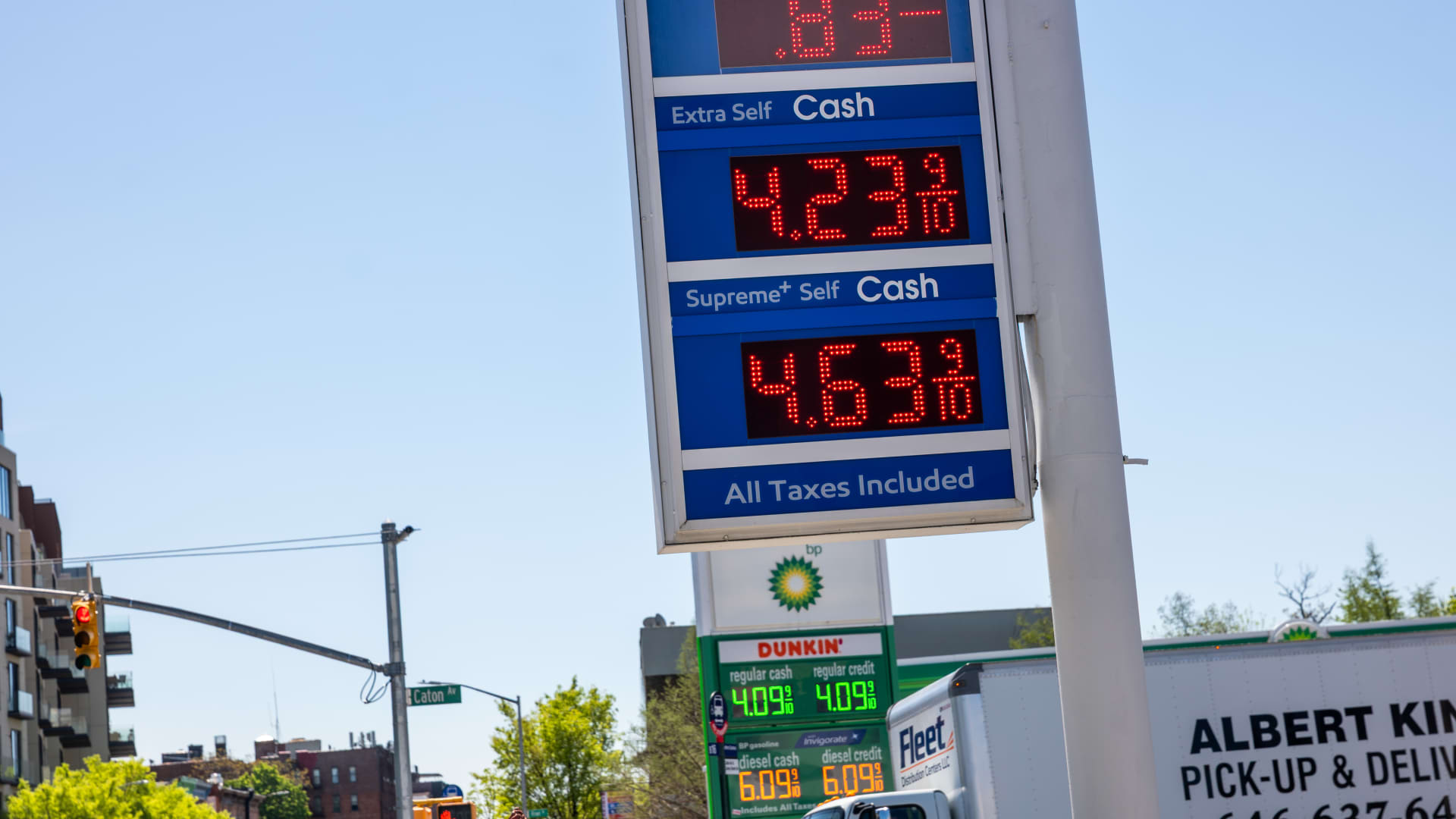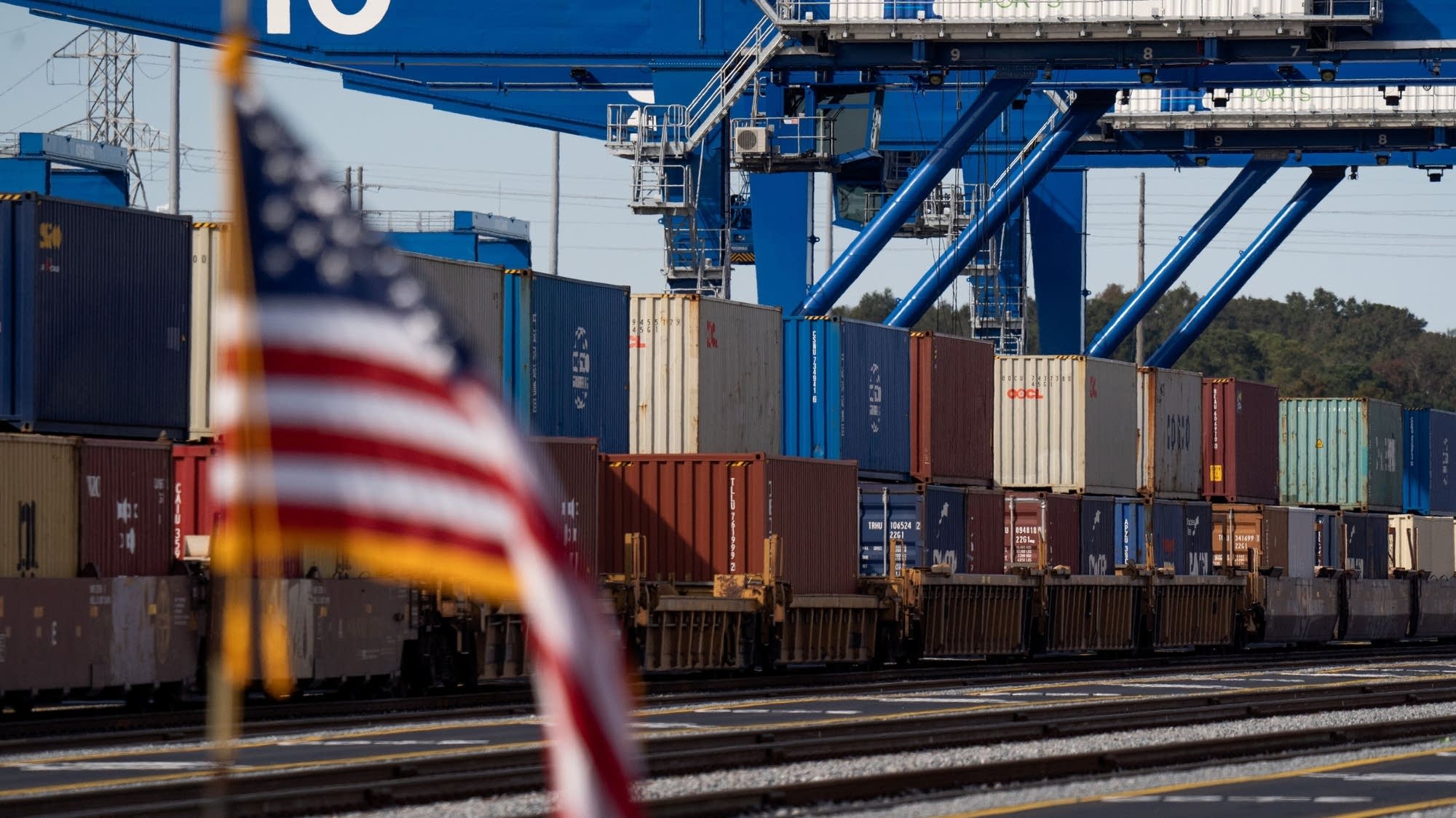
The prices everybody paid for goods and services in May were 4.1% higher than they were at same time last year, according to the Bureau of Economic Analysis’ personal consumption expenditures price index. That’s a faster year-over-year pace than in April. Naturally, a good chunk of that inflation was thanks to the cost of energy. The price of a barrel of oil has been falling since the start of this month: It's now down about $25.The cost of energy can swing month to month — but what about sustained inflation? Core inflation — that’s inflation minus the volatile food and energy categories — is picking up, too.The rise in core inflation really started in April of last year, when President Donald Trump announced his import taxes.“Those tariffs did push additional price pressures into the economy, particularly for the price of goods,” said Tim Duy, chief U.S. economist at SGH Macro Advisors.Duy said that core inflation started to hit services later last year. “So, that can be anything from insurance or healthcare services, financial services, food services, accommodations,” he said.According to Duy, the delay could be because tariffs took a little time to impact other costs, but it could also be because demand was strong, thanks to a good job market.“The labor market did seem to turn stronger at the end of last year,” Duy said. “And I would note that really, some of our biggest accelerations in inflation started in December, January, and into March.”The war in the Middle East is boosting core inflation, too. According to Jeffrey Roach, chief economist at LPL Financial, the costs of logistics and transportation have increased the price of goods, which in turn is boosting the cost of services — including healthcare.“When you think about the impact on the costs of the materials those professionals use, it starts to make sense understanding why, for example, dental services is up over 8% from a year ago,” Roach said.It’ll take some time for the war’s knock-on effects on prices to subside.“If you look at gasoline prices, they’ve fallen back,” said Michael Pearce, chief U.S. economist at Oxford Economics. “But they’re still about a dollar above where they were before the war, and it’s going to take time for that to normalize.”Meanwhile, Pearce said there’s still plenty of demand keeping prices high, and overall, the labor market is still in good shape.“Our expectation is that the labor market will be broadly stable this year, that we’ll see the unemployment rate remain pretty close to where it is,” Pearce said.And that rate could keep pressure on prices to keep heading upward throughout the year.
It's not just food and energy — "core" inflation is up as well
More-expensive energy has the knock-on effect of increasing the costs of goods and services.
436 words~2 min read