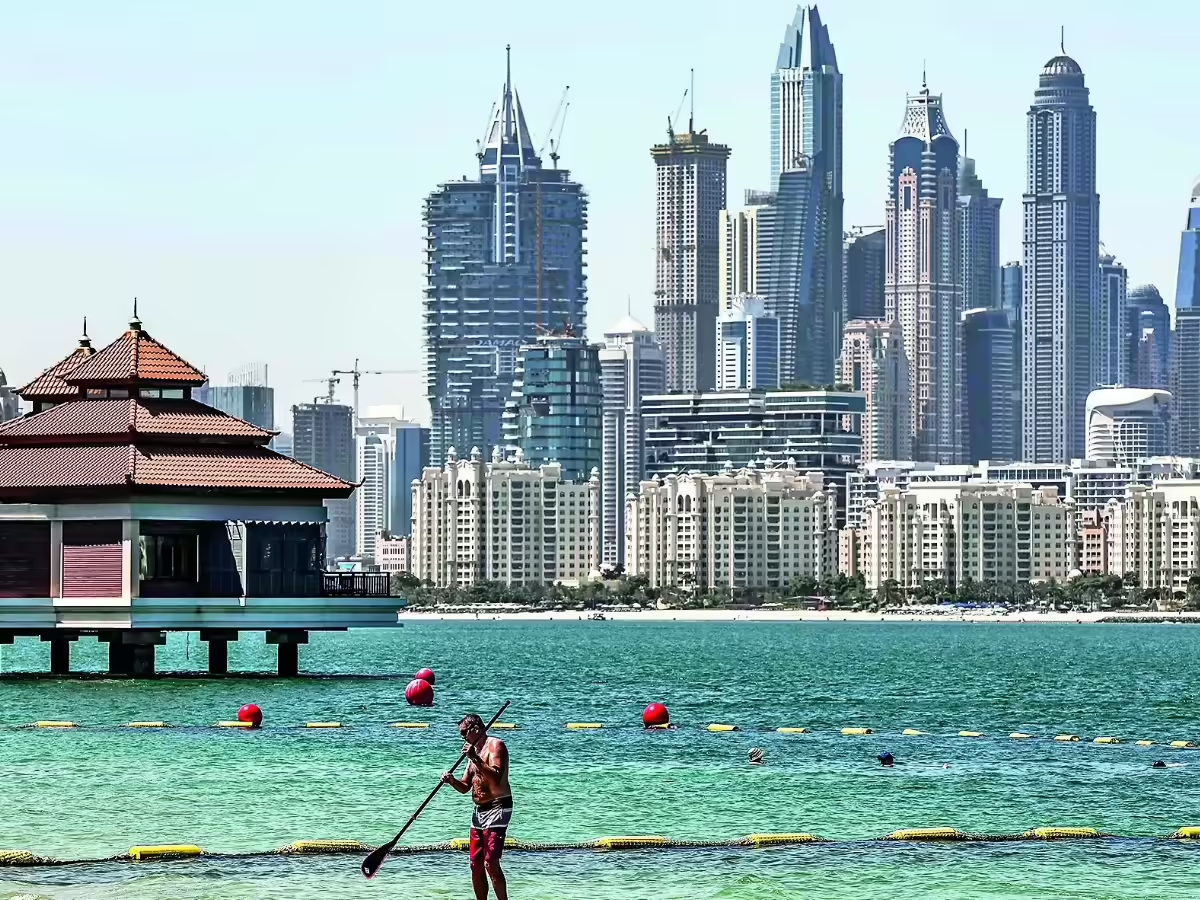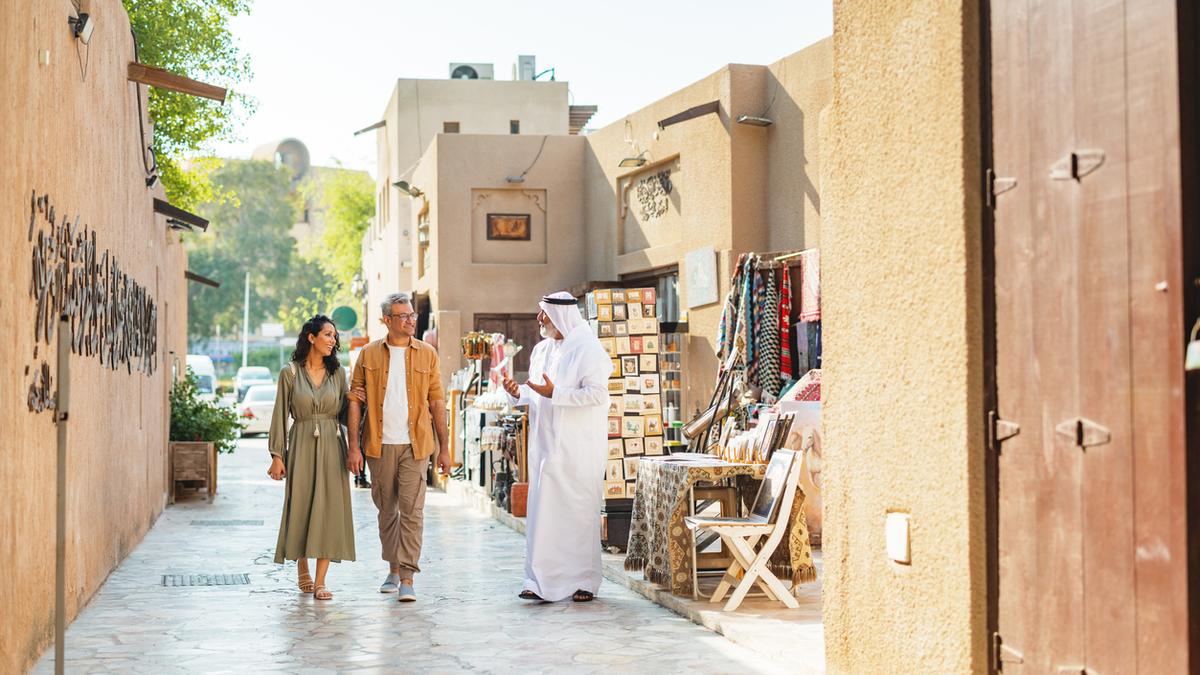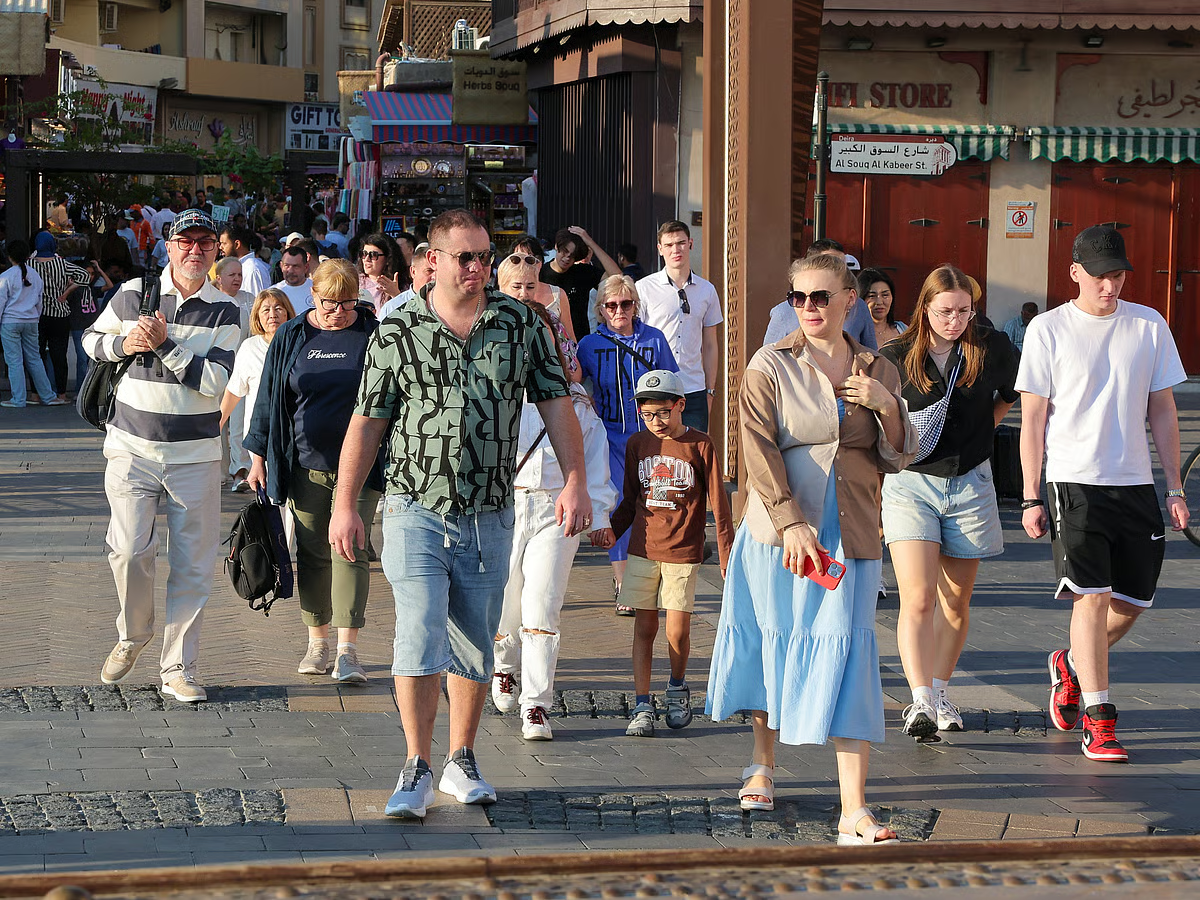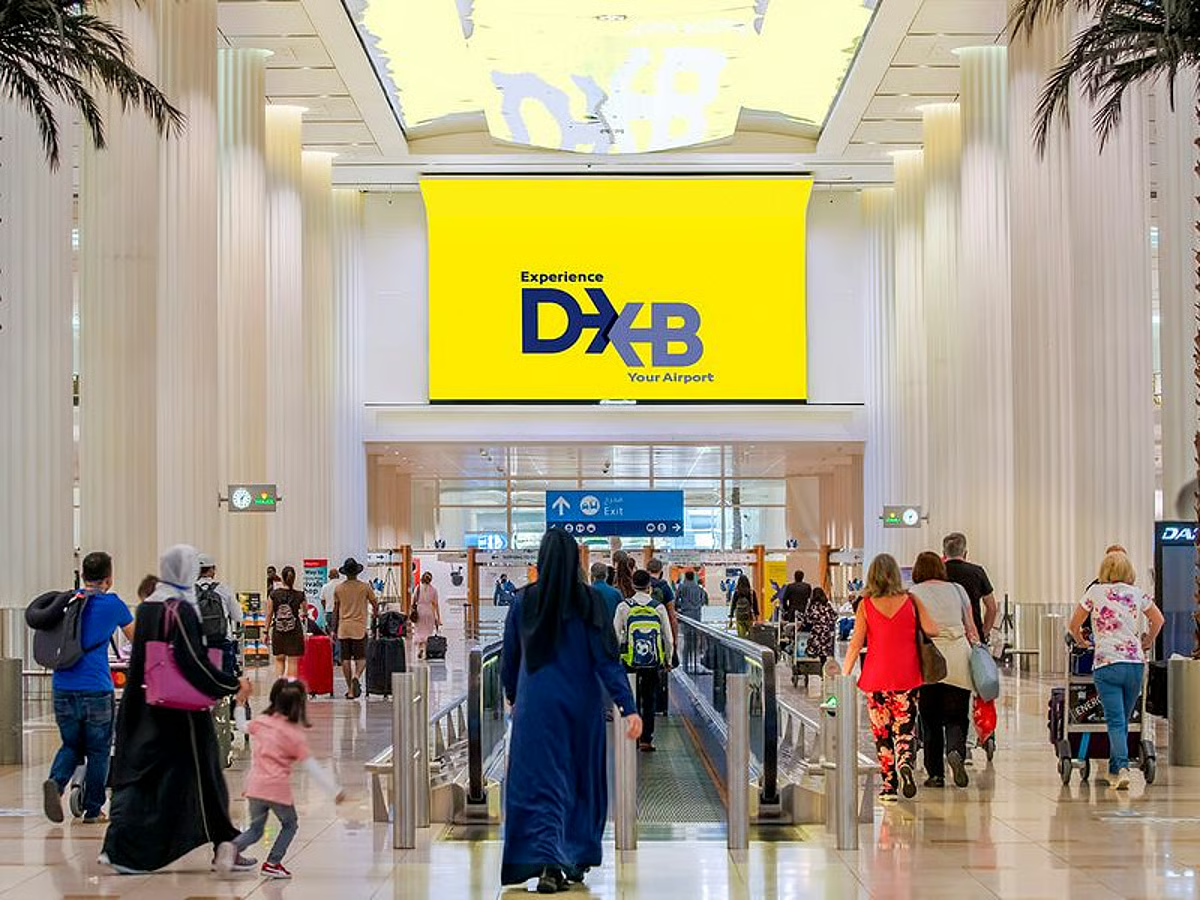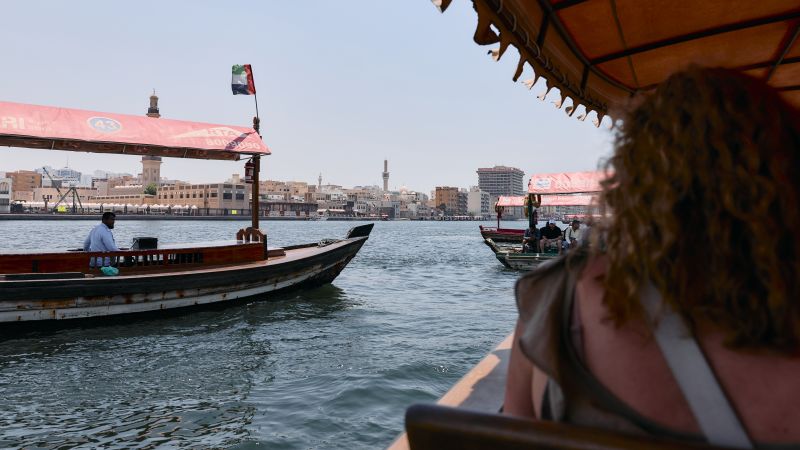
In 2025, Dubai shattered its own tourism record, welcoming 19.59 million overnight international visitors.The popular city serves as the ultimate geopolitical and logistical bridge between the Middle East, Asia and Europe – however, it’s also proved itself as more than “just a stopover”, with recent data revealing tourists are spending up to 4.5 days there before jetting. But just as the city was getting warmed up with record-breaking stats, the Middle East conflict in March severely impacted its tourism and hospitality ecosystem.Missiles and drones were intercepted over hotels and beach clubs, falling debris caused damage and fires and people slept in basements and bathrooms after the United States and Israel launched strikes against Iran. The conflict spread when Iran retaliated by firing at its Arab neighbours.Some expats, who make up more than 85 per cent of its population, fled the city along with tourists.And as airspace closures were put into place, the number of new arrivals collapsed, resulting in hotel occupancy levels dropping between 15 and 20 per cent from the usual level for that time of year, according to the BBC. But fast forward to June, the city is finally seeing some light at the end of the tunnel as a US-Iran peace plan takes shape.At a round table conference held in Sydney on Wednesday, Shahab Shayan, regional director for Asia-Pacific at Dubai economy and tourism, said they’re almost “back on track” with flights as they welcome back visitors. “Emirates has 75 per cent of its capacity globally and 90 per cent of the Australian capacity is back,” he said about the flag carrier for the UAE after the airspace reopened. “I think we’re missing one flight from each gateway, which is likely to come back in the following weeks.”Mr Shayan said they’re “more than ready” to welcome Australians back to Dubai again. “We are ready, were taking all the precautions that we can. We would never put the safety and security (of travellers) at risk, and jeopardise … what we have built over the last decade,” he said.He explained the city, which has survived Covid, major flooding and a financial crisis, has gone through a huge exercise of recovery and strategising.“We have campaigns from our consumer side, from the business side, we have incentives ready for the agents,” Mr Shayan said.“We have a whole bunch of campaigns with assets ready to go, but we’re treating it in every phase and every scenario accordingly.“So, if we see that travel advisory shifts, we start with a more softer tone,” he said about the messaging to encourage tourism. “We’re more than happy to welcome back Australians – and right now we’re just waiting for the travel advisory to shift.”The Smarttraveller advice for Aussies travelling to several countries in the Middle East including the UAE has gone down from “do not travel” to “reconsider your need to travel” due to the “unpredictable security situation in the UAE and the region”.Mr Shayan said in countries where governments have scrapped warnings against travelling to Dubai, there has been an almost immediate bounce-back rate.“We’ve seen a shift in a number of countries like the UK, France, Italy, China and Russia,” Mr Shayan said.“So we’re gaining good traction from global markets. But, of course, Australia and New Zealand is our key stopover market. It is the number one stopover market.”In 2025, 330,000 Aussies visited Dubai, an 8 per cent increase from the year prior. “For now Dubai is waiting for you (Australians),” he said.He said for those worried about travelling through the airspace, major criteria must to be met.It comes following his department’s discussions with Emirates.“There’s full alignment that needs to be done with the army, with the civil aviation authority, with the airports,” he explained. “And this is done for every and each departure and arrival. They took us through all the scenarios such as if things need to change while they’re coming into Dubai, where can they go, depending on each scenario.“Even when I was travelling, we were at the tarmac for about 45 minutes and people were thinking ‘what’s going on?’“They were going through the different criterias and the processes to ensure that once we’re departed, we’re safe.“The other part is the routing – making sure they’re using safer routes and avoiding any of the airspace that would potentially have any sort of risk involved in it.”He said on the ground it’s a similar situation when it comes to tight safety measures, with hotels looking at protocols that need to take place.“Such as what to do if something happens, what scenarios to potentially go through,” he said.“Everything that has been in the control of Dubai and the UAE and its governments are being looked after, however, there are factors that are not within our influence unfortunately. “But, we wouldn’t be here, nor would the airlines spend billions every single day - and flights would continue and bring back 75 of their capacity – if there is no real sentiment.“Everything is being measured and calculated accordingly to provide the safety and security to all the consumers and visitors who fly.”Meanwhile, Mr Shayab said the city itself is buzzing again as restaurants, workplaces and schools reopen. During the conflict, numerous major multinational corporations and luxury retailers temporarily closed their physical offices and stores or transitioned their staff to remote work.“Traffic is back, restaurants need to be booked in advance again,” Mr Shahab added.He also said some hotels took the time to refurbish to enhance experiences for guests upon their return, with tourists expected to see a big drop in rates.Recently opened hotels include Ciel Dubai Marina, Vignette Collection, the world’s tallest all-hotel tower, Mandarin Oriental Downtown and Mileo The Palm.
Huge update for Aussies heading to Dubai
In 2025, Dubai shattered its own tourism record, welcoming 19.59 million overnight international visitors.
945 words~4 min read