Elon Musk touches everyone’s lives. And increasingly, each of his ventures build on his others, creating a vertically integrated behemoth that is too big to fail. Consider how Musk’s social media site X, formerly Twitter, is automated by Grok, an artificial intelligence assistant created by xAI, which is a subsidiary of Musk’s SpaceX, which just had a spectacular initial public offering and controls Starlink, a satellite internet service used around the world. Together, these companies span not only discourse, big data, and the airwaves, but also the future of truth itself. (Grok is also building Grokipedia, an AI-composed encyclopedia.)
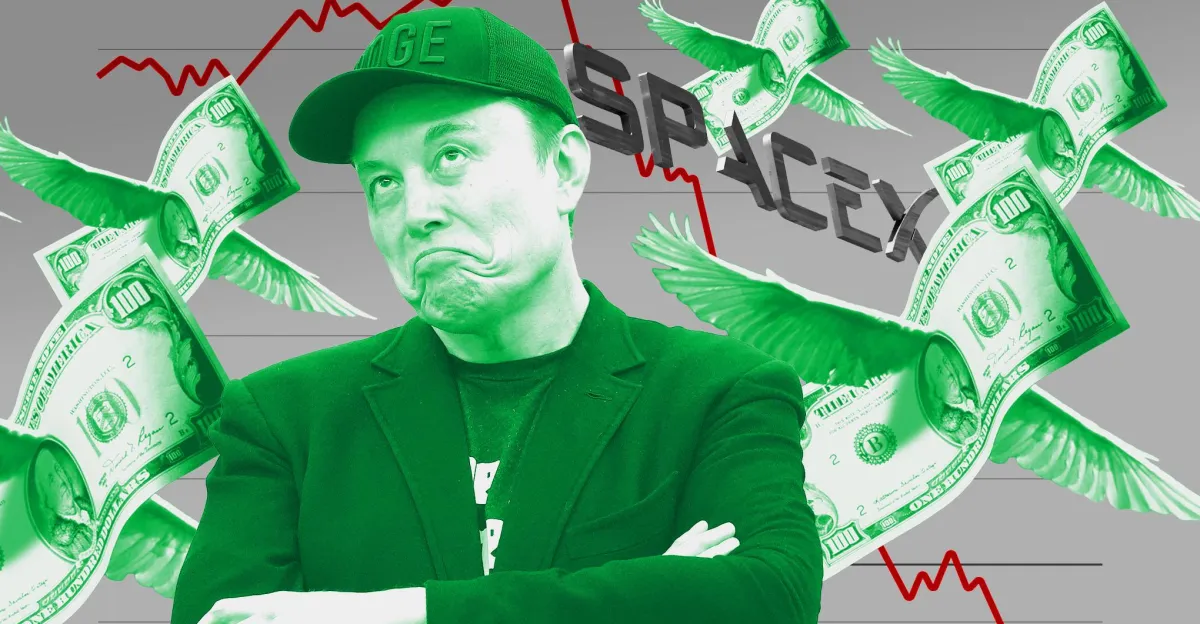
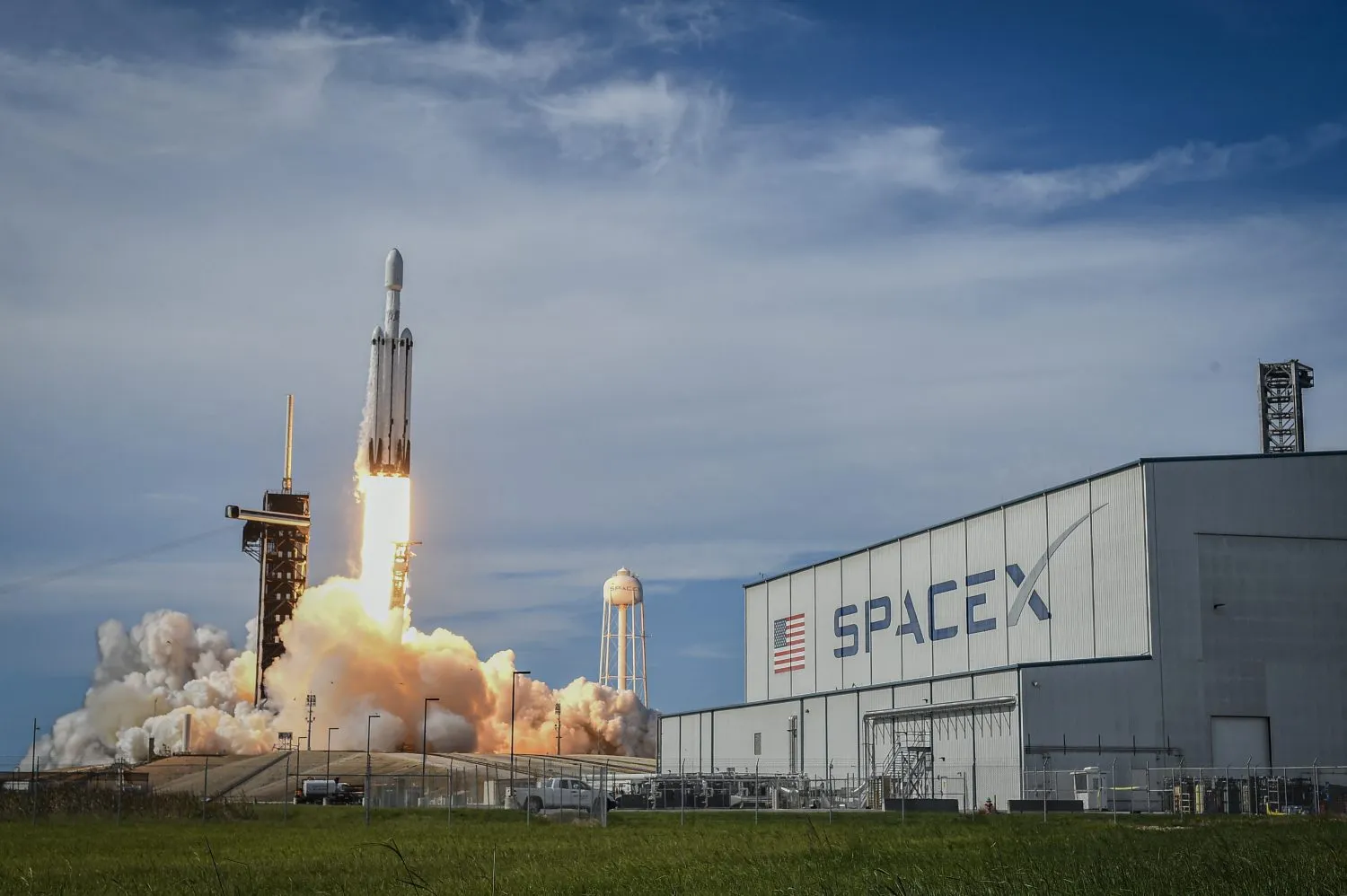
The growing SpaceX empire, with a market value of more than $2 trillion, is no abstract matter for ordinary citizens. Millions of people are now automatically invested in the company through index funds and pension plans following its recent blockbuster listing on Nasdaq. So, what does its immense size and dominance of space mean for geopolitics? If one company—and one man—can determine whether countries or warring parties can have internet access in sensitive areas served only by Starlink, what does that mean for the world?
On the latest episode of FP Live, I spoke with Quinn Slobodian, a historian at Boston University and the author of several books on capitalism and neoliberalism. He is the co-author, most recently, of Muskism: A Guide for the Perplexed. The transcript that follows focuses on our discussion about SpaceX. For the full interview, including an explanation of what Muskism refers to and why it matters, try the video box atop this page—for subscribers only—or the free FP Live podcast, wherever you get your audio.