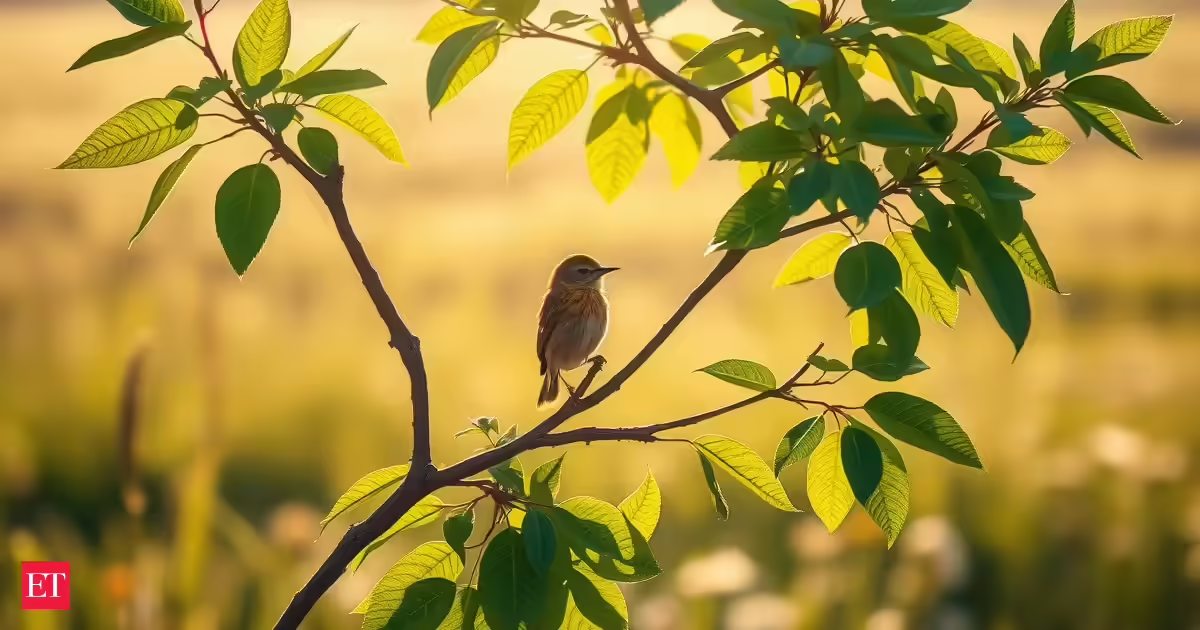
Chinese Proverb of the Day: Life brings moments of joy, excitement, and gratitude, but it also brings disappointment, grief, and worry. No one can completely escape sadness. The Chinese proverb, "You cannot prevent the birds of sadness from passing over your head, but you can prevent their making a nest in your hair," offers a powerful reminder that while painful emotions are inevitable, we still have a choice about how long we allow them to stay.The saying does not ask people to ignore their feelings or pretend that suffering does not exist. Instead, it teaches that emotions should be acknowledged without allowing them to take permanent control over our lives. Its wisdom remains deeply relevant in every generation because learning to face hardship without becoming consumed by it is one of life's greatest skills.Chinese proverb of the day: Understanding the meaning of the Chinese sayingThe proverb is, "You cannot prevent the birds of sadness from passing over your head, but you can prevent their making a nest in your hair."You Might Also Like:The image is both simple and unforgettable. The birds represent sadness, grief, disappointment, negative thoughts, and difficult experiences. Just as birds naturally fly overhead, painful emotions naturally enter every human life. No amount of wisdom, wealth, or success can completely prevent them from appearing.The second part of the proverb contains the deeper lesson. While we cannot stop sadness from visiting us, we can decide whether we allow it to settle permanently in our hearts and minds. The Chinese saying encourages people to feel their emotions without becoming imprisoned by them.What does this Chinese proverb teach about emotional well-being?You Might Also Like:The proverb carries important lessons about resilience and inner strength. One lesson is that sadness itself is not a failure. Modern society often pressures people to remain positive at all times, but this ancient wisdom recognizes that sorrow is a natural part of being human.Another lesson involves personal responsibility. Although circumstances may be beyond our control, our response to them still matters. We cannot always choose what happens to us, but we can choose how we process and carry those experiences.The proverb also teaches the importance of letting go. Holding onto bitterness, resentment, or grief indefinitely can prevent healing and growth.It encourages balance between acknowledging pain and continuing to move forward.You Might Also Like:Life lessons from the Chinese proverbDifficult emotions are temporary visitorsSadness comes and goes like birds in the sky. Recognizing its temporary nature helps prevent despair from becoming permanent.Healing requires acceptance, not resistanceTrying to suppress emotions often makes them stronger. Allowing yourself to feel sadness while refusing to surrender to it creates emotional resilience.Thoughts deserve careful attentionNegative thoughts can become habits if left unchecked. The proverb reminds us to notice when temporary worries begin building permanent homes in our minds.Hope always remains possibleNo matter how difficult life becomes, people possess the ability to begin again, seek support, and move toward brighter days.Why this proverb remains relevant todayModern life presents countless pressures. Social media, economic uncertainty, family responsibilities, and constant comparisons can leave many people feeling overwhelmed.The proverb speaks directly to this reality. People cannot prevent disappointment, heartbreak, failure, or moments of loneliness. These experiences are part of every human journey. However, allowing them to define an entire life is another matter entirely.The saying encourages emotional awareness without emotional captivity. It reminds people that mental well-being involves both feeling deeply and knowing when to release what no longer serves them.Its message remains timeless because human beings continue to search for the same balance between vulnerability and strength. Across cultures, wisdom traditions emphasize the importance of accepting hardship without allowing it to consume the spirit.Inspiring Chinese proverbs you should knowChinese culture offers countless proverbs filled with practical wisdom and emotional insight.Some well-known examples include:"Better to light one candle than to curse the darkness.""The person who removes a mountain begins by carrying away small stones.""One generation plants the trees, and another gets the shade.""A journey of a thousand miles begins with a single step."Like today's proverb, these sayings encourage patience, resilience, self-awareness, and inner strength.Life lesson: Feel your sorrow, but do not give it a permanent homeAt the end of the day, sadness is not the enemy. It reminds us that we have loved, hoped, cared, and dared to dream. To be human is to experience moments of pain alongside moments of happiness.This Chinese proverb offers a gentle but powerful reminder: allow the birds to pass overhead, acknowledge their presence, and learn from them if necessary. But never let them build a nest that prevents you from seeing the open sky again. True strength lies not in avoiding sorrow, but in refusing to let sorrow become your permanent address.You Might Also Like:
Chinese Proverb of the Day: 'You cannot prevent the birds of sadness from passing over your head...'- A timeless lesson on resilience and emotional strength
A timeless Chinese proverb, "You cannot prevent the birds of sadness from passing over your head, but you can prevent their making a nest in your hair," offers profound wisdom on resilience. It teaches that while sorrow is inevitable, we have the power to choose how long we dwell in it.
783 words~4 min read