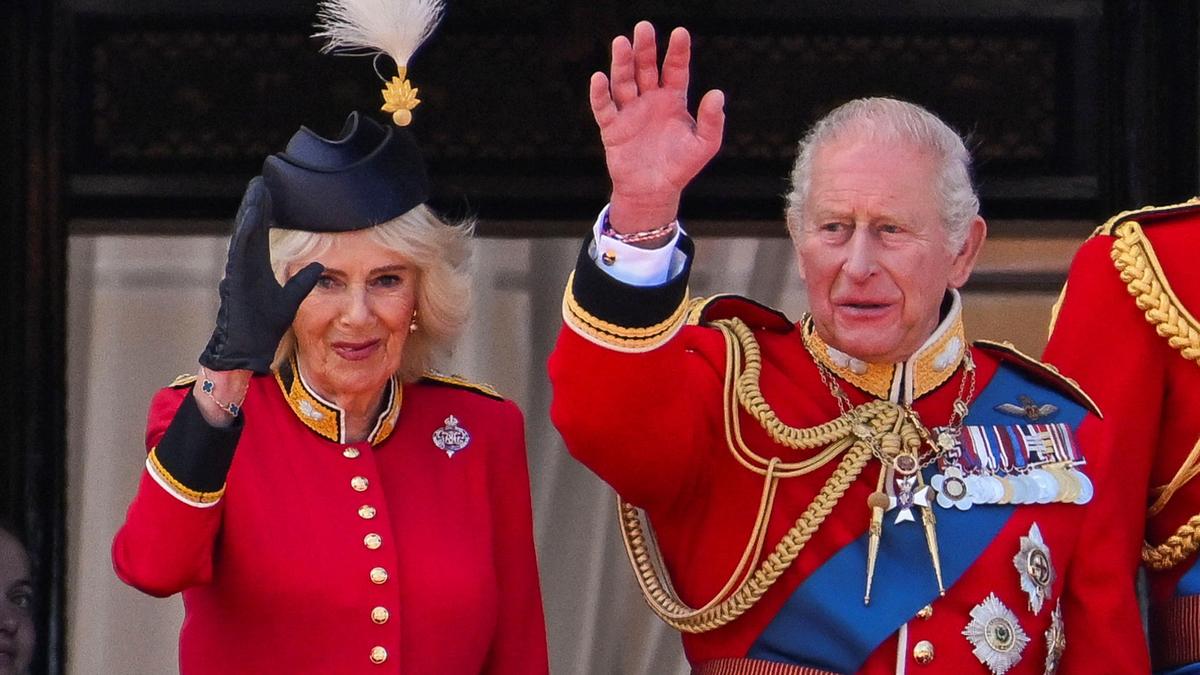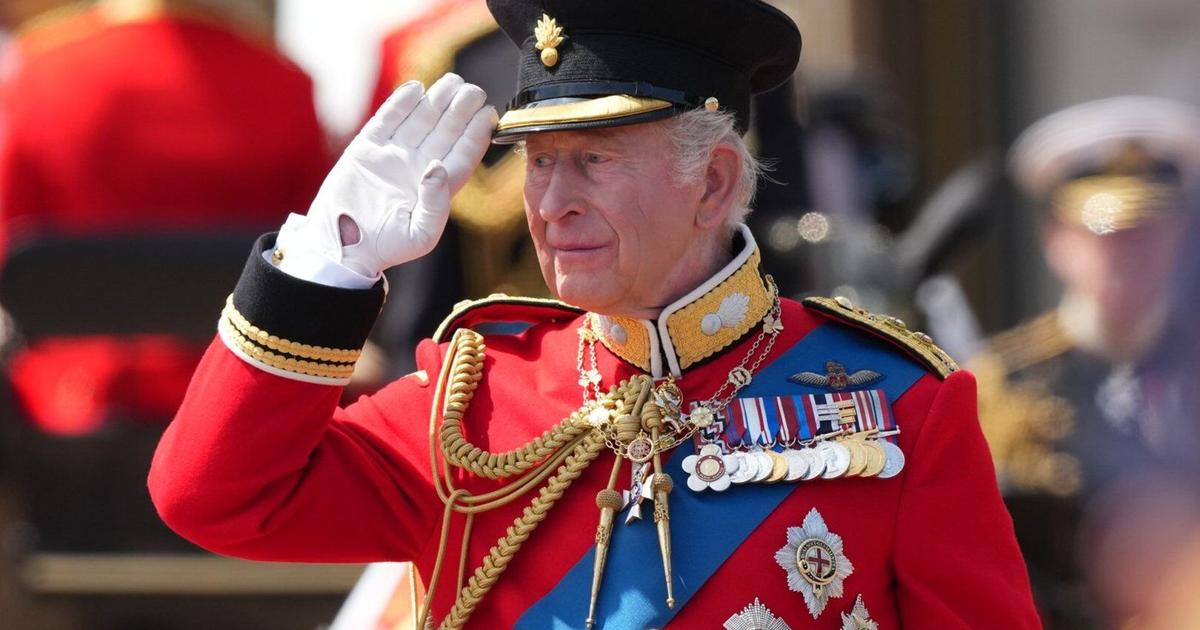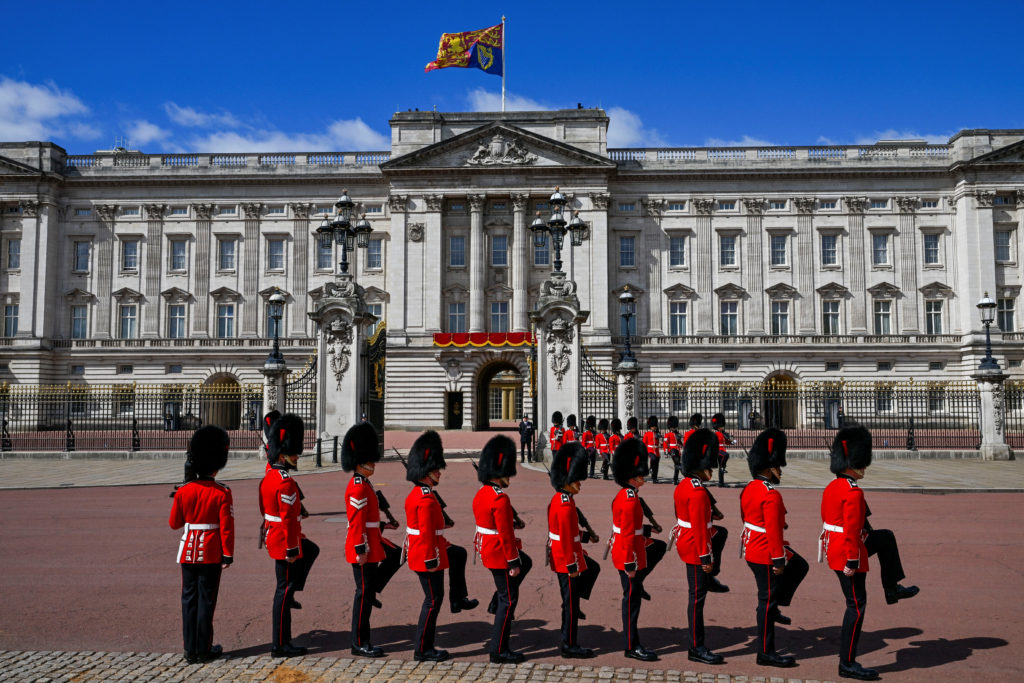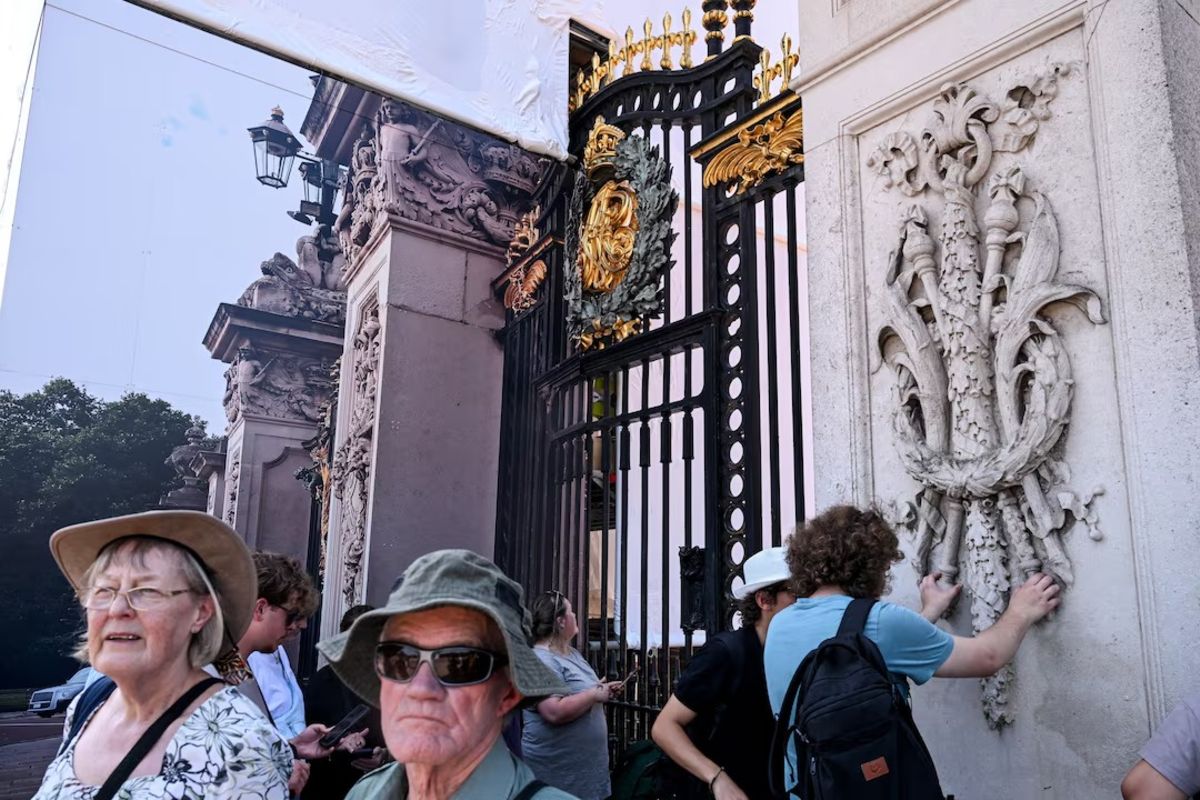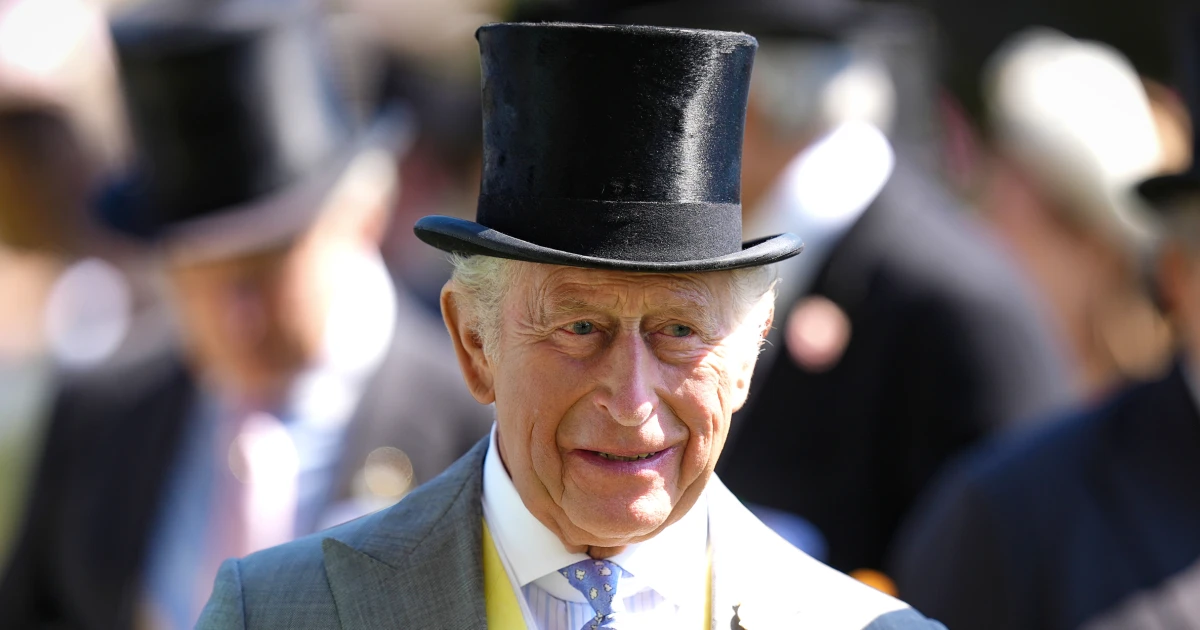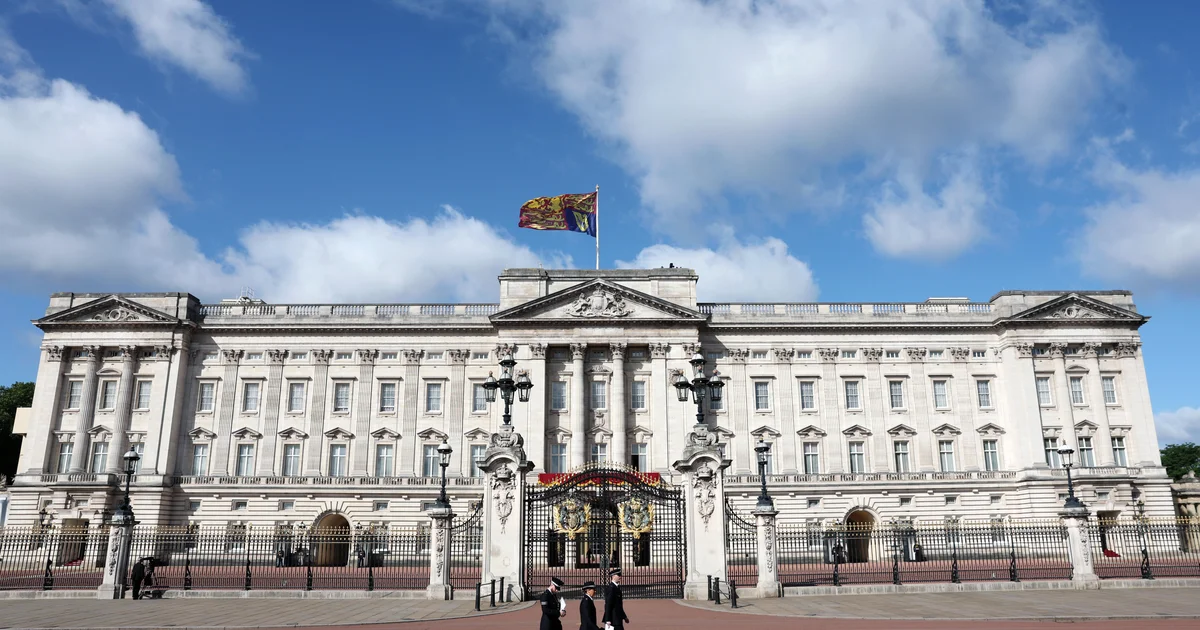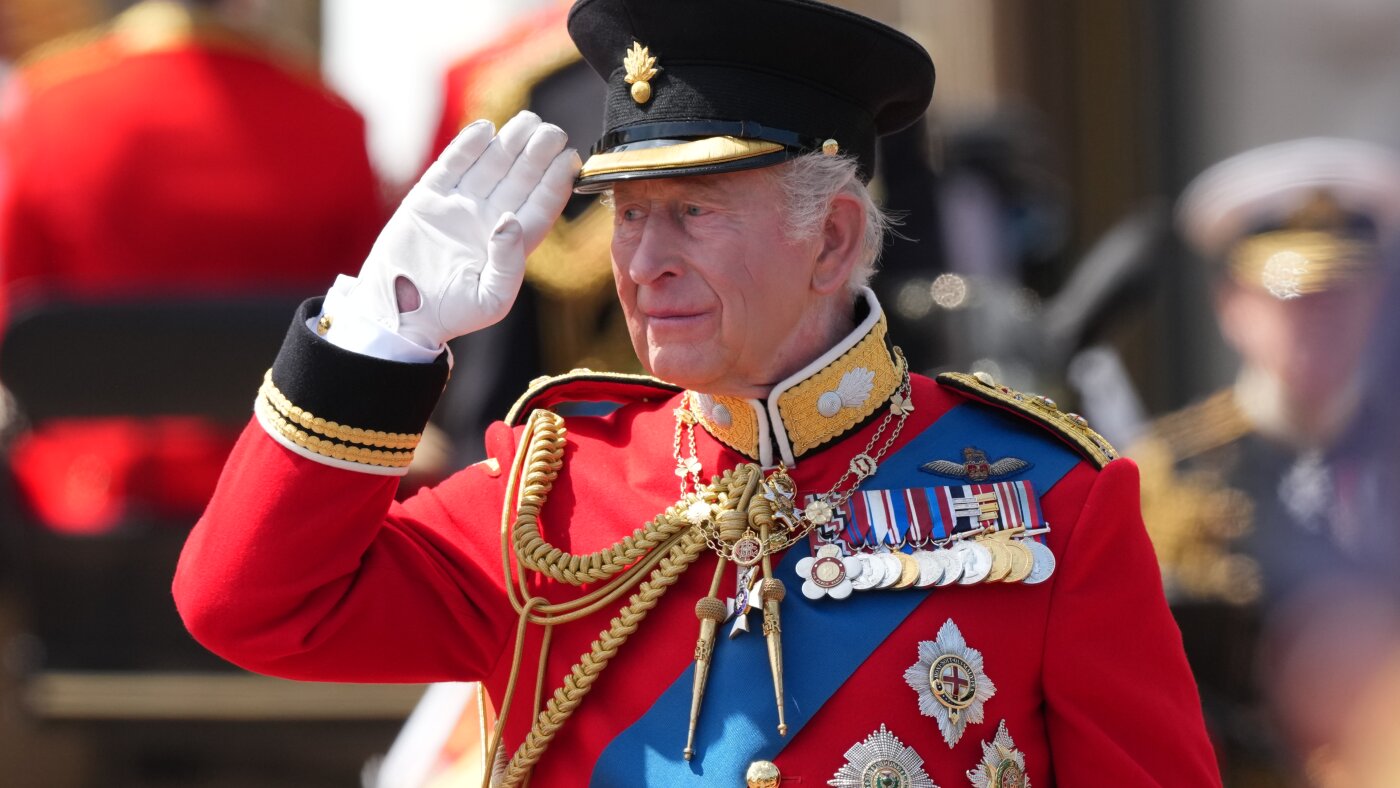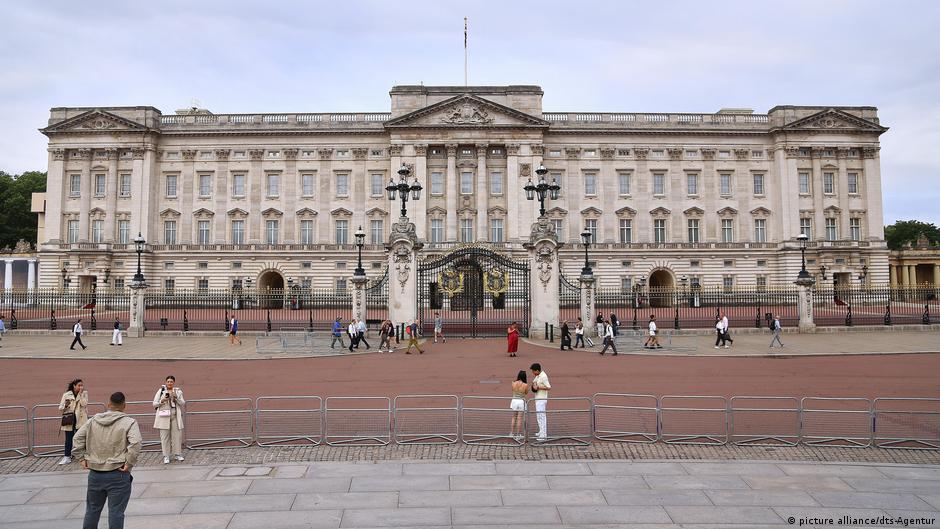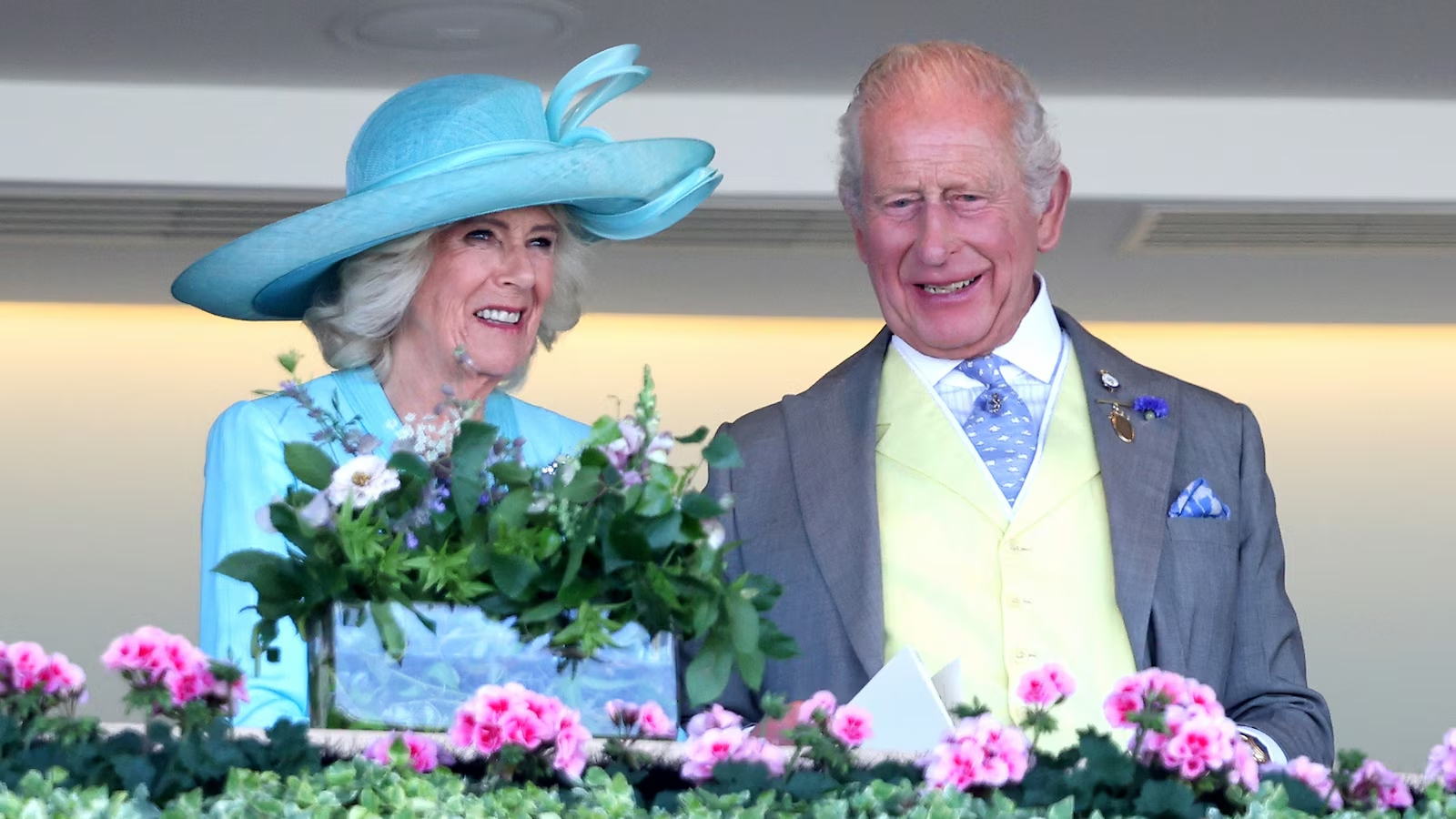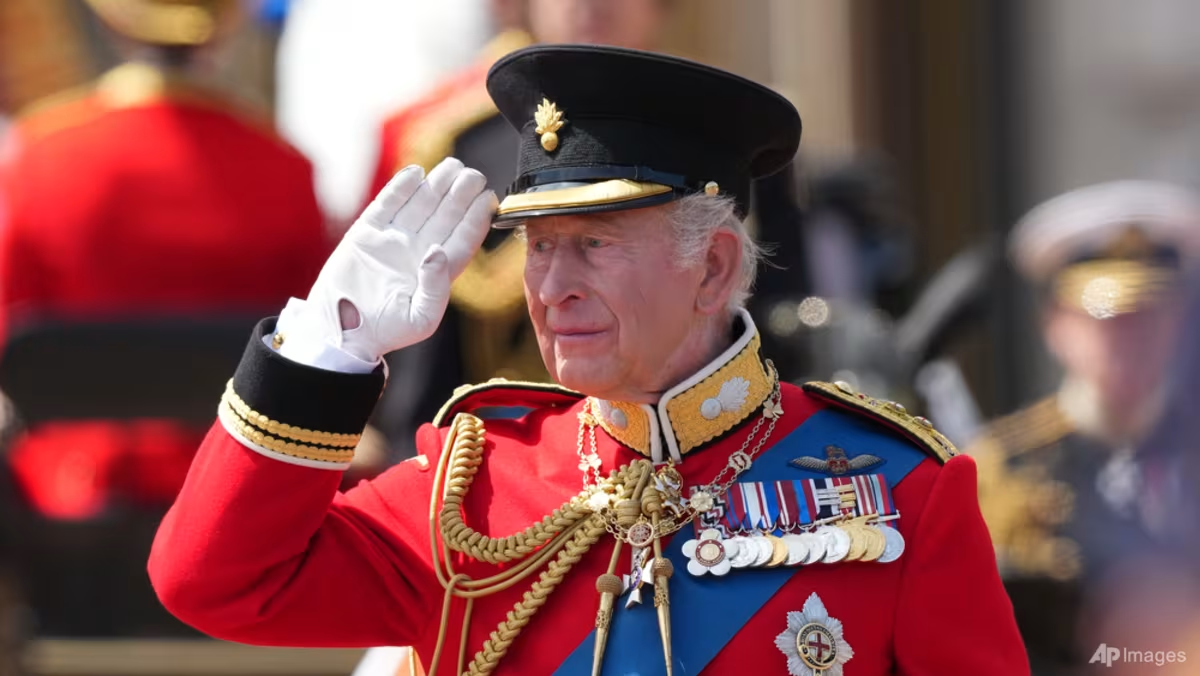
LONDON: King Charles III will not live at Buckingham Palace after the completion of a 10-year, 369 million-pound (US$487 million) refurbishment programme as the monarchy seeks to increase public access to the historic building that has been the centre of royal life for almost 200 years.Royal officials stressed that the king and Queen Camilla would continue to work out of the palace, which will remain “the ceremonial and operational centre” of the monarchy. But for the rest of Charles’ reign, the king and queen will remain in nearby Clarence House.“It is and will remain Monarchy HQ, the crown jewel of our national buildings,” said James Chalmers, the senior royal official responsible for managing the king’s financial affairs.The decision was announced Thursday (Jun 25) during a briefing on royal finances at which Charles became the first British monarch to reveal the taxes he paid to the government. The king paid 12.9 million pounds (US$16.1 million) in income and capital gains taxes in the 2024-25 financial year, up from 11.7 million pounds the previous year.THE PALACE RECOGNISES IT NEEDS MORE TRANSPARENCYThe other big news of the day was the announcement on royal taxes.While Charles released the details of his personal taxes when he was Prince of Wales, this is the first time he has done so since ascending the throne following the death of his mother, Queen Elizabeth II, in 2022.While monarchy receives funding from a number of sources, the king pays taxes only on his personal income, much of which comes from his privately owned estates, Balmoral in Scotland and Sandringham on the east coast of England. Charles also paid capital gains taxes related to the sale of assets.Prince William, the current Prince of Wales, also released his tax details on Thursday. William paid 7.76 million pounds in income and capital gains taxes in the 2024-25 tax year, down from 8.34 million pounds the previous year, his office said.The figures for the first time give the public a concrete idea about the King’s personal wealth, as opposed to the castles, jewels and artwork that go with the job but aren’t the monarch’s personal property.Charles didn’t have to do this. The king’s tax affairs, like those of any citizen, are strictly confidential. But he decided to give up that right to privacy as the monarchy tries to put as much distance as possible between itself and Mountbatten-Windsor.It also underscores the idea that the monarchy is a public institution and its workings should be public, said Craig Prescott, an expert on constitutional law and the monarchy at Royal Holloway, University of London.“If they’re open and as transparent as possible, then the contrast with Andrew Mountbatten-Windsor becomes all the greater,” he said.
King Charles III will not live at Buckingham Palace after refurbishment completion
The palace will remain the main working and ceremonial headquarters of the British monarchy.
448 words~2 min read