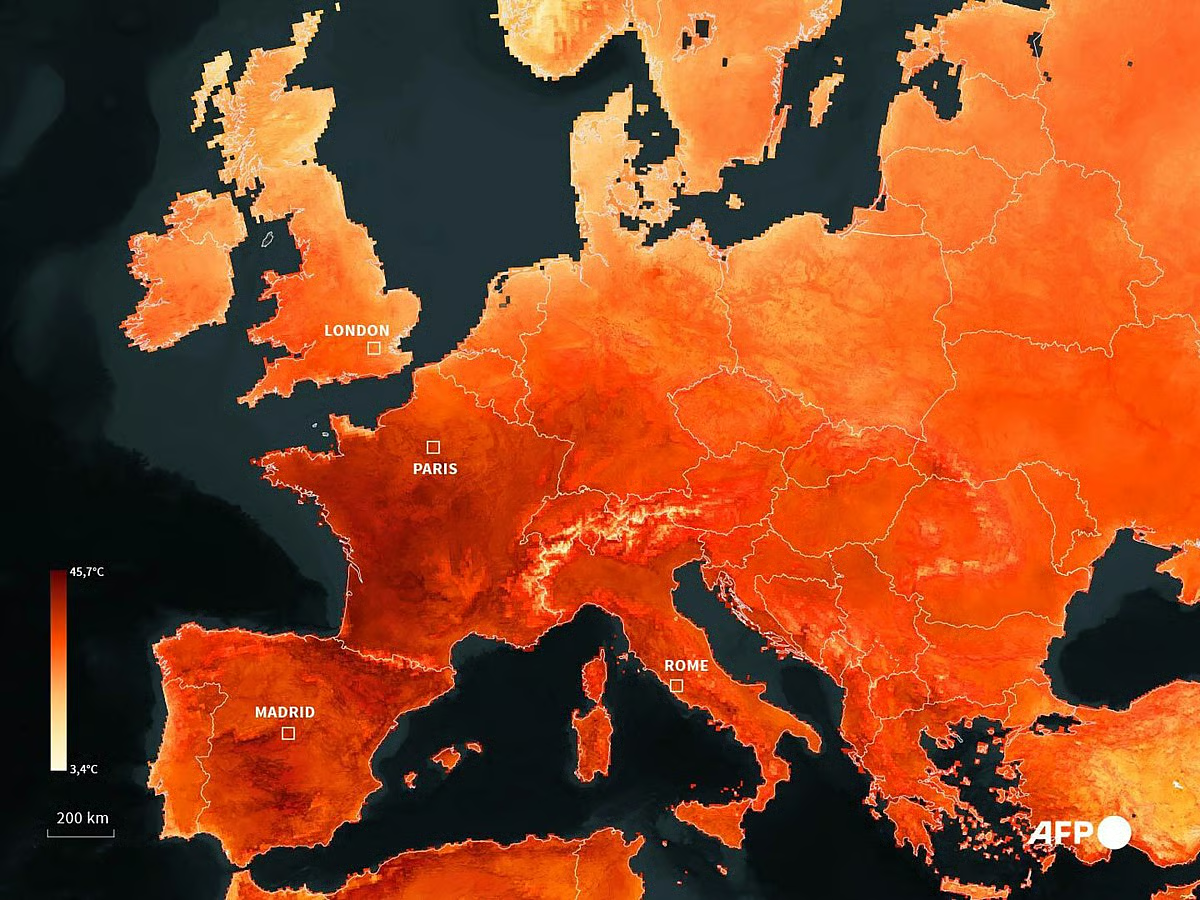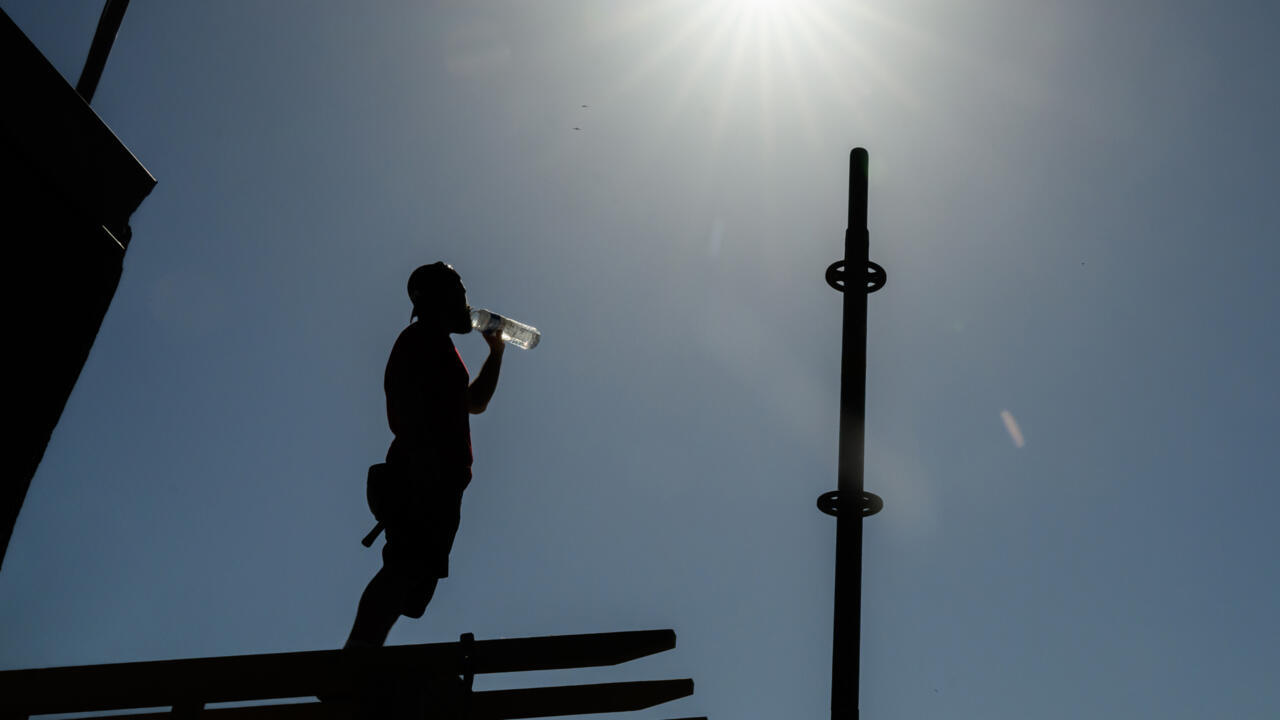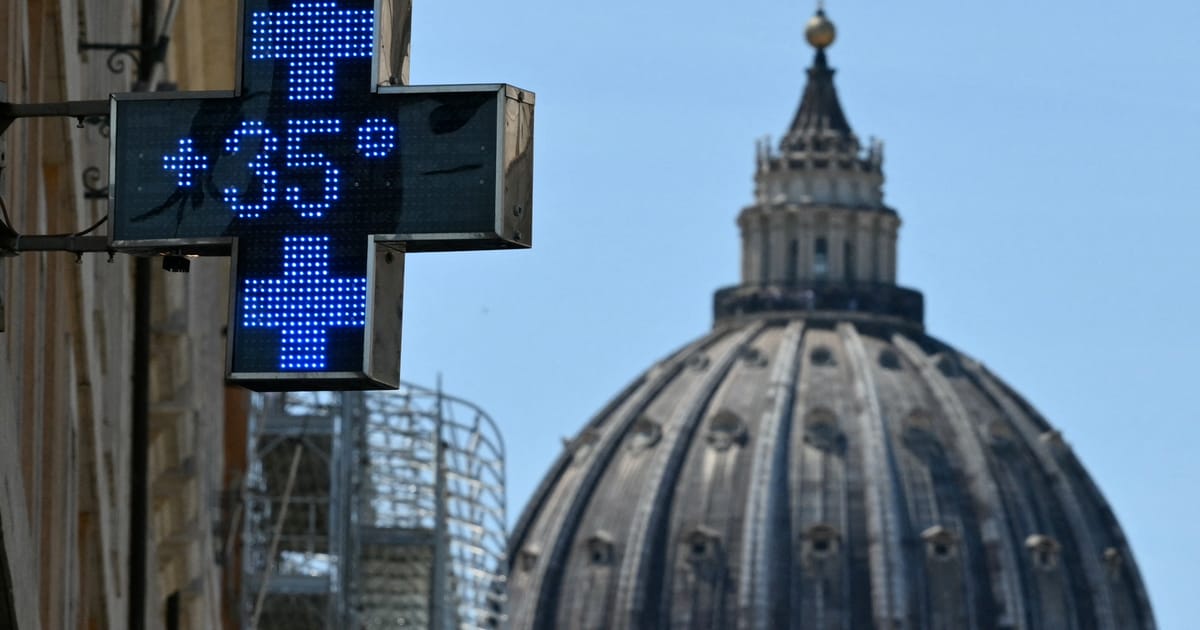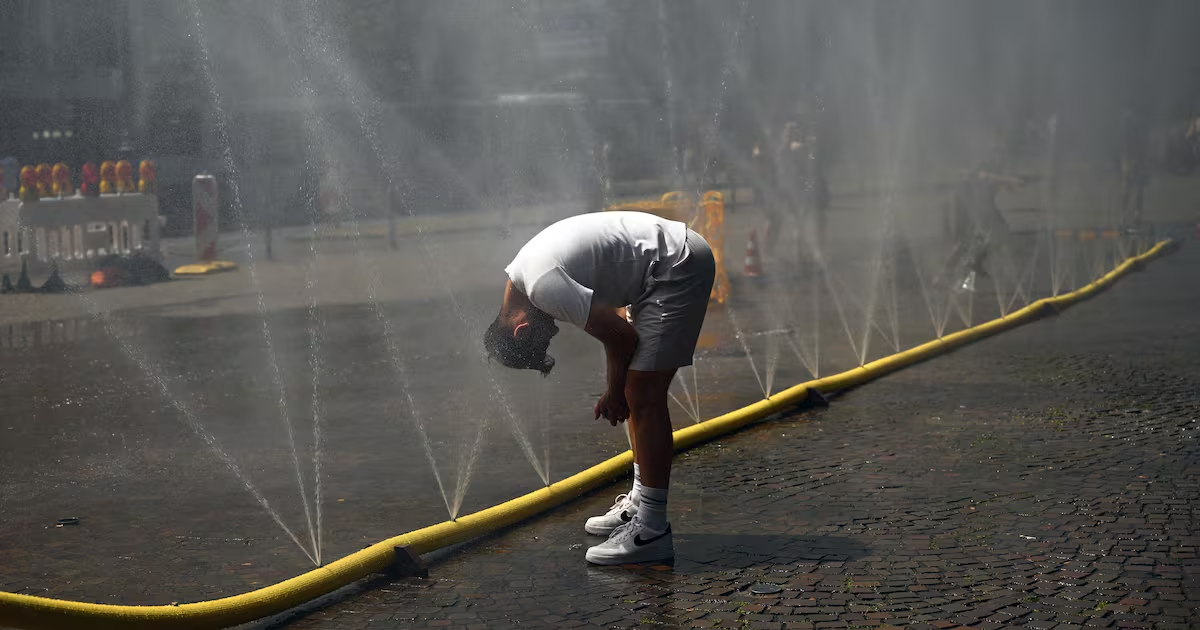
United Nations (UN) climate change executive secretary Simon Stiell has said the heatwave across Europe this week was due to climate change and there would be worse to come.“Europe’s savage heatwave has the fingerprints of the climate crisis all over it – it’s the latest price to pay for fossil fuel pollution baking our planet. Schools closing, the vulnerable dying, economies sweating: this is what the climate crisis looks like in practice and it’s just getting started,” he said on Thursday.“Until humanity stops burning colossal amounts of coal, oil and gas, extreme heat will keep getting worse, and other climate impacts – from mega-droughts, floods, wildfires and storms – will keep hammering every economy and population harder each year.”UN secretary general António Guterres warned this week that the world “cannot outrun climate change. Its impacts are already here.”Although Ireland is not under the heat dome, or area of high pressure trapping heat over continental Europe, temperatures reached a high of 32.1 degrees in Athenry, Co Galway, on Thursday.There had been predictions that a new heat record could be set to beat the 33.3 degrees recorded in Co Kilkenny in 1887. In Northern Ireland, a high of 30.8 degrees was recorded in Castlederg in Co Tyrone. A man plays guitar at Greystones beach during heatwave. Video: Natalia Campos The heatwave that has consumed much of western Europe has pushed temperatures well above 35 degrees for more than 100 million people and triggered weather warnings in more than 20 countries. The rising death toll includes 212 fatalities over four days linked to the heatwave in Spain alone.[ France faces surge of heat-related health emergencies as temperatures exceed 40 degreesOpens in new window ]Europe is particularly affected because it is the fastest-warming continent, according to the European Union’s Copernicus climate change monitoring service, warming at more than twice the global average. It has warned of “increasing frequency and intensity of heatwaves” in Europe“As Europe’s climate continues to warm, heatwaves are projected to occur earlier and later in the year beyond summer,” according to Copernicus.Peter Thorne, director of the Irish Climate Analysis and Research Units, said this is in part due to climate change’s impact on the Arctic region. With ice caps “melting rapidly”, the reflective surface of the northernmost part of the planet is disappearing, he said, and being replaced with land and sea that absorbs radiation more easily. This extreme weather “is hugely concerning” for Thorne. “Undoubtedly, this is proof of human-induced climate change at work. This is our new reality and it’s not going anywhere,” he said. “The worst thing is, it’s not getting any better than this,” he added, noting heatwaves are expected to occur “with increasing frequency”. “Sure, we’re going to get nice cool weather at some point in the weekend, but the heatwave is going to move east, impacting Germany, Poland, the Baltics and even the Nordics before this is done,” he said.A woman walks with an umbrella during a hot day in downtown Zagreb, Croatia, on Thursday. Photograph: Antonio Bat/EPA Dr Michael Hynes, an environmental sociologist at the University of Galway, said people worldwide are experiencing “climate fatigue”, or a fall-off in interest in the climate crisis, because the issue feels so abstract, leading people to feel helpless. “It feels completely out of our grasp,” he said. “The world isn’t going to end, but it’s going to change – it’s changing right in front of our eyes.”Counties Cork, Kerry and Waterford have been placed under status orange thunderstorm warnings by Met Éireann, which list flooding, lightning damage and “very gusty winds” as potential impacts. A status yellow heat warning initially due to expire on Friday morning has been extended to Saturday.Met Éireann meteorologist Holly O’Neill said no part of the country has reached the minimum “five or more consecutive summer days above 25 degrees” observed at a Met Éireann station to officially register a heatwave. “The unusually warm weather this week is, in part, a result of heatwave conditions over in Europe, with a plume of warm air being moved in from the Continent that’s causing our temperatures to soar as well,” she said. “Climate projections all agree that this heating will continue well into the future and we can expect to see more of these extreme heat events happening more frequently,” she added.
Heatwave due to climate change with worse to come, says UN
Rising death toll includes 212 fatalities over four days linked to high temperatures in Spain alone
717 words~3 min read