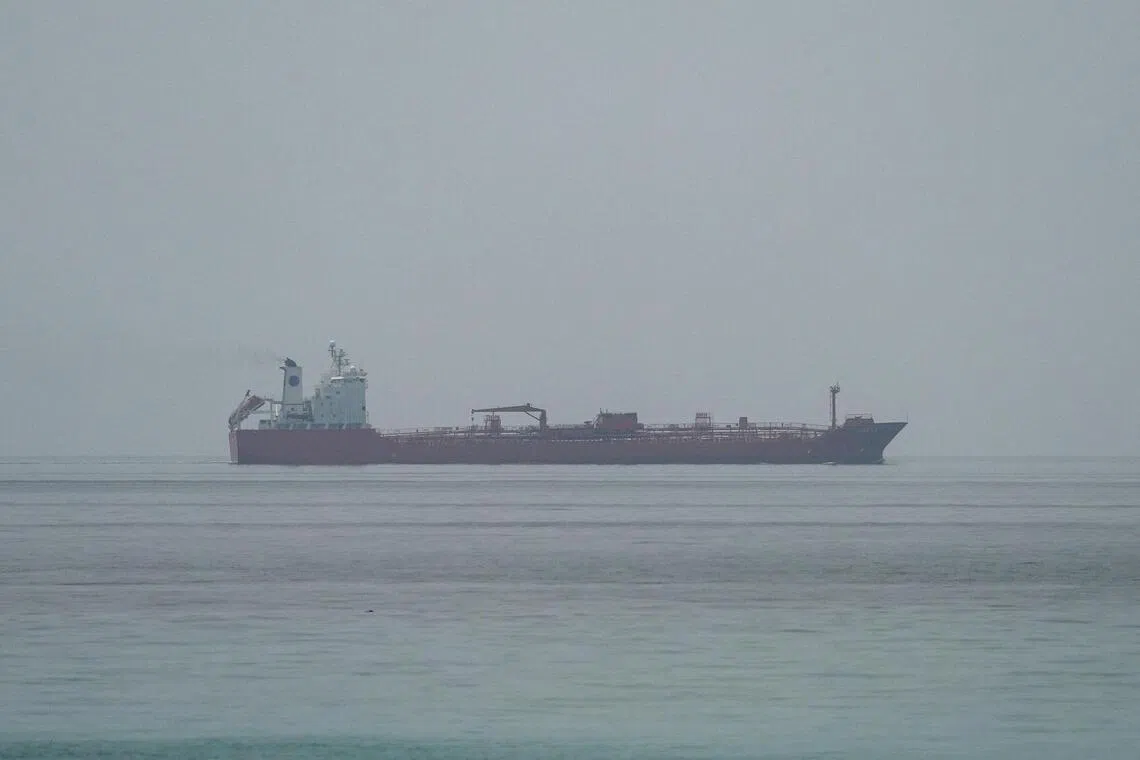
Why are oil prices up today, and will Brent, US WTI crude futures continue to rise or fall again? This question returned to the center of the energy market after oil prices rose following a reported attack on a cargo vessel near Oman. The incident renewed concerns about shipping through the Strait of Hormuz, one of the world's busiest oil routes. Traders also watched developments involving Iran, the United States, and Gulf countries. At the same time, analysts pointed to technical buying and supply concerns as additional reasons behind the move. Here is a detailed look at what happened and what it could mean for oil prices.Why are oil prices up today, and will Brent, US WTI crude futures continue to rise or fall again?Oil prices ended the trading session with gains of more than 2% after reports emerged that a cargo ship had been struck by an unknown projectile near Oman. The incident interrupted efforts to guide commercial vessels safely through the Strait of Hormuz and renewed concerns about global oil transportation.According to Reuters, Brent crude futures increased by $1.52, or 2.1%, to settle at $75.26 per barrel. US West Texas Intermediate (WTI) crude futures climbed $1.58, or 2.3%, to finish at $71.92 per barrel.The market reacted quickly because the Strait of Hormuz is one of the most important shipping routes for crude oil. Any disruption in this area can affect global energy supplies and influence oil prices.Cargo ship incident raises supply concernsThe latest rally started after a cargo vessel reported being hit by a projectile near Oman. The incident forced the United Nations International Maritime Organization to pause its operation aimed at helping ships and seafarers move safely through the Strait of Hormuz.The suspension raised concerns that shipping traffic could once again face disruptions. Later in the day, two US officials told Reuters that Iran had fired on the cargo ship while it attempted to travel through the strait. Iranian authorities responded by stating that the security of vessels travelling outside designated Hormuz routes could not be guaranteed.These developments increased uncertainty in the market because the Strait of Hormuz handles a large share of global oil exports. Before the conflict began, around 20% of the world's oil supply passed through this waterway between Iran and Oman.Recent conflict continues to affect the oil marketOil and gas shipments have faced disruptions since the joint US-Israeli attacks on Iran at the end of February. Although a preliminary agreement between the United States and Iran allowed shipping traffic to resume, the latest attack has created fresh concerns that the agreement may not remain in place.Only one day earlier, both Brent and WTI crude futures had closed at their lowest levels since February 27. That decline came after crude shipments through the Strait of Hormuz reached their highest level since the conflict began. The latest incident changed market sentiment quickly. Investors once again focused on the possibility of shipping delays, supply shortages, and higher transportation risks.Storage levels and production concernsAnalysts at energy consultancy Rystad Energy said storage tanks across Gulf countries are currently around 50% to 60% full. According to the firm's assessment, if tanker traffic through the Strait of Hormuz does not recover soon, oil-producing countries may have to reduce production.The consultancy also said that a complete recovery in regional oil flows could be delayed until next year. This assessment increased concerns among traders because reduced production could tighten global crude supplies if shipping restrictions continue.Will Brent, US WTI crude futures continue to rise or fall again?The direction of Brent and US WTI crude futures will depend on developments in the Middle East and shipping activity through the Strait of Hormuz. If cargo vessels continue to face security threats or shipping delays, oil prices could remain supported because traders may expect lower supplies in the global market.If traffic through the strait returns to normal and tensions ease, crude prices could lose some of their recent gains. Market participants will closely watch statements from Iran, the United States, Gulf countries, and international shipping agencies before making fresh trading decisions. The movement of oil exports over the coming days will play a major role in deciding whether Brent and WTI continue to rise or move lower again.Analysts' insights and market outlookSeveral analysts said the latest rally was not driven only by geopolitical concerns. Market experts also pointed to technical buying and short-covering. Consultancy Gelber & Associates said crude oil had become technically oversold after falling for more than a week. When prices remain at low levels, some traders buy contracts to take advantage of lower prices. Others close their short positions, adding more buying activity to the market.This combination helped push prices higher during Thursday's trading session. Despite the rally, analysts noted that both Brent and WTI crude futures still remain in technically oversold territory. That means traders will continue watching price movements carefully before deciding whether the market has started a longer recovery or whether the recent rise is only temporary.Diplomatic developments remain in focusUS Secretary of State Marco Rubio met Gulf allies during his Middle East visit and said any future agreement with Iran would consider the interests of regional partners. The United States and the six-member Gulf Cooperation Council (GCC) also supported free, unconditional, and unrestricted navigation through the Strait of Hormuz.The joint statement opposed any tolls, fees, or attempts to control international shipping routes. Rubio also warned that if Iran threatens or blocks commercial vessels travelling through the strait, it would create serious problems for the international community.Meanwhile, a Wall Street Journal report said Iran has estimated that charging for security, safety, and environmental services in the Strait of Hormuz could generate around $40 billion every year for countries involved. These political discussions remain important because government decisions can directly affect global oil transportation and energy markets.Other energy markets also moved higherThe impact of the shipping concerns was not limited to crude oil. US gasoline futures climbed around 5%, while US diesel futures gained about 4% during the same trading session.Higher fuel prices reflected broader concerns that any disruption in crude supplies could eventually affect refined petroleum products. Investors across energy markets are expected to continue monitoring shipping conditions and geopolitical developments over the coming weeks.Venezuela earthquakes add another layer of uncertaintyAnother development attracting attention came from Venezuela. Thousands were feared dead after two powerful earthquakes caused destruction in and around Caracas. The disaster could slow plans to increase Venezuelan oil exports.The administration of US President Donald Trump had expected higher oil shipments from Venezuela after the United States captured Venezuelan President Nicolas Maduro in January. If Venezuelan exports increase more slowly than expected, global crude supplies may remain tighter, adding another factor for traders to monitor.What should investors do now?Investors should continue following developments in the Strait of Hormuz, shipping activity, diplomatic talks involving Iran and the United States, and updates from oil-producing countries. Market volatility may remain high as new information emerges.Analysts say supply disruptions, geopolitical events, technical trading, and changes in production levels will continue influencing Brent and US WTI crude futures. Investors should avoid making decisions based only on one trading session and instead watch whether shipping traffic returns to normal and whether tensions in the region ease. The coming days are expected to provide more clarity on whether the latest rise in oil prices develops into a longer trend or whether crude futures return to lower levels.FAQsQ1. Why are oil prices up today?Oil prices rose after a cargo ship was reportedly hit near Oman, raising concerns about crude shipments through the Strait of Hormuz, while technical buying and short-covering also supported the market.Q2. Will Brent, US WTI crude futures continue to rise or fall again?Future price movements will depend on shipping conditions, geopolitical tensions, oil supply levels, diplomatic negotiations, technical trading activity, and whether traffic through the Strait of Hormuz returns to normal.
Why are oil prices up today, and will Brent, US WTI crude futures continue to rise or fall again? Cargo ship attack near Oman lifts crude prices
Why are oil prices up today, and will Brent, US WTI crude futures continue to rise or fall again? Oil prices gained more than 2% after a cargo ship was struck near Oman, raising concerns over crude shipments through the Strait of Hormuz. Brent and US WTI crude futures moved higher as traders reacted to supply risks, technical buying, and uncertainty surrounding Iran, shipping security, and global oil exports.
1,308 words~6 min read