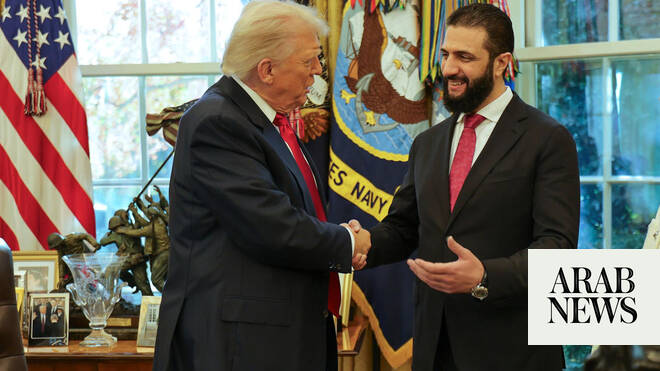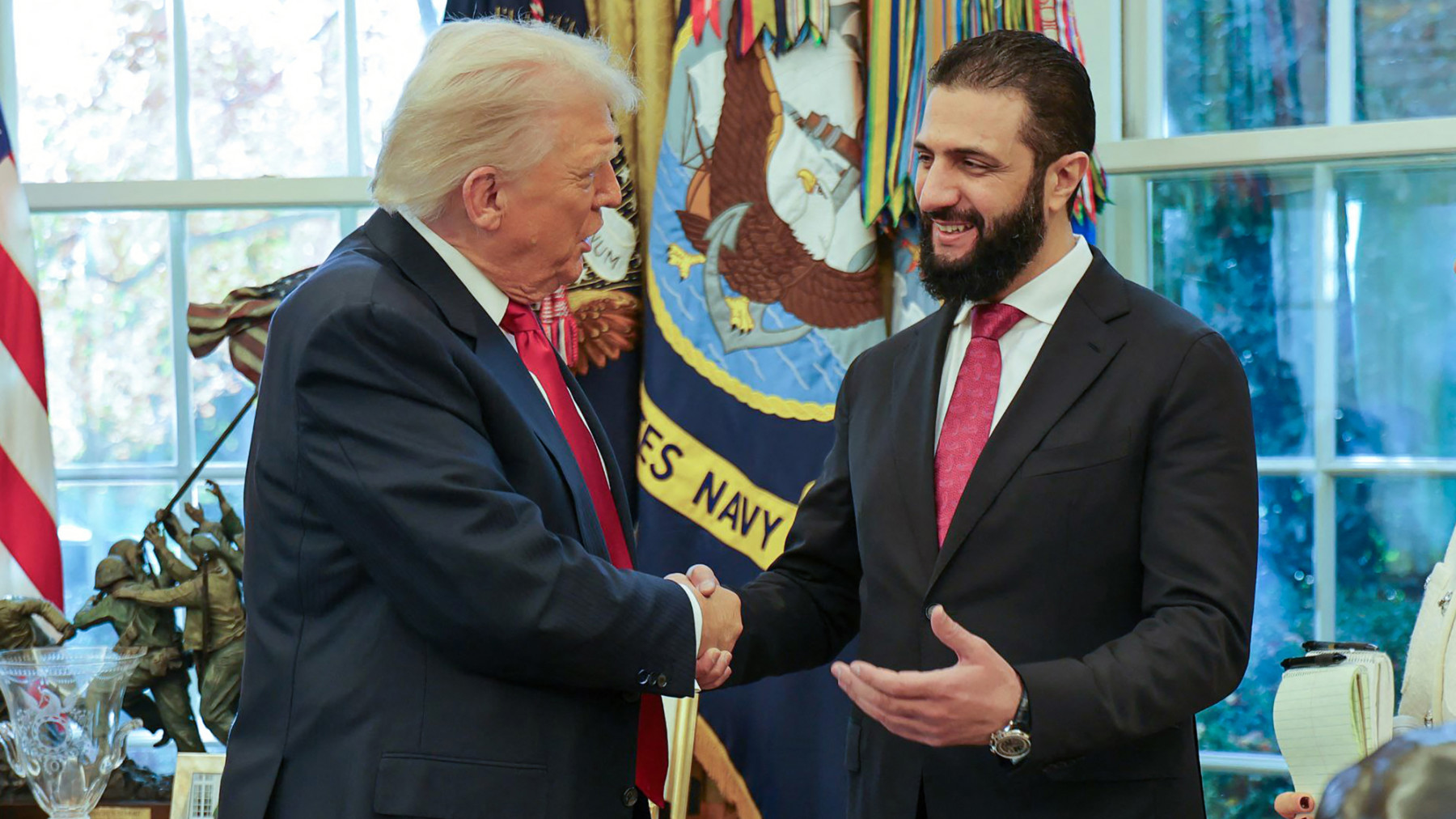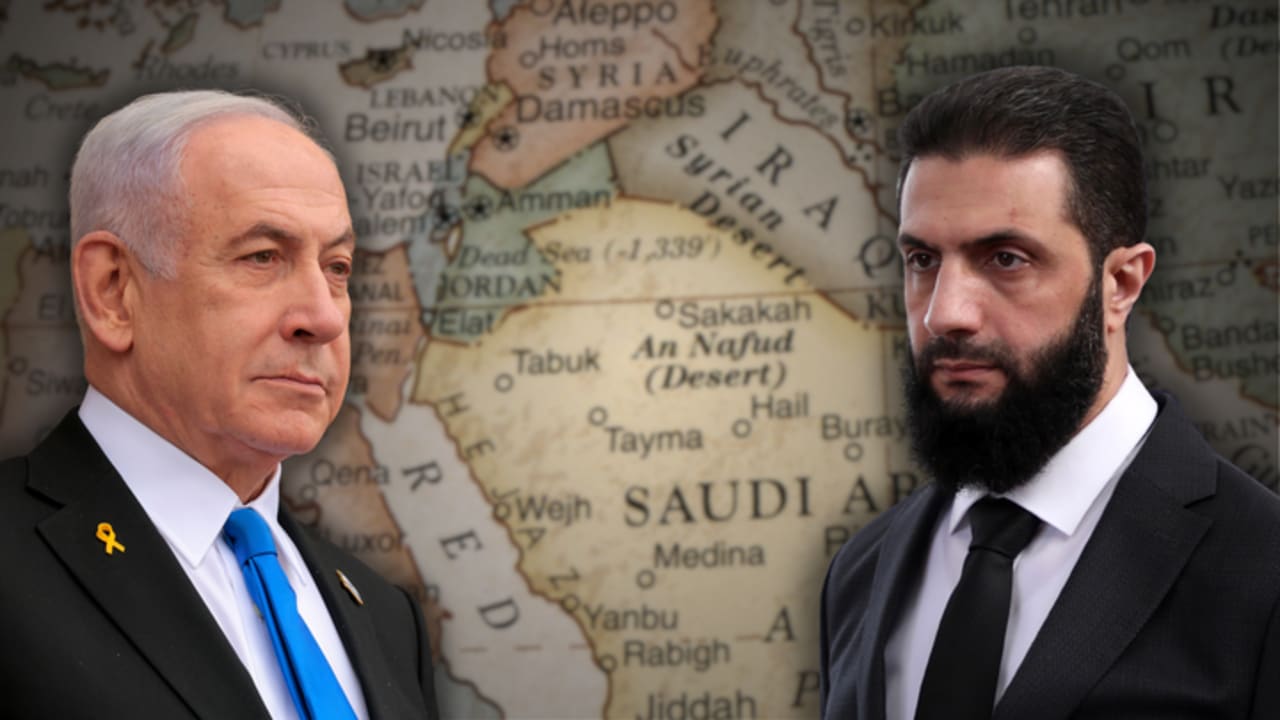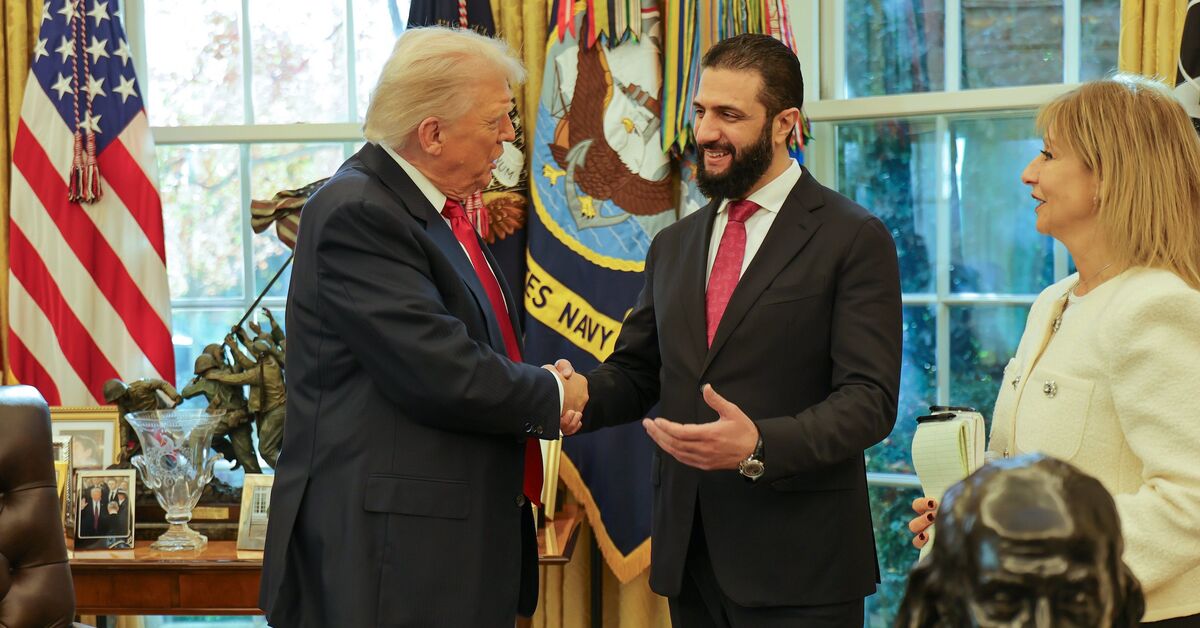
When U.S. President Donald Trump reportedly floated the idea that Syria could be tasked with confronting Hezbollah in Lebanon, the remark was easy to dismiss as one more provocative improvisation from a politician who has long treated foreign policy as a sequence of transactions. But the suggestion deserves more serious attention than that. It reflects a line of thinking that is beginning to surface in some strategic circles: that if Israel’s confrontation with Hezbollah fails to produce a decisive outcome, can an alternative force eventually be sought to reshape the balance of power inside Lebanon?
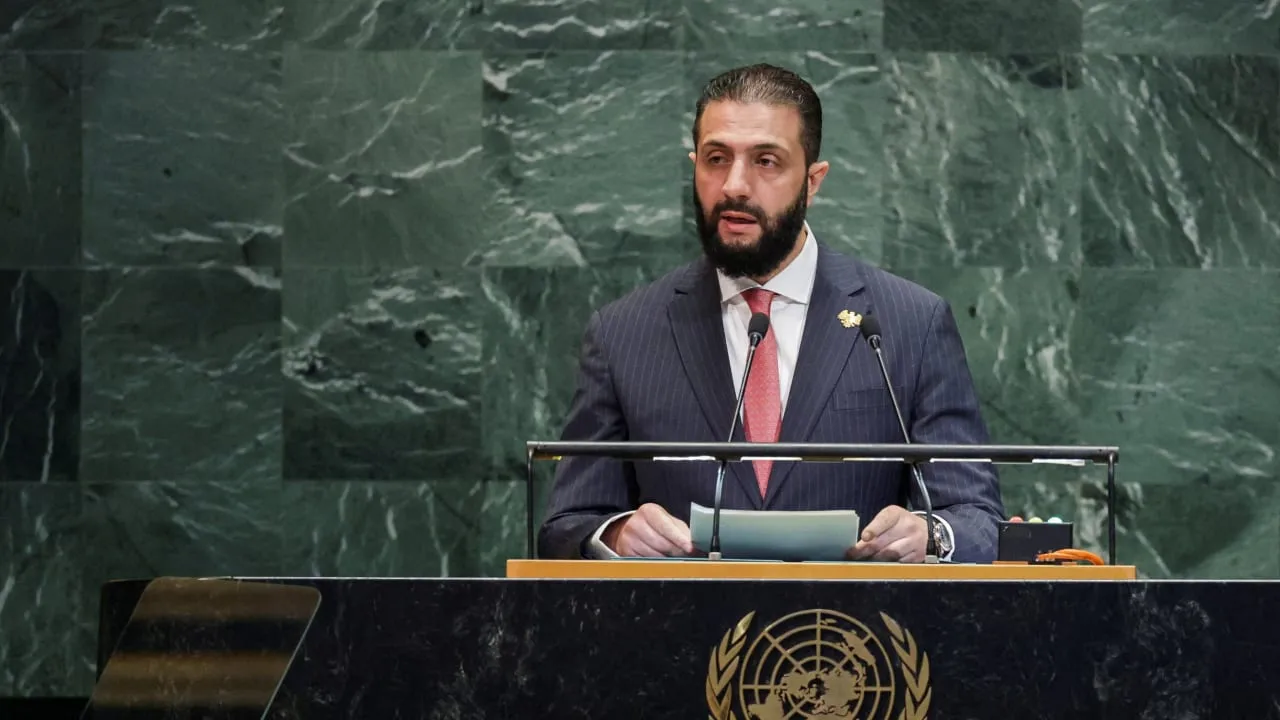
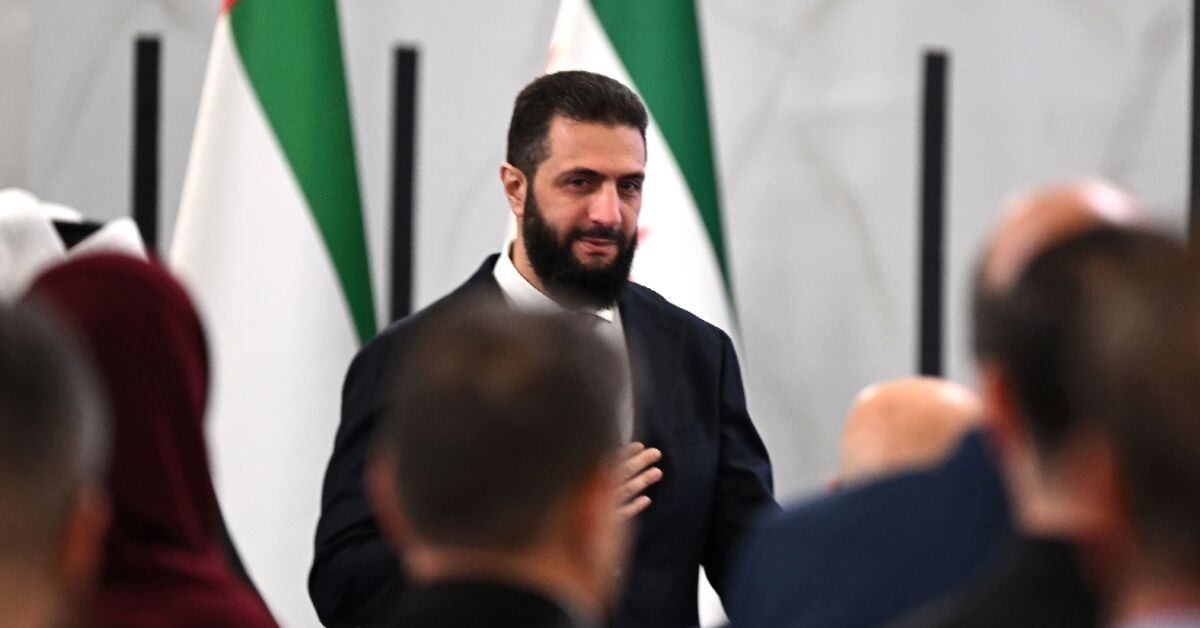
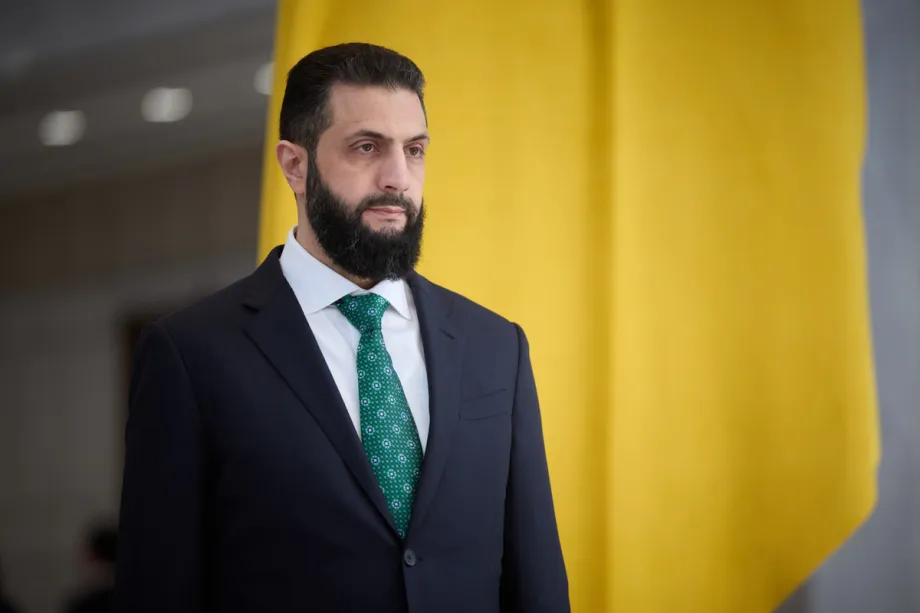
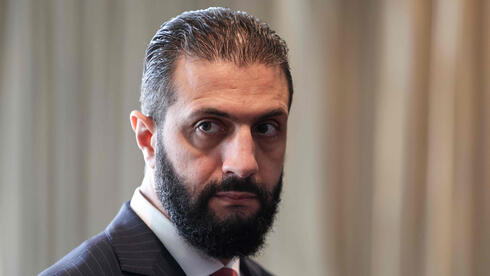
Syrian President Ahmed al-Sharaa said Syria will not take on any military role in Lebanon, and instead aims to support stability through political, diplomatic and economic means rather than force. However, the mere fact that such a scenario can now be discussed tells us something important about the Middle East after years of war, fragmentation and diplomatic realignment.
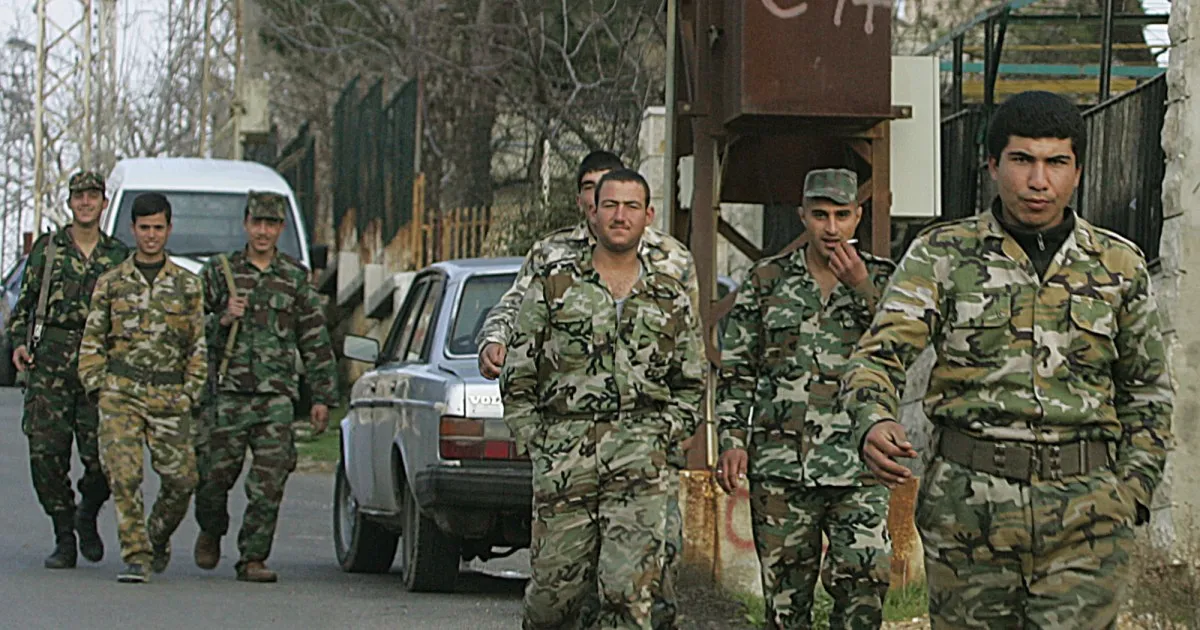
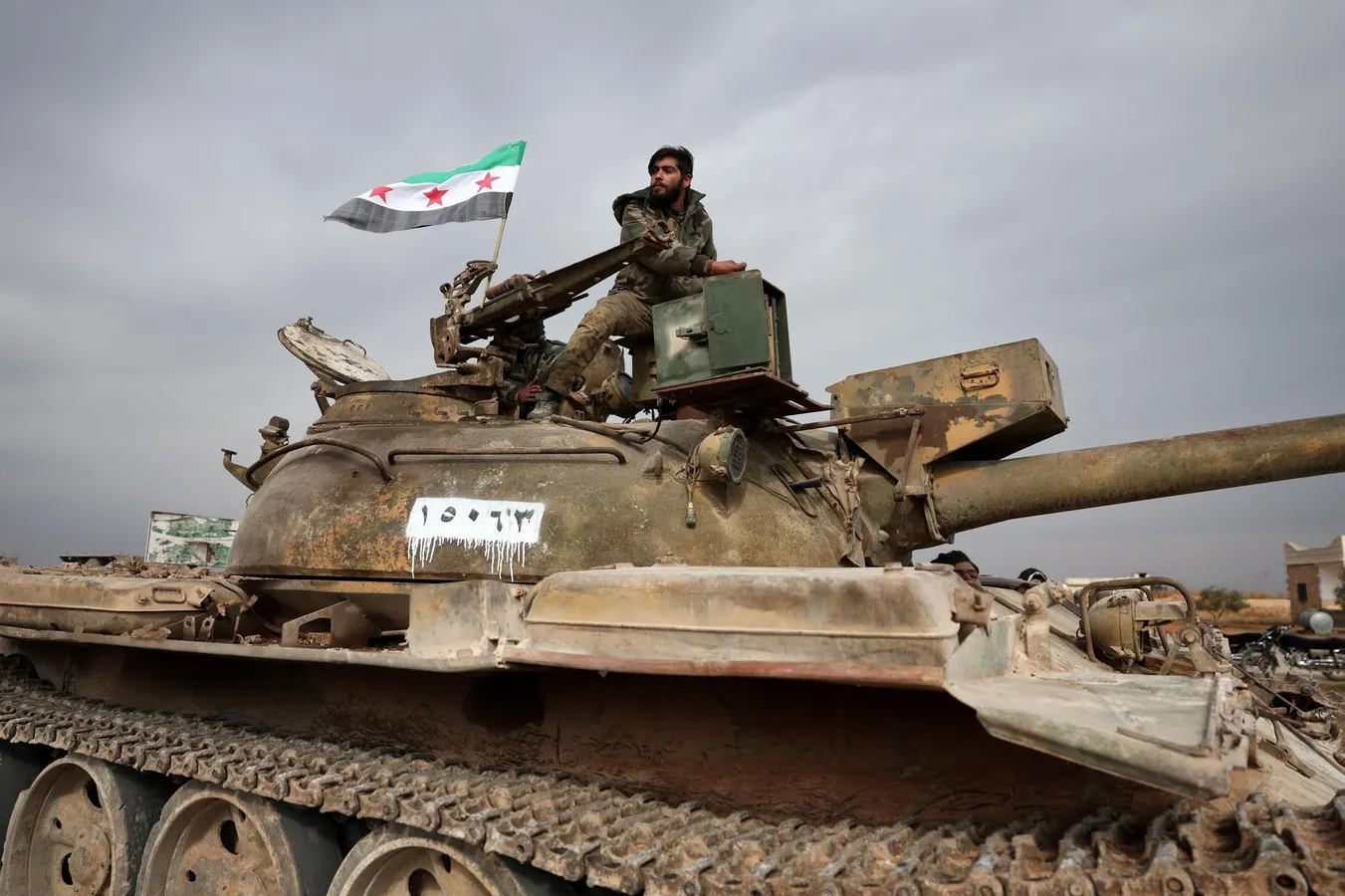
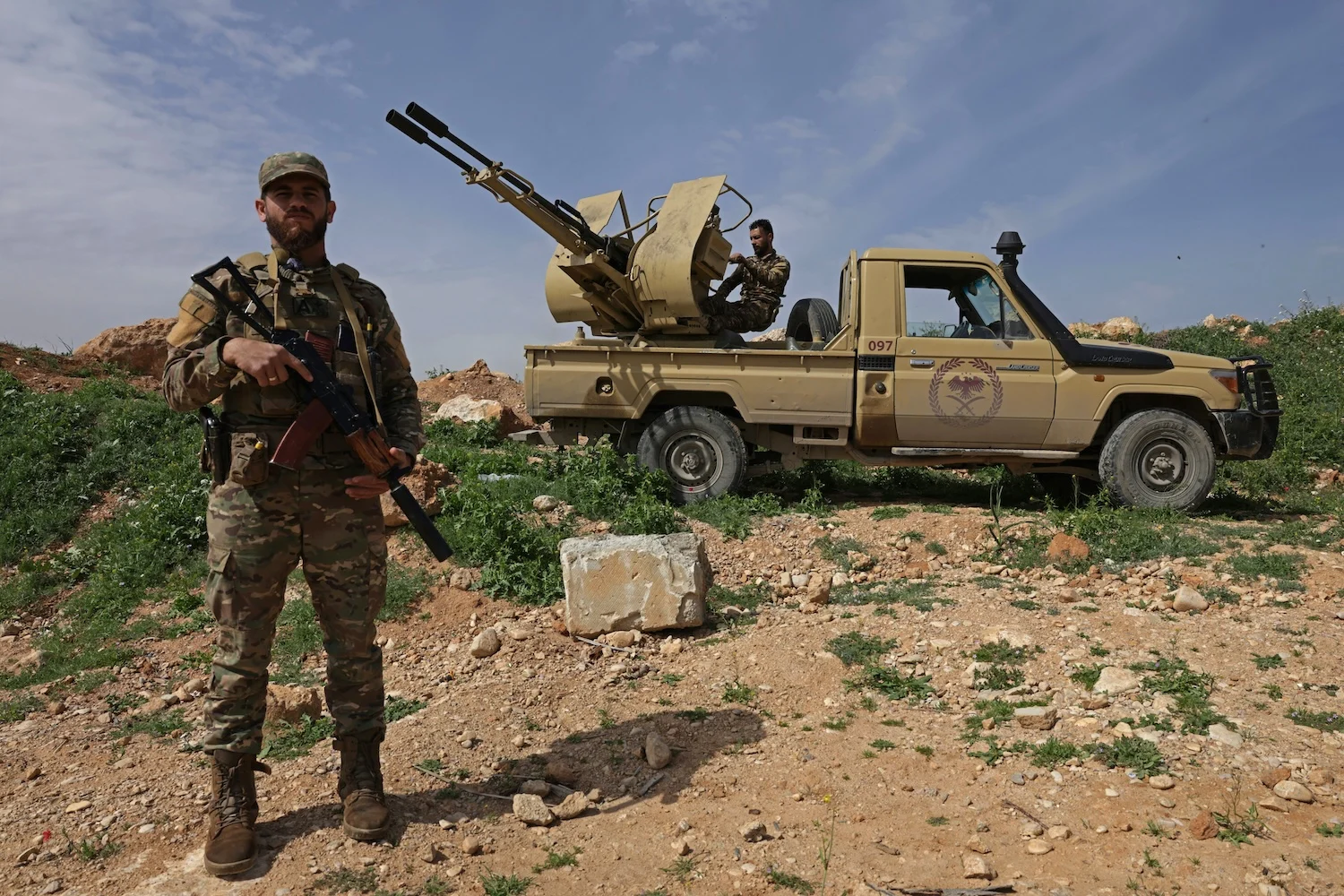
Old taboos are eroding. Alliances that once seemed fixed are increasingly conditional. Enemies remain enemies, but they are also being reassessed according to shifting priorities. In that environment, even an idea as explosive as Syrian military involvement against Hezbollah no longer sounds impossible in the way it once would have.