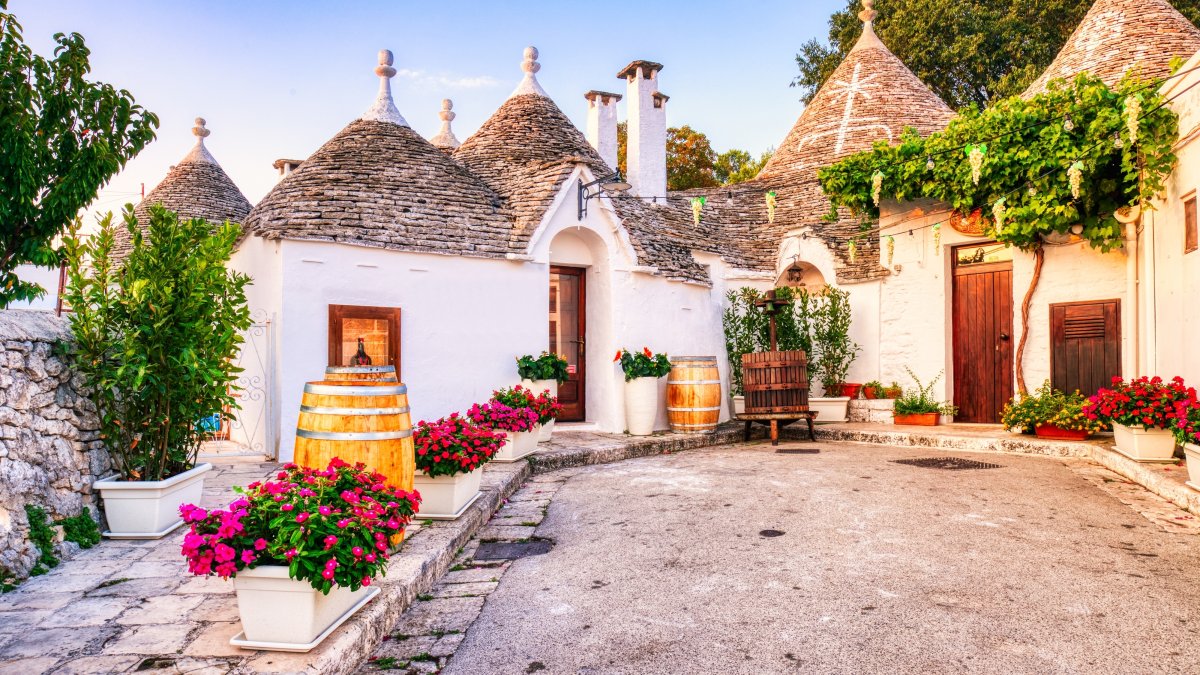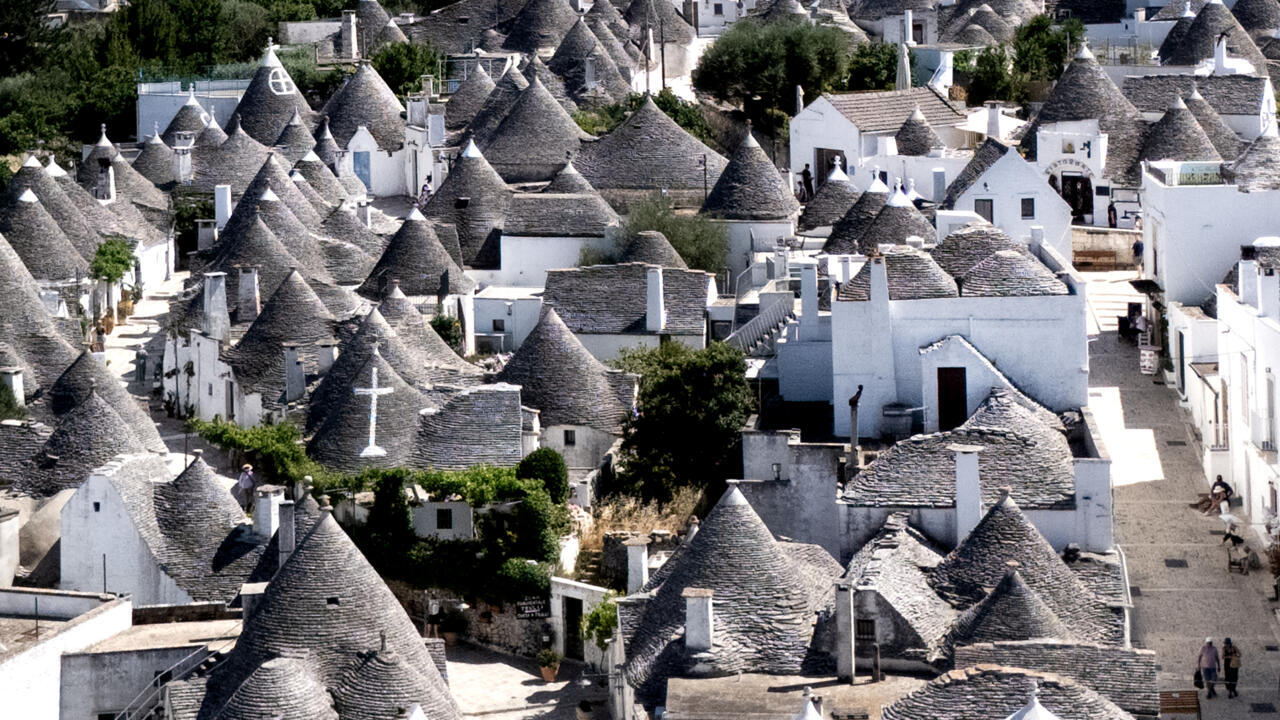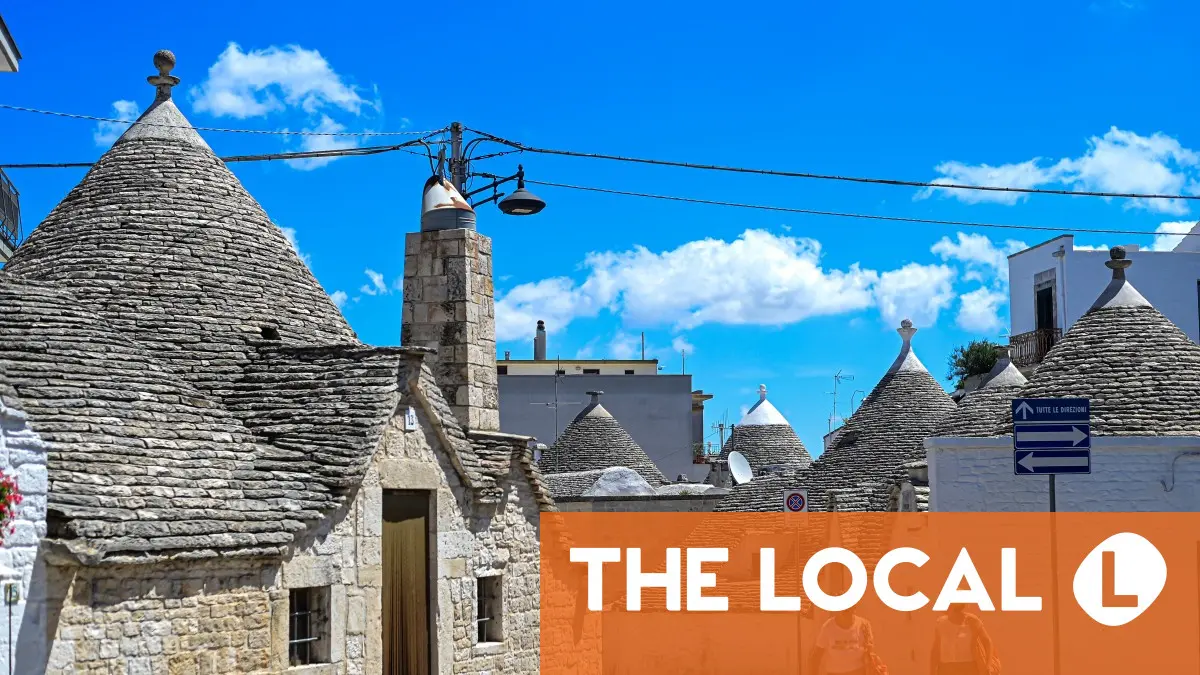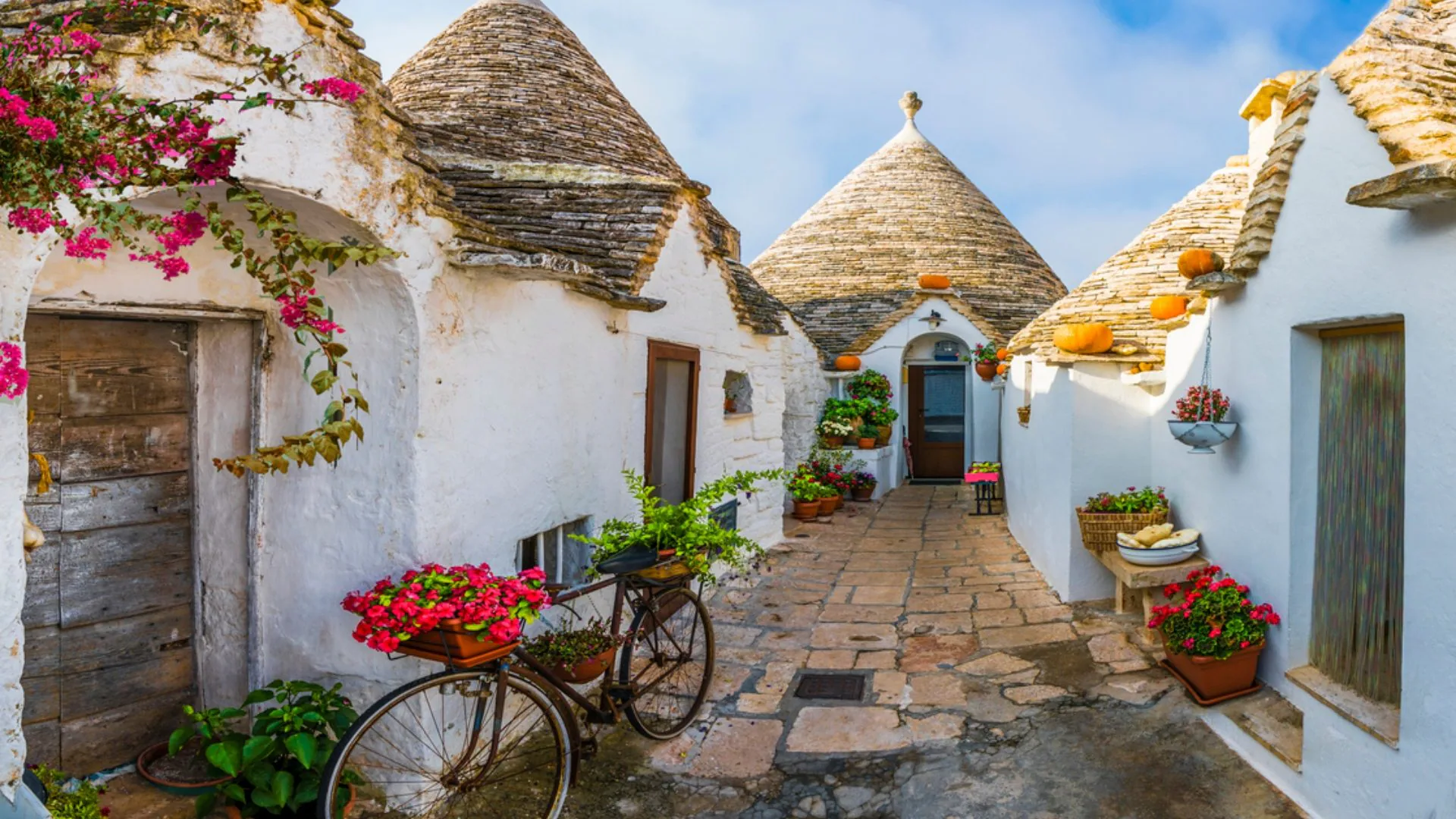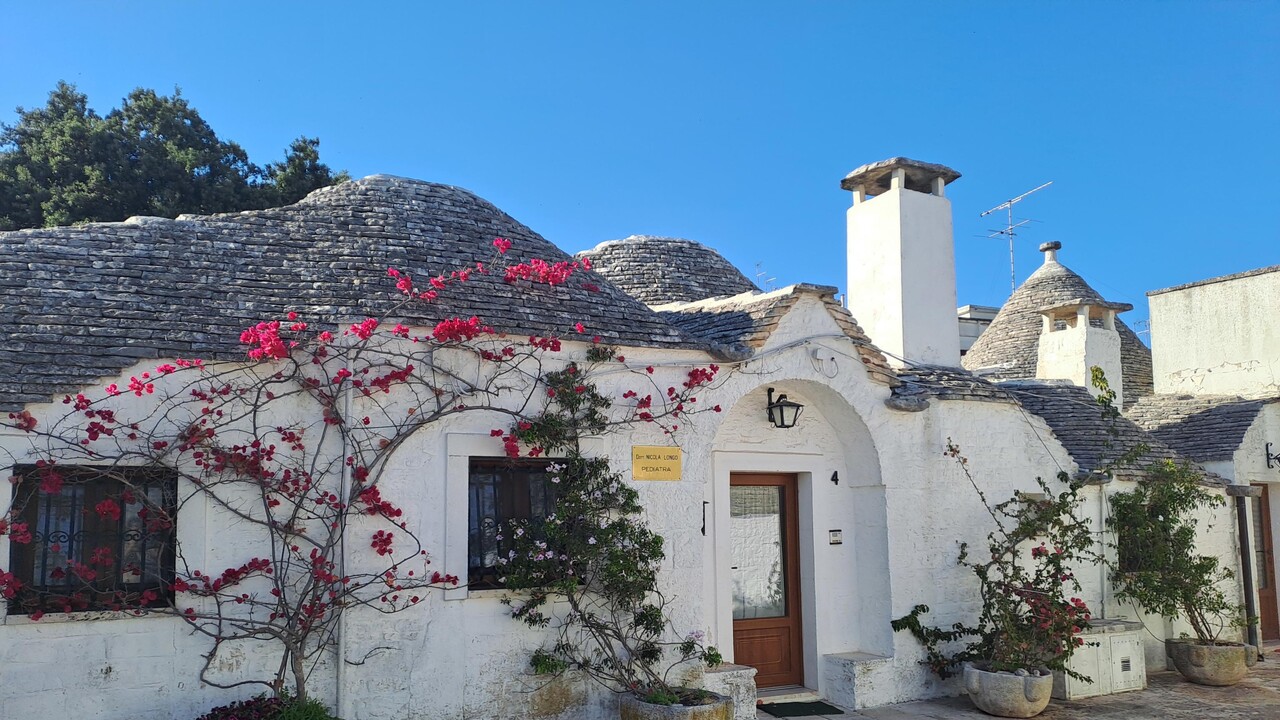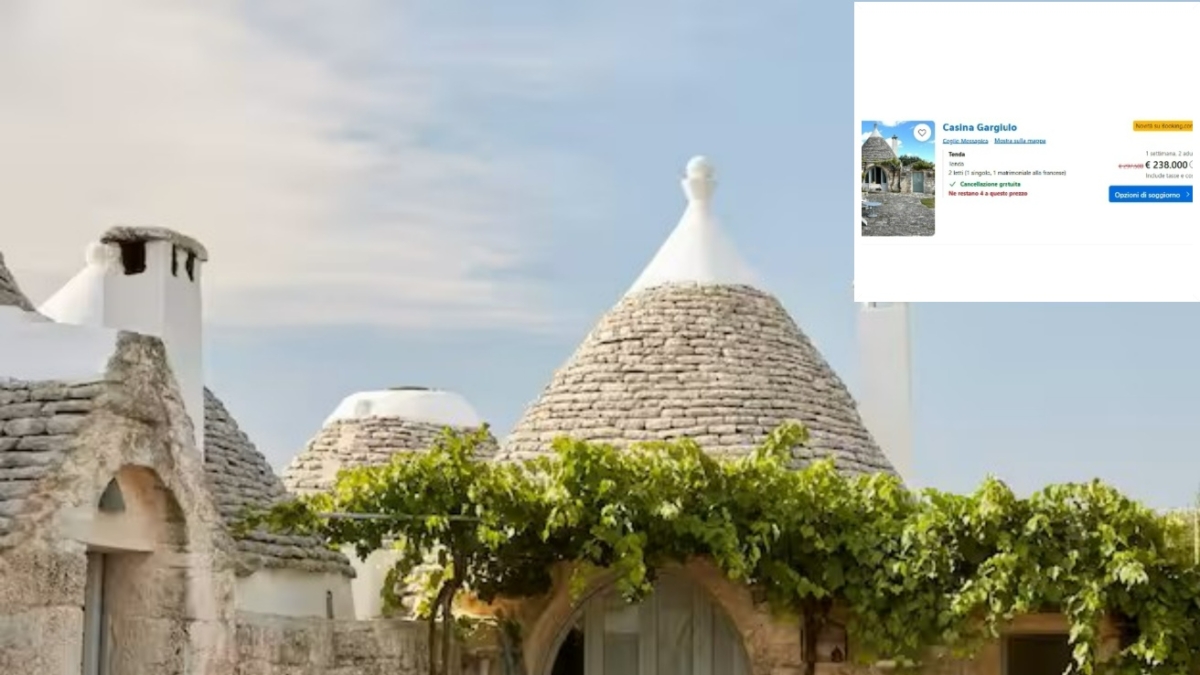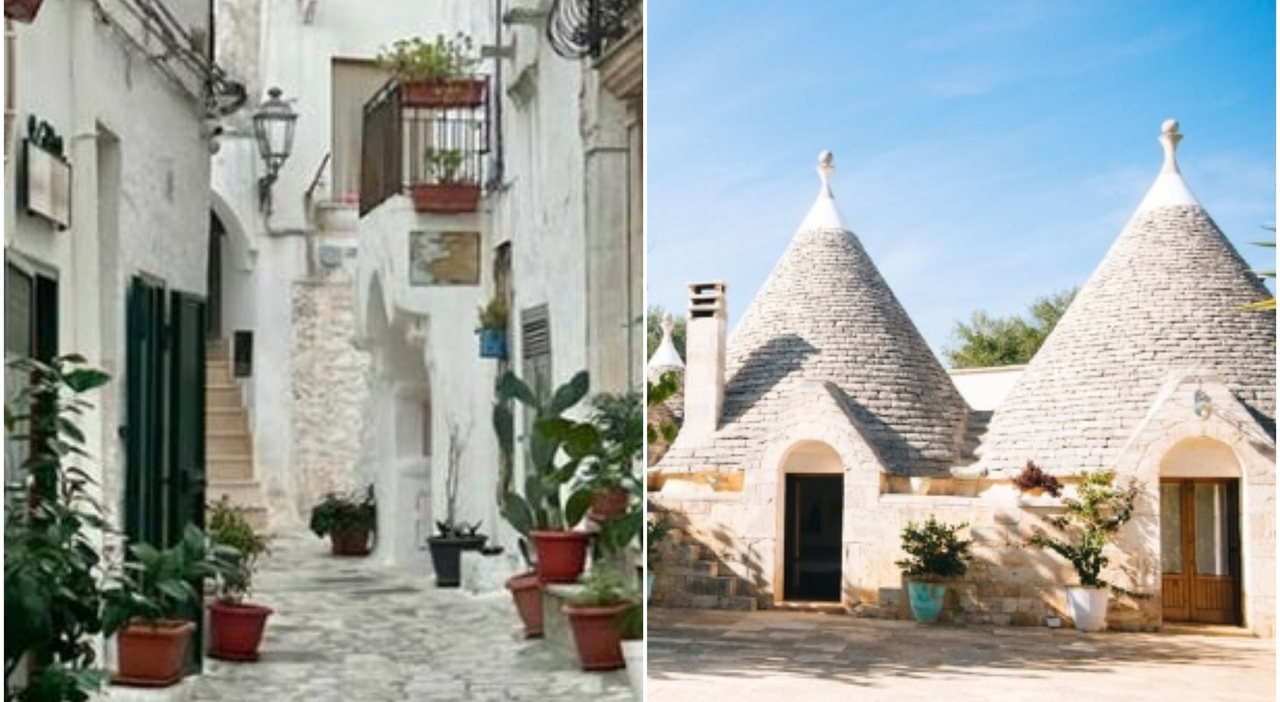
Once relics of a bygone way of life, the iconic dry-stone dwellings with conical roofs dotted across Puglia are in increasing demand as cool havens in Italy's sweltering south.
Beyond its emerald coastline and olive groves, Puglia is an arid region and the heat can be punishing -- but step inside the centuries-old grey and white "trulli", and the temperature dips sharply.
"There are between seven and 10 degrees (centigrade) difference between inside and outside a standard trullo. But sometimes there can even be 15-degree difference," said Francesco Fragnelli, a trulli restorer.
Traditionally featuring one room with alcoves for a bedroom and kitchen, the trulli were built from the mid-14th century using roughly worked limestone boulders collected from fields as farmers cleared the land for agriculture.
Fragnelli, 58, told AFP the trullo's hygrothermal performance is due largely to the thickness of the walls, which can measure between 1.5 metres and three metres (five to 10 feet) deep.