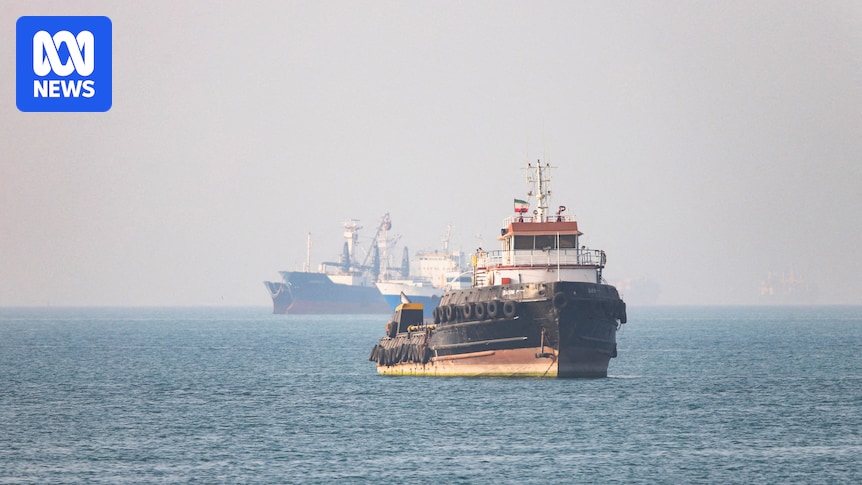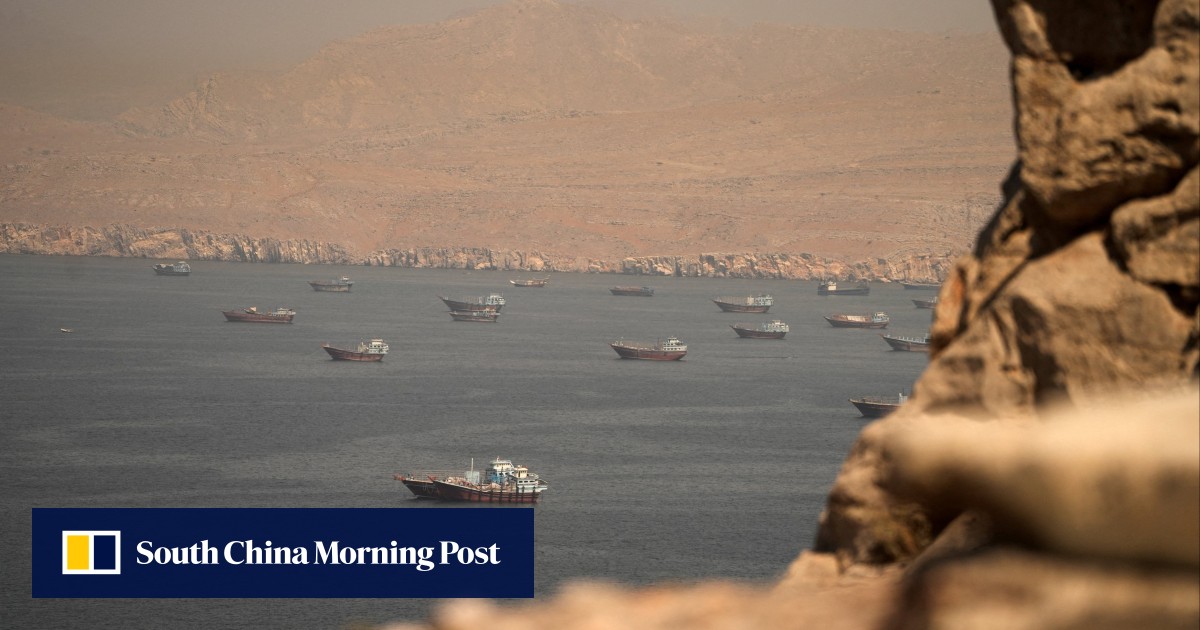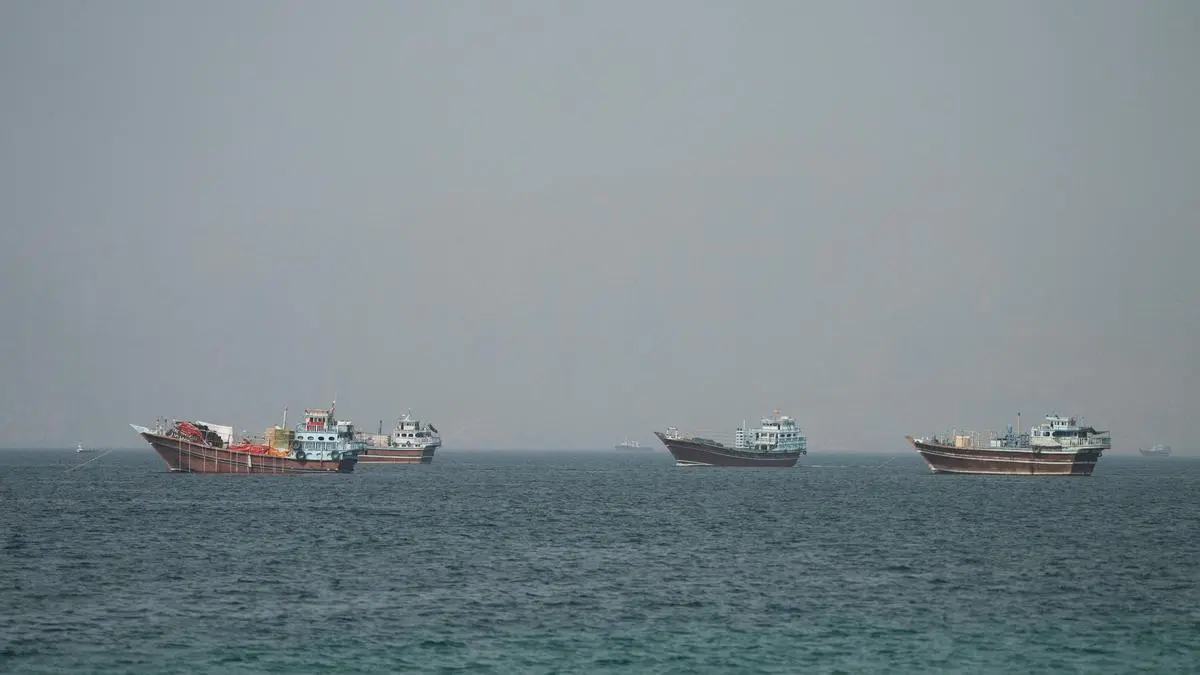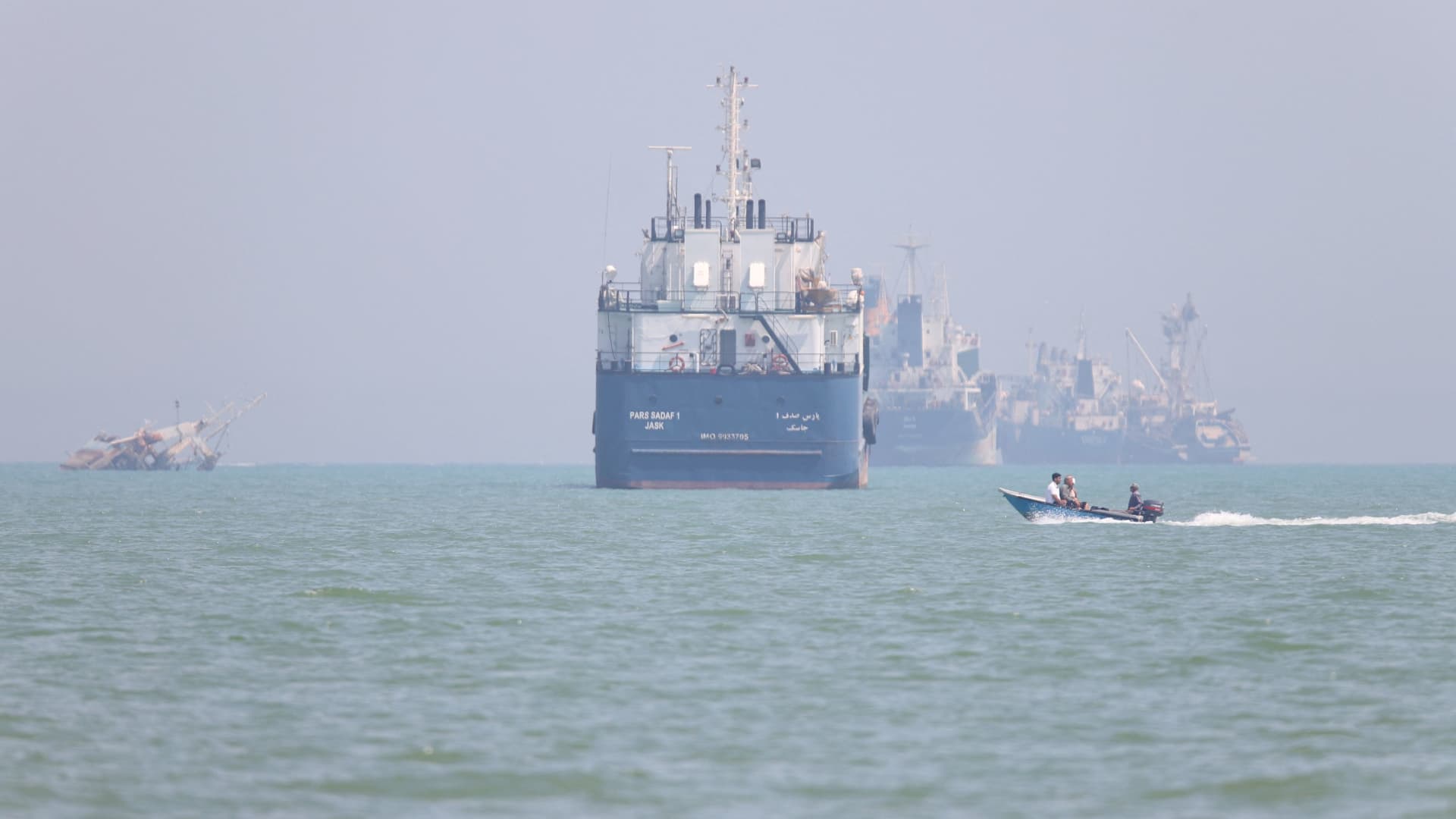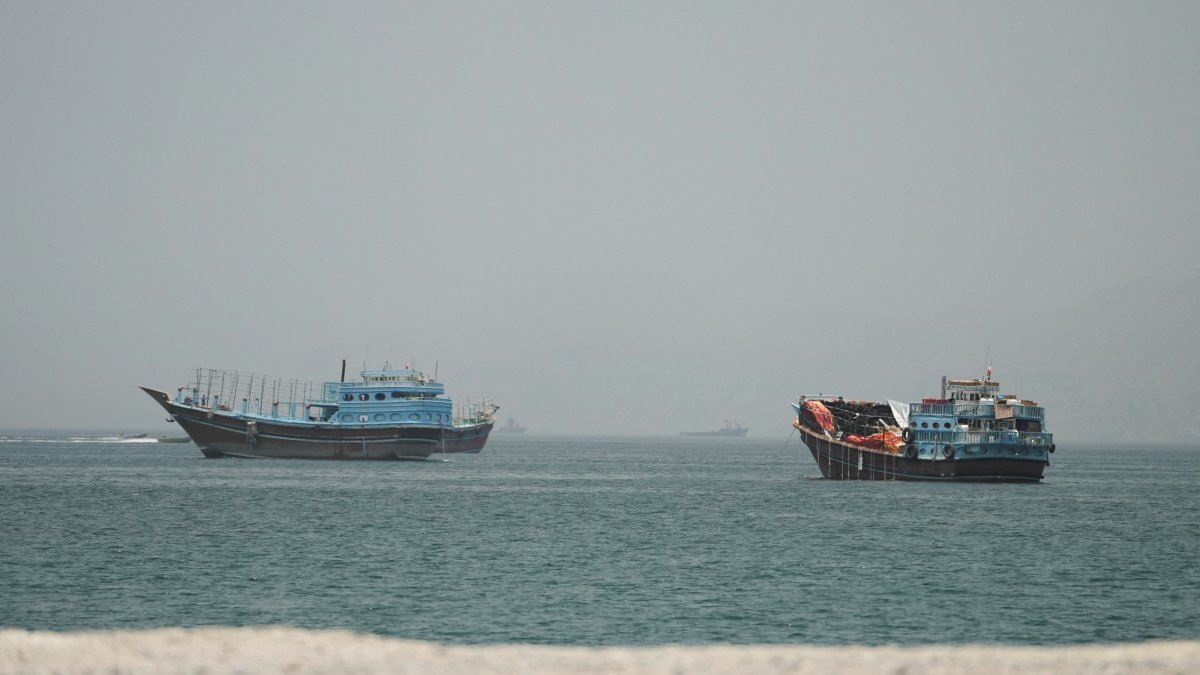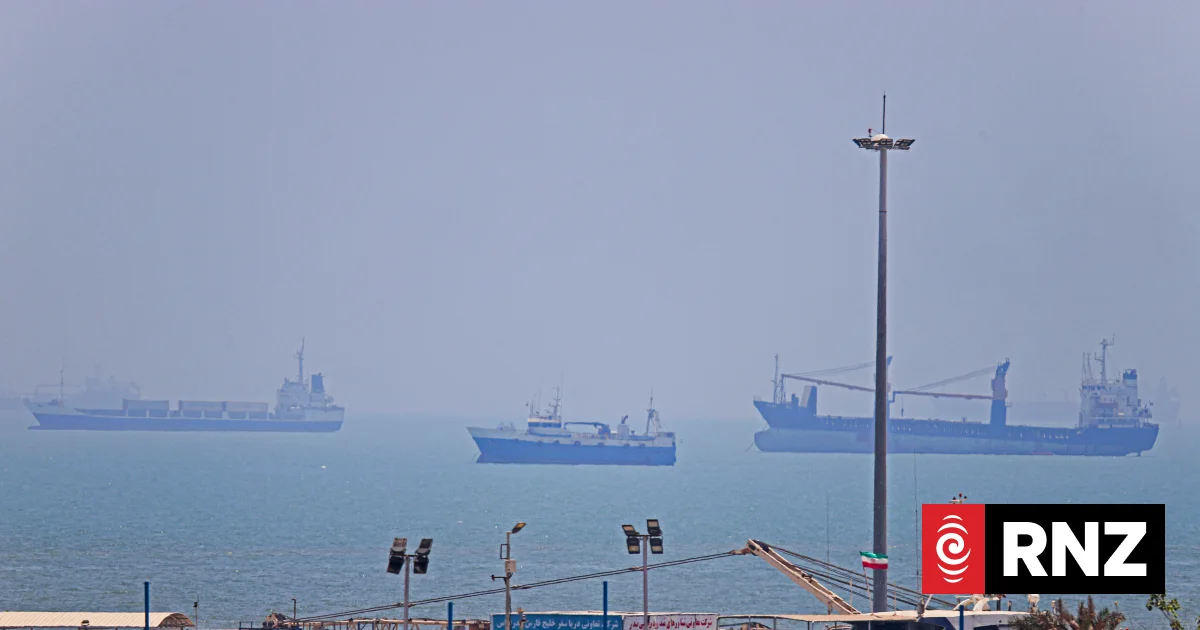
By Jonathan Saul, Gram Slattery and Tala Ramadan, Reuters Move reignites fears over preliminary pact to end Iran war Cargo ship reports attack close to Oman, UKMTO says US officials blame Iran for attack Rubio this week in Gulf to shore up support for interim deal US had said Hormuz oil flows near pre-war levels The UN International Maritime Organisation has paused its operation to escort ships through the Strait of Hormuz after a vessel reported an attack, reigniting fears over a preliminary deal to end the Iran war.The cargo ship said it was hit close to Oman by a projectile, British navy agency UKMTO said on Thursday (all times local), hours after Tehran warned vessels against taking routes that it had not approved.Two US officials told Reuters that Iran had fired on the ship, while Iran's Persian Gulf Strait Authority, which Tehran established to manage requests for ships to travel through the strait, said vessels outside routes it has set will not be guaranteed safe passage.Four sources identified the ship as the Singapore-flagged Ever Lovely. A security source said it was likely targeted by a drone. There was no immediate comment from the US government.US President Donald Trump warned earlier this month that if Iran did not honour an agreement aimed at ending the war and reopening the strait that the US would probably go back to bombing the country again.In this picture obtained from Iran's ISNA news agency on 4 May, 2026, the Iran-flagged tugboat Basim sails near a ship anchored in the Strait of Hormuz off Bandar Abbas in southern Iran.Amirhossein Khorgooei / ISNA / AFPShips, seafarers stranded for monthsThe IMO was helping to get hundreds of stranded ships and thousands of seafarers out of the strait where they had been stranded for months since the start of the war in late February.It decided "to temporarily pause its implementation in order to reconfirm that the necessary safety guarantees continue to be in place for the ships on our evacuation list and all those in the region," IMO Secretary General Arsenio Dominguez said in a statement.The IMO said the ship involved in the suspected attack was not part of its evacuation programme.The initiative, which was launched on Tuesday, was a voluntary option for ships and their crew to sail out of the Gulf using two routes, one via Iranian waters and the other via Omani waters, with US. oversight, the IMO said this week.Benchmark oil prices rose 1.9 percent following the reported attack, which analysts said rekindled concerns about how long it could take for Gulf oil flows to resume normal levels. The Oman incident is likely to refocus attention on the extent of Iran's future control over the Strait of Hormuz which, before the conflict, handled a fifth of the world's daily oil and liquefied natural gas supplies.The Amir of Kuwait Sheikh Meshal al-Ahmad al-Jaber al-Sabah (right) receiving the United States Secretary of State Marco Rubio at Bayan Palace in Kuwait City on 24 June.Handout / KUNA / AFPBefore the incident, US Secretary of State Marco Rubio - wrapping up a tourof the Gulf to reassure states about the interim pact - told reporters that if Iran threatens or blocks ships in the strait, "then we're going to have a problem".Iran, though, has signalled it would continue to assert control over the strait.Iran's Revolutionary Guards said on Thursday that safe passage through the strait would only be possible through routes designated by Iran, adding that it would take action against vessels that failed to comply. The Revolutionary Guards also ordered two Panama-flagged ships to change course on Thursday, British maritime security company Ambrey said.Earlier, US Energy Secretary Chris Wright said shipments through the strait were approaching levels seen before the US and Israel launched strikes on Iran on 28 February, with at least 20 million barrels of oil exiting the waterway in the previous 24 hours.During the conflict, Iran took effective control of the vital chokepoint, disrupting oil flows and rattling global energy markets and the wider economy.The war is weighing heavily on Trump ahead of November midterm elections that will determine control of Congress. Just one in four Americans believes the war was worth the cost, a Reuters/Ipsos poll showed.Conflicting accounts have emerged over elements of the framework ceasefire deal, which has prompted criticism of Trump at home and abroad.Disagreements persist over financial incentives for Iran, nuclear inspections, control of the Strait of Hormuz and Israel's parallel war in Lebanon. Iran's top negotiator, Mohammad Baqer Qalibaf, said on Thursday that the US assertion that Iran would spend its unfrozen assets to buy US agricultural products was false.The deal sets up 60 days of talks to tackle thornier issues, including Iran's nuclear programme.-Reuters
UN pauses Hormuz evacuation plan after ship reports attack
The UN International Maritime Organisation has paused its operation to escort ships through the Strait of Hormuz after a vessel reported an attack, reigniting fears over a preliminary deal to end the Iran war.
786 words~4 min read