Stakeholders on Thursday urged the Federal Government to deepen engagement with traditional and religious institutions as critical partners in promoting national unity, peacebuilding and social cohesion, arguing that the two institutions remain among the most trusted platforms for mobilising citizens across Nigeria’s diverse communities.
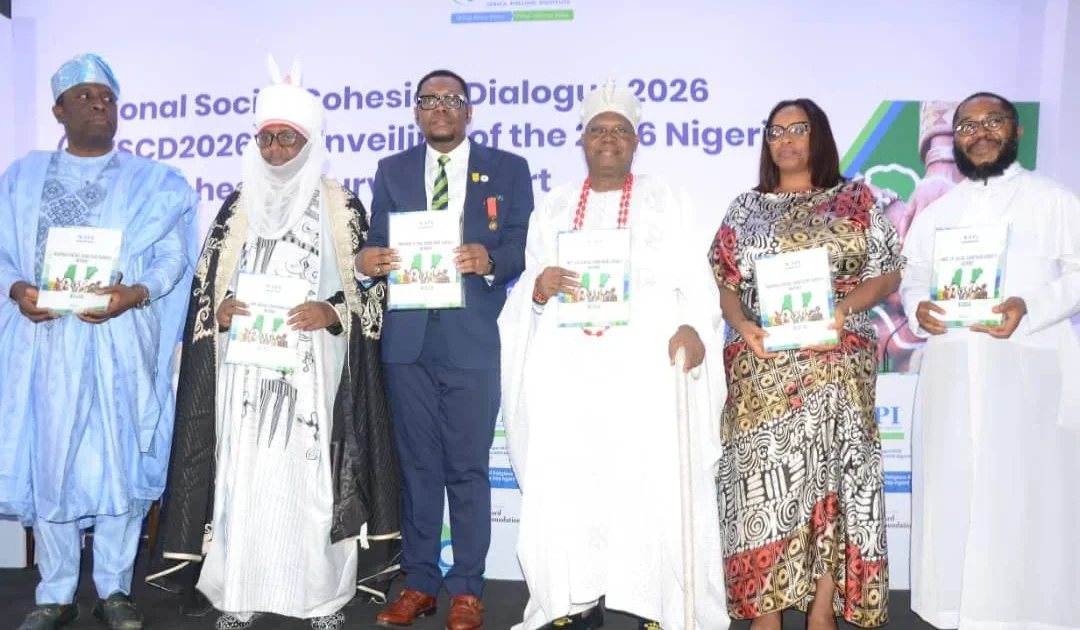
The call was made at the 2026 National Social Cohesion Dialogue organised by the Africa Polling Institute in Abuja, where policymakers, traditional rulers, religious leaders, development partners and civil society actors gathered to examine the state of social cohesion in the country and chart pathways towards greater national integration.
The event, themed “Strengthening the Role of Religious and Traditional Institutions as Key Agents of Social Cohesion,” coincided with the presentation of findings from the 2026 Nigeria Social Cohesion Survey, a flagship study supported by the Ford Foundation.
The dialogue comes against the backdrop of persistent security challenges, economic hardship, ethno-religious tensions and growing concerns over public trust in governance institutions. In recent years, traditional rulers and faith leaders have increasingly played mediation roles in communal conflicts, peace initiatives and humanitarian interventions across different parts of the country.