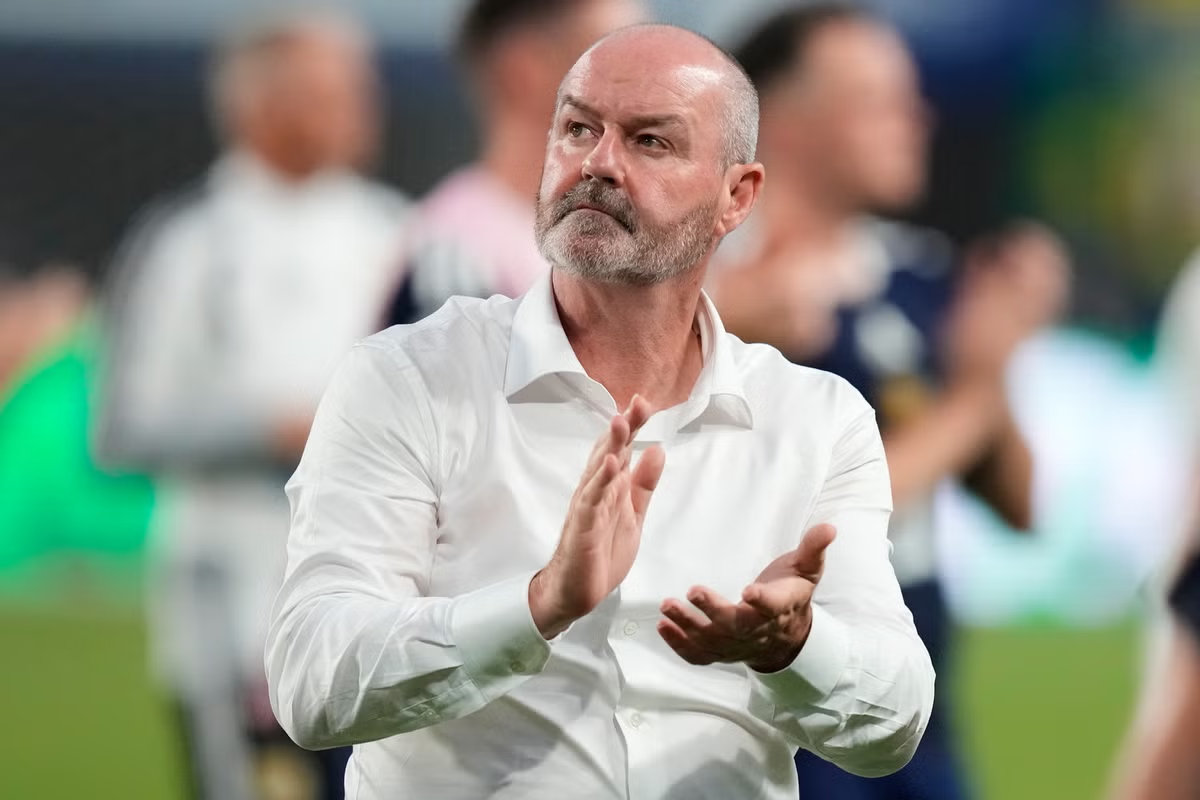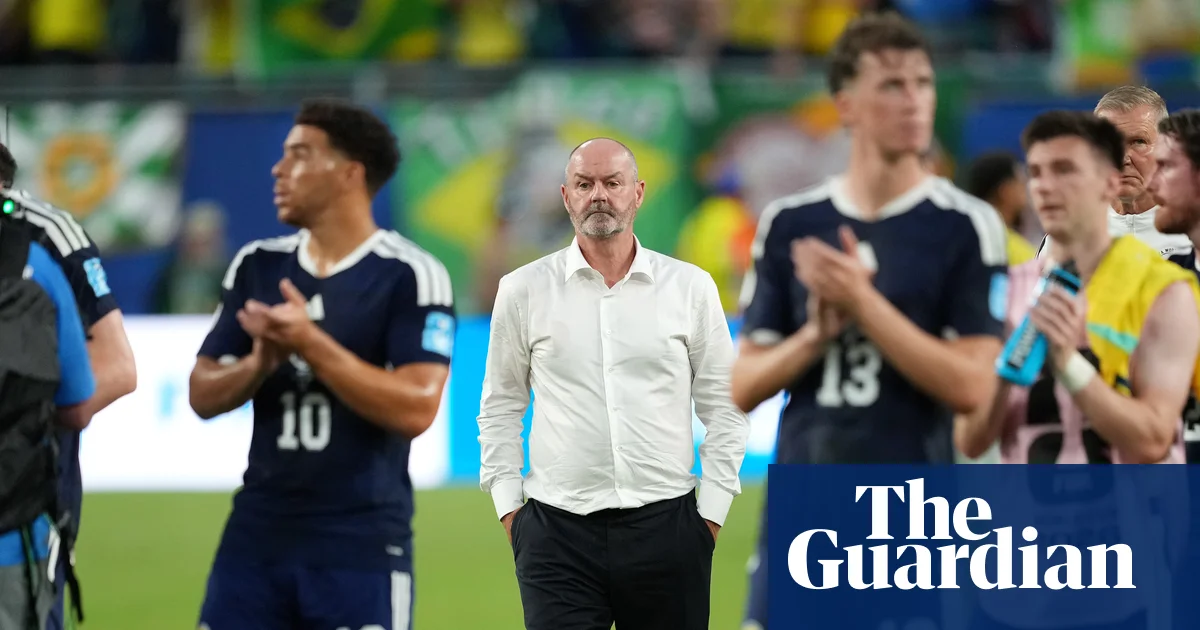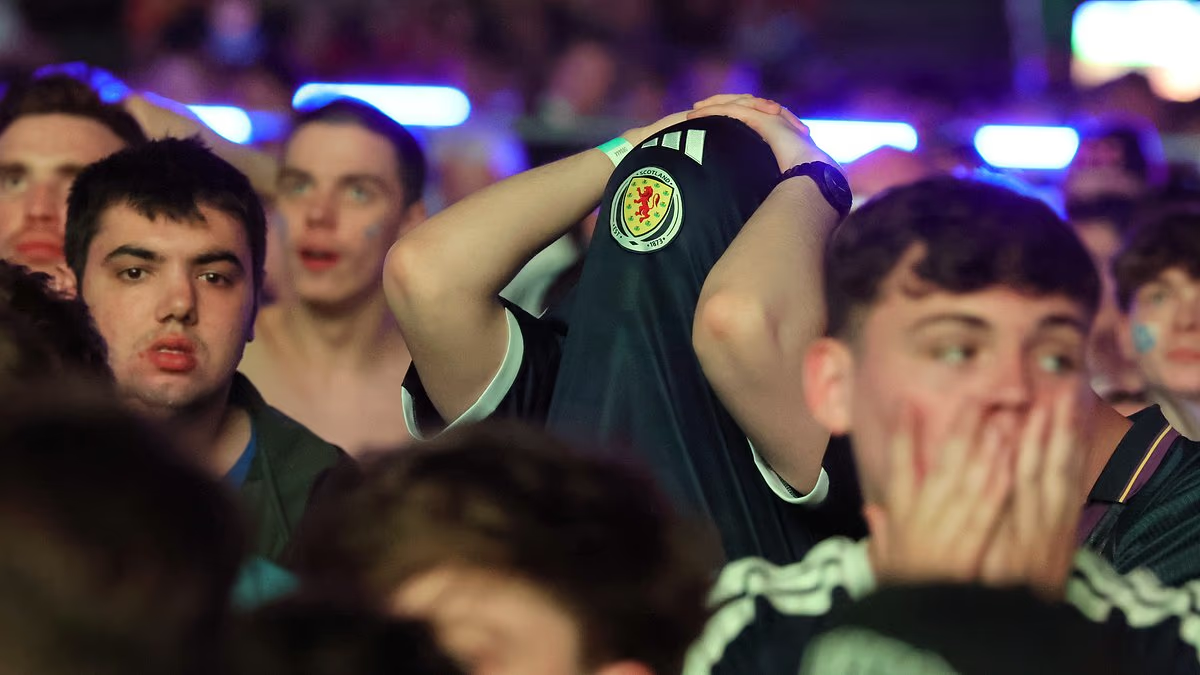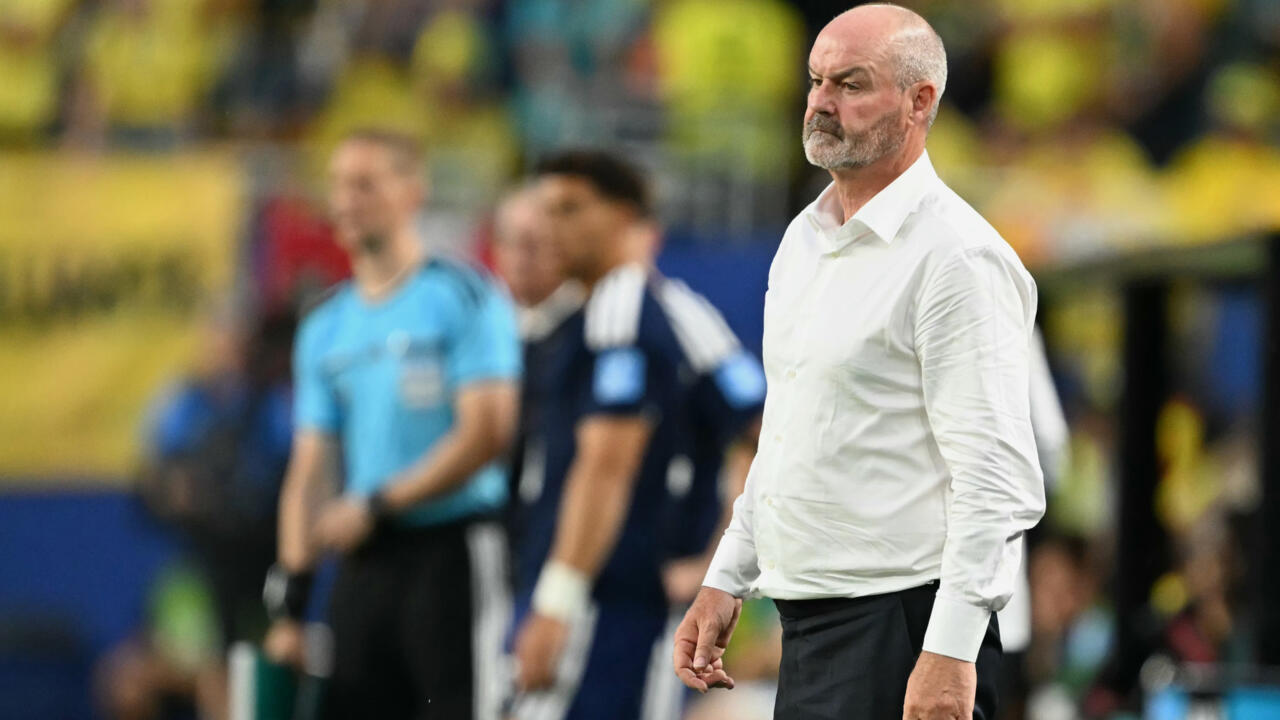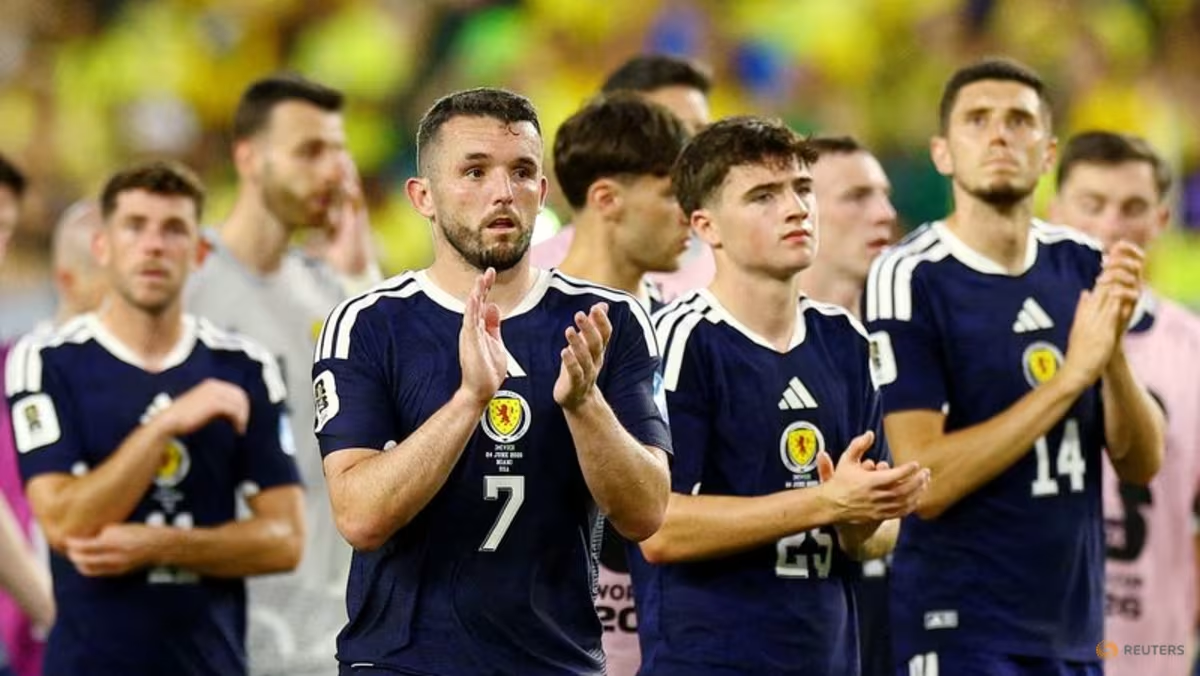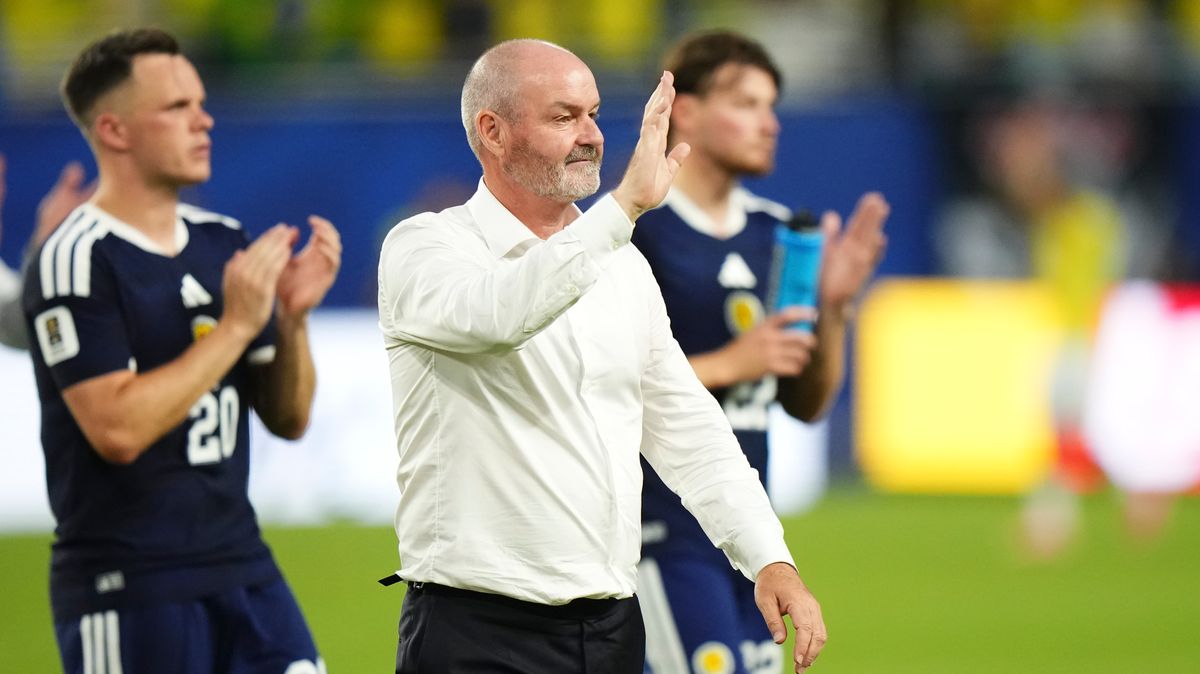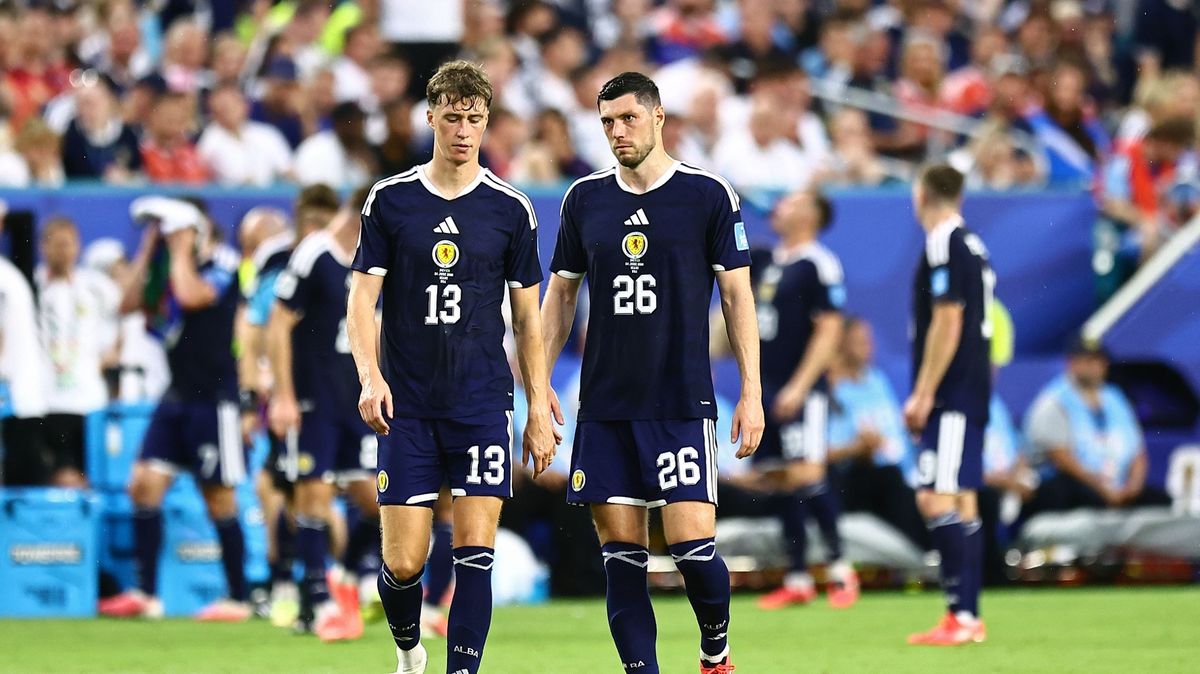
First things first, the World Cup would miss the Tartan Army if they have to come home, but the loss of the Scotland team and Steve Clarke would not be greatly lamented.Handing Clarke that new four-year contract ahead of this tournament was not the Scottish Football Association’s finest hour, to put it mildly.If you wish, you can use the pain of defeat to excuse Clarke for his rude demeanour and remarks in his post-match interviews, but there is no excusing him for the pretty dismal football his team has produced. It was the same at Euro 2024, don’t forget.But Scotland might still make the round of 32 as one of the eighth-best third-placed finishers. It will be mildly farcical if they do, of course. They scored a single goal in their Group C campaign, and that was against Haiti. But they would take it.After their 3-0 defeat to Brazil and subsequent results on Wednesday, the earliest Scotland would know their fate was Friday and the latest Saturday (local time). Going through the permutations in the immediate aftermath of the loss to Brazil would have scrambled a sober mind, never mind one fuddled by a few beers.But the bottom line is that this third phase of games at World Cup 2026 is as much about the maths as it is about the football. It is about teams hanging around to see if others can do them a favour. It will be about teams gauging what sort of result they will need to avoid playing a particular opponent in the round of 32.This, for example, will be the case when Algeria face Austria in Kansas City in the last game of the group stages. Both teams are on three points and will finish in either second or third place in Group J.By the time Algeria and Austria play, they will know if a convenient draw sends them both through to the knockout stages. As badly as they played, Scotland were at a disadvantage when they were in the early part of the match schedule.It takes five days to complete the final round of group-stage matches, and it goes without saying that teams playing later in the week have a significant advantage. They will almost certainly know exactly what result is required.And fans of the teams that are on the cusp of qualification/non-qualification and have played early will have to hang around - at considerable expense and inconvenience - to find out if they have another World Cup match to go to.There are also logistical issues for the teams that do not know their destiny until late in group proceedings. The knockout phase begins 15 hours after that final group match between Algeria and Austria finishes.Any chances for collusion would be all but eliminated if all fixtures in the third round of fixtures kicked off simultaneously. But that is impossible to do with so many teams. So, perhaps the solution is to have a 64-team tournament - 16 groups of four, top two in each group to through.The next World Cup in 2030 - the centenary edition - is being staged in Spain, Portugal and Morocco, with Argentina, Paraguay and Uruguay hosting opening-round matches.There will be enough venues to accommodate 64 teams. Those of us against the expansion of the major tournaments surrendered a long time ago. So, what is another 16 teams between friends?Sir Andy Murray has turned down the chance to be a leading pundit for the BBC at Wimbledon, saying: “I just have always found tennis commentary and coverage to be quite down the middle.”Fair enough. But that is what Wimbledon, which starts on Monday, is. Quite down the middle. There have been innovations, sure, most notably the demise of the line judges and their splendid attire. But it remains quintessentially ‘down the middle’. You know what you are going to get.Which is why the news that the Championships will remain on the BBC until 2033 at the earliest is a huge, if expected, fillip for British sport. Wimbledon BELONGS on the BBC. And if the corporation has spent its money on a new Wimbledon deal rather than a World Cup studio, no-one should care that Gabby Logan is in Salford rather than Brooklyn.There are plenty of reasons why Wyndham Clark, the winner of last week’s US Open, does not appear to be too popular with golf fans. The main one is that he trashed a couple of locker doors in the Oakmont clubhouse at last year’s US Open.But the jeering and heckling of Clark at Shinnecock Hills, in New York, seemed a little excessive. In fact, it seemed as though it was mainly a case of half-cut fans finding something to do because they were not very interested in the golf. And quite frankly, the sport - especially, it seems, in the States - has a growing problem in that area.The Ryder Cup has to take some of the blame for that. It has been hyped up to such an extent that some golf fans believe that behaving like some football fans is ok. And that has filtered through to normal tour events. Hopefully, the galleries at Royal Birkdale next month will give everyone a reminder of how fans should behave at a golf tournament.When you are taking on the world champions in their own backyard, resting your captain does not seem the best idea. But England’s decision to leave Maro Itoje out of the Nations Championship match against South Africa in Johannesburg is absolutely the right one.Itoje will also miss the game against Fiji at Hill Dickinson Stadium in Liverpool the following weekend and the away game against Argentina the weekend after.In the 2023-24 and 2024-25 campaigns, Itoje, 31, exceeded World Rugby’s recommended limit of 30 matches a season and England have taken that into account.As they should. And if it signals a more positive approach to player welfare in rugby - and, indeed, other sports - it will have served a very worthy purpose.
Welcome to the World Cup waiting game - Fifa have created an unfair tournament
OPINION: Scotland's dire loss to Brazil may not have ended their World Cup hopes with FIFA's newly expanded tournament rewarding a host of the teams who finish third in their group
997 words~5 min read