view more
More images available via the link in the notes section
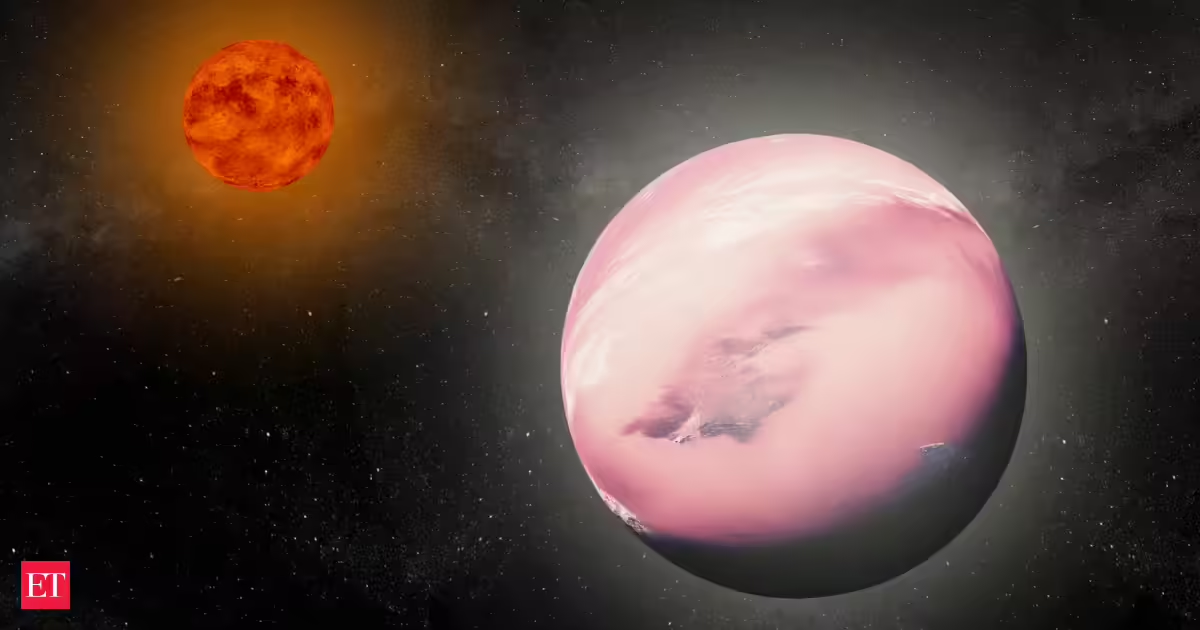
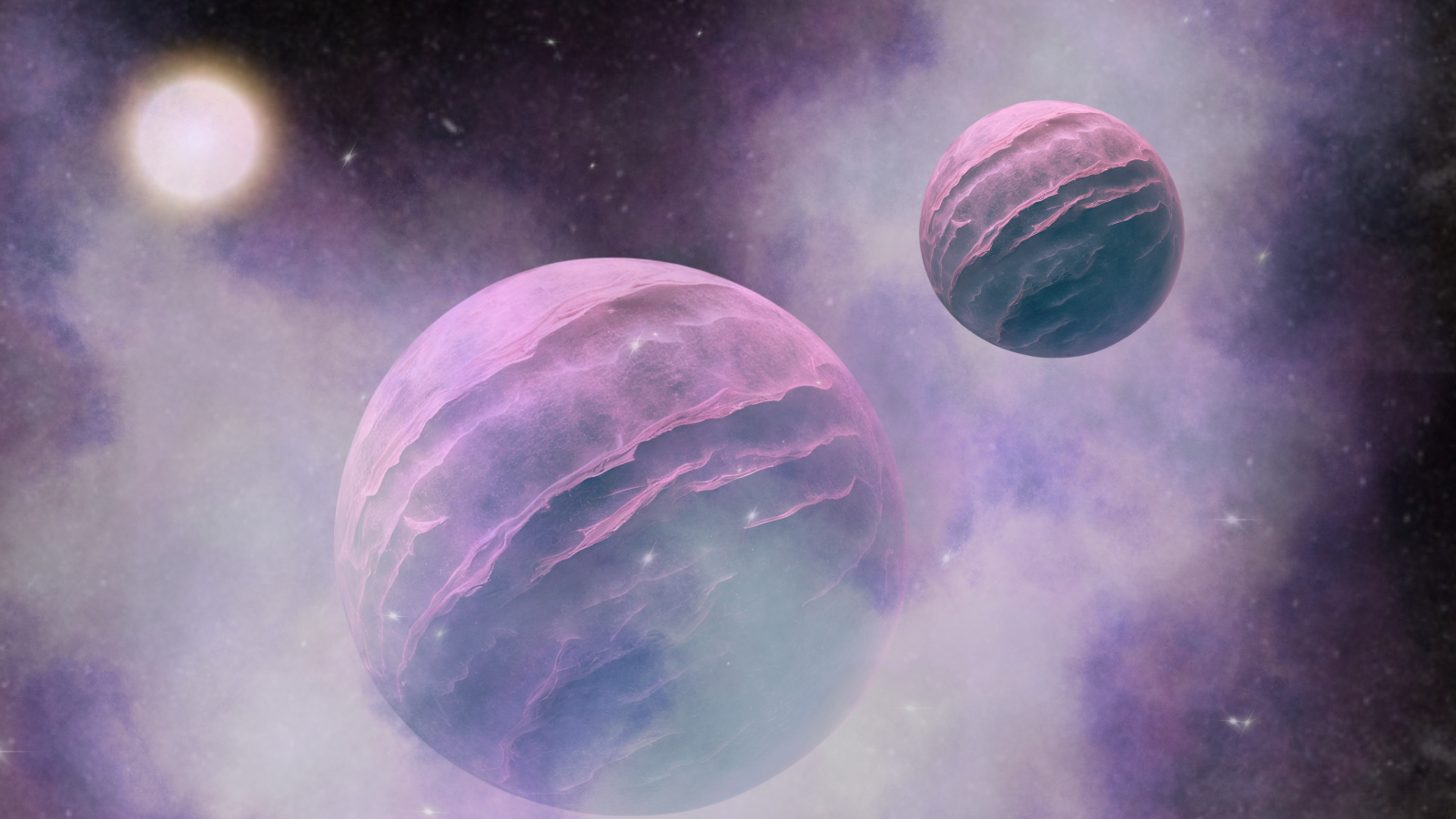
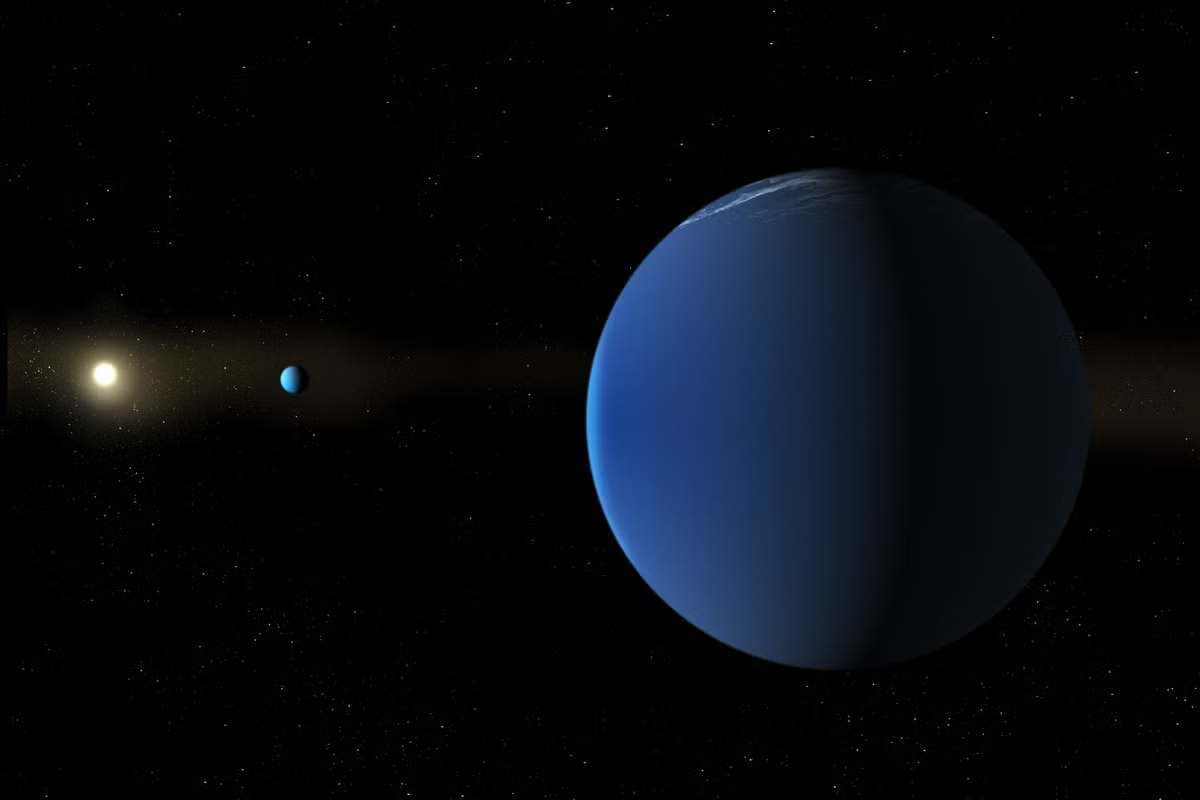
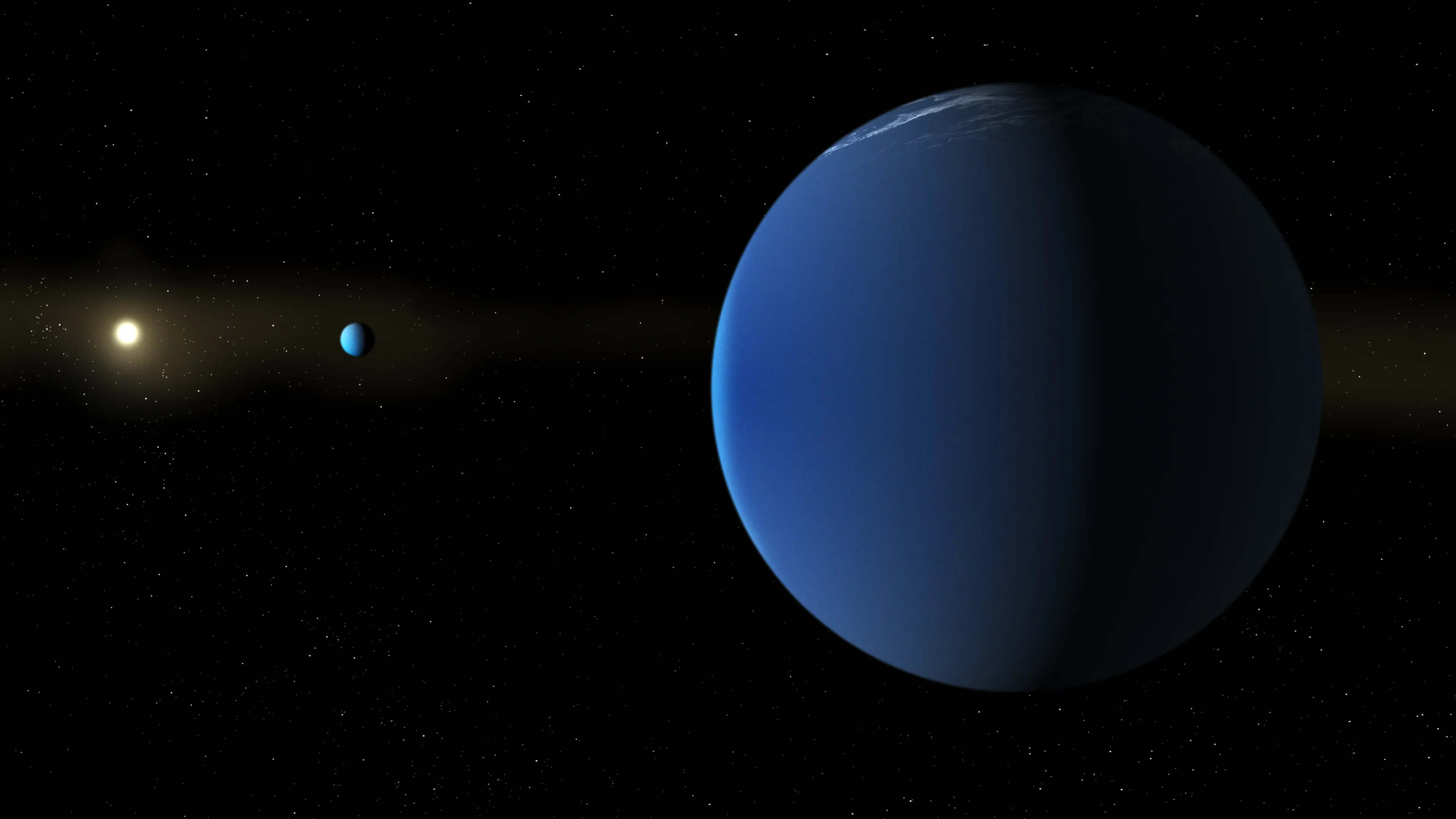
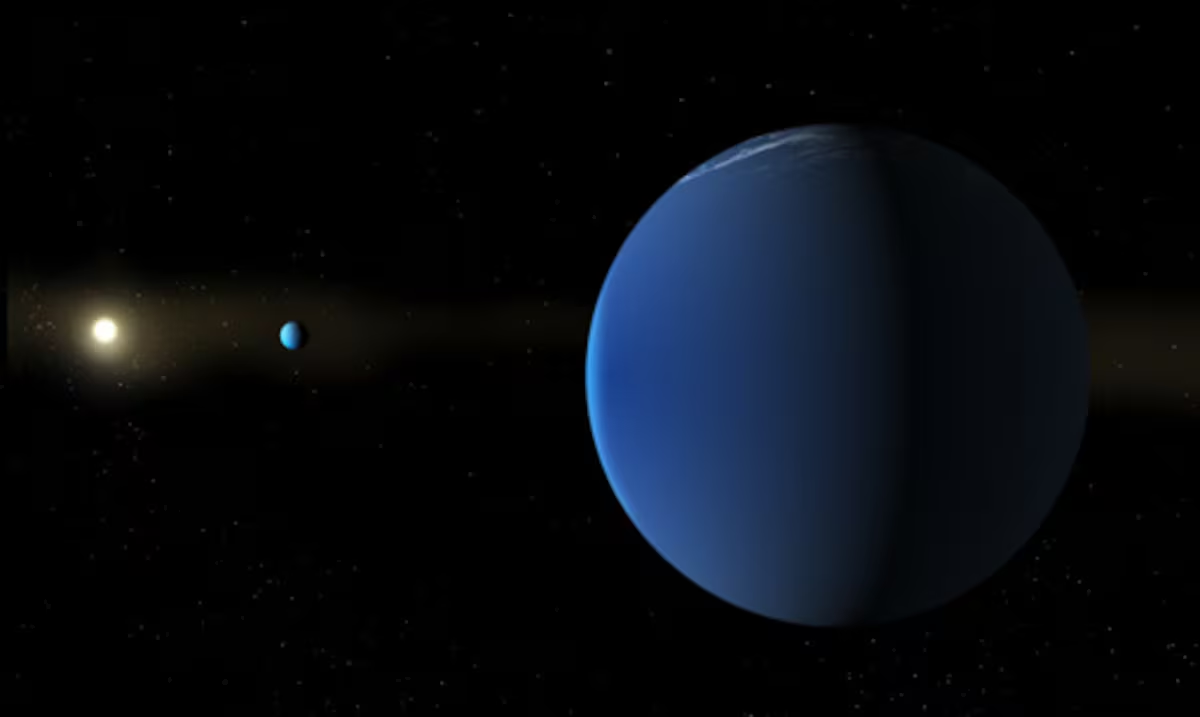
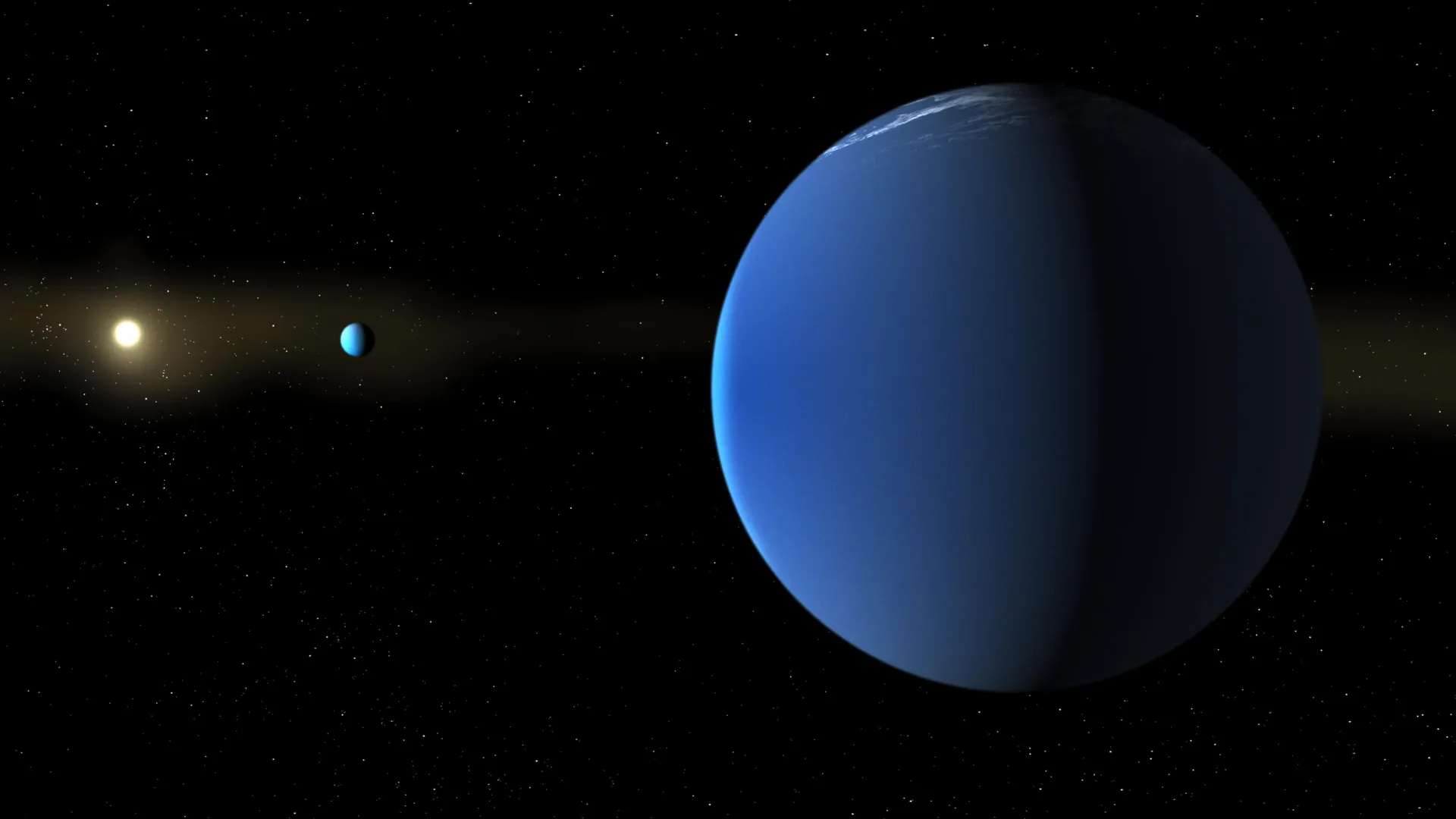
An international collaboration has discovered two of the lowest-density giant planets ever detected: rare ‘super-puff’ planets with densities lower than candy floss. The study -led by the University of Oxford, in collaboration with Université Côte d’Azur/Observatoire de la Côte d’Azur and the University of Birmingham - has been published today (25 June) in Monthly Notices of the Royal Astronomical Society.
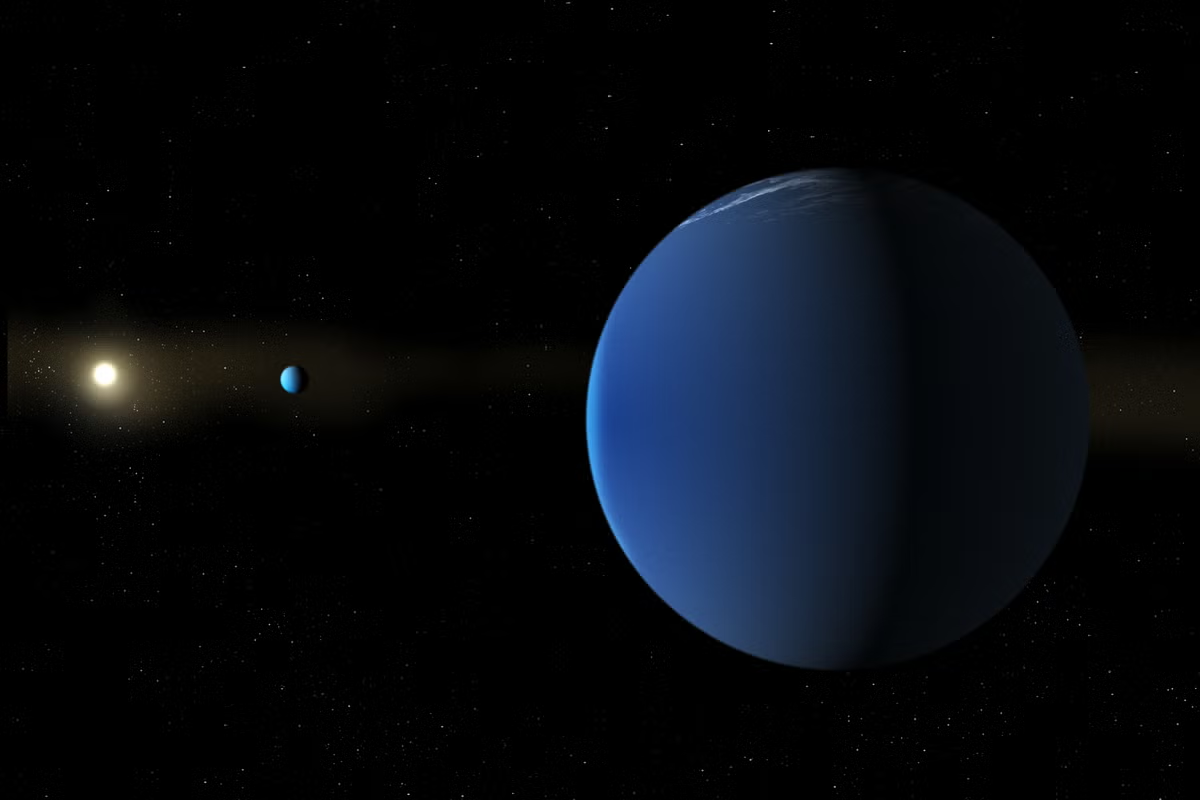
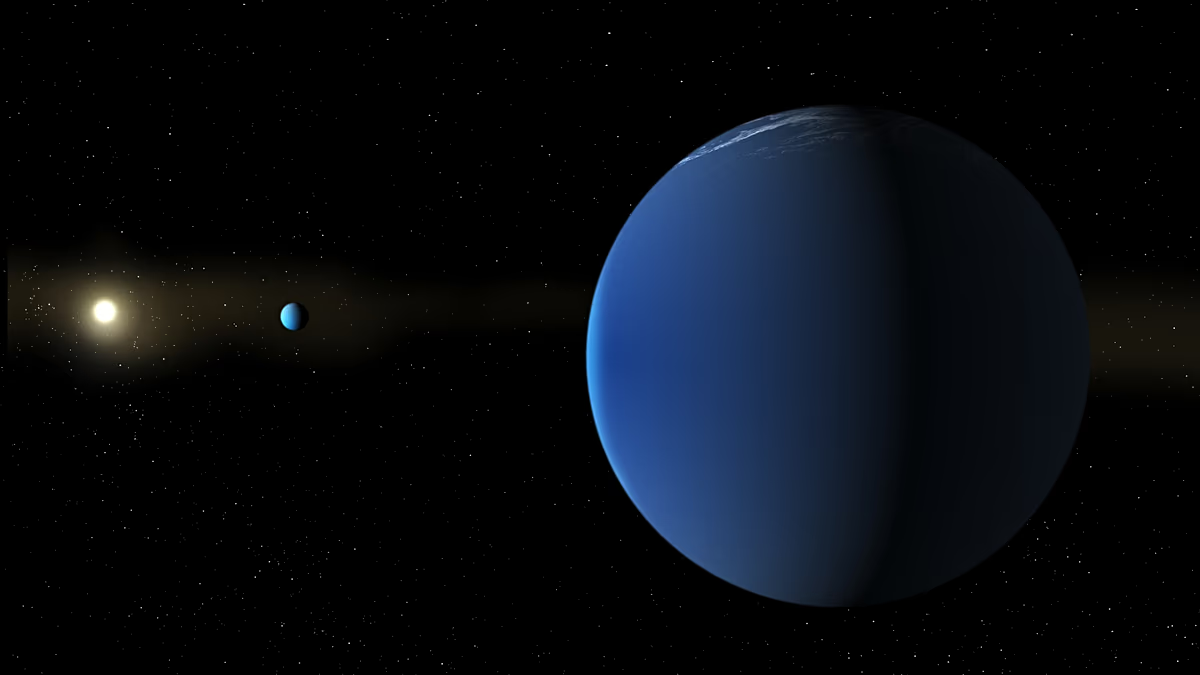
The two planets, named TOI-791 b and TOI-791 c, orbit an F7-type dwarf star located around 1,110 light years from Earth in the southern constellation Volans. Although both planets are roughly the size of Jupiter, they are extraordinarily diffuse: TOI-791 b has a density of just 0.038 grams per cubic centimetre, while TOI-791 c has a density of 0.047 grams per cubic centimetre. By comparison, Jupiter’s average density is 1.33 grams per cubic centimetre, around 28 to 35 times greater.
Their densities are even lower than candy floss, which typically has a density of about 0.05 grams per cubic centimetre. In contrast, Earth’s density is 5.5 grams per cubic centimetre.