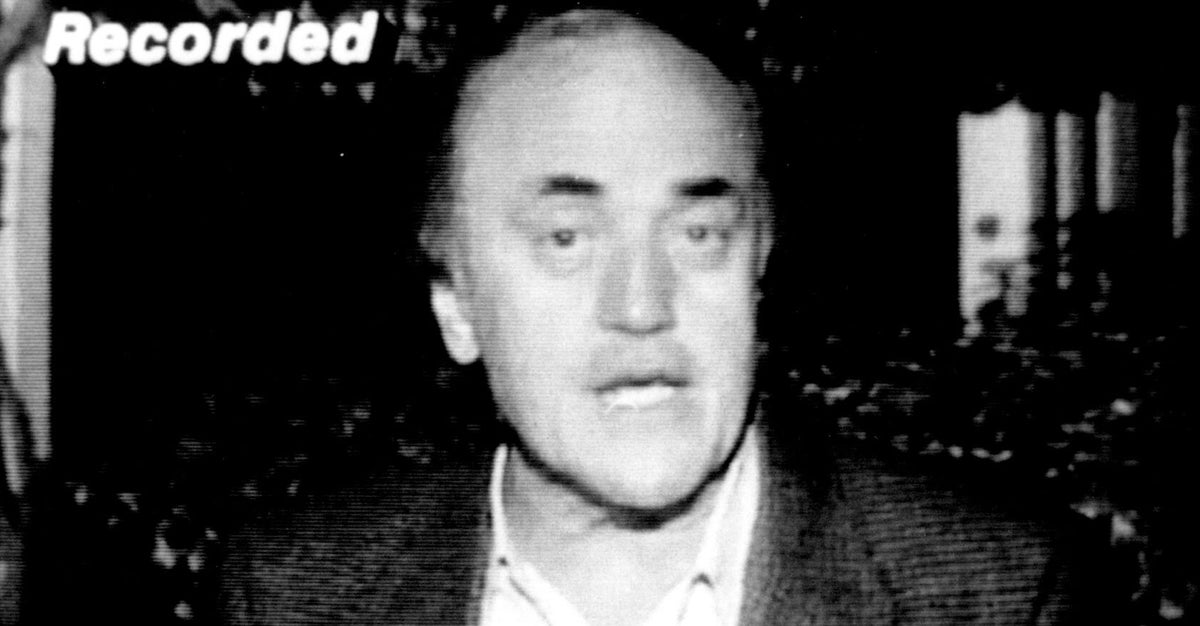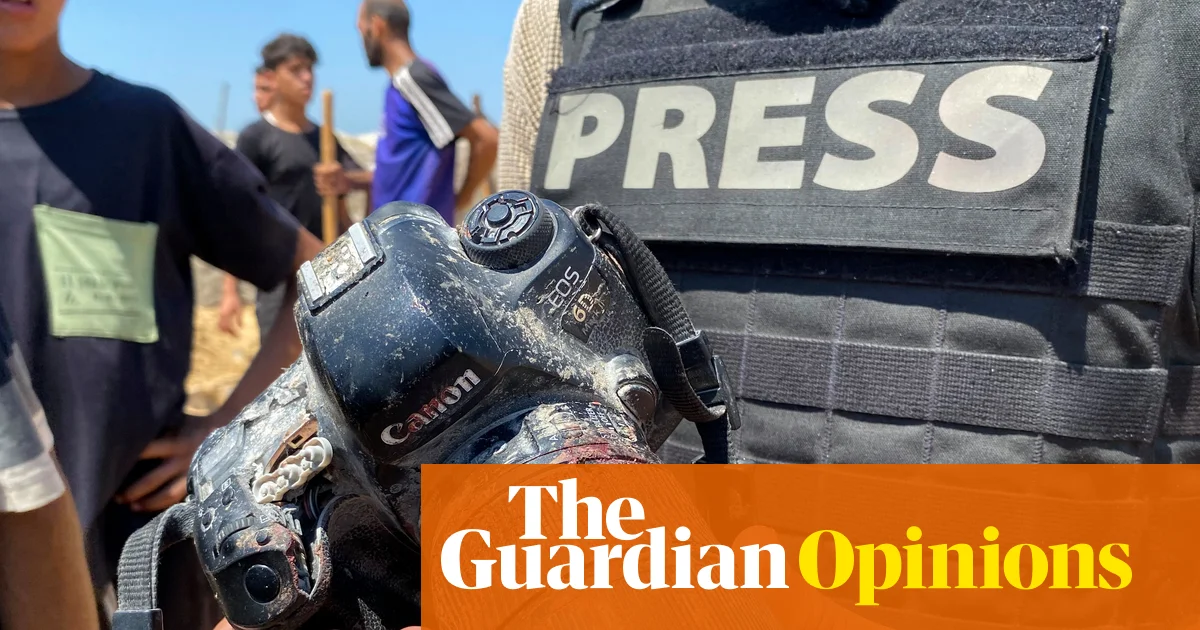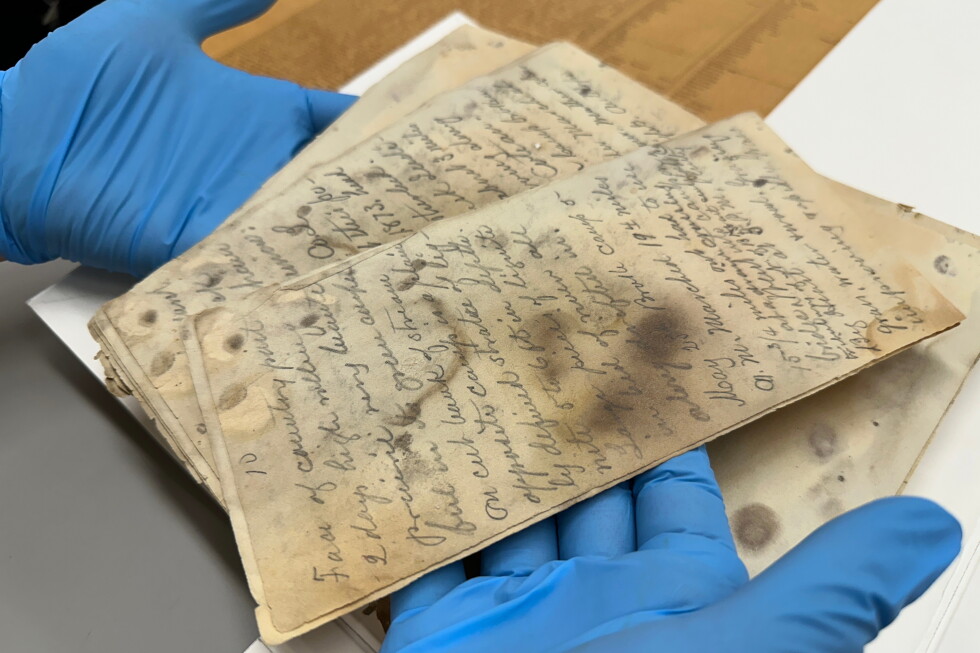
They’ve died from artillery fire, aircraft crashes, gunfire, disease — even by execution — in conflict zones and elsewhere around the world.Over the 180-year history of The Associated Press, 38 journalists have fallen on the job while working for the independent not-for-profit news organization.Thursday marks the 150th anniversary of the very first: Mark Kellogg, one of five civilians killed alongside Lt. Col. George Armstrong Custer and his men at the Battle of Little Bighorn.Kellogg, 43, was embedded with Custer’s troops. He was reporting for The Bismarck Tribune and New York Herald — the AP circulated his reports across the country — when Custer underestimated the size of a Sioux village that he attacked.Custer and his outnumbered men made a last stand on a hill. There, they were annihilated by Native American defenders. Kellogg’s scalped body was found not far away.
His last published dispatch read in part: “I go with Custer and will be at the death.”It was more of an attempt at poetry than prophecy. Still, Kellogg’s final words and fate circulated far and wide through his employers and the AP. It gave the obscure, part-time journalist, a widower who worked a variety of jobs to support his two daughters, fame in death.