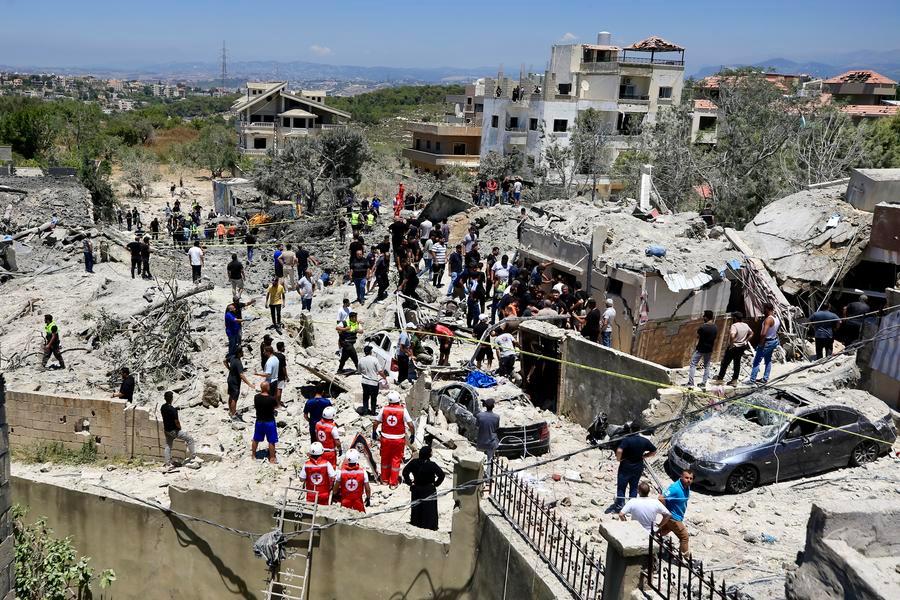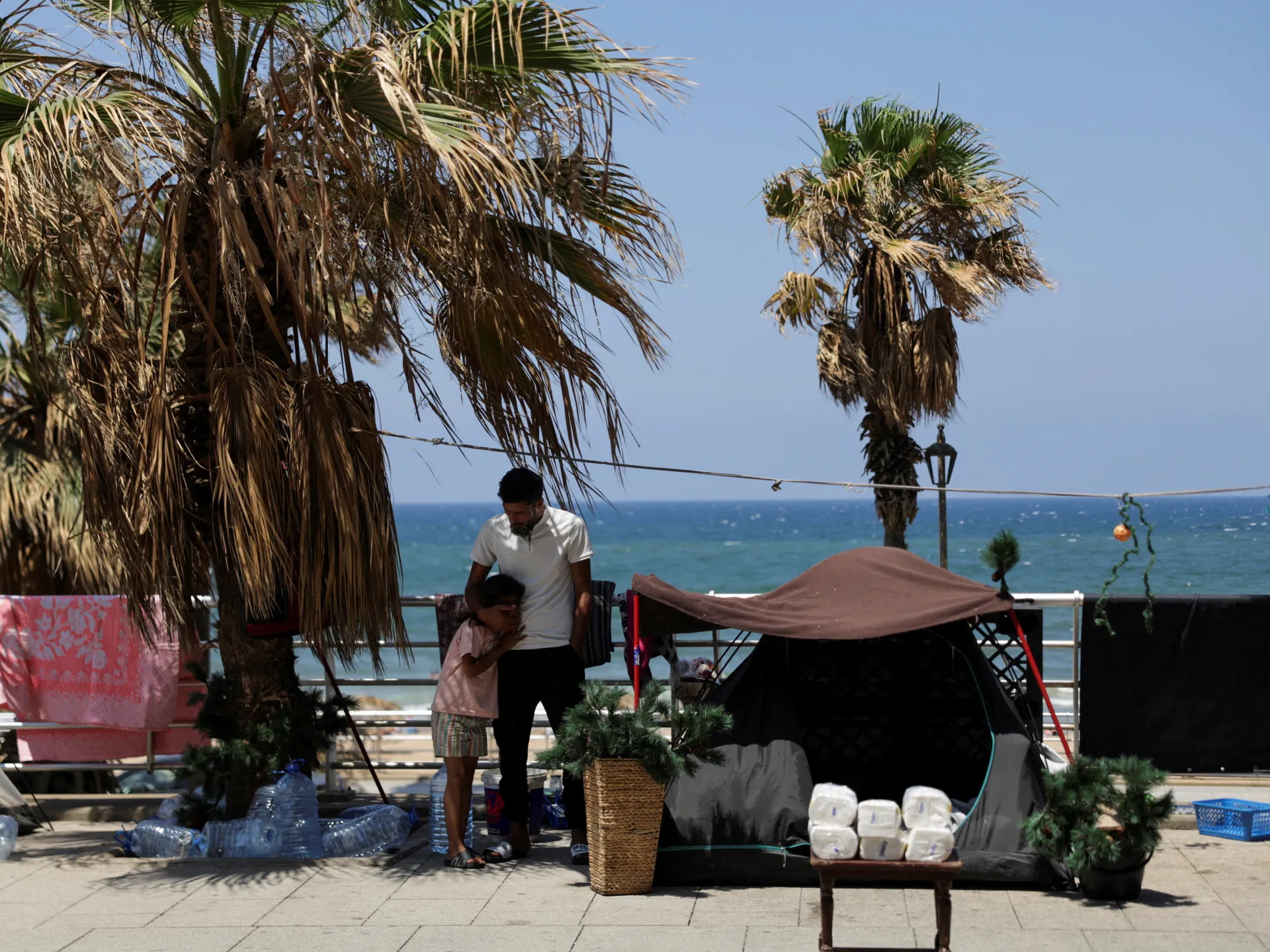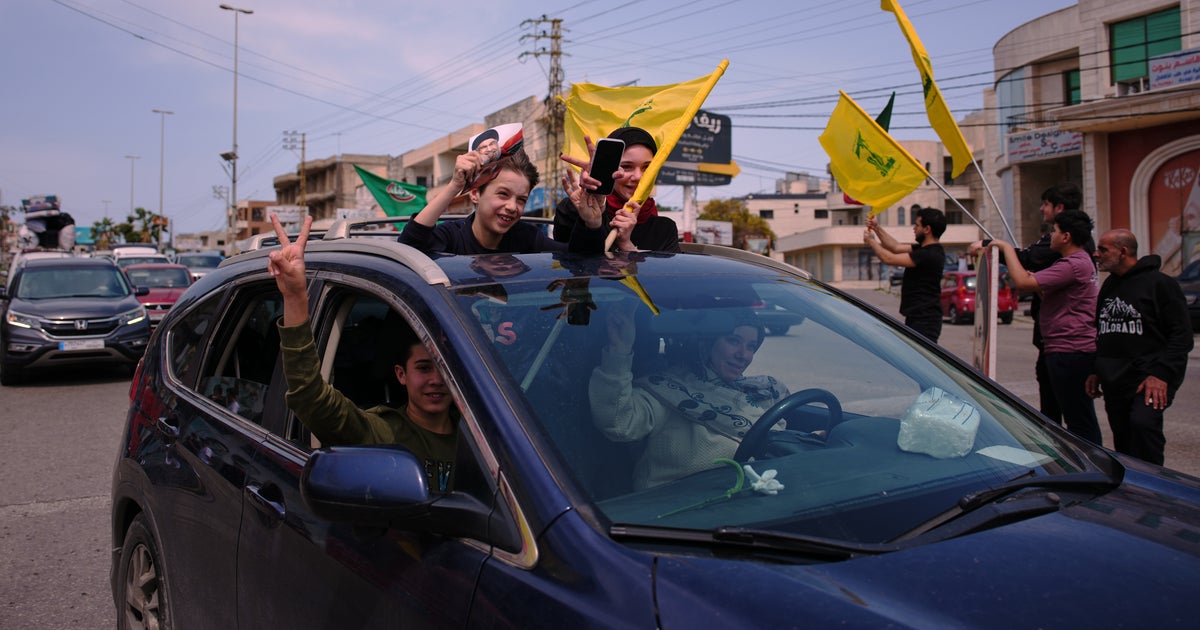
BEIRUT: A long-awaited ceasefire has brought relative calm to Lebanon, but it hasn’t brought peace of mind to Hussein Merhi.
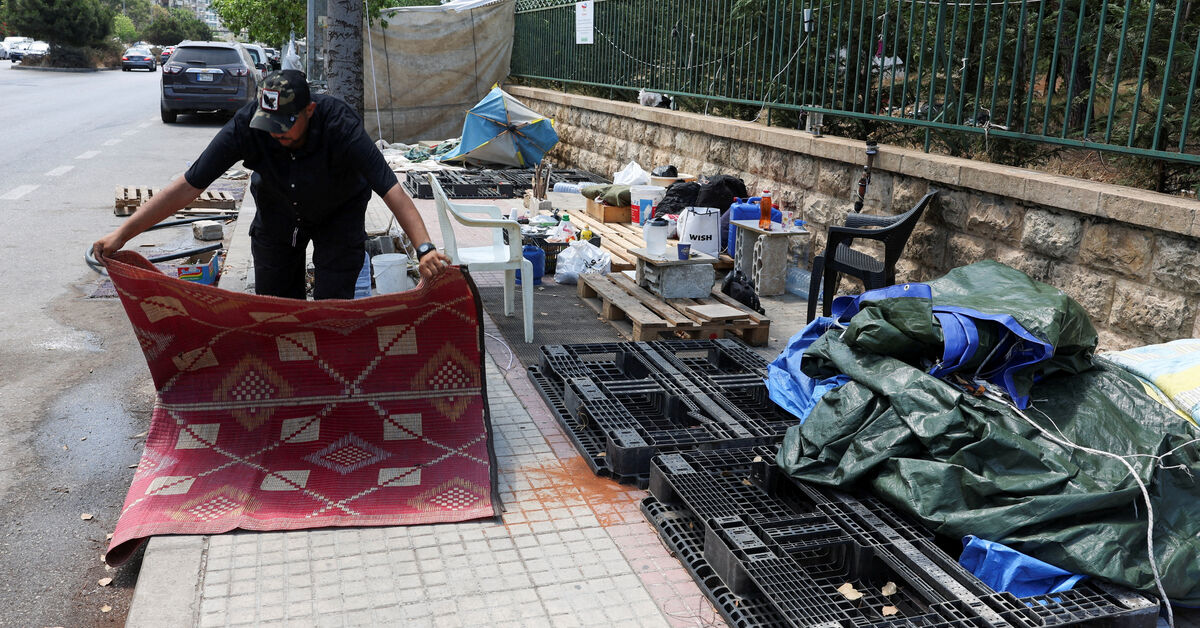
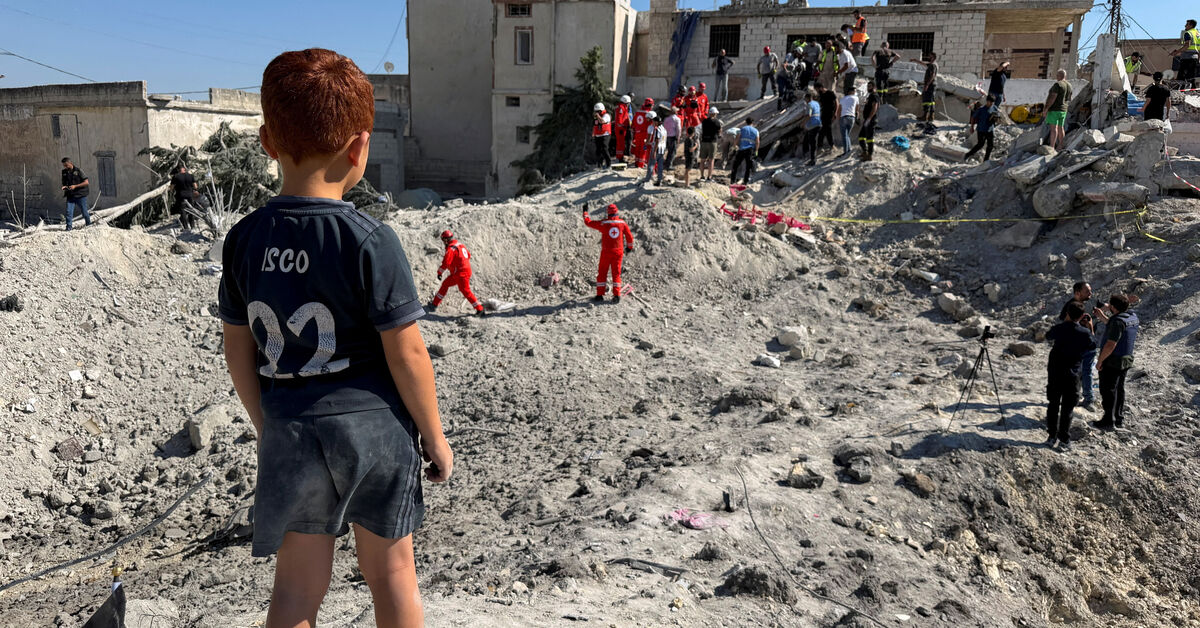
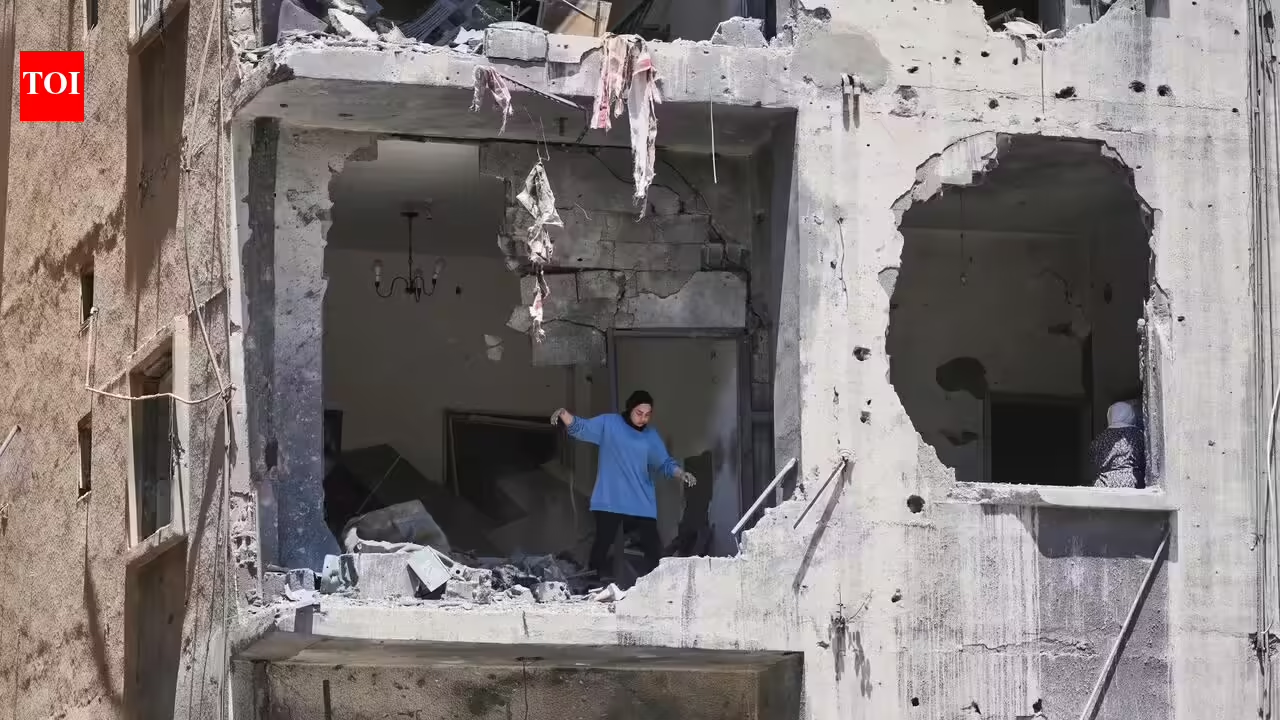
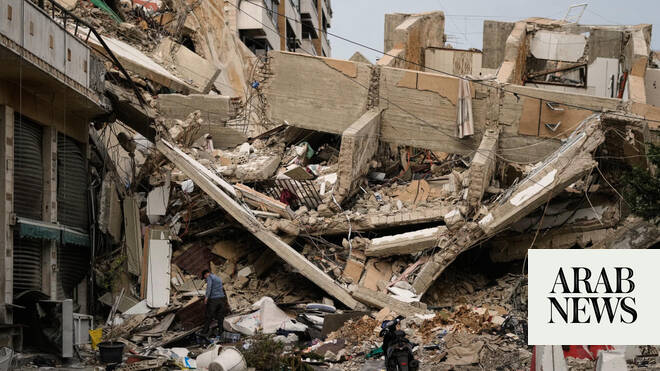
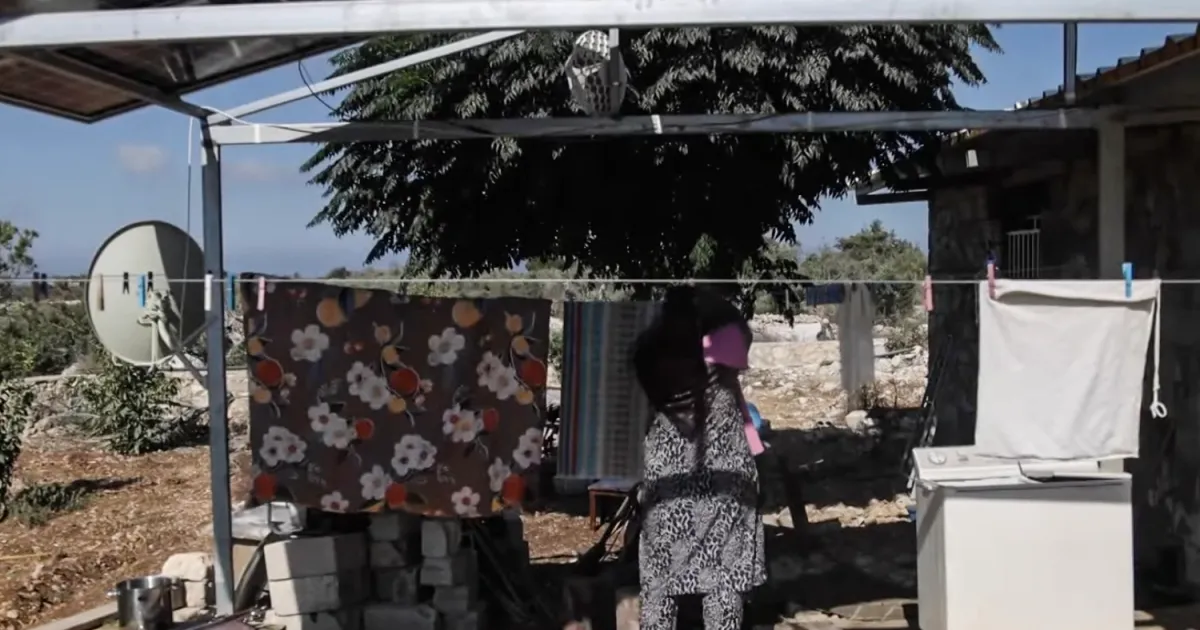
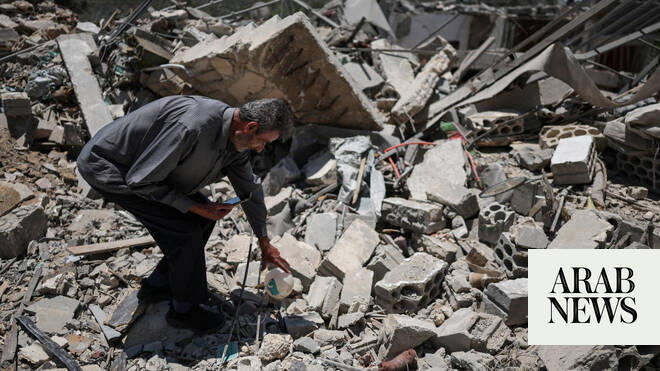
He is among tens of thousands who remain displaced because their homes were destroyed in Israeli strikes or their hometowns fall within a swathe of the south occupied by Israel’s military — or, as in his case, both.
“I still can’t go back to my village. It’s still occupied. My house is gone, and my livelihood is gone,” said the onetime farmer, who was living in the historic Lebanese border town of Kfar Kila, which now lies destroyed.
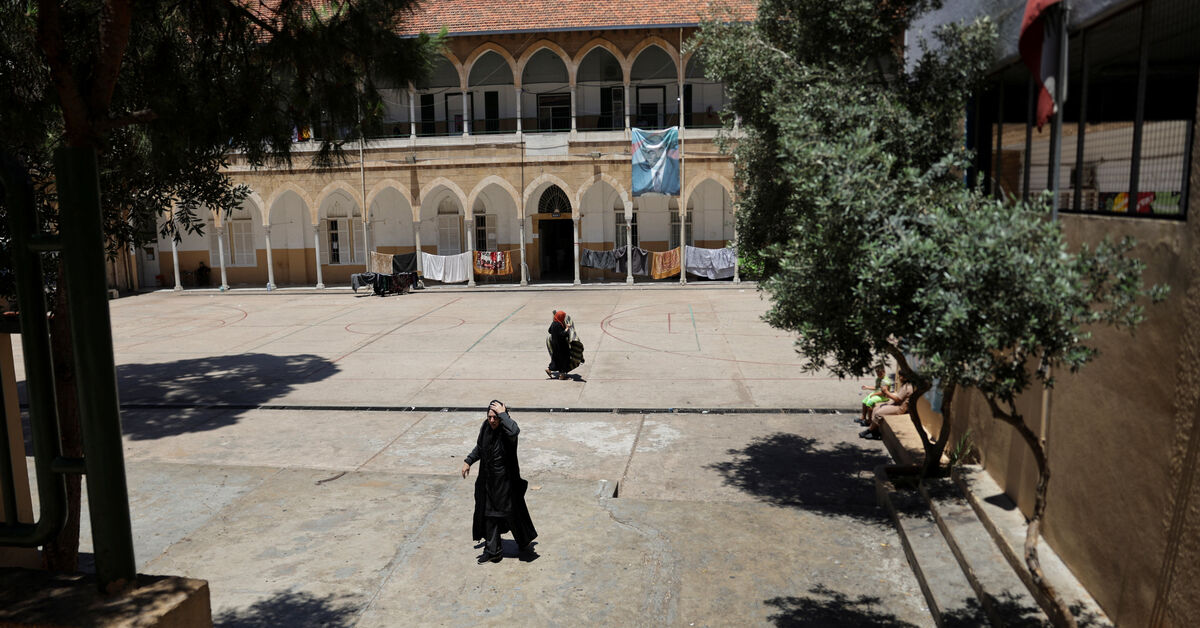
Merhi, 39, spoke to Reuters in a university being used as a shelter in the southern Lebanese port city of Sidon, following a ceasefire that took hold on Saturday between Israel and Lebanon’s Hezbollah.
“We were displaced, and we’re going to remain displaced. There’s a ceasefire — what did I gain?“