TL;DRUnconventional AI released Un-0, an image generation model on a simulated oscillator architecture that founder Naveen Rao says could cut AI power 1000x.
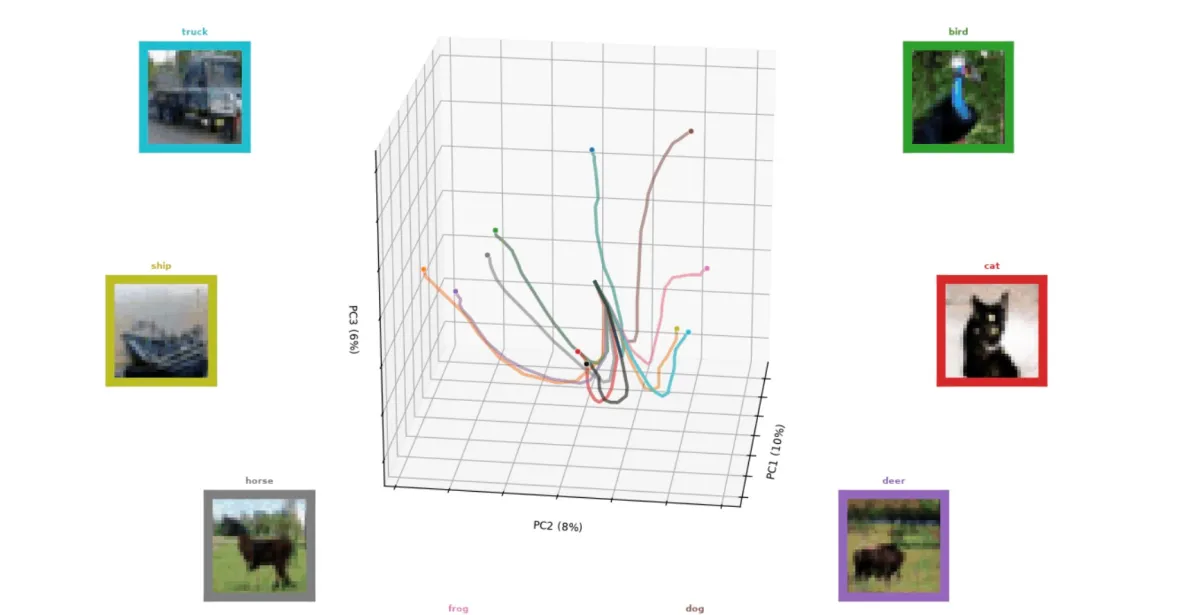
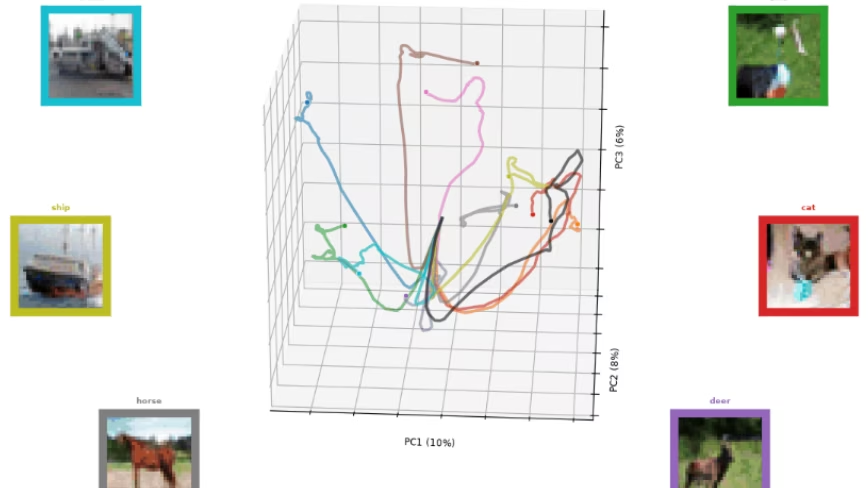
Unconventional AI, the startup founded by former Databricks AI chief Naveen Rao, has released its first AI model, an image generation system called Un-0 that runs on a completely new kind of computing architecture. The model produces results comparable to state-of-the-art diffusion models like Stable Diffusion, according to an accompanying research paper. The catch is that it runs on a software simulation of hardware that does not yet exist.
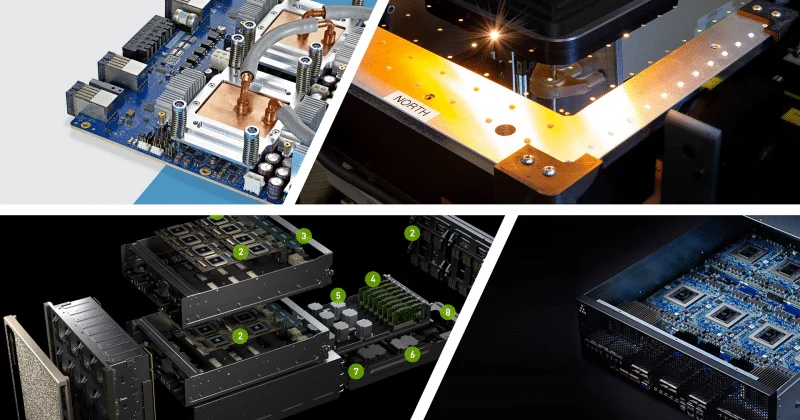
The company is building an oscillator-based computer architecture that abandons the digital logic underpinning virtually all modern computing. Instead of processing data through transistors performing binary operations, Unconventional’s approach uses coupled ring oscillators in a fabric network, encoding and processing information through the physics of the oscillators themselves. Rao told TechCrunch that this approach could ultimately reduce power consumption by a factor of a thousand compared to conventional chips.
That claim is aspirational. US utilities are planning to spend nearly one and a half trillion dollars by 2030 on infrastructure driven largely by AI data centre demand, and any technology that could meaningfully reduce that burden would be enormously valuable. But Unconventional has not built a physical chip, and the thousand-fold improvement exists only as a theoretical projection.