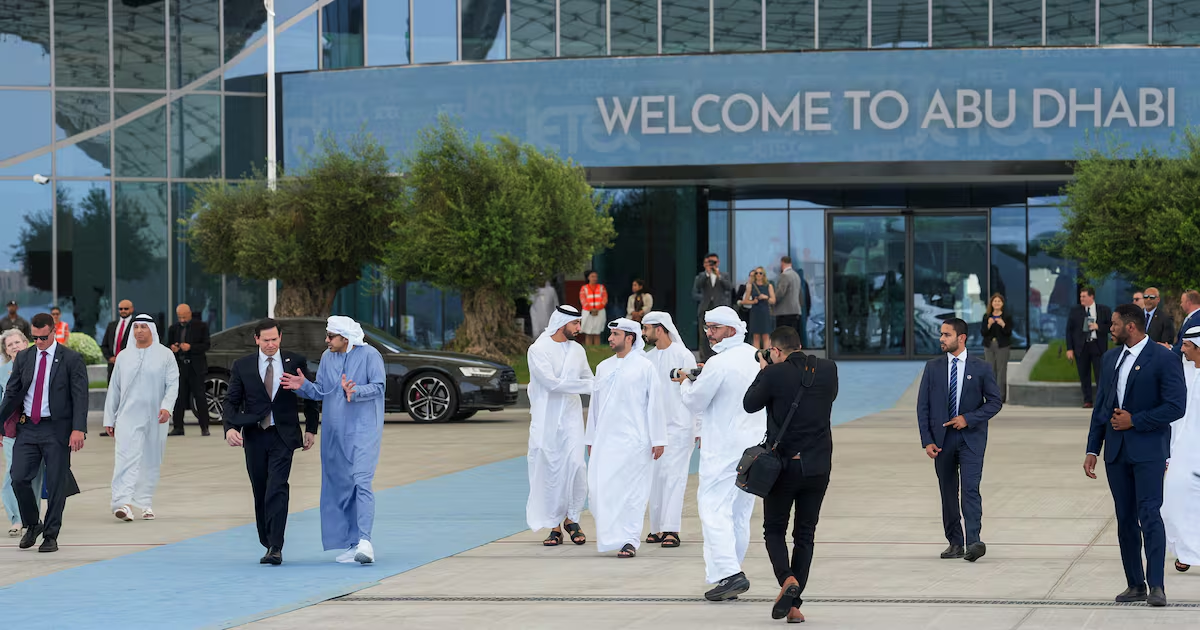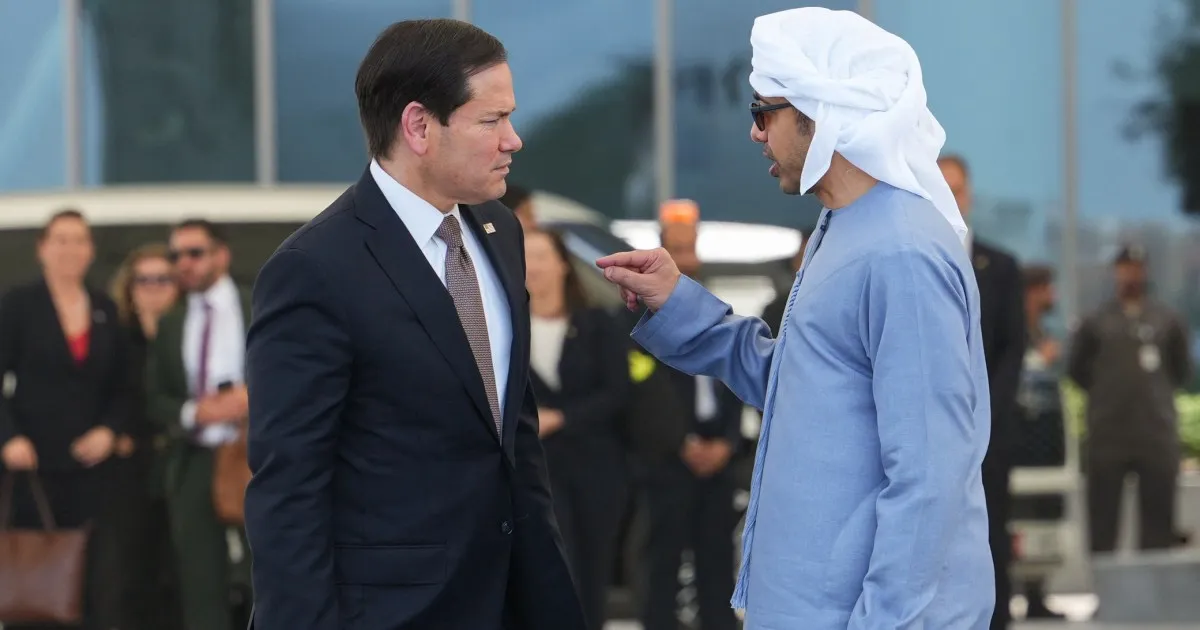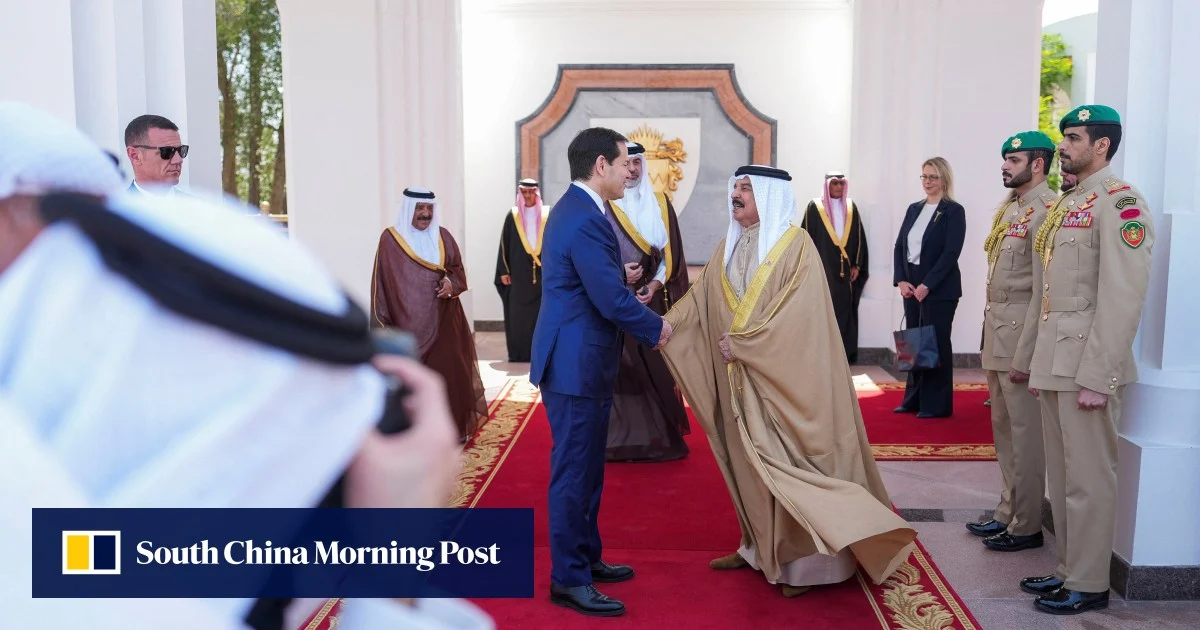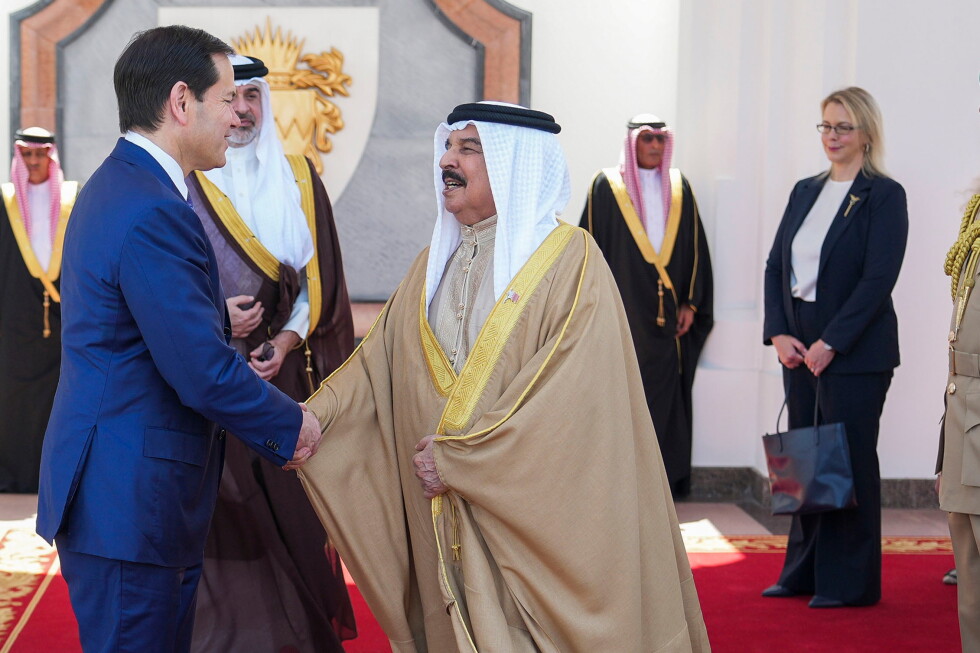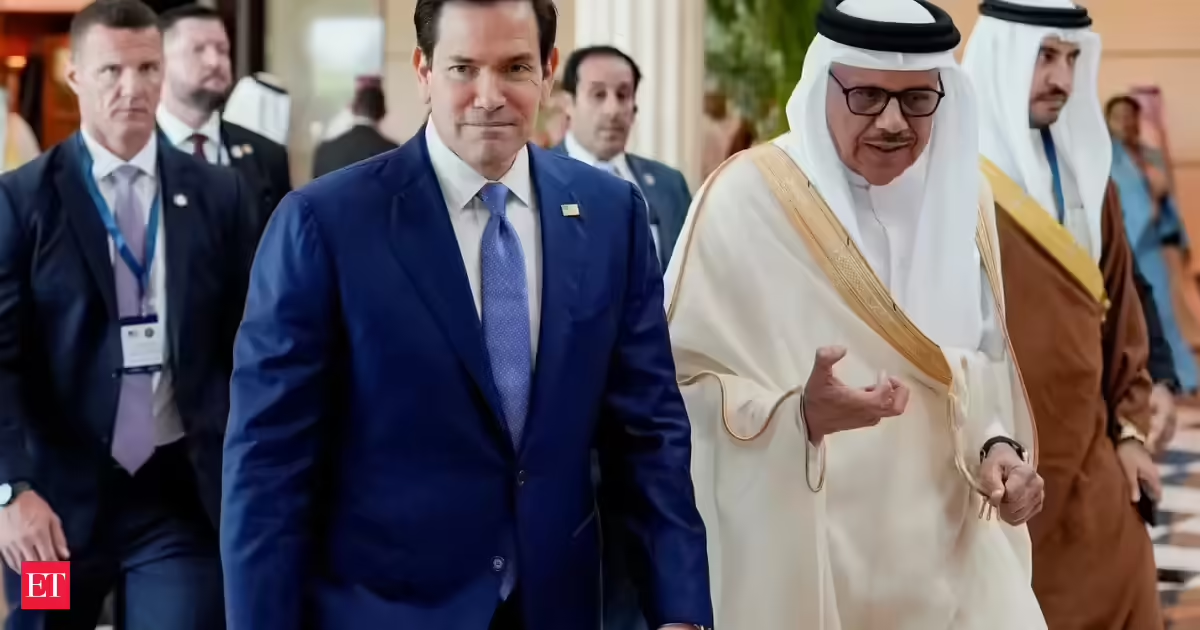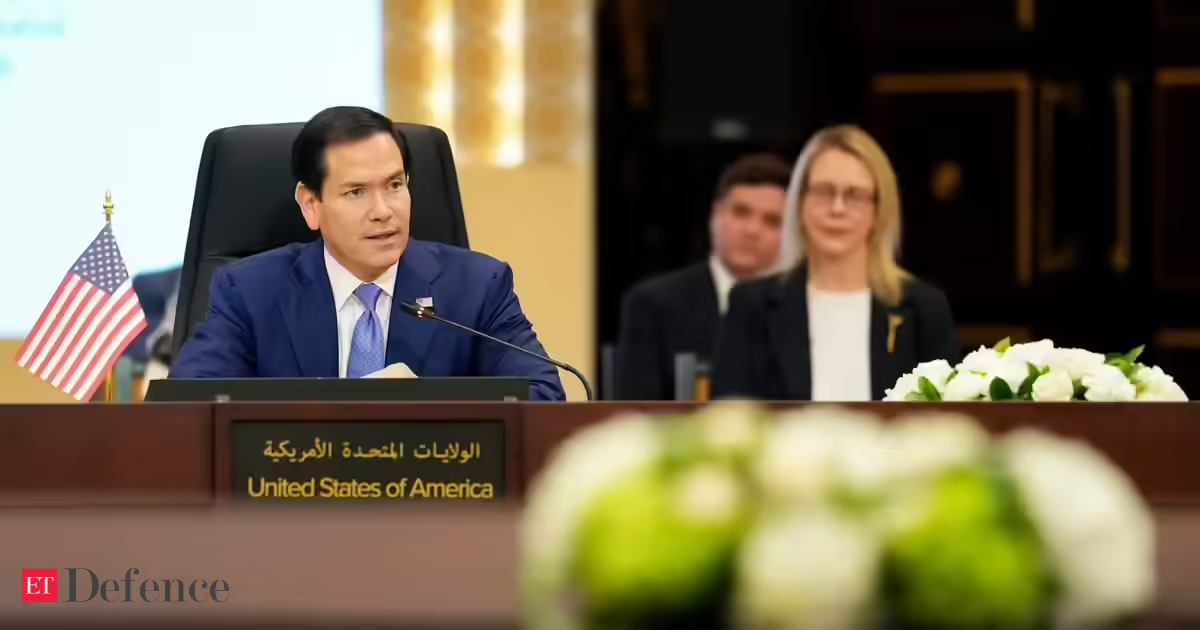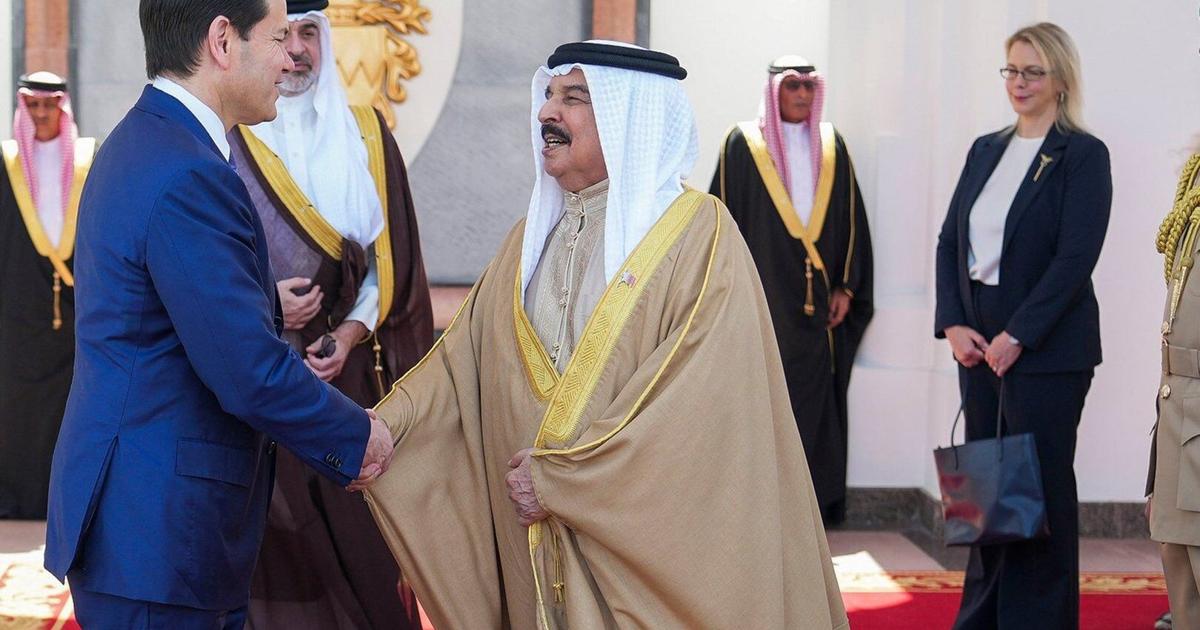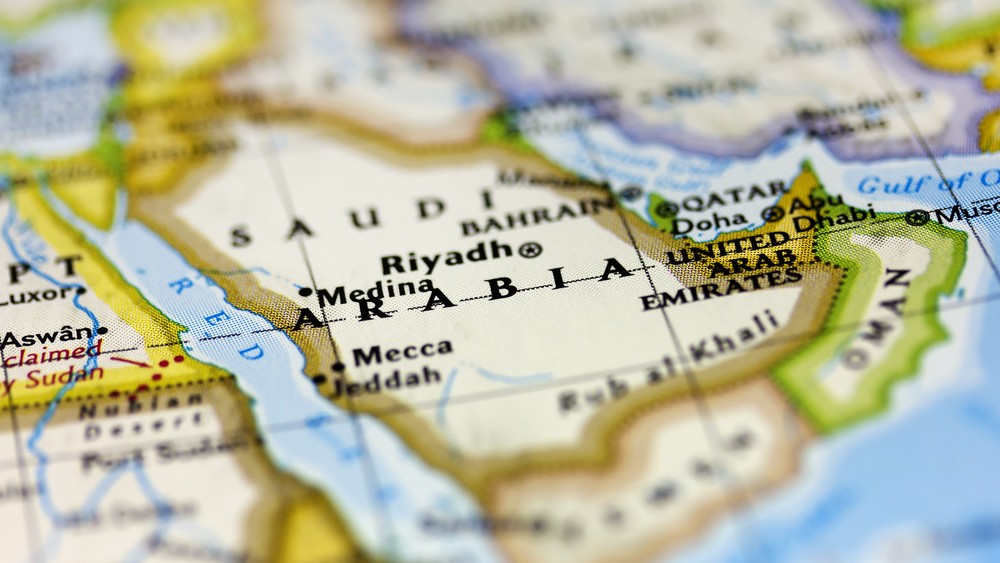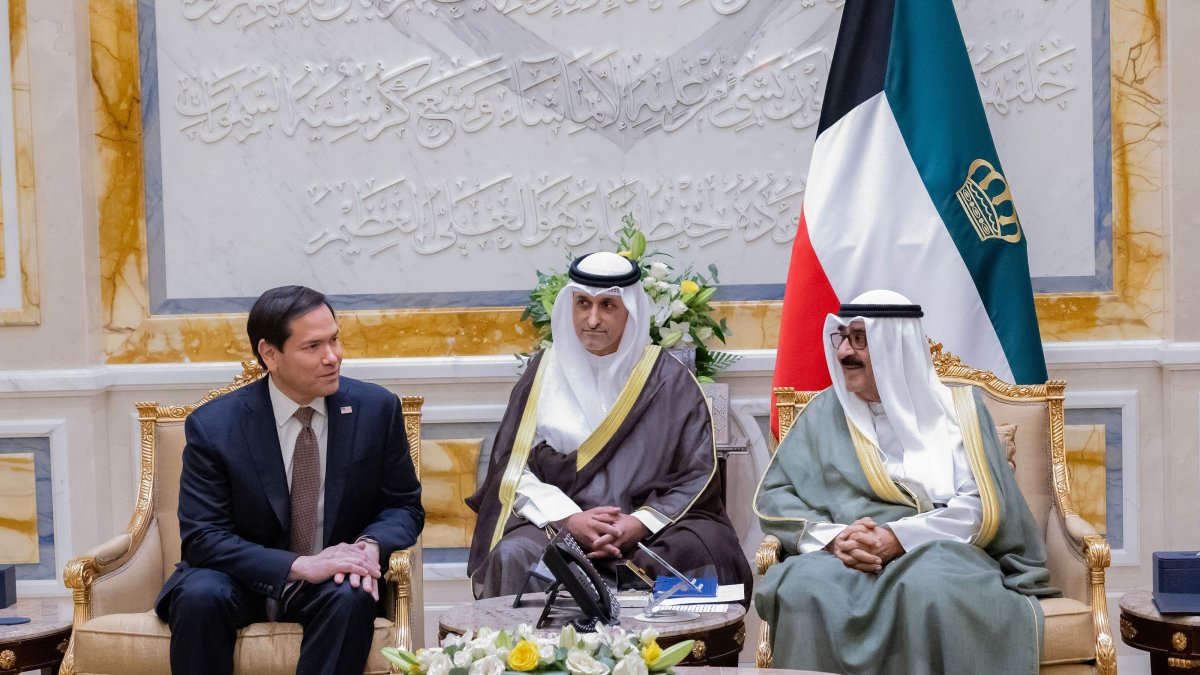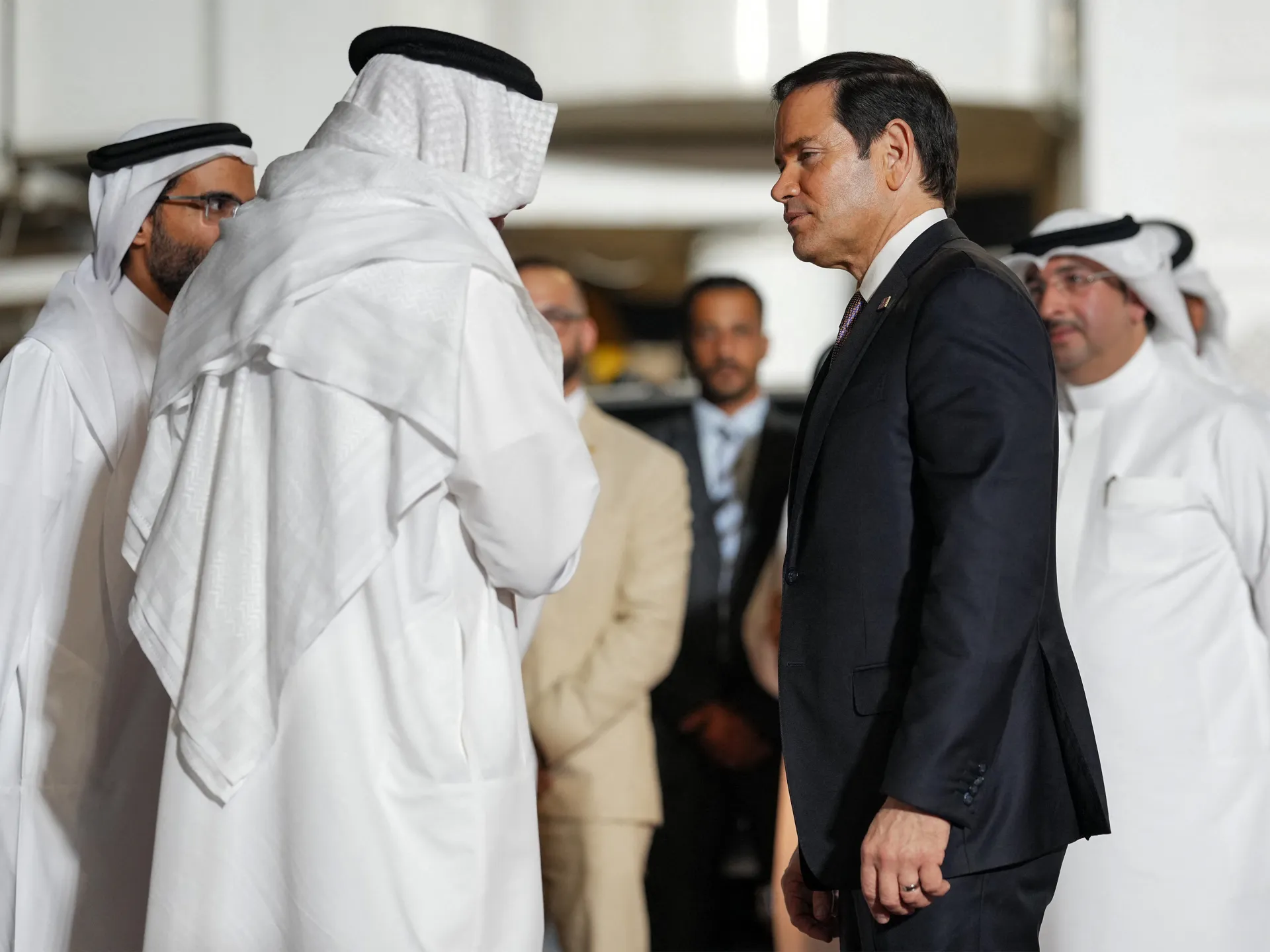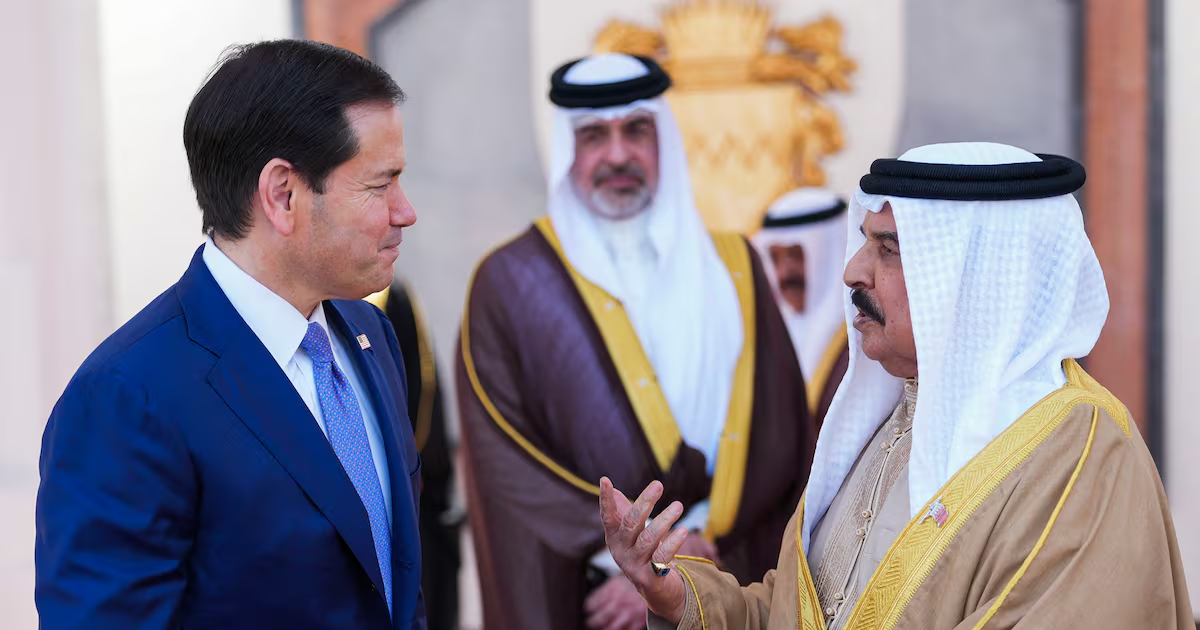
US secretary of state Marco Rubio concluded his visit to the Gulf on Thursday, where he sought to reassure allies that their security would not be compromised by Washington’s interim agreement with Tehran or during negotiations on a final peace treaty. Speaking at a meeting of Gulf Arab foreign ministers in Bahrain – home to the US navy’s Fifth Fleet – Rubio said Washington was seeking an enduring peace with Iran that would not come at the expense of the security of allies in the oil-rich region, many of whom see the deal as too soft after coming under Iranian attack during the conflict.On Wednesday, Rubio met United Arab Emirates (UAE) president sheikh Mohamed bin Zayed Al-Nahyan and other senior federation figures before travelling to Kuwait for discussions with emir Meshal al-Ahmad Al-Sabah. Rubio then flew to Bahrain to hold talks with foreign minister Abdullatif bin Rashid Al-Zayani and to address a joint ministerial meeting of the Gulf Co-operation Council (GCC), whose members are Saudi Arabia, the UAE, Qatar, Kuwait, Oman and Bahrain.GCC secretary general Jassim Mohammed Al-Budaiwi said future arrangements between the US and the Gulf should contribute to regional security and stability. He said agreements should be based on international law, respect for sovereignty, good neighbourliness, non-interference in members’ domestic affairs and secure maritime corridors, including freedom of navigation though the Strait of Hormuz.The US-Israel war with Iran resulted in Tehran’s closure of the strait, a transit point for a fifth of global oil and liquefied natural gas supplies. Gulf rulers have serious reasons for voicing concerns. Despite their warnings against conflict, the US and Israel waged war on Iran. They failed to achieve their chief objectives of regime change in Iran, eliminating its ballistic missiles and compelling it to renounce uranium enrichment.[ Donald Trump and Republican senator engage in shouting match over Iran warOpens in new window ]These Gulf states host a US military presence, and during the war they suffered Iranian retaliatory bomb and missile strikes. The attacks caused limited damage but undermined the image of the Gulf as a peaceful, safe centre for business, investment and tourism in a turbulent region. Iran emerged from the war wounded but politically strengthened, forcing the US to sue for peace.Viewed by Gulf rulers as inconsistent and unreliable, US president Donald Trump has accompanied Rubio’s efforts to cultivate relations with Iran with threats of a return to war if negotiations fail, risking fresh retaliation against the Gulf states. [ ‘Biggest national security blunder in decades’: Trump’s Iran deal met with anger, relief and incredulityOpens in new window ]Tehran has replied by saying it is proceeding “with vigilance.” Rubio said he did not discuss a $300 billion reconstruction fund for Iran that is part of the peace proposal. Gulf states fear Iran would use that money to revive its military capacity. – Additional reporting: Reuters
Rubio seeks to allay Gulf state fears, but allies have reason to worry about peace deal
Arab states host US military bases and suffered Iranian strikes during war that damaged their image
475 words~2 min read