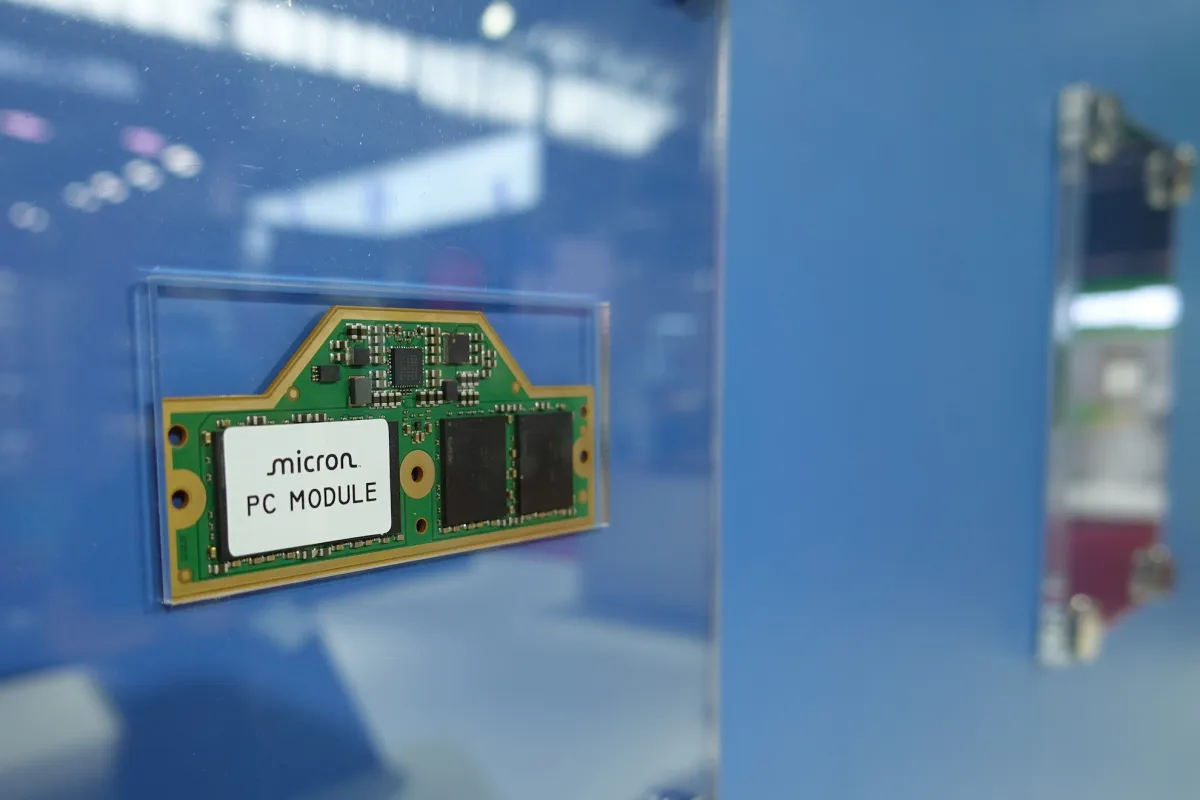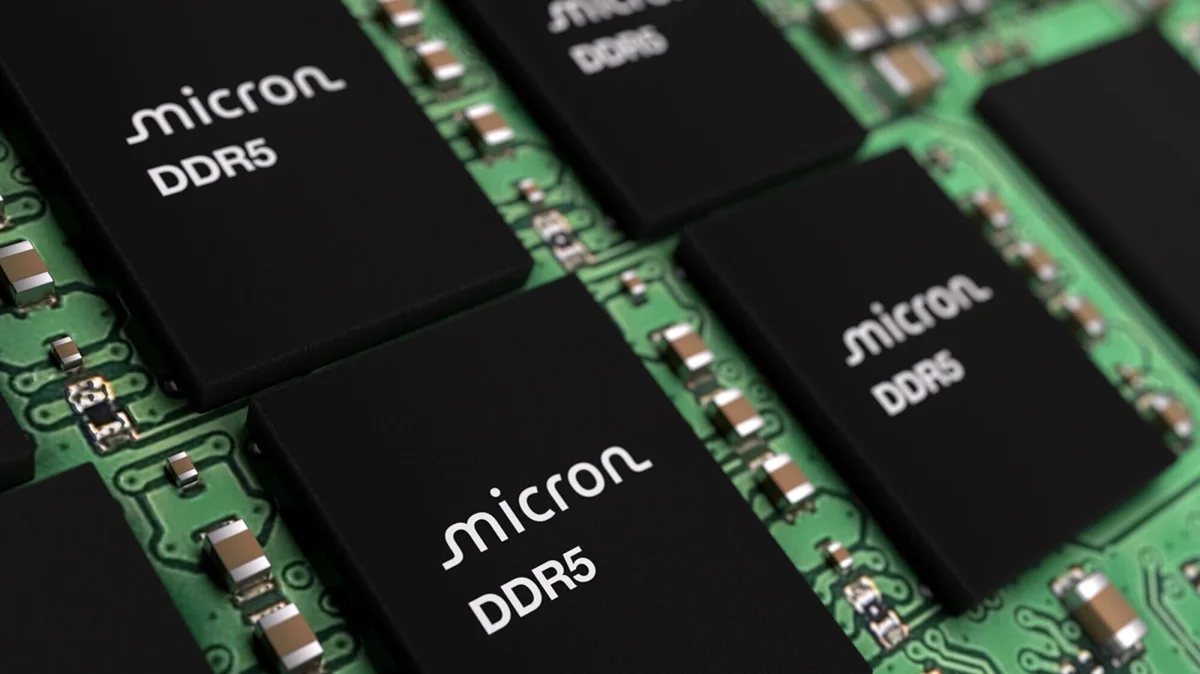
Memory chipmakers have for decades been trapped in boom-bust cycles, with capacity buildouts hitting the market just as demand craters. Micron, Samsung and SK Hynix are now trying to convince investors this time is different, arguing long-term deals will keep cash flowing even if the datacenter boom bursts.Micron said on Wednesday customers such as Nvidia had committed $22 billion to lock in supplies of memory chips, playing up huge growth in five-year "take-or-pay" deals that require clients to either buy its chips or hand over cash.The US company's deals follow in the footsteps of SK Hynix and Samsung, which have also been signing long-term supply agreements with their customers.The moves are key to winning over investors wary of the AI boom's durability, with memory stocks leading a $1 trillion-plus rout earlier this week stoked in part by valuation concerns."The main question heading into Micron earnings... was how durable memory pricing power really is. What they showed, through longer-term strategic agreements is that visibility is improving and any downside risk is getting pushed further out," said Jake Behan, ETF-provider Direxion's capital markets head."What matters from here is not whether memory pricing eventually normalizes as we know it likely will, it is about who captures and monetizes that pricing power while it lasts."Memory has become so critical to AI chips such as those made by Nvidia that customers no longer treat Boise, Idaho-based Micron as a commodity supplier to be played off rivals for lower prices, but as a strategic partner whose factory expansions they must underwrite to lock in supply.Despite joining the $1 trillion valuation club earlier this year, Micron reported an annual loss of $5.3 billion as recently as 2023, driven by a collapse in spending on consumer electronics after the frenzy of pandemic gadget upgrades."Customers have put billions of dollars on Micron's balance sheet as a show of confidence and their commitment toward this new business model," the company's chief business officer, Sumit Sadana, told Reuters.Still, even with good-as-cash agreements in hand, Micron said it will take time for it to build out new factories, keeping supplies tight until at least 2027.Memory chipmakers have tried long-term deals beforeTo be sure, the famously cyclical memory industry has tried to lock in long-term deals before. But past attempts failed to smooth ups and downs because memory was a commodity, letting electronics makers swap suppliers and squeeze prices at will.Even with AI, long-term hardware agreements could stand so long as customers see real demand and application. Any crack, whether a wobble in orders or doubts about the AI buildout, could send them back to the negotiating table."The bear case is that these contracts only hold while supply remains tight. If demand softens and the market turns, there is a risk they are renegotiated or abandoned, which would quickly reintroduce volatility," said Ben Barringer, head of technology research at Quilter Cheviot.But this time things are different because there is real money on the line. Having customers pay cash to lock in commitments means Micron earns money regardless of whether those agreements go through or not. It also gives the broader AI demand narrative some legitimacy, showing that customers think it is worth spending billions just to ensure chip orders are confirmed.
Micron joins rivals pitching AI deals as cure for memory's boom-bust cycle - The Economic Times
Memory chip giants like Micron are forging long-term "take-or-pay" deals, securing billions from customers like Nvidia to ensure consistent revenue. This strategy aims to break decades-old boom-bust cycles by guaranteeing cash flow even if the AI boom falters. These agreements, backed by customer cash commitments, signal a shift from treating memory as a commodity to a strategic necessity, potentially stabilizing the volatile industry.
538 words~2 min read