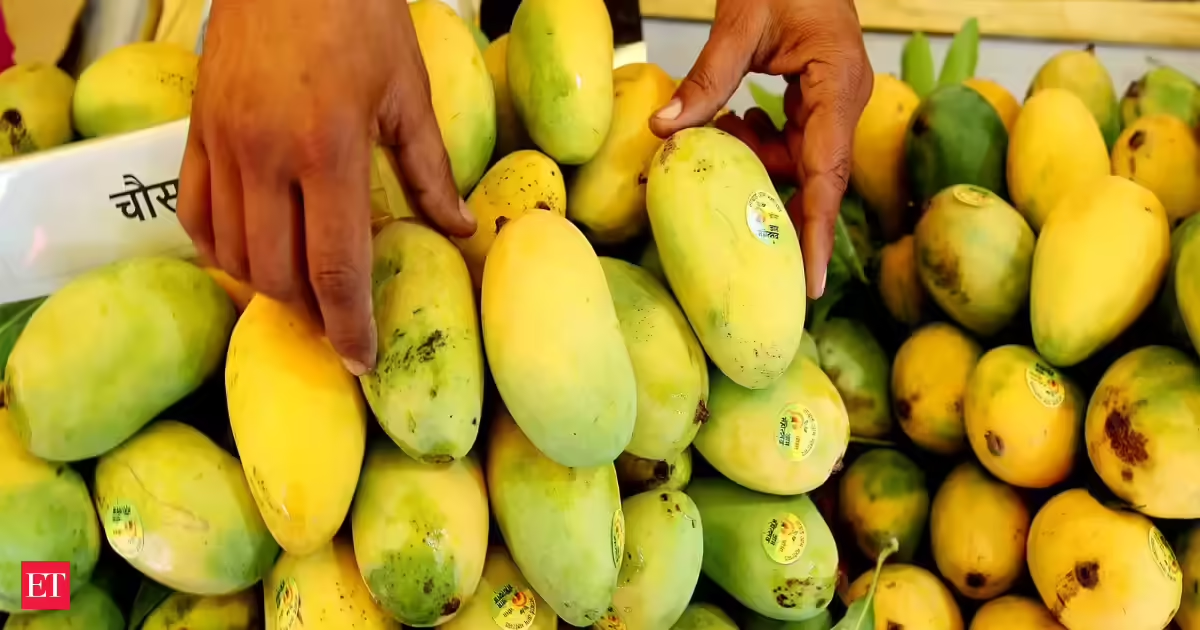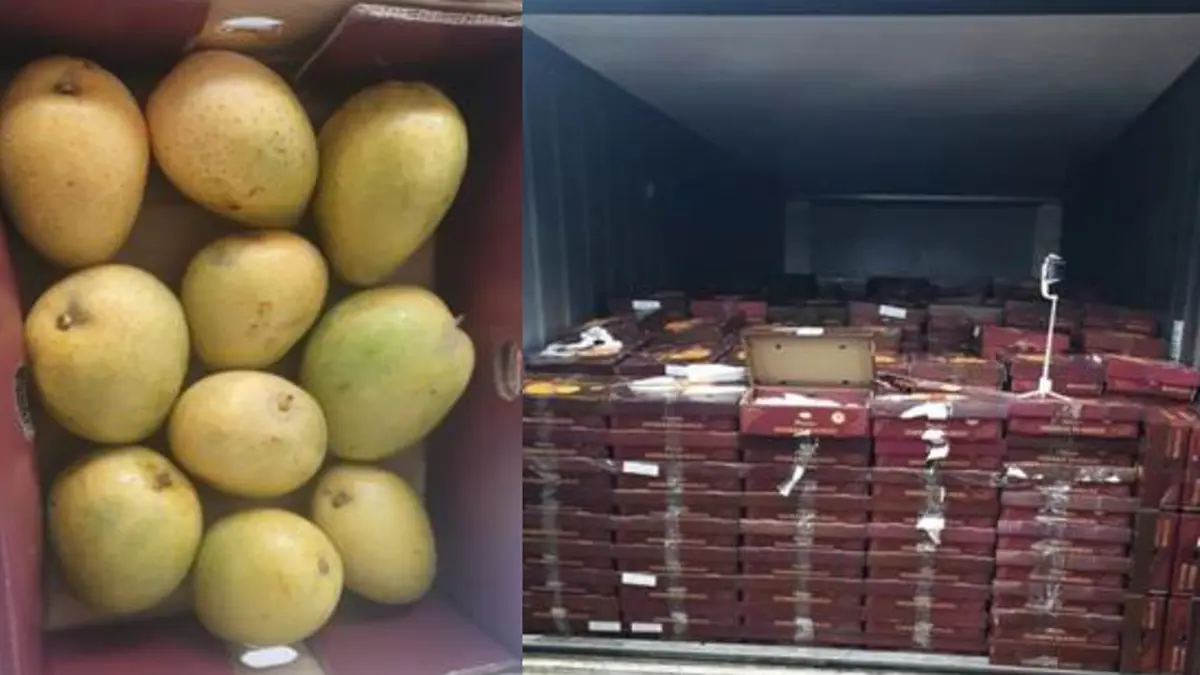
Andhra Pradesh’s famed Banganapalli mangoes
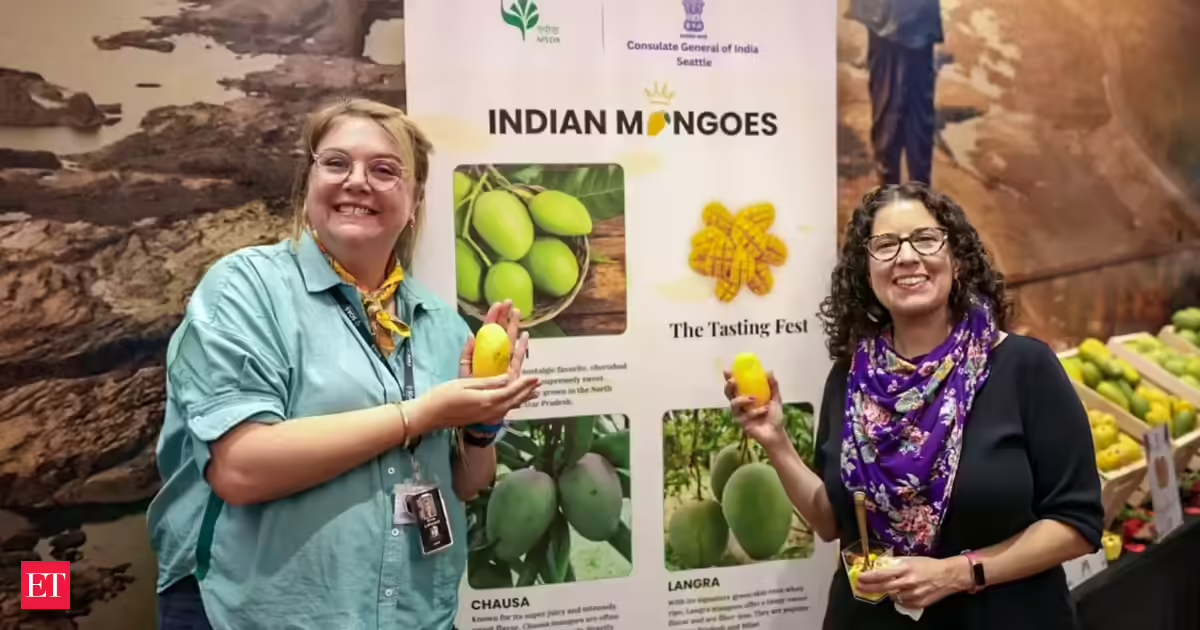
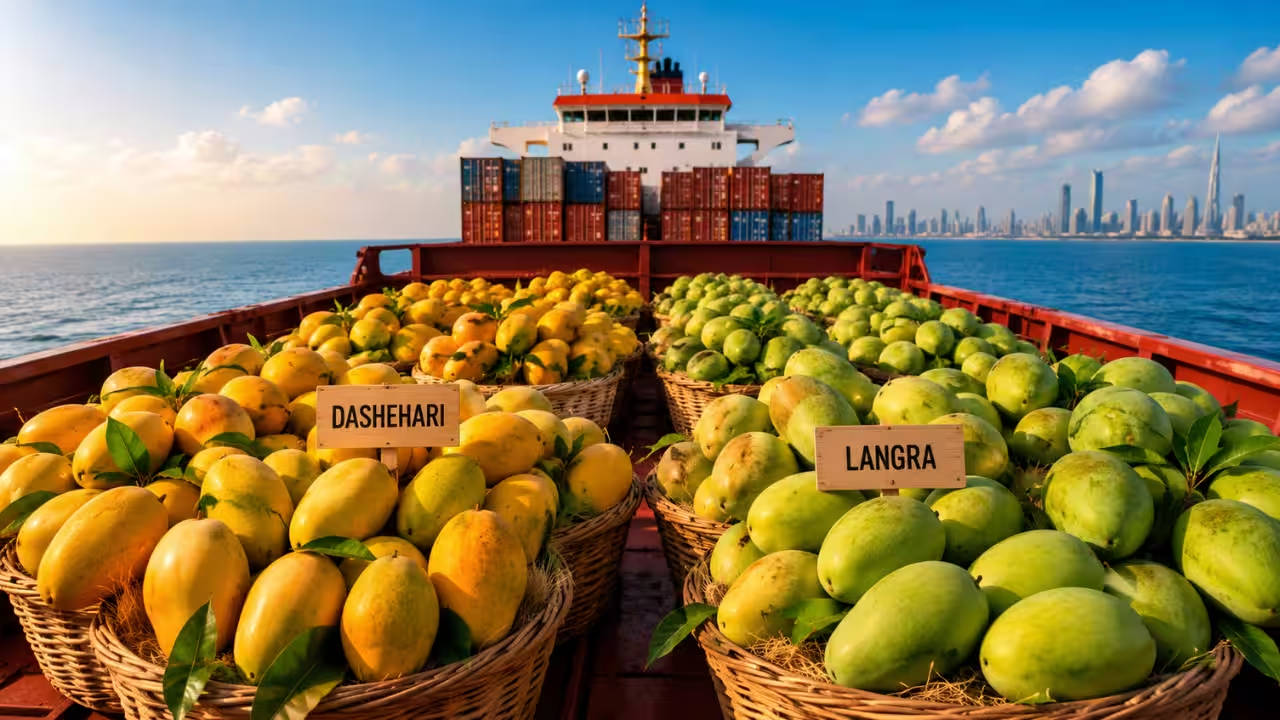
Mangoes from India have found a new route to Singapore, where the fruit has a huge demand. A consignment of 4.3 tonnes of the famed Banganapalli mangoes from Andhra Pradesh has been shipped to the island nation via a sea route, reducing the shipping costs by a tenth and making it a cheaper proposition.The sea route offers a substantial reduction in logistics costs, estimated at ₹13–20 per kg, compared to ₹150–250 per kg through air shipment, making exports more viable for producers and exporters while ensuring affordable prices for overseas consumers.New technologyThis was made possible thanks to a new technology developed by the ICAR-Central Institute for Subtropical Horticulture (ICAR-CISH), Lucknow, in collaboration with Agricultural and Processed Food Products Export Development Authority (APEDA). The two institutes developed a scientific sea shipment protocol to enhance shelf life and facilitate exports.The technology helped extend the shelf life of mangoes to up to 30 days under sea shipment conditions. The Singapore consignment completed its journey in 16 days, and the fruits arrived in excellent condition, with no disease incidence and quality comparable to air-shipped mangoes.Mango exports to expandThe success of this shipment is expected to facilitate the expansion of Indian mango exports to Singapore, Malaysia, Hong Kong, and other markets, where current imports are estimated at $4–5 million, and to create opportunities in larger markets such as the UAE, valued at $20–25 million.“This is a significant milestone in expanding affordable and large-scale mango exports to international markets,” a Government statement said here on Thursday.“Indian mangoes are highly valued in Singapore for their superior taste, flavour, and quality, with varieties such as Banganappalli and Kesar enjoying strong consumer demand,” it said.The protocol integrates an end-to-end quality assurance system covering residue-free production, Good Agricultural Practices (GAP), scientific harvesting, grading, packing, and post-harvest management.Published on June 25, 2026