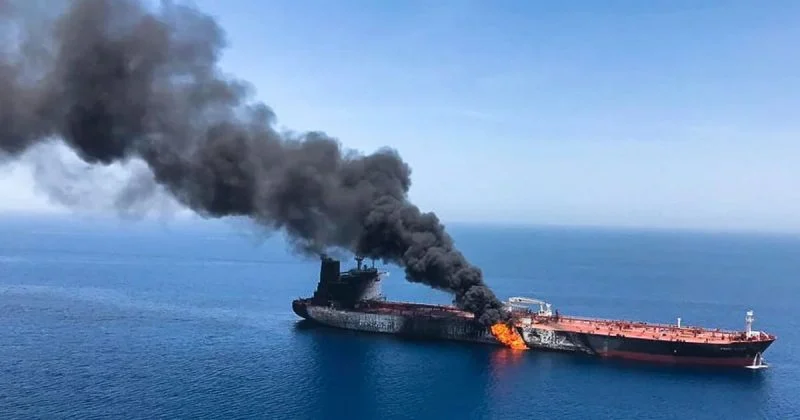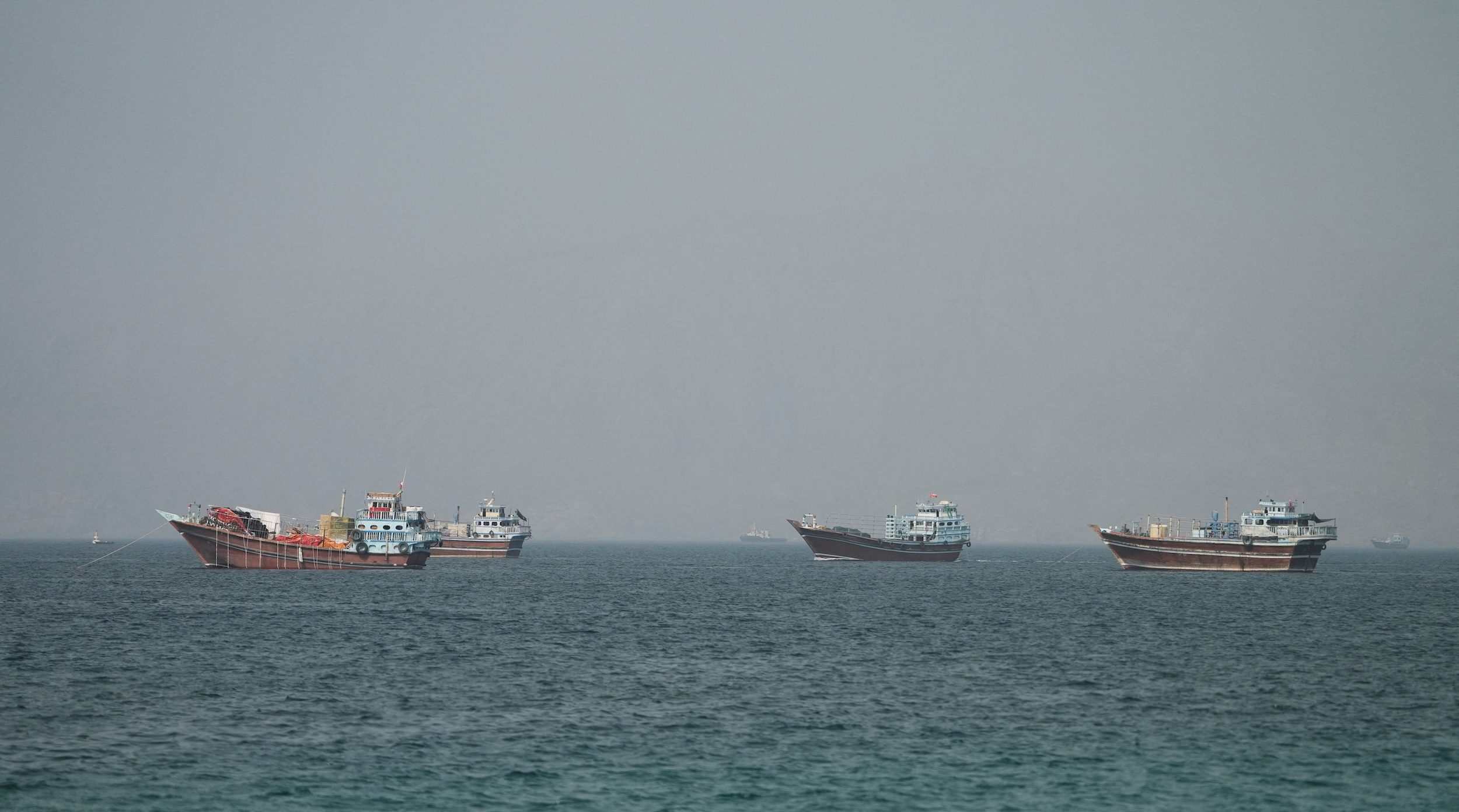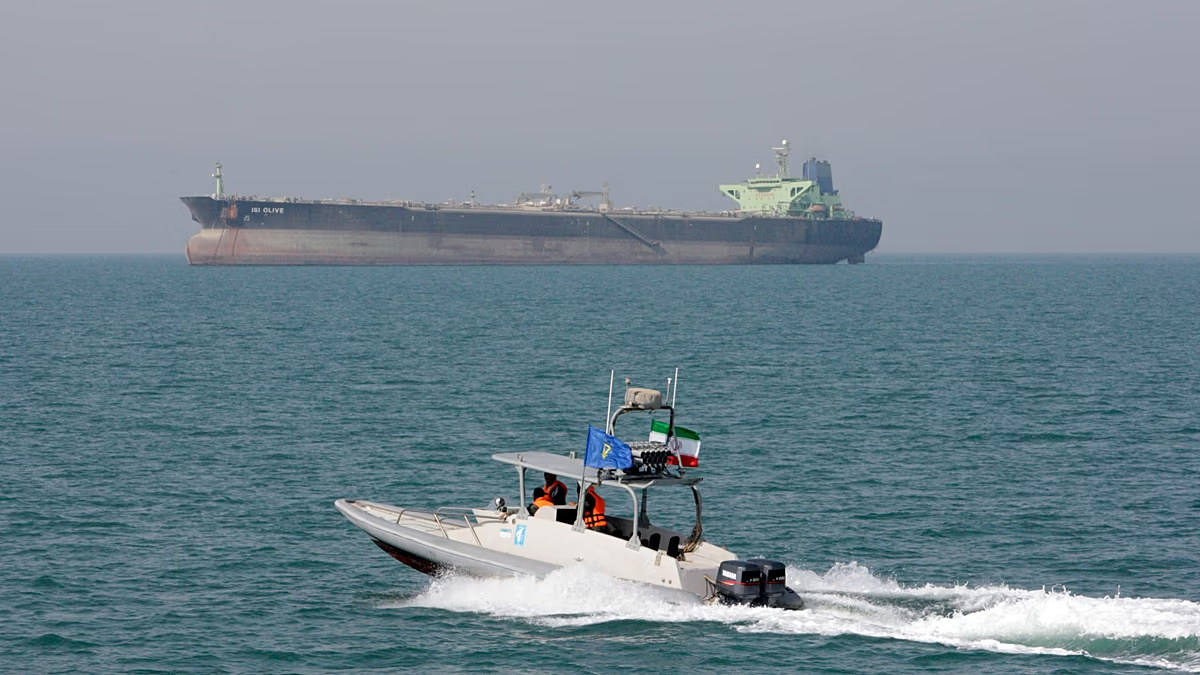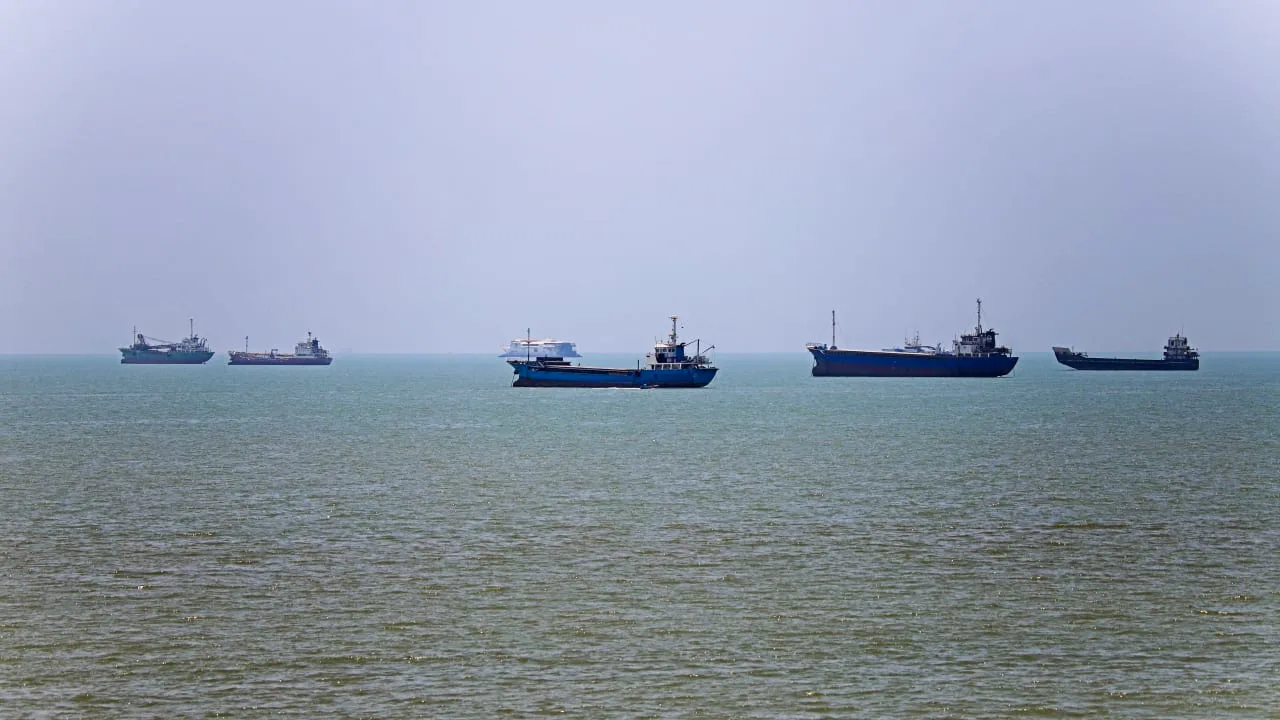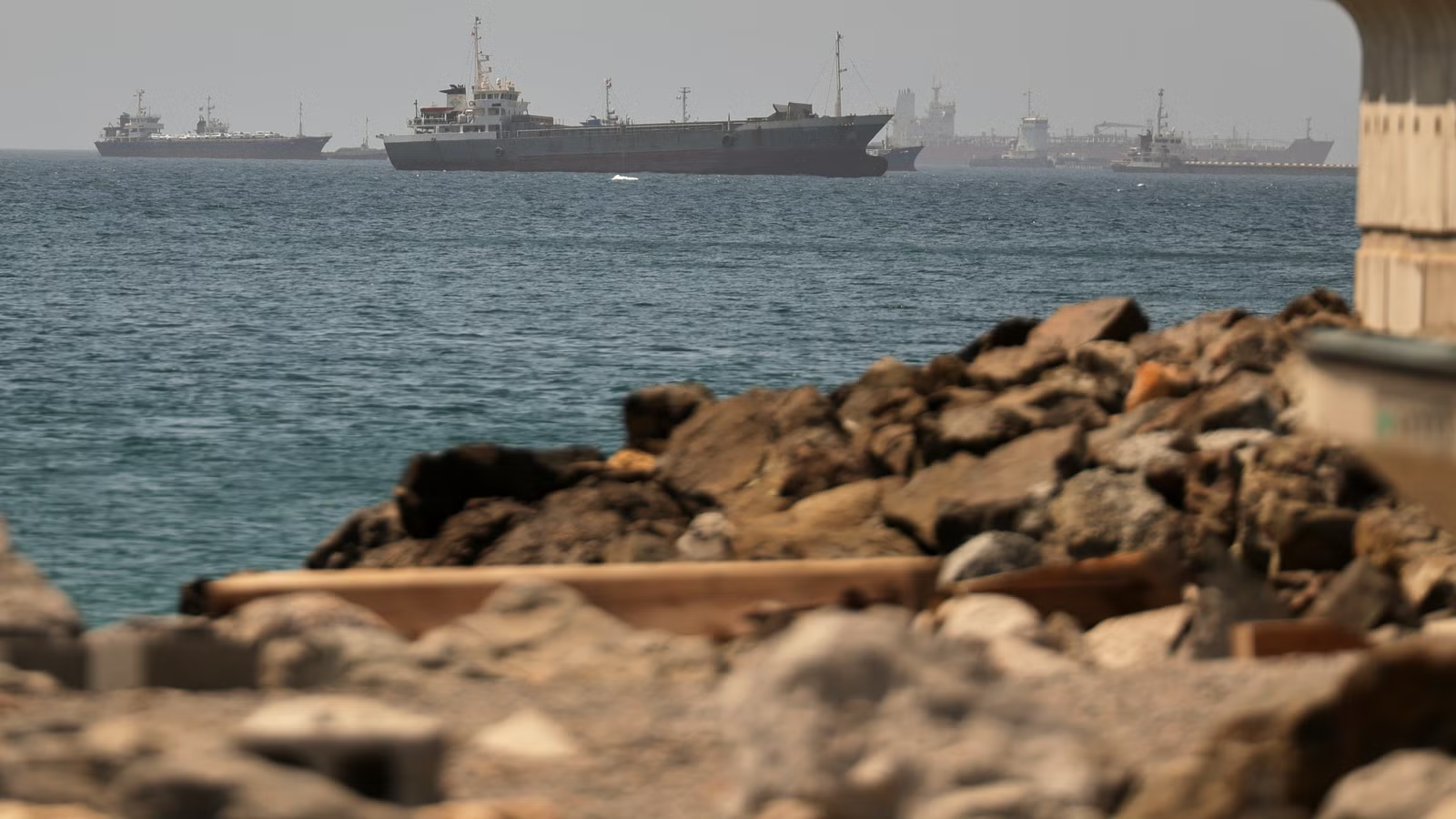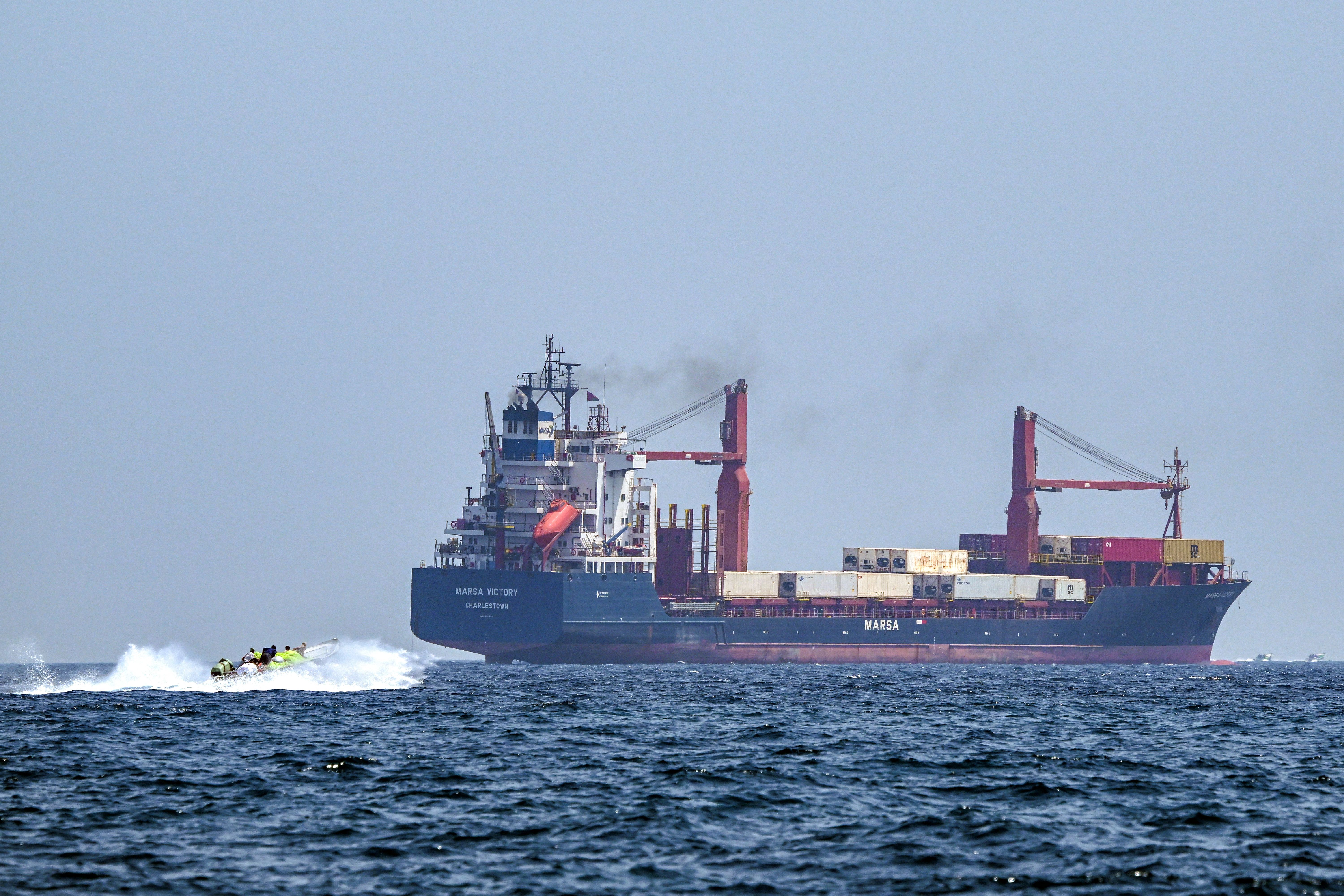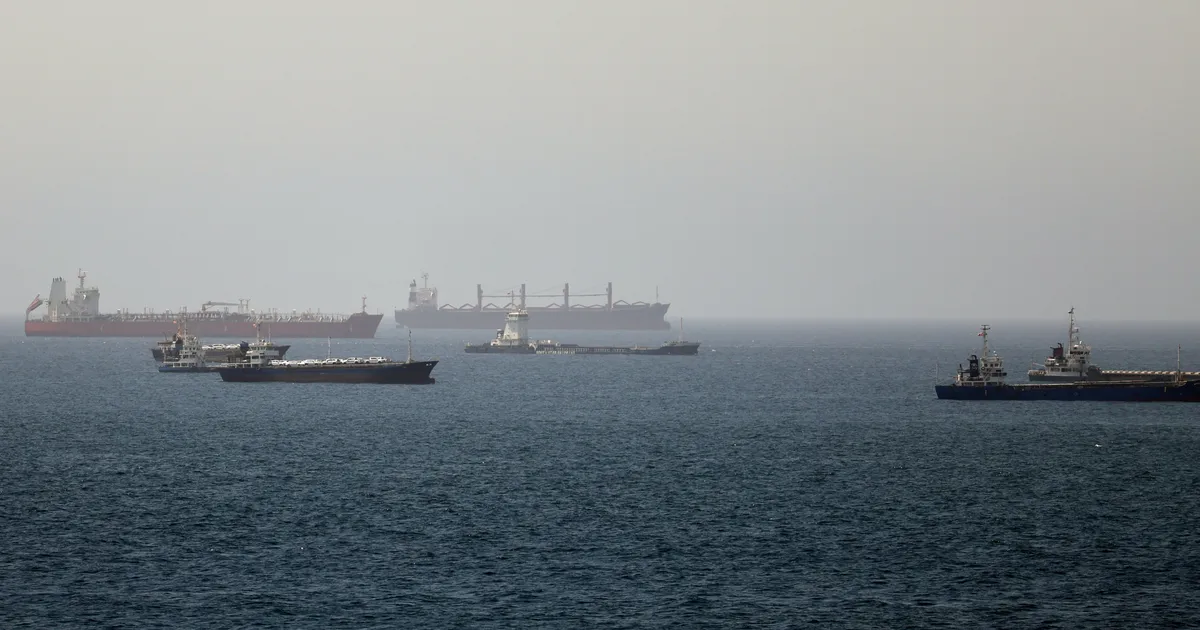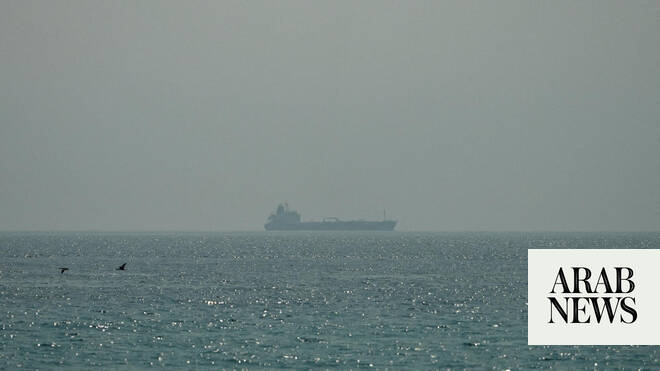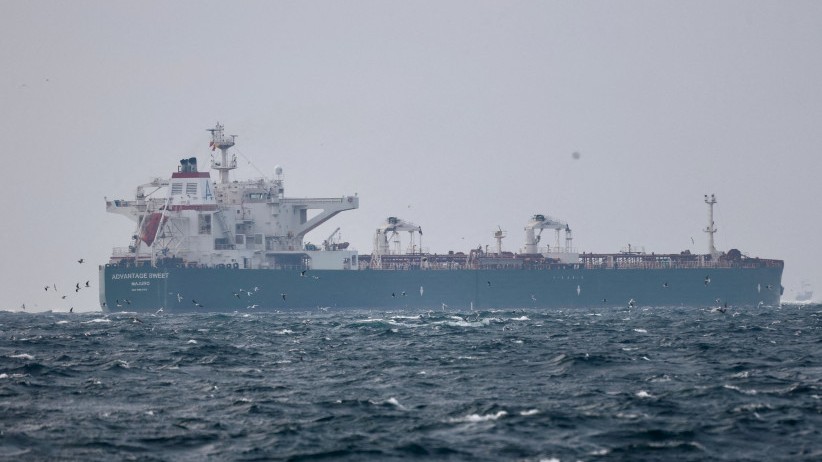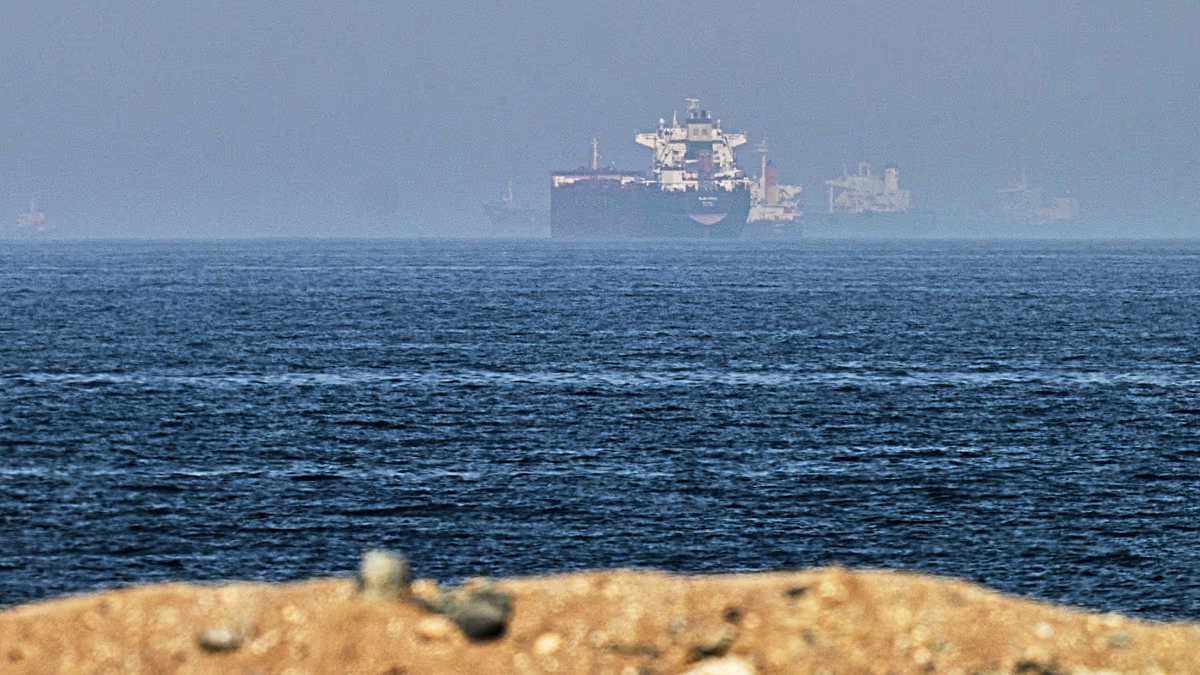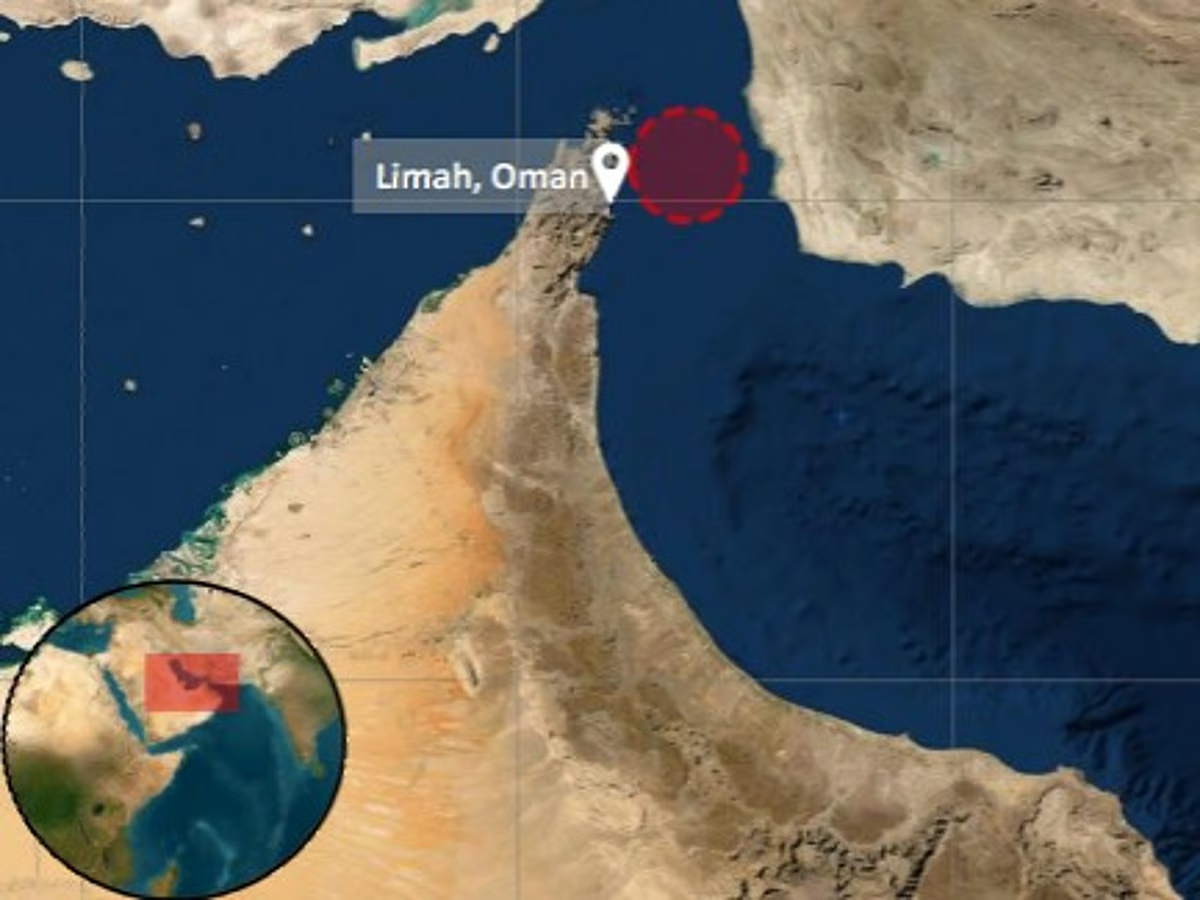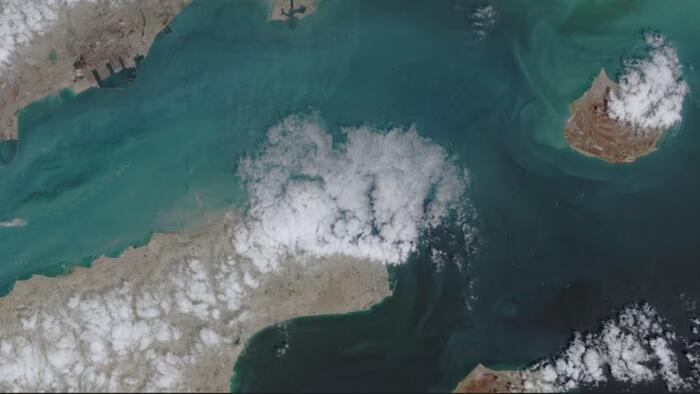
Update(11:28ET): A tanker appears to have come under (likely) Iranian attack close to the coast of Oman on Thursday. It seems that Iran is seeking to impose control, and its red lines as its military issues the following message: "Coordination with the IRGC Navy for passage through the Strait of Hormuz via Channel 16 is mandatory, and violator vessels will be dealt with."Below is the initial UKMTO alert:
— UKMTO Operations Centre (@UK_MTO) June 25, 2026Crude jumps, also as Bloomberg reports that already "At least three ships, including two oil supertankers, appeared to turn around while attempting to cross the Strait of Hormuz using a route that hugs Oman’s coastline."Bloomberg continues: "It wasn’t immediately clear why the vessels turned around, but two maritime intelligence companies published broadcasts that purported to be from the Iranian navy instructing ships not to cross. Not all ships have turned around and some continued along the Oman route, according to tracking data compiled by Bloomberg."This comes after there's been some optimism this week after the signing of the US-Iran MoU, as tanker traffic has clearly picked up. However, Tehran’s Persian Gulf Strait Authority has been insistent that transit can't happen without express permission, and as Tehran seems to impose steep tolls under its protocol.* * *Update(11:05ET): Despite Rubio's warning while meeting with GCC allies in Bahrain, Iran is planning to move forward on charging hefty fees for vessels wishing to transit the Strait of Hormuz under its protocol, which is to be enforced by the IRGC. What's more is that it's seeking Beijing's approval and help.Iran’s chief negotiator and Parliament Speaker, Mohammad Bagher Ghalibaf, asserted during a prior visit to Oman this week: "Everyone needs to know that management of the strait will never return to the way it was before."According to fresh reporting in The Wall Street Journal:Iran is pushing to make billions of dollars from the Strait of Hormuz as the regime positions itself to manage the global oil artery it severed at the start of the war. The Islamic Republic estimates that charging for security, safety and environmental services in the strait would bring in $40 billion a year in revenue for states involved, according to officials familiar with the matter. The idea, if implemented, would bring Tehran cash flow and control that it didn’t command before the war. The regime is looking to models around the world, including the Dardanelles, the officials said, where Turkey charges ships a tax known as the gold franc for passage to and from the Aegean Sea through the international waterway.Rubio has just complained that such a scheme would unleash "chaos" and would spread "like a contagion" to other global shipping chokepoints. He has asserted that Washington sees this as a red line and won't allow the precedent to be established.On the China angle, crucially, "To get buy-in, Tehran is pitching the idea to the wider Middle East and as far afield as Beijing, according to Iranian officials. It wants its Persian Gulf neighbors to be part of the agreement and share the revenue," sources said.Iran clearly feels itself in control of negotiations, and so is flexing its maximal demands, as it knows that Trump came to the table to avoid serious rupture in global oil as US strategic reserves have dwindled and Americans would revolve against his little "excursion" in Iran.Tehran senses weakness? A softening in tone from the Trump administration: REPORTER: "You used to call them religious theocratic lunatics. Do you still believe that language applies to the leadership today?"