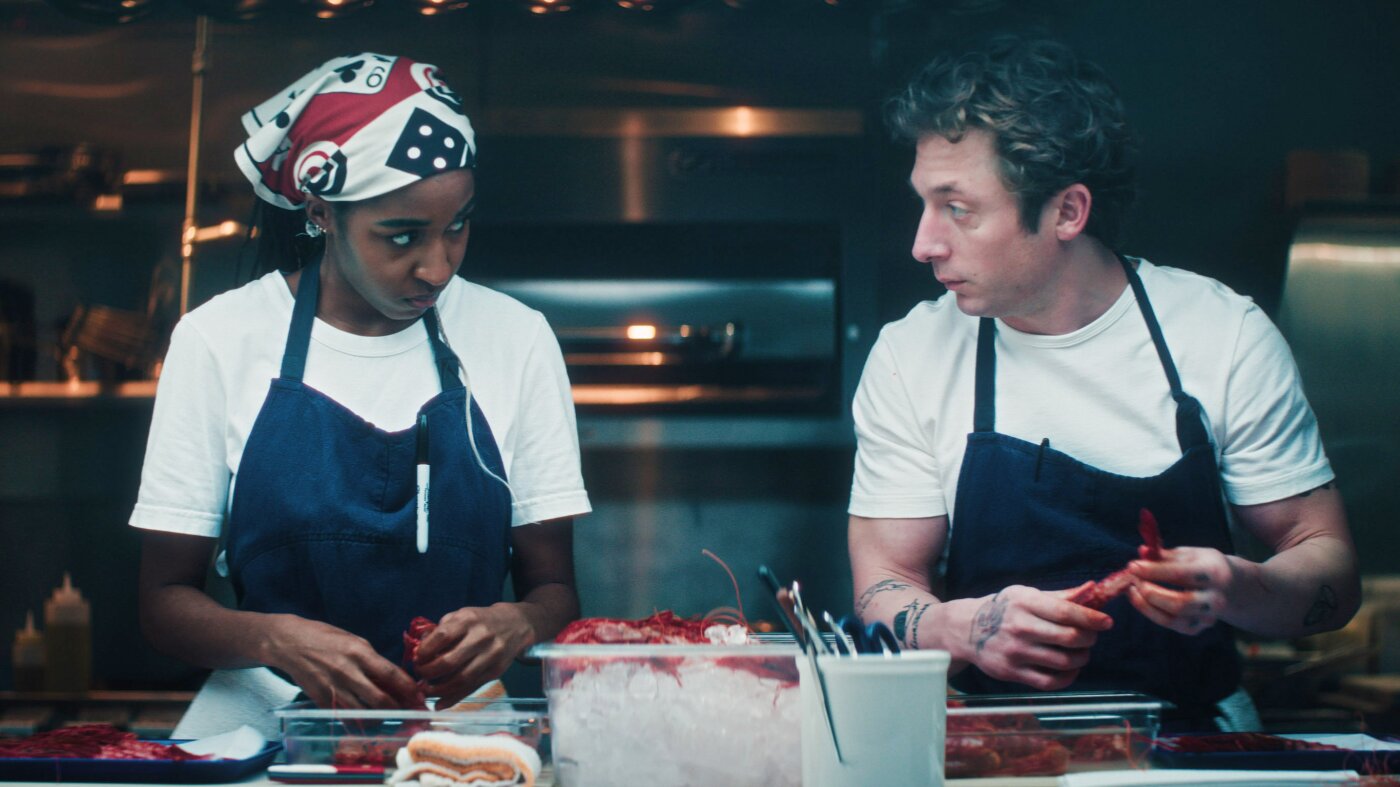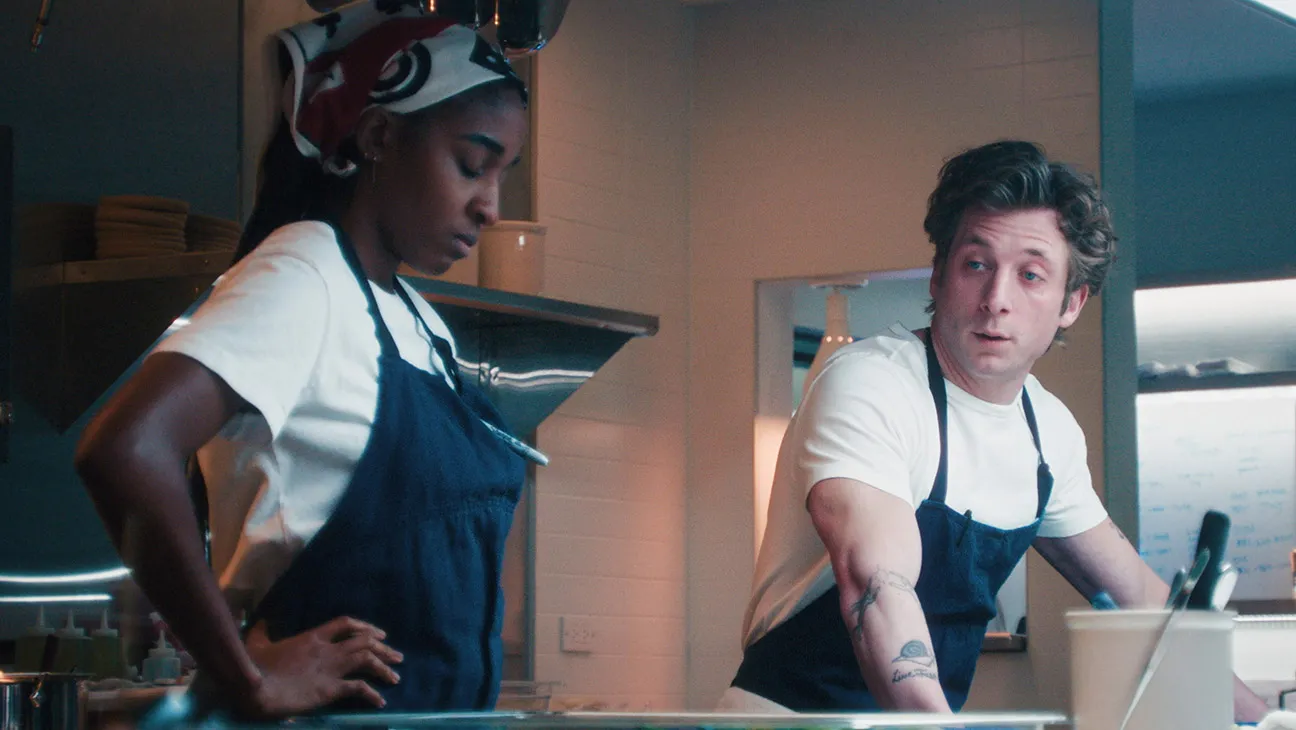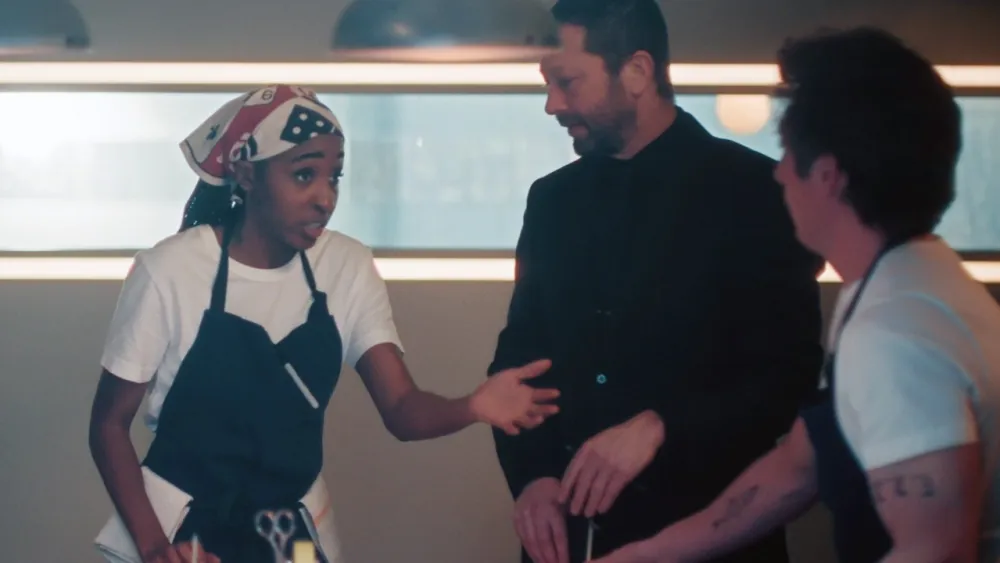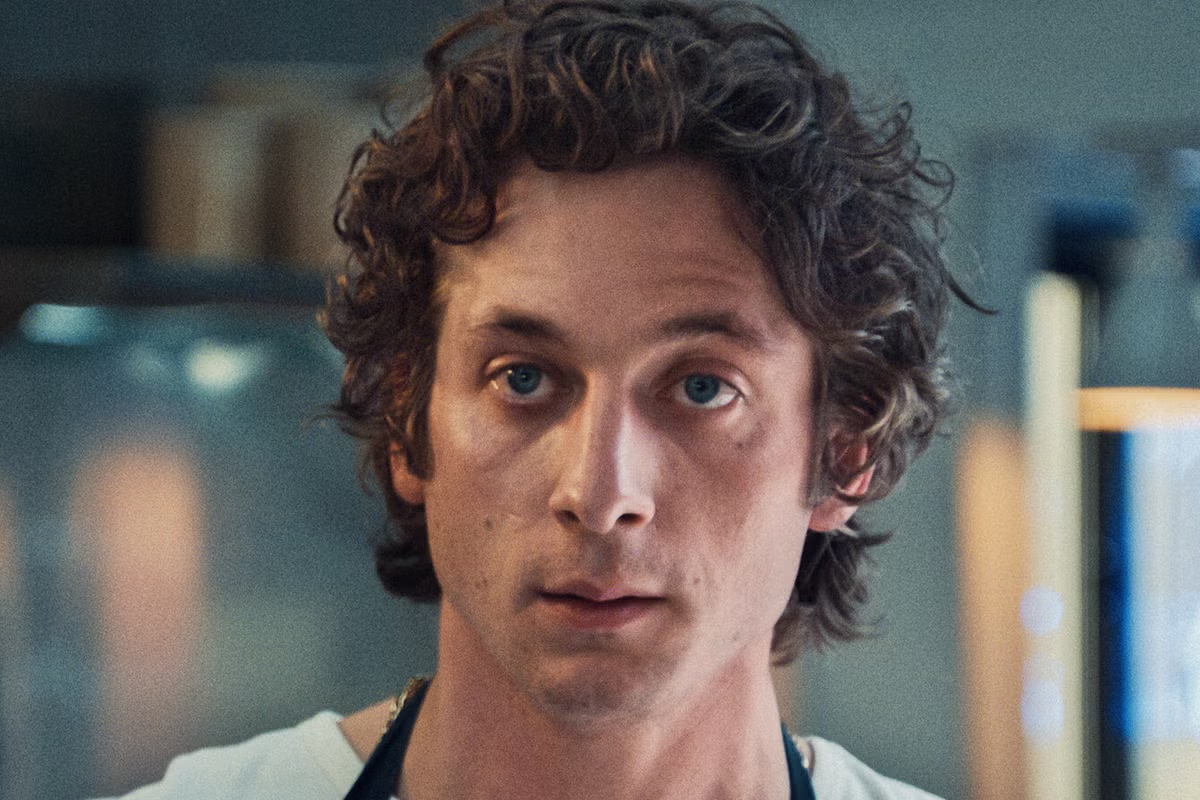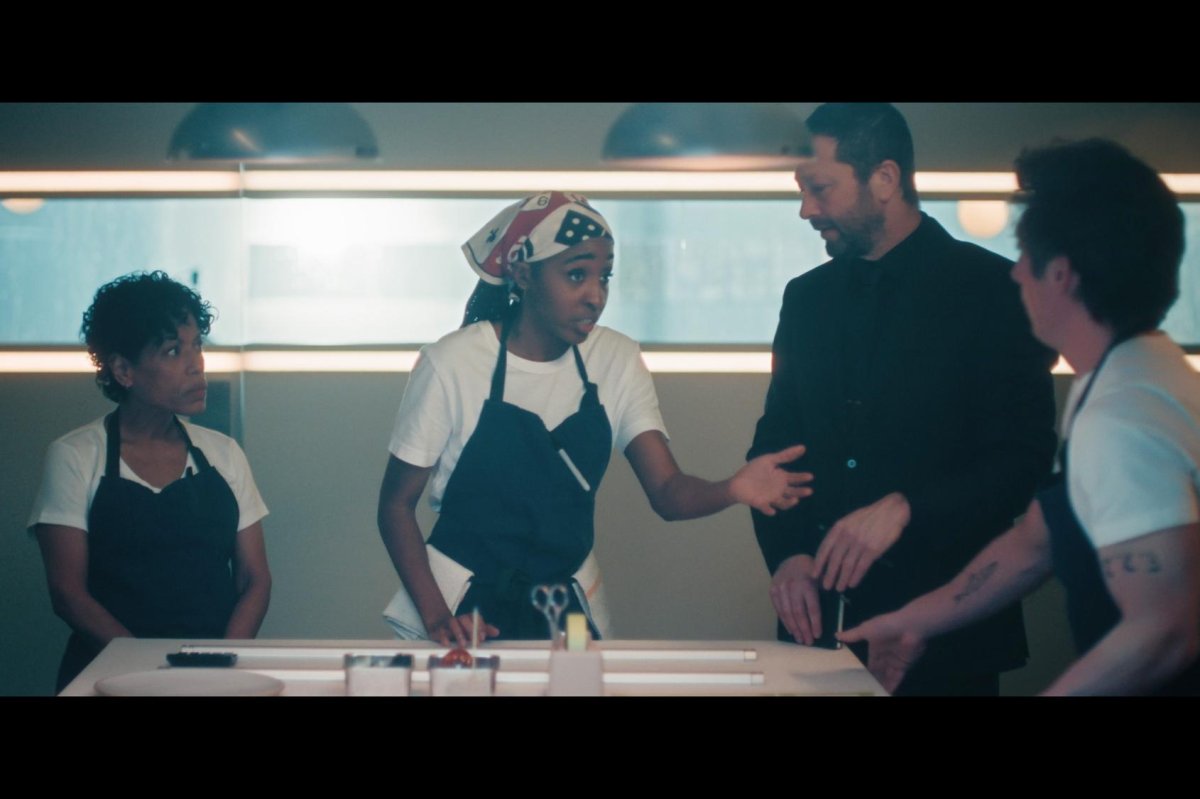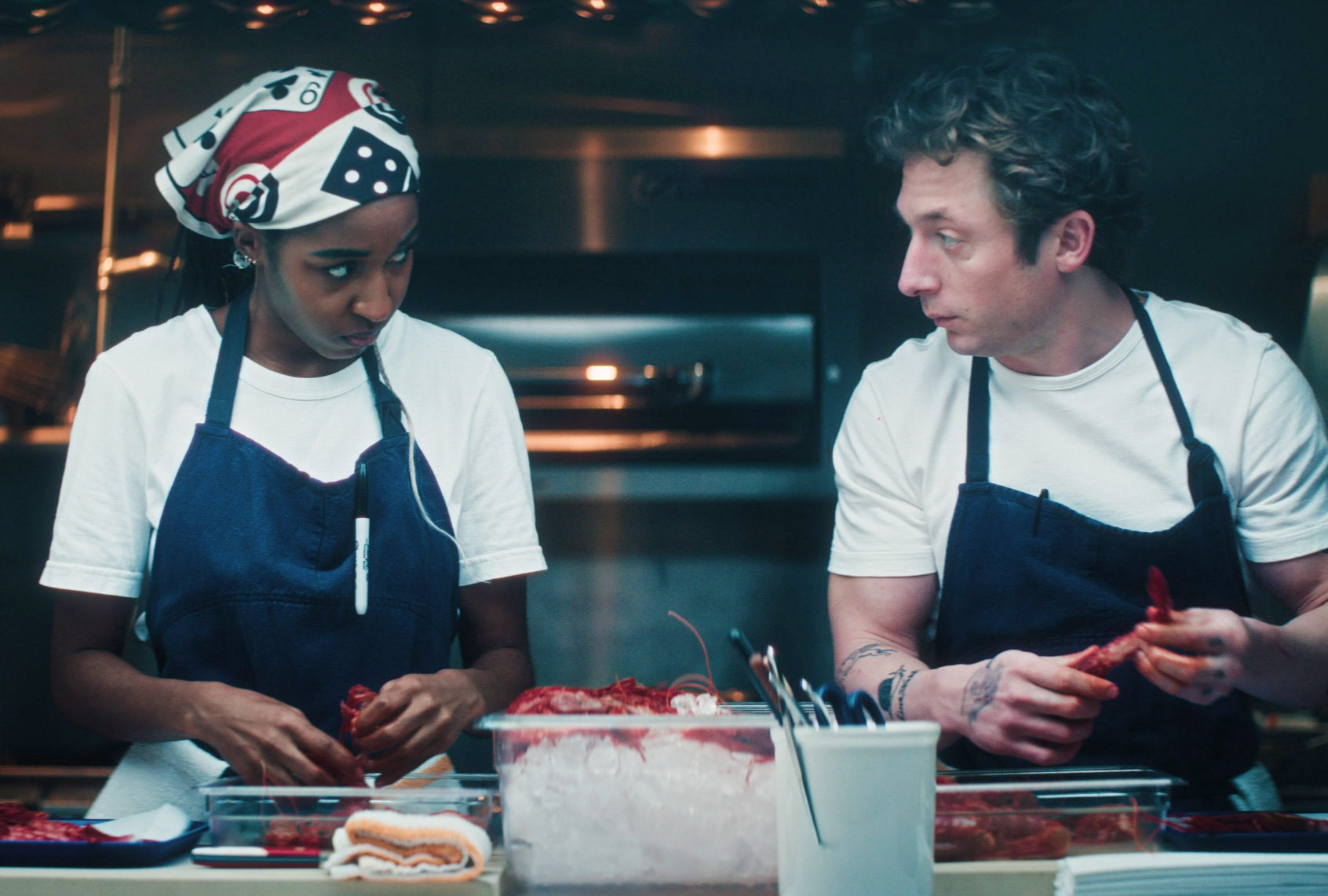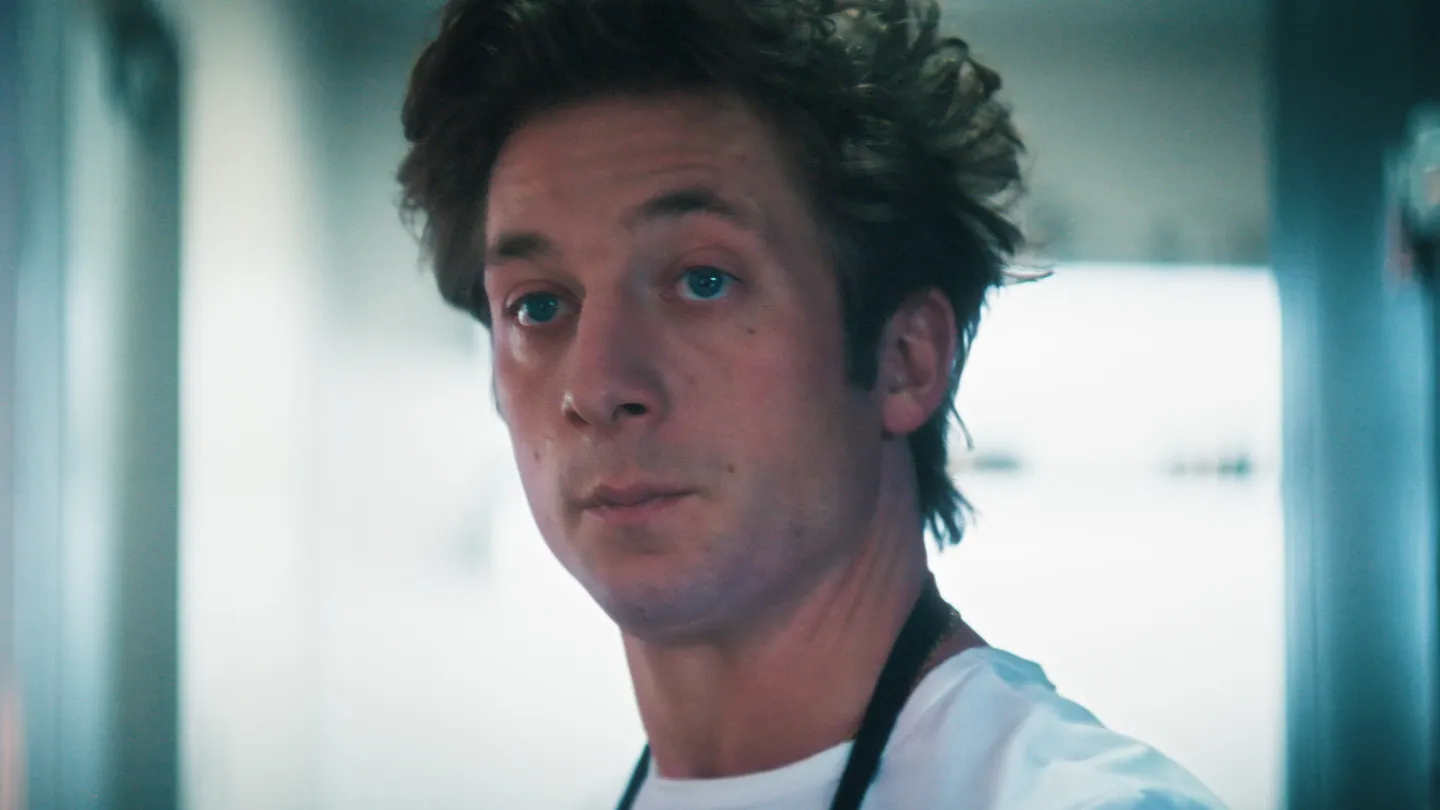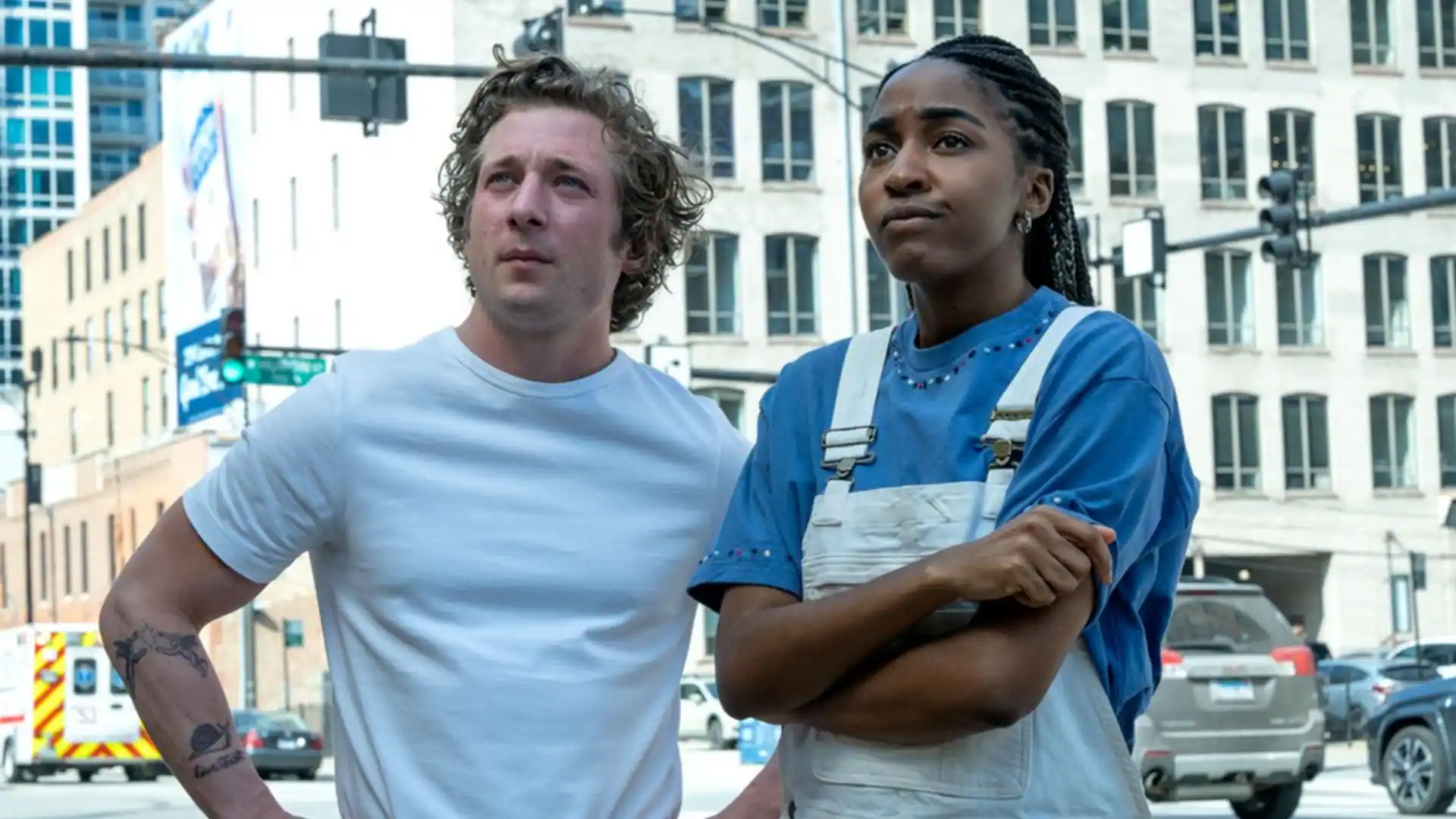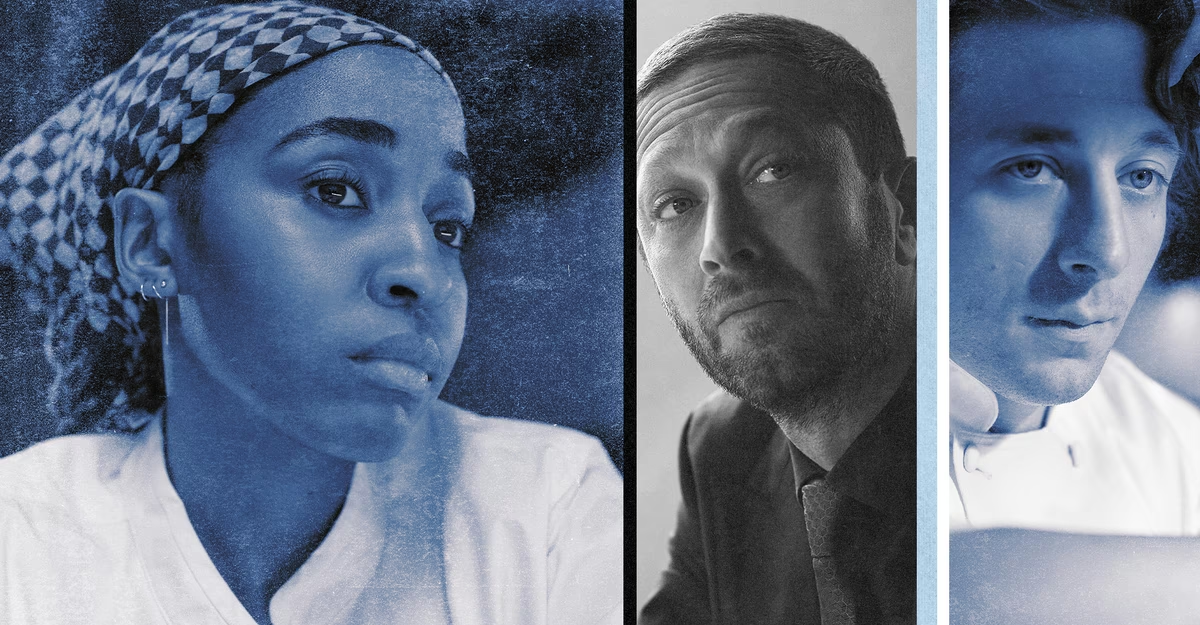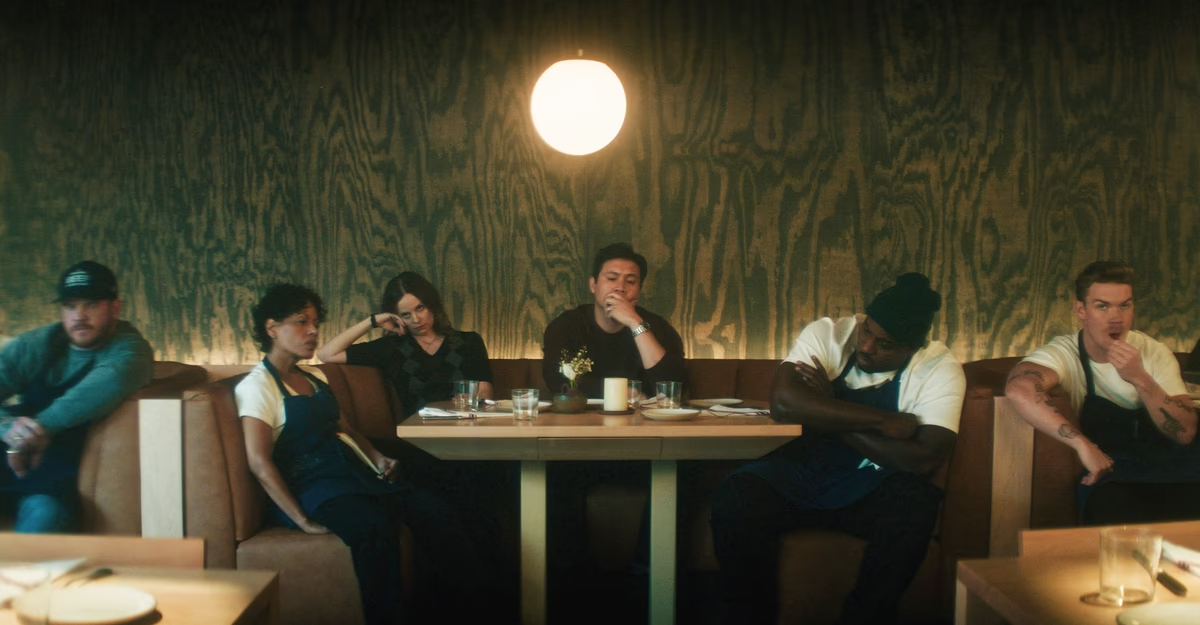
All things end, we know, and TV series are no exception. As viewers, we have to do the best we can with the time we get, and no show has been more compulsively, maddeningly obsessed with time than The Bear. EVERY SECOND COUNTS hangs on the wall of Chef Carmen (played by Jeremy Allen White) and Chef Sydney’s (Ayo Edebiri) restaurant kitchen, inscribed on a plaque rescued from a different restaurant whose own time ran out.Clocks and timers recur visually on the show like intrusive thoughts, ticking menacingly over workstations and running down, stopwatch-style, under frantic synth scores. (Dedicated fans of the show have kept track of how clocks, watches, and timers pop up as visual motifs.) In the first season, when Carm attended an Al-Anon meeting and gave an extraordinary seven-minute monologue about how he ended up working as a chef in part to get back at his infuriating older brother, Michael (Jon Bernthal), he got to the crux of things this way: “The routine of the kitchen was so consistent and exacting and busy and hard and alive, and I lost track of time and he died.”I love The Bear, and have loved it through highs (Season 2’s ebullient, affirming “Forks”) and lows (Season 3’s gnarly descent into Carm’s psyche), all the way through its final episodes, which arrive this week. But for a show so preoccupied with the brevity of our shared human existence, the FX series has often felt, well, baggy. I recently rewatched the first season, which introduced Carm as he tried to save his brother’s sandwich shop, and felt steamrolled by its unfamiliar pace—rapid cuts between shots of frying pans and disconcerting dream sequences. Almost immediately, we converge with the characters: Sydney, who’s trying to learn from a chef she considers one of the best in the world; Richie (Ebon Moss-Bachrach), Michael’s chaotic and stunted best friend; Tina (Liza Colón-Zayas), a line cook who resents Carm’s attempts to improve the restaurant; Marcus (Lionel Boyce), a creative but unfocused baker; and Jimmy (Oliver Platt), a family friend whom Michael owed hundreds of thousands of dollars. Scenes move at breakneck speed; tensions crest, and tempers burn and keep burning. Christopher Storer, The Bear’s creator, clips together fantasy scenes and abstract music-video montages until we’re totally unraveled as viewers, and then caps everything off with the kind of deus ex machina plot twist that TV magic is made of.Read: Thank god for The BearThe momentum kept up through Season 2, which saw Carm and Sydney attempt to launch their new restaurant while the other characters evolved: Tina went to culinary school; Marcus trained in Copenhagen; Richie apprenticed at an elite restaurant and underwent a total humanistic conversion. (“I used to be a people hater and now I’m a people lover” is how he explains things in the new season.)But Carm stayed stuck, and so, mired in his painful orbit, did Sydney. Even the most generous viewer might observe that the two seasons since have fretted endlessly about time while also squandering it, looping around and around Carm’s rocky childhood, the psychological torment he experienced working under an abusive chef, and his grief and guilt over his brother’s death. Season 3 especially felt like a joyless endurance test, in which both Carm and his sister, Natalie (Abby Elliott), wrestled with the coping mechanisms they established while being raised by their unstable mother, Donna (Jamie Lee Curtis). Season 4 introduced momentum by way of a giant digital clock in the kitchen counting down the number of operational days The Bear has left before it runs out of money and has to close.In Season 5, the clock and the kitchen have both hit zero hour. “It says we’re out of time, chef,” Ebraheim (Edwin Lee Gibson) tells Sydney early one morning, as a calamitous storm is giving Chicago the vibes of a biblical washout or a David Fincher movie. “No it doesn’t,” she replies, simply resetting it. The structure of the season is new: As on The Pitt or 24, the first seven episodes made available all take place over the course of one climactic day in service, as the staff deal with problems logistical (the restaurant’s credit cards are all maxed out; the rain is testing the pipes; there are too many bookings for dinner) and existential (Carm has announced he wants to step aside, leaving Sydney and Richie to manage a business that seems doomed). Jimmy, The Bear’s investor, has lost most of his money and is trying to sell the ground out from underneath them. Tina is agonizing over losing the first job she’s ever really loved. Richie, in an extravagant project of misdirection, is obsessing over paper clips. Someone seems to be stealing all of the restaurant’s spoons. As the team gathers in the basement, they stand next to a poster for the movie 25th Hour, in case the prevailing sense of finality wasn’t obvious enough.Read: Why The Bear is so hard to watchThis sounds harrowing, and it can be. On first watch, I felt myself physically tensing up throughout, longing for one of the show’s cathartic explosions; on the second, I paid more attention to the Easter eggs, the nods to old storylines that everyone but the show’s most detail-oriented fans will have likely forgotten. A cardboard cutout of a grinning Paul Rudd seems to reference the rumored uncredited voice cameo Rudd made as a character in the fictional arcade game Ballbreaker in Season 1; for staff dinner, Sydney braises short ribs in Coca-Cola, the same dish she unwittingly served to a food critic once after Carm told her it wasn’t ready to be on the menu. Richie chides Carm for his grinding self-obsession, and for never asking anyone else how they’re doing—the same complaint Natalie made in Season 1. A lamb-tonnato dish reminds us of Donna and her emotional apology to Carm last season. And when the staff dress for service, the only things left to wear after a pipe bursts are misprinted Original Berf of Chicago shirts from Season 2.Absent in all this evocation of Bear history is Rob Reiner, who last season played Albert, a businessman coaching Ebraheim on putting together a franchise plan that might help save the restaurant. Reiner’s twinkling humanism and impossibly hopeful charisma was never more enchanting than it was paired with Gibson’s stolid Ebra, who dropped out of culinary school but still sorely wanted to contribute to The Bear’s success. And Reiner’s devastating death deprives the final season of some stardust, although we hear Ebra rehearsing his pitch to Carm on a phone call with Albert anyway, with humor that cuts through the loss: “Make it easy for him to say yes. Don’t use too many words. Have no fear. Don’t be scared by his blue eyes.”With the clock so pointedly signaling an end, what’s left is the question of whether Carm and Sydney can actually succeed in their mission of setting up a different kind of restaurant kitchen, one where the chefs bolster each other, and where cruelty isn’t seen as a necessary hazing technique on the path to greatness. The Bear evokes Noma more than virtually any other restaurant, and the revelations published in The New York Times earlier this year regarding institutionalized sadism and physical violence from the Copenhagen restaurant’s star chef, René Redzepi, underscore how meaningful such a shift might be. (Redzepi said he didn’t “recognize” all of the behaviors detailed in the story as his own but said he was “deeply sorry” for some “harmful” actions in the past.) Food, on the show as in life, is really about love, about care, about transforming distinct components and experiences into revelatory new forms. If you can free cooking as an art from the hierarchical egoism of restaurant culture, what other kinds of change might be possible?As if to remind us of the stakes, The Bear dropped a surprise one-hour stand-alone episode last month, titled “Gary,” which follows Richie and Michael on a road trip to Gary, Indiana; it’s set a few years before the start of the series, and several hours before Richie’s heavily pregnant wife superstitiously believes she’s supposed to give birth. The entire trip is an exercise in wasted time—the guys drop into a pickup basketball game, they banter, they get loaded in a bar celebrating Richie’s impending parenthood before Michael’s mood takes a vicious turn. “Fucking kid’s gonna end up abandoned and alone, just like he was,” he spits, with calculated malice.This is a prophecy, we know now, that turns out to be extremely incorrect: Richie is a good and devoted father who’s become extraordinarily good at his people-facing job, managing the moods and desires of customers all day, charming them, giving them joy. People can change. Can restaurants? I hope so; it feels long past time we found out.
What ‘The Bear’ Has Always Been Driving Toward
In its final season, the FX show circles its end point.
1,470 words~7 min read