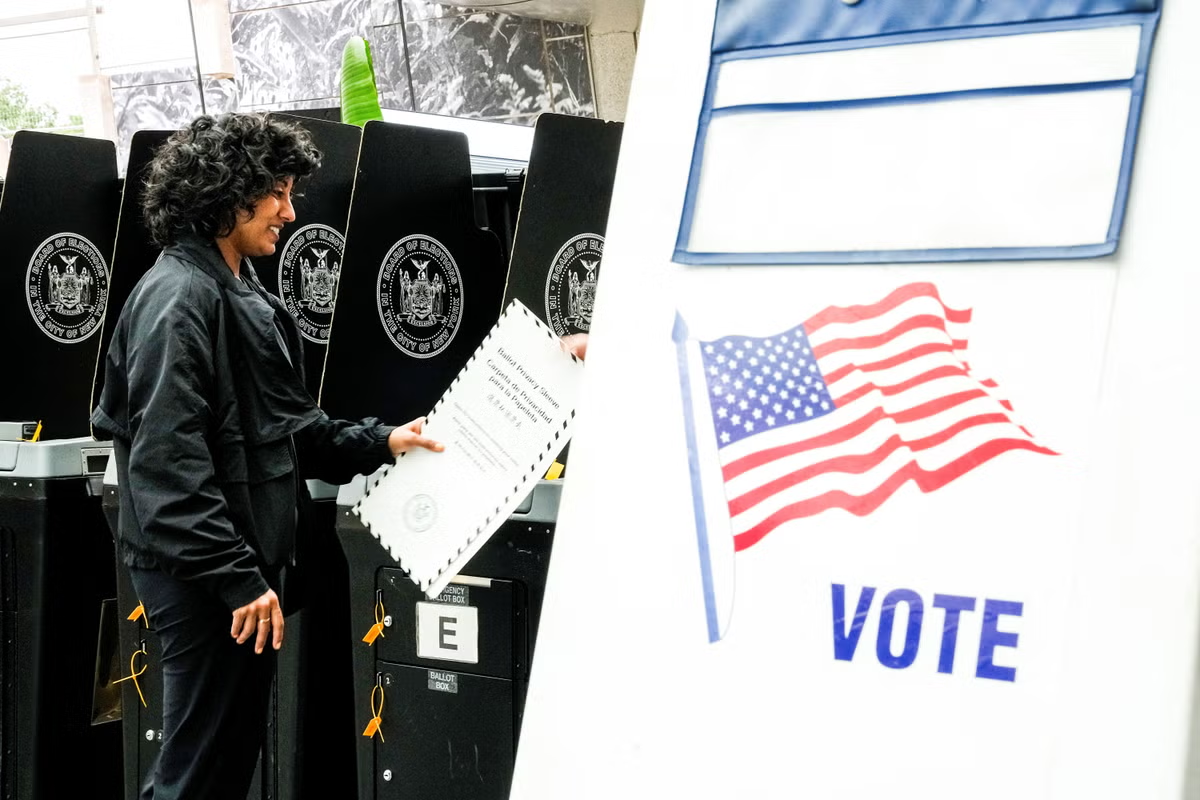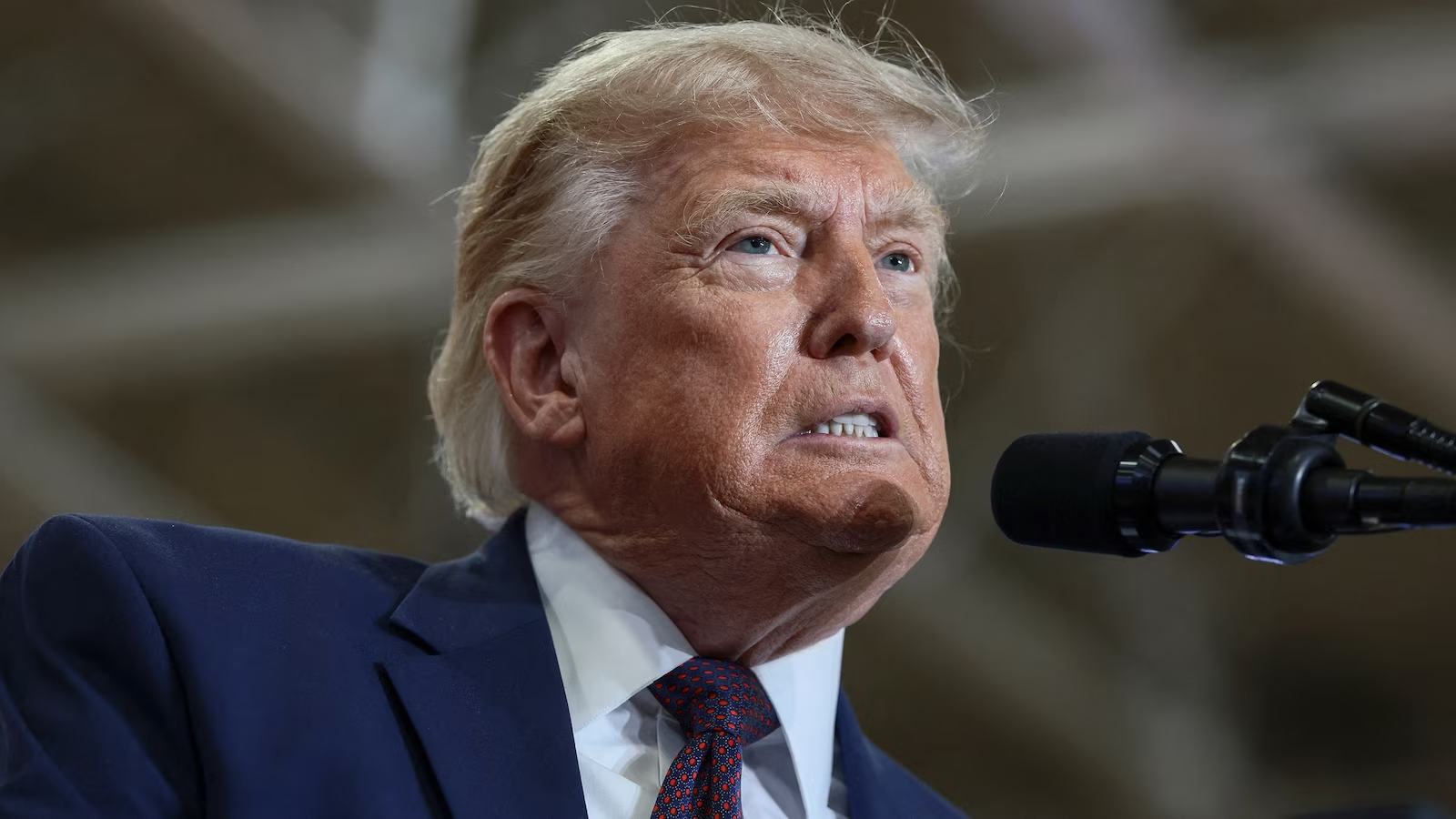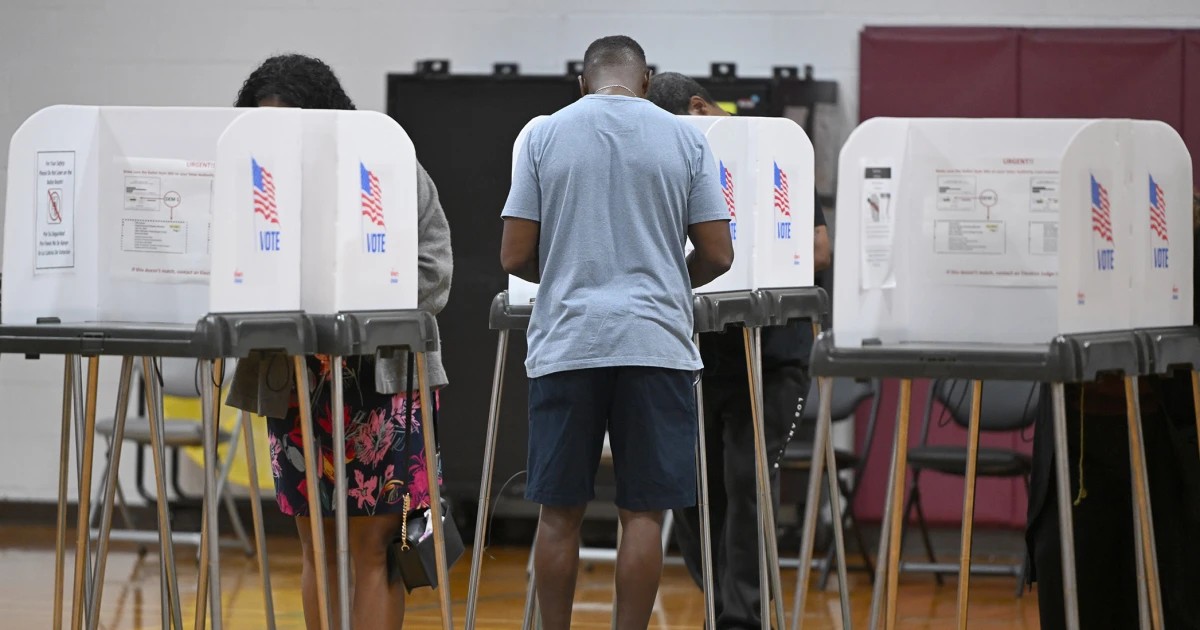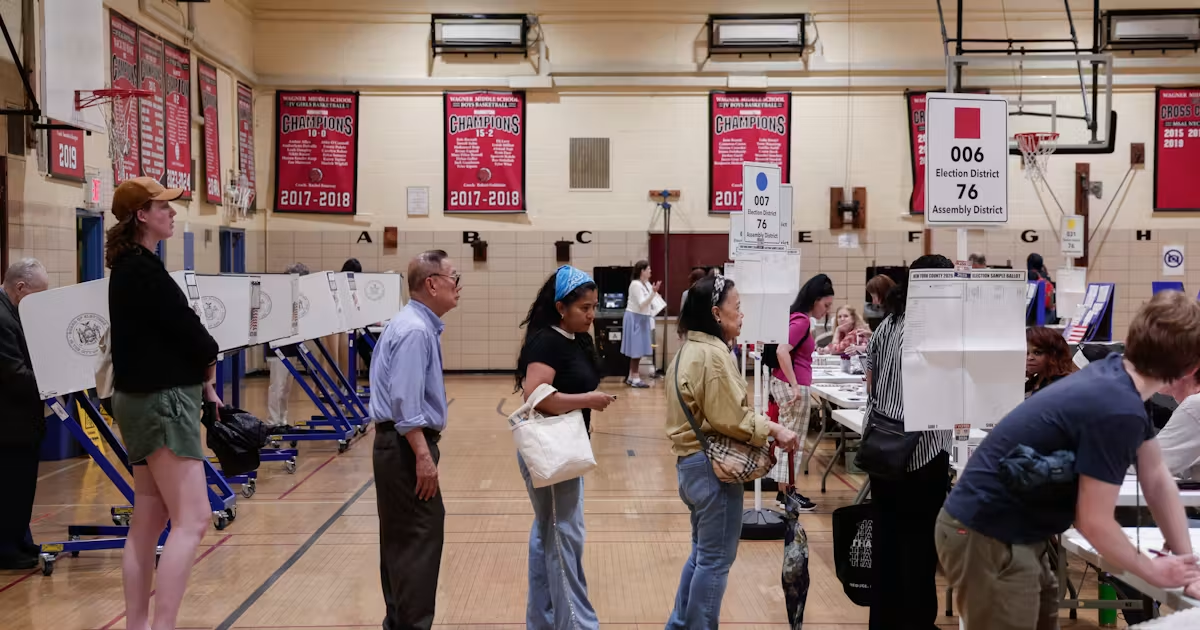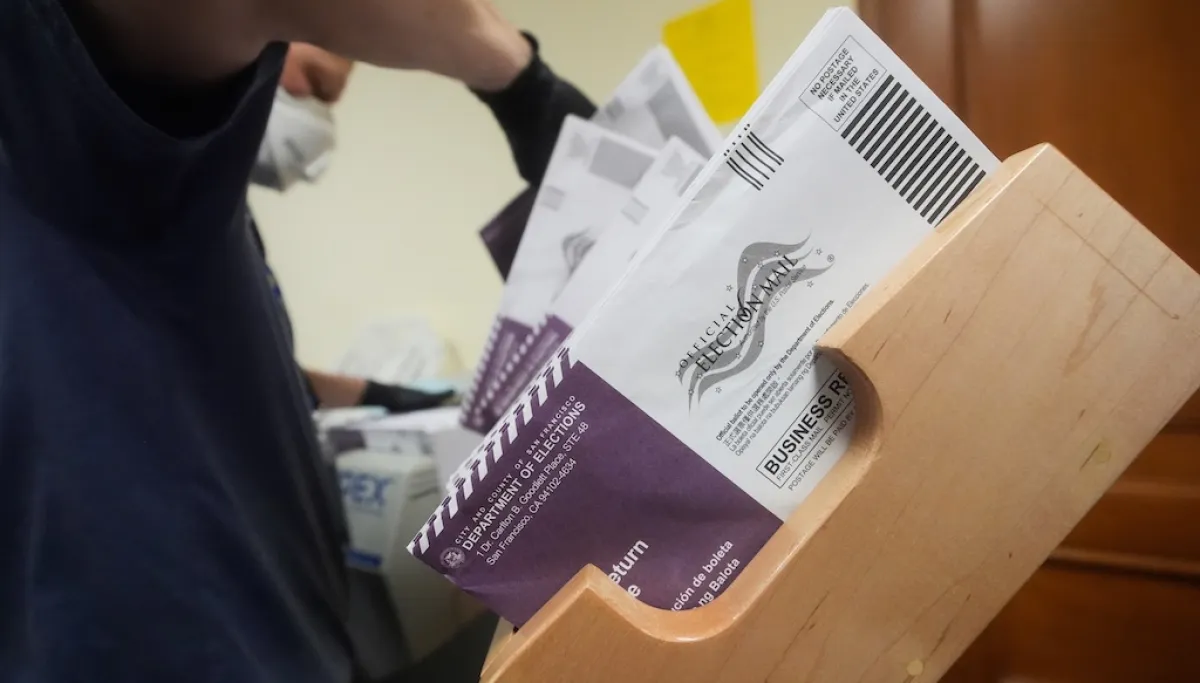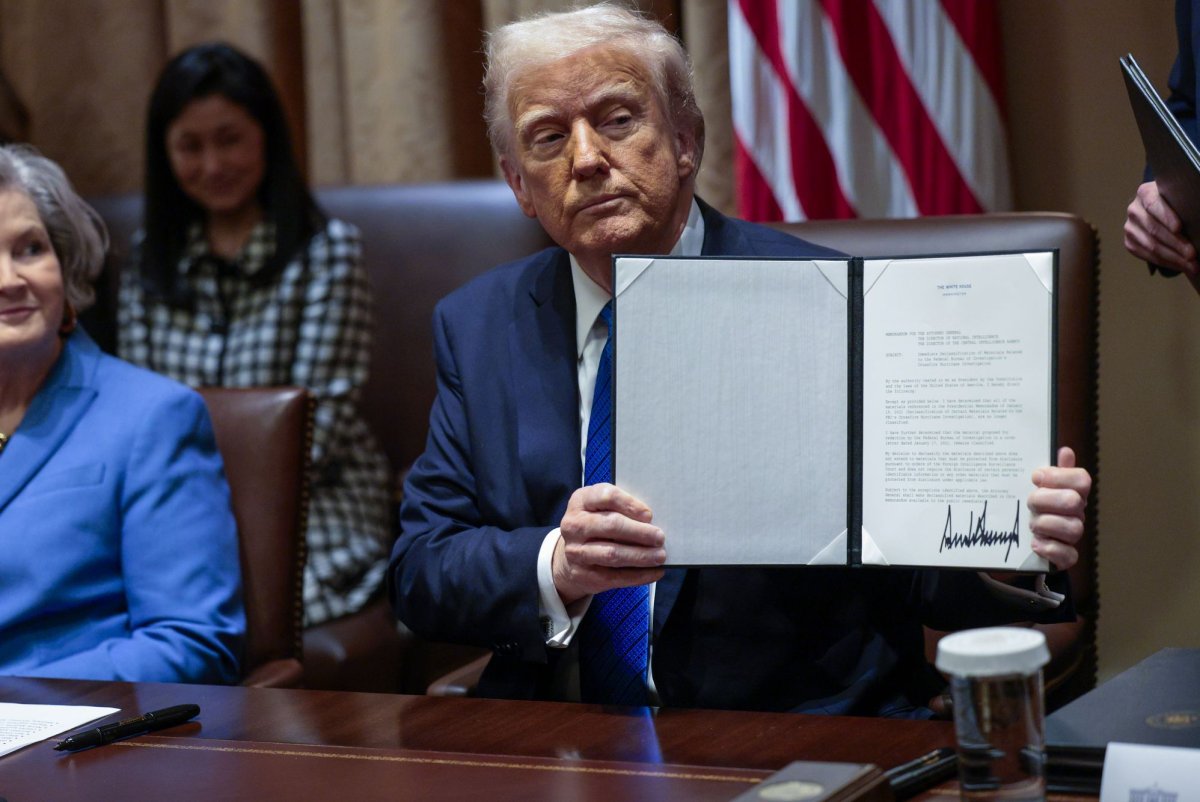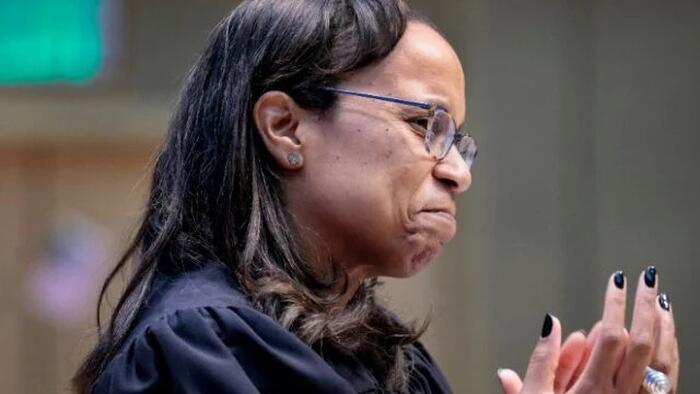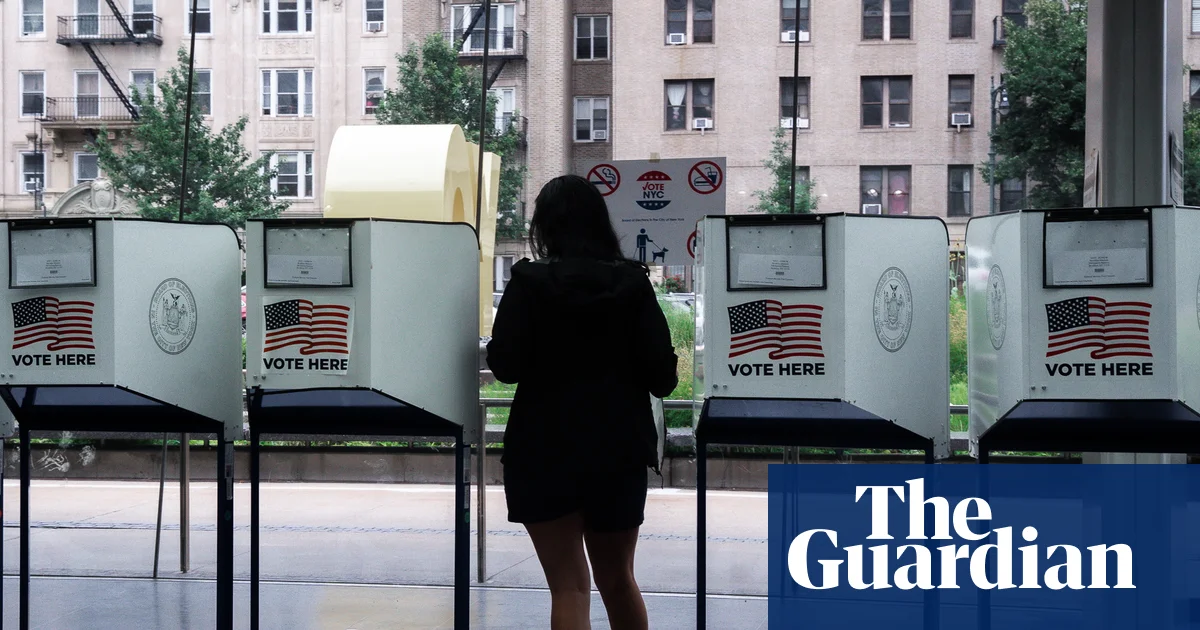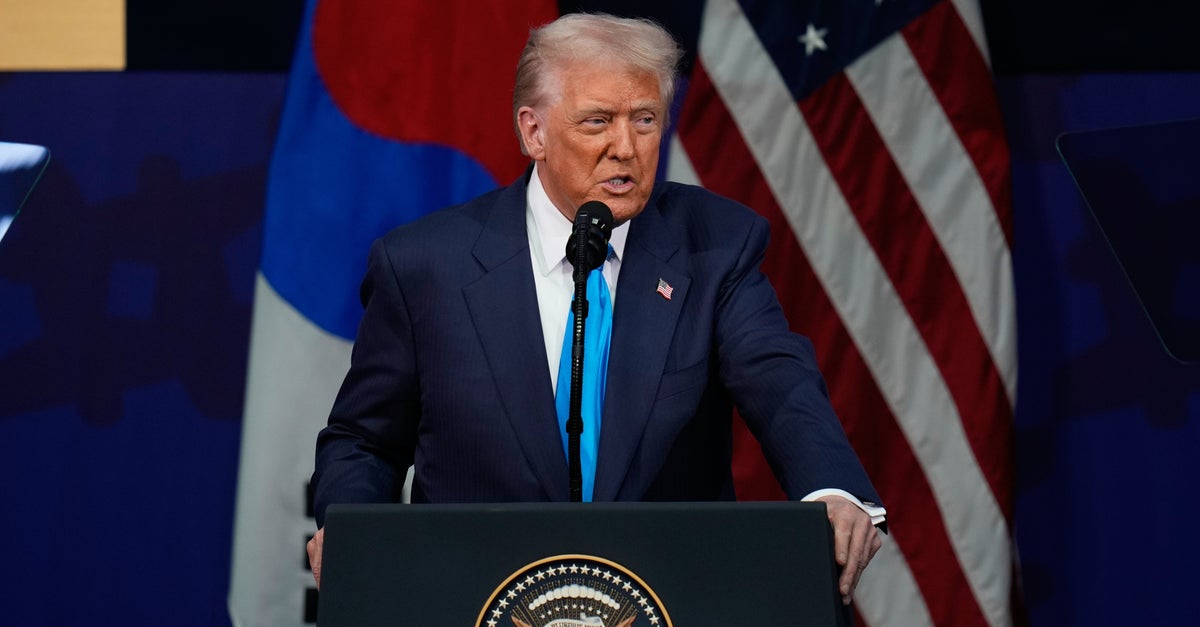
On Wednesday, a federal judge permanently blocked most of the first executive order on elections pushed by President Donald Trump, which sought, among other measures, to require citizens to present documentary proof of citizenship when registering to vote.The decision was made by Federal Judge Denise Casper of the District of Massachusetts, who finalized an injunction she had issued a year ago to temporarily halt several aspects of the electoral reform promoted by Trump shortly after taking office for his second term.Casper rejected the Republican administration's argument that the lawsuit filed by Democratic attorneys general was premature because the rules had not yet been implemented. Instead, she concluded that the Constitution grants the authority to regulate electoral processes to the states and Congress, not to the president."The Constitution does not grant the president any specific power over elections," the judge wrote in her ruling.What Trump's executive order proposed?In addition to the requirement to present documentation proving citizenship to register as a voter, the executive order included other controversial measures:Preventing mail-in ballots that arrive after Election Day from being counted, even if they were sent before the deadline.Withholding certain federal funds from states that did not comply with the new requirements.Introducing changes to voter registration and voting procedures nationwide.A series of judicial defeatsThe ruling represents the latest setback for Trump's electoral strategy. In recent months, various federal courts have blocked parts of the executive order.Last fall, a federal judge in Washington D.C., reviewing a separate lawsuit filed by civil rights organizations and groups linked to the Democratic Party, also prevented the government from adding the citizenship proof requirement to the federal voter registration form.Subsequently, that same judge barred the Department of Defense from requiring citizenship documentation from members of the military wishing to register to vote or request an absentee ballot.Trump seeks congressional approvalFacing difficulties in implementing the measure via executive order, Trump has pushed for a legislative solution in Congress. The bill known as the SAVE America Act has already been passed by the Republican-controlled House of Representatives, but it remains stalled in the Senate.The lack of progress led the president to demand the elimination of the filibuster, the parliamentary tool that currently hinders the approval of the initiative.In fact, on Wednesday, Trump unexpectedly canceled the scheduled signing of a bipartisan housing bill and stated that he will not approve new legislation until Congress moves forward with the requirement of proof of citizenship to vote.With information from AP.
Setback for Trump | A federal judge blocked the executive order requiring voters to provide proof of citizenship
Federal Judge Denise Casper ruled that the president lacks the constitutional authority to impose electoral changes by decree.The decision nullifies one of the most controversial measures of his executive order on elections.
407 words~2 min read