Show Caption
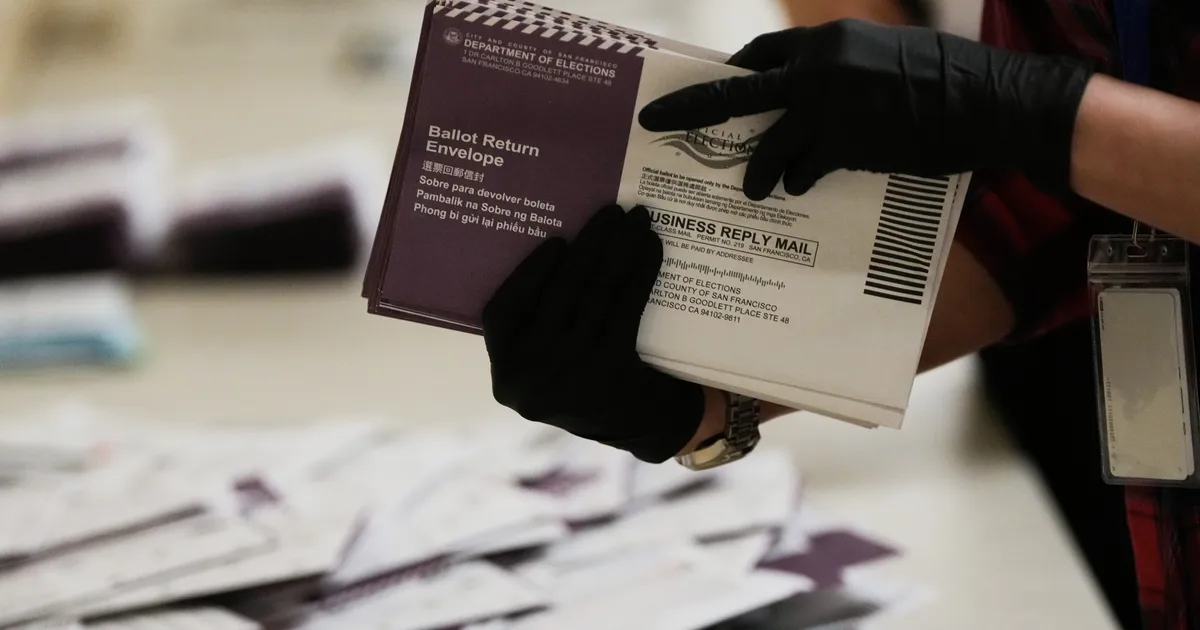
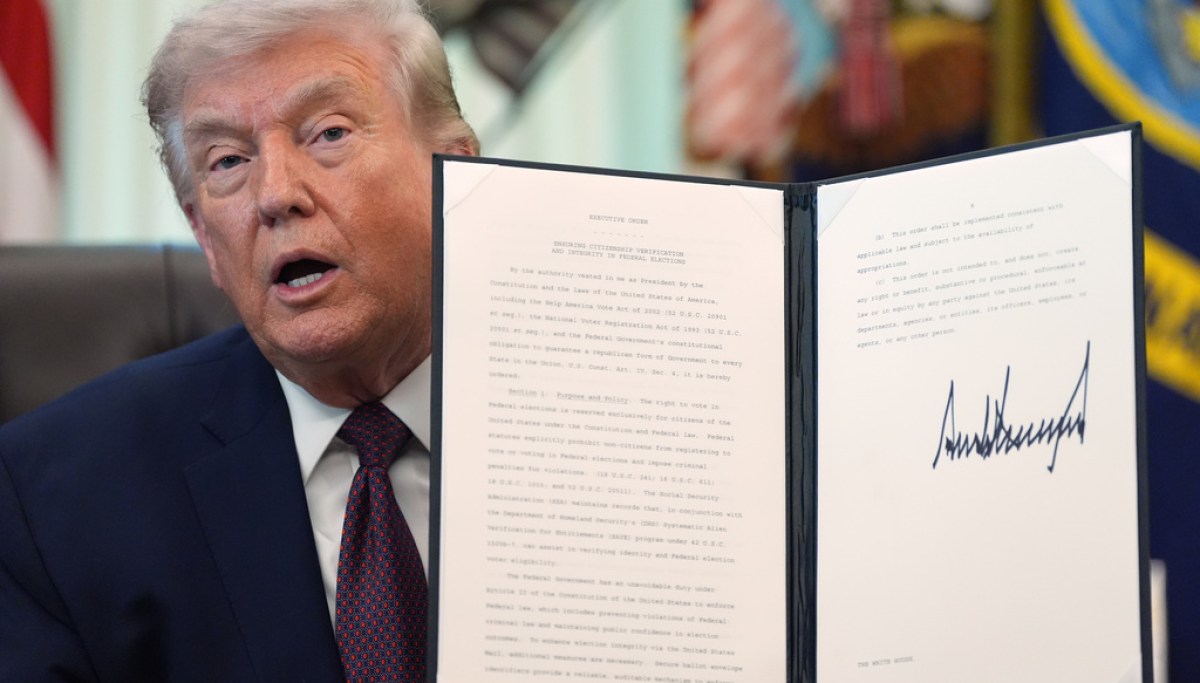
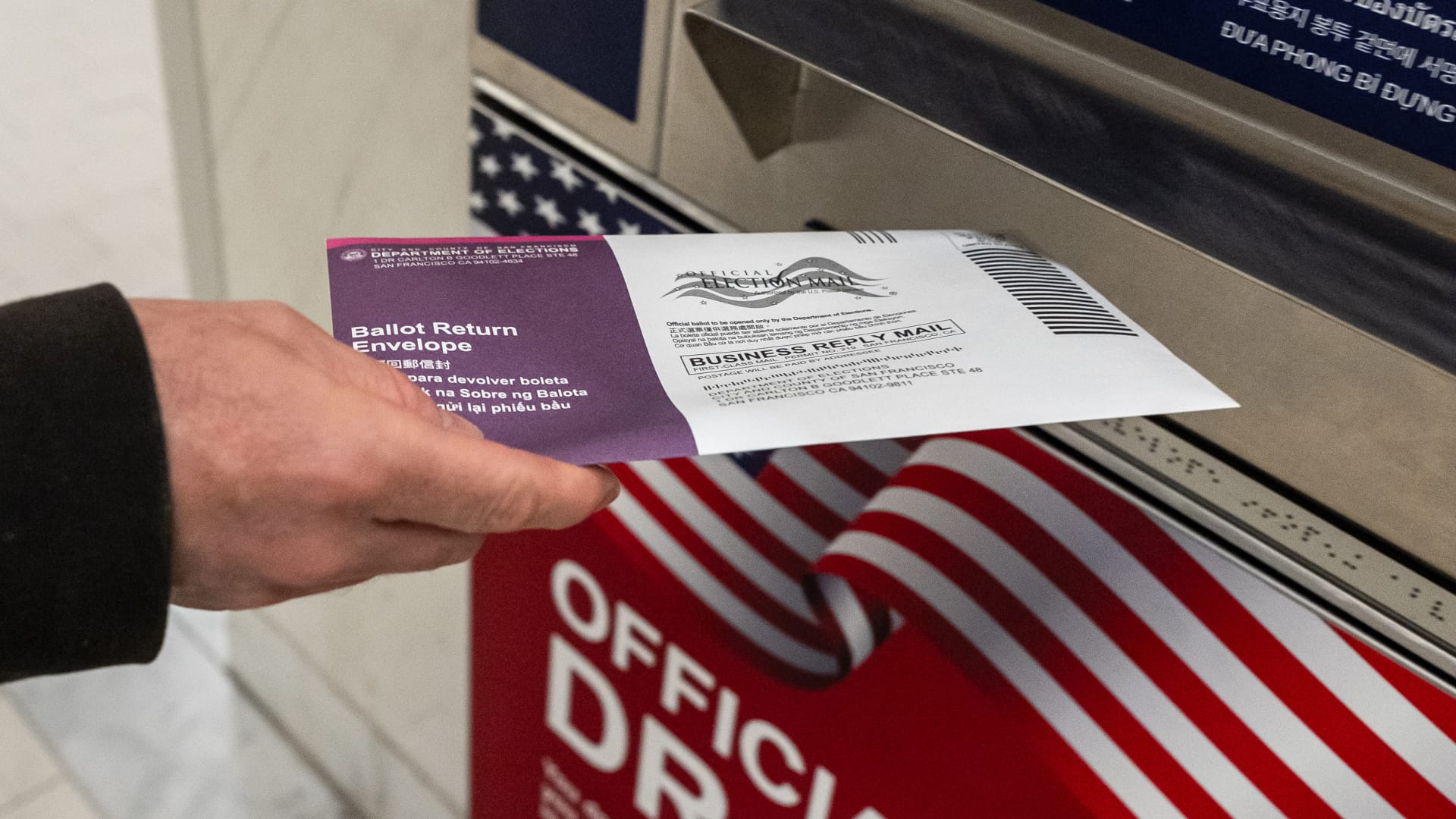
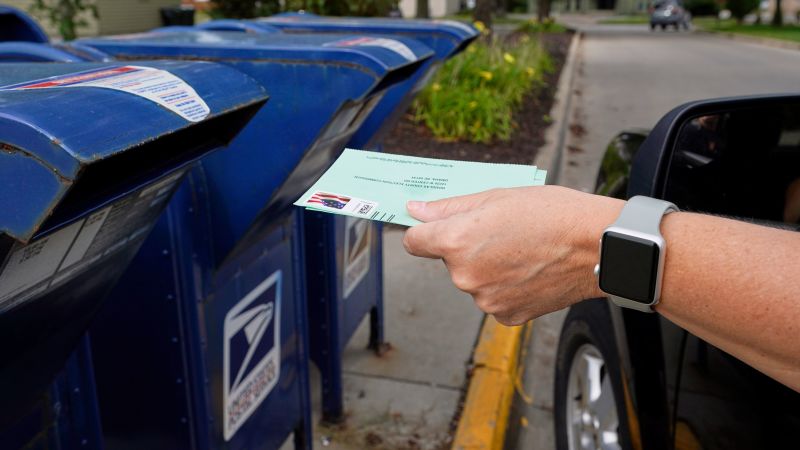
BOSTON – A federal judge in Boston on June 25 blocked President Donald Trump's executive order tightening rules for mail-in voting, a key blow to the president's election law agenda ahead of November elections that will decide control of Congress.U.S. District Judge Indira Talwani, a Barack Obama nominee, sided with several Democratic-led states that argued the Republican president is trying to interfere unlawfully with the states' administration of federal elections.The March 31 order contained several deadlines for federal action during June, July and August, and would have given the federal government sweeping new power in administering the Nov. 3 elections for Congress.Under the U.S. Constitution, states administer federal elections, but Trump has called for greater federal control since losing in the 2020 race for president.His order directed the U.S. Department of Homeland Security to compile and transmit to the states a list of confirmed U.S. citizens eligible to vote in each state, derived from citizenship and naturalization records and other federal databases. The judge blocked this from being implemented.Trump's order required the U.S. Postal Service to deliver ballots only to voters on each state's approved mail-in ballot list. USPS recently moved to implement Trump's directive by issuing new proposed rules requiring states to provide the names and barcodes linked to their mail-in ballots. This, too, is now blocked.The order also directed the U.S. Department of Justice to prioritize the investigation and prosecution of state and local election officials who issue federal ballots to people deemed “not eligible” to vote. The judge ordered them not to do these investigations.Voting rights groups sued the administration along with 23 states and the District of Columbia, arguing that Trump's order is unconstitutional and that he lacks any legal authority to assert presidential power over election administration.The states alleged that allowing Trump's order to stand would force them to rush to overhaul their election systems before November, causing chaos and likely disenfranchising eligible voters.Talwani, appointed by Democratic President Barack Obama, ruled after a different jurist, Trump-appointed U.S. District Judge Carl Nichols in Washington, DC, declined to issue a preliminary injunction in a related lawsuit brought by Democrats challenging Trump's order.Nichols found that the Democrats' request was premature since Trump's order had yet to be implemented. They are appealing.Contributing: Reuters.