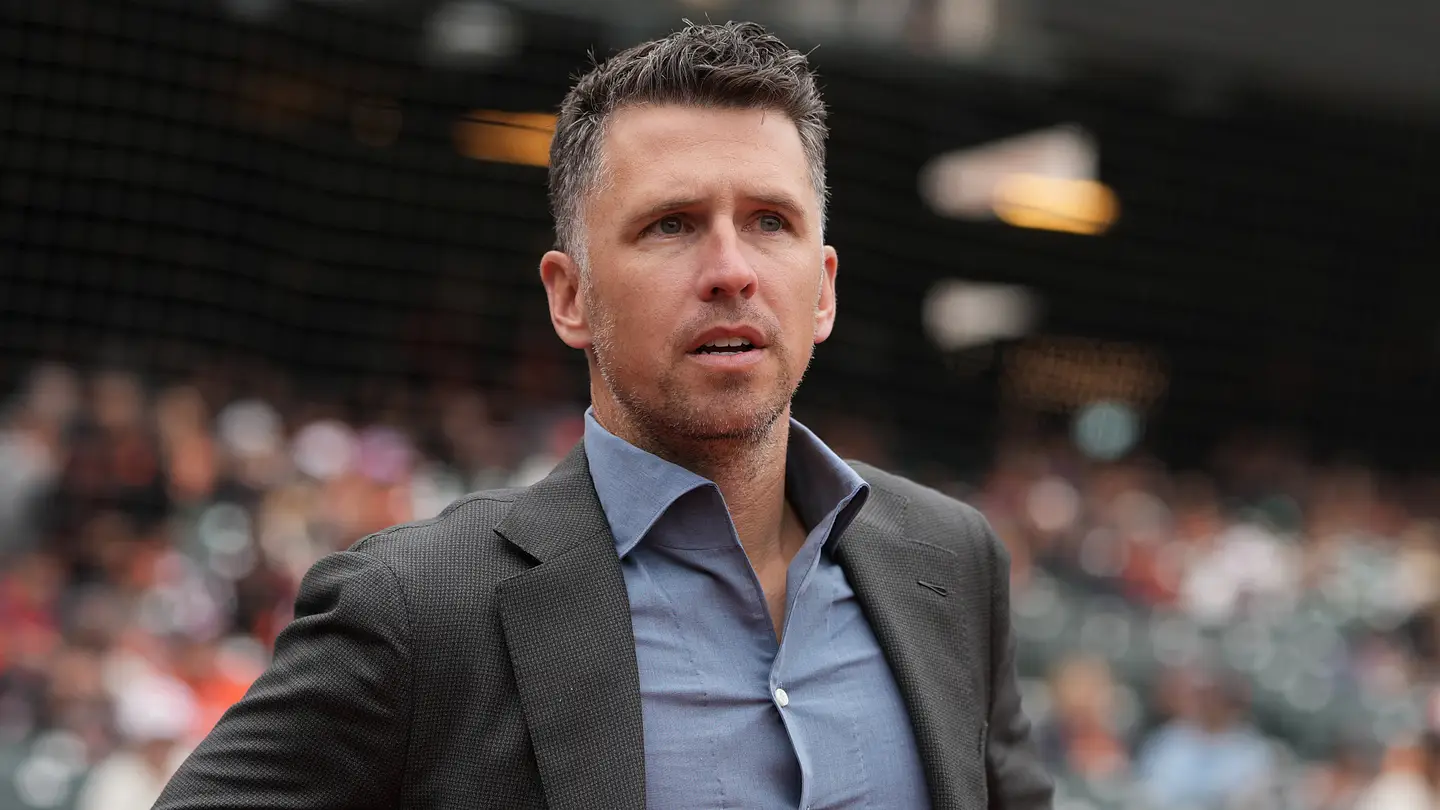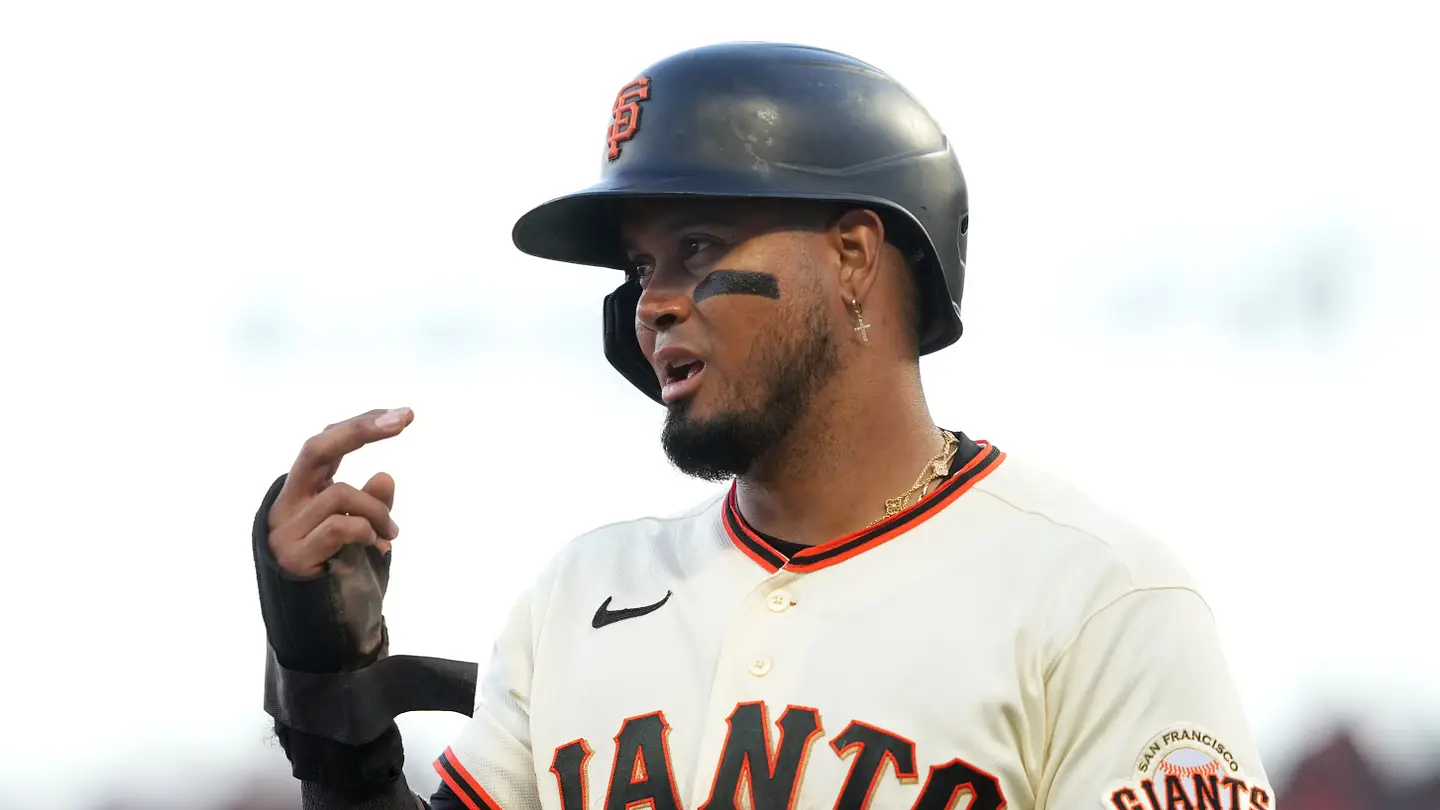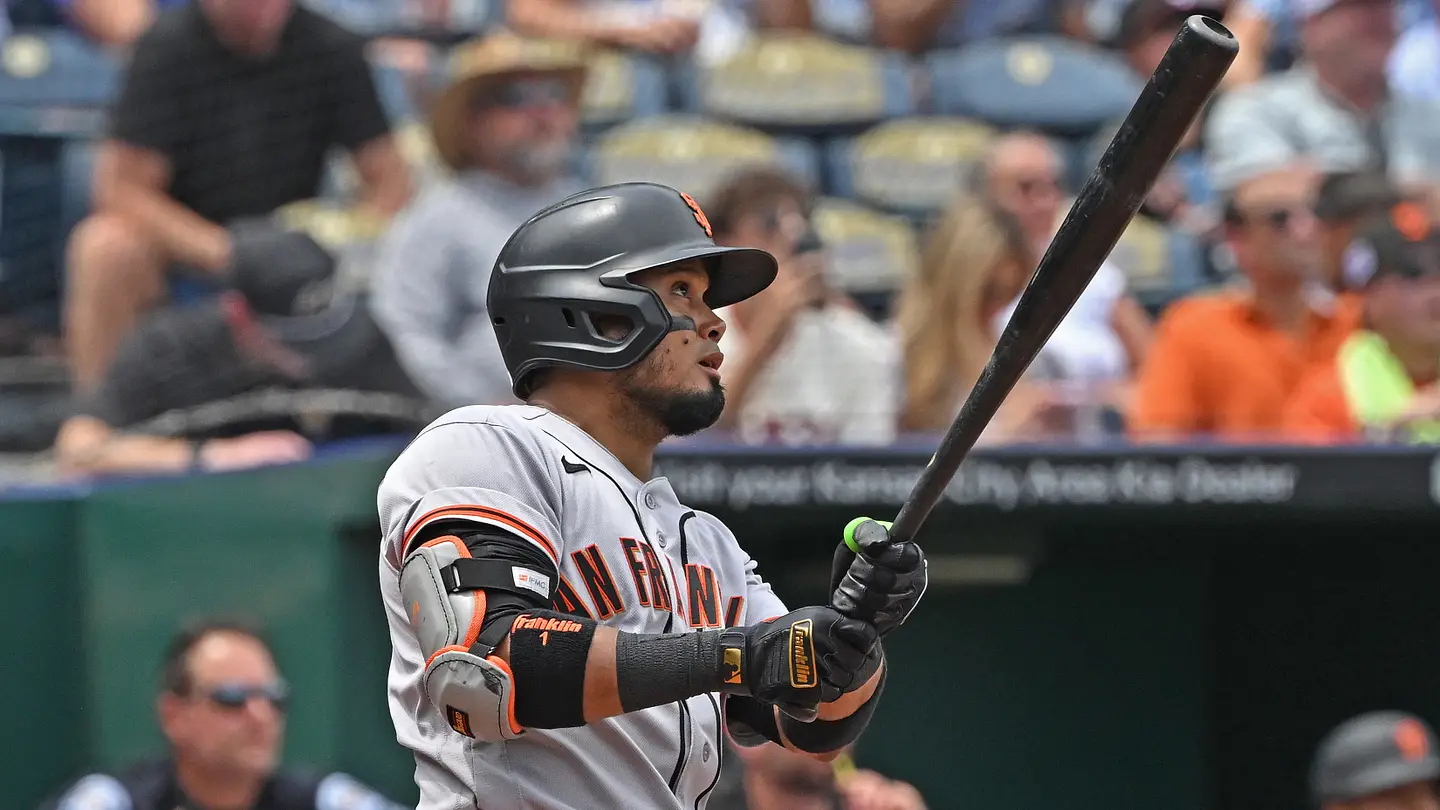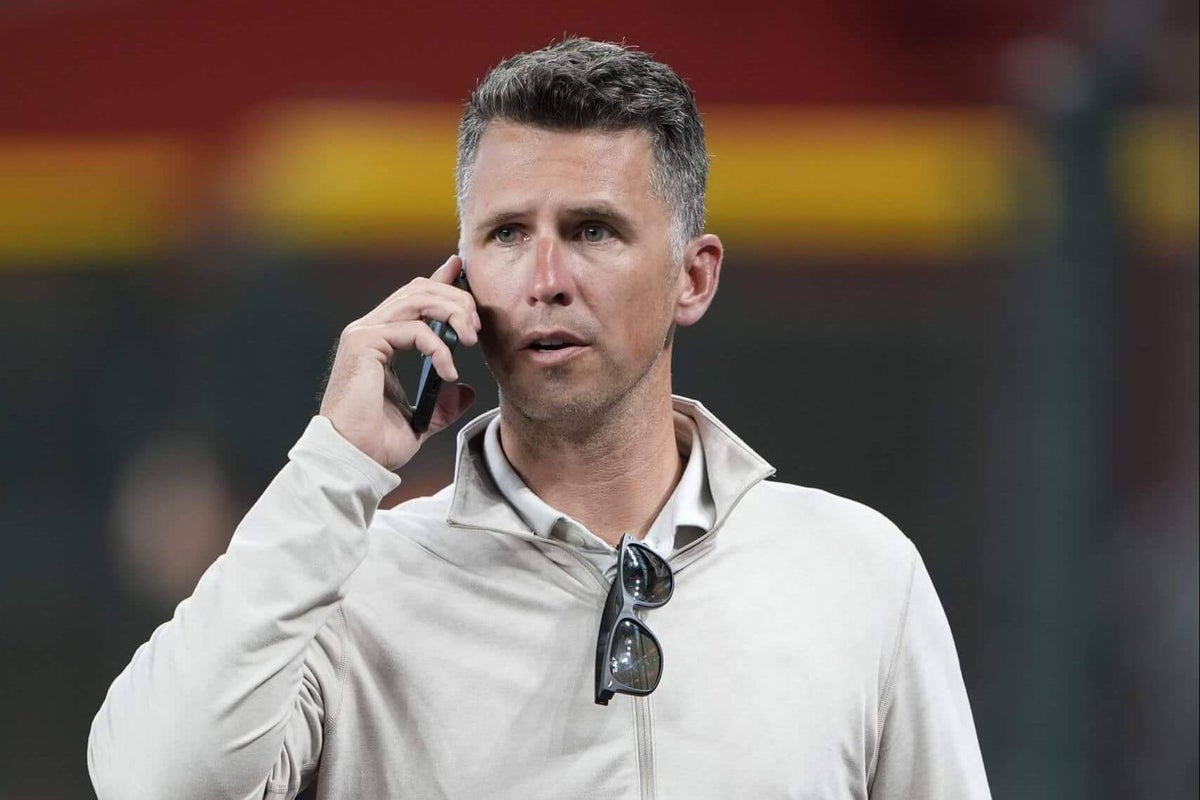
The clock is ticking, and the sound is getting louder by the day. At 32-46, sitting 18 games back in the National League West, the San Francisco Giants are almost certainly going to be sellers at the August 3 trade deadline.That’s not the hard part. The team and their performance nearly dictate that they will be on the block. What is more complicated is the value of what they have to sell, and how fast they need to do it.The Chapman ProblemSan Francisco Giants third baseman Matt Chapman | Stan Szeto-Imagn ImagesMatt Chapman was supposed to be one of the Giants’ most attractive pieces to contenders. He comes with a resume that includes Gold Glove defense, postseason experience and a veteran presence on the field at third base. His value is decreasing fast though. As of Wednesday night, Chapman’s stats show that he is hitting .040 over his last seven games. That is 1 hit in 25 at-bats to go along with 12 strikeouts. His OPS over that deplorable stretch is .107.Certainly, every contender’s front office staff can see those very same numbers, and they are tracking them. A player hitting .040 in late June does not command the same return the team could have garnered in May.If Chapman’s performance continues down this path, his value and trade potential may already be reaching the basement. Every hitless game, every strikeout makes that clock tick just a little louder.The Devers SituationSan Francisco Giants first baseman Rafael Devers | Sergio Estrada-Imagn ImagesRafael Devers added another layer to a complicated situation. As every single Giants fan knows, in the ninth inning of a 2-1 loss to the Miami Marlins on June 21, Devers wagged his finger and tried to stay in the game when a pinch-runner was sent in. Immediately, it looked like a clear act of defiance. His body language as he headed into the dugout remained hot-tempered.For an already struggling team, it looked like the clubhouse dynamic may be deteriorating, but not so says the manager and front office.In interviews, manager Tony Vitello reported that Devers had apologized to him and described the whole situation as a “misunderstanding.” President of baseball operations, Buster Posey, tried to stay out of the situation, noting that Vitello had taken care of things.It seems like the organization has moved past the controversy quickly and is ready to get back to baseball. Acquiring teams, however, will surely take note. There will be a risk profile attached to Devers, and while it may not amount to much, it is there.Devers remains a valuable trade chip with a slash line of .237/.299/.428 to go along with 11 home runs. He is a three-time All-Star, and the phone will be ringing.The Rotation Problem Has No Internal FixSan Francisco Giants pitcher Tyler Mahle | Ed Szczepanski-Imagn ImagesSo, while the front office will be busy answering the phone and addressing difficult conversations, the on-field issues still remain. Tyler Mahle is 1-7 with a 5.76 ERA. Adrian Houser is now 2-6 with a 5.73 ERA. These two rotation spots are costing the Giants games. The offense is not the problem in 2026. Casey Schmitt leads the team with 16 home runs and an .854 OPS. Jung Hoo Lee is hitting .333, and Bryce Eldridge has posted a .883 OPS. These are not the numbers of a struggling offense. These are the numbers of an offense that is not being backed up with a reliable starting rotation.The two pitching prospects within the organization that carry 2026 ETAs at Triple-A Sacramento are not the answer. Blade Tidwell, ranked No. 9, is starting in Sacramento but has posted a 5.36 ERA with a 1.64 WHIP over 40.1 innings. He is still in development and needs more time.Trent Harris, ranked No. 20, has never made a professional start in 113 minor league appearances. He is 100% a reliever, not a rotation solution. Looking to the farm system isn’t an option for Tony Vitello, as there is no credible internal replacement for Mahle or Houser. The Deadline DemandSo, if San Fransico can’t fix the problem from within, then the trade deadline really isn’t an optional conversation. The Giants need to trade Devers and Chapman and bring in rotation help. Prioritizing pitching returns isn’t a question; it is a demand at this point.A contender willing to take on either player’s contract in exchange for rotation pieces should be welcomed and encouraged.The clock just keeps ticking. Every day Chapman doesn’t turn things around is reducing that asking price. Sometimes, sellers who wait too long in MLB don’t get less; they get nothing.The clock is ticking. Tick-tock. Tick-tock. The rotation isn’t fixing itself, and the trade chips are not getting more valuable. Tick-tock. Tick-tock.Add us as a preferred source on GoogleFollow
The Giants' Trade Chips Are Losing Value, and The Deadline Won't Wait
The clock is ticking, and the sound is getting louder by the day. At 32-46, sitting 18 games back in the National League West, the San Francisco Giants are almo
791 words~4 min read